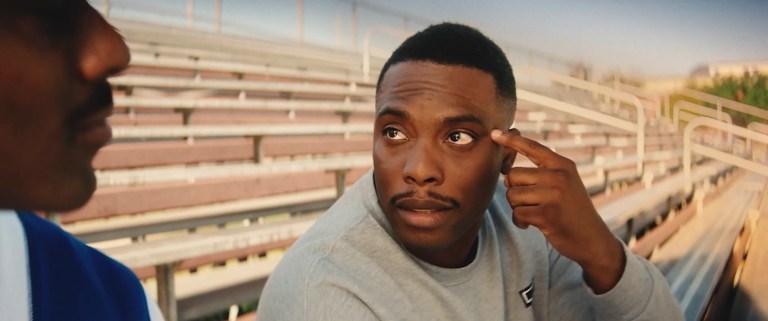
Few modern horror releases have blindsided critics quite like Send Help, a lean survival nightmare that has surged to a sky-high Rotten Tomatoes score almost overnight. In a genre often dominated by loud swings and franchise gravity, this film arrived quietly and left reviewers raving about its precision, patience, and nerve. The consensus has been strikingly unified: this is horror operating with confidence rather than spectacle.
Much of that praise traces back to the unmistakable Sam Raimi DNA coursing through the film, even as it resists his most overt stylistic signatures. Critics have singled out the film’s disciplined pacing, character-first tension, and an old-school commitment to practical stakes over digital excess. Instead of relying on shock-for-shock’s-sake, Send Help builds dread through isolation, moral pressure, and a creeping sense of inevitability that recalls Raimi’s gift for turning simple setups into psychological crucibles.
| # | Preview | Product | Price | |
|---|---|---|---|---|
| 1 |

|
Send Help | $17.96 | Buy on Amazon |
| 2 |

|
The Help (Three-Disc Combo: Blu-ray/DVD + Digital Copy) | $13.87 | Buy on Amazon |
| 3 |

|
H.I.T. (Temporadas 1+2) DVD | $58.31 | Buy on Amazon |
| 4 |
|
Warner Home Video Smallville: The Complete First Season (DVD Movie) | $4.00 | Buy on Amazon |
| 5 |

|
Ferdinand | Buy on Amazon |
What’s made the Rotten Tomatoes response especially notable is how neatly the film lands within the current horror moment while still feeling defiantly classical. Reviewers have framed it as a bridge between elevated, theme-forward horror and the crowd-pleasing mechanics Raimi helped popularize decades ago. For audiences, that critical enthusiasm signals something rare: a horror film that respects genre intelligence, rewards patience, and proves that mastery, not volume, is what still scares people most.
What Critics Are Praising: Tension, Tone, and Raimi’s Signature Horror Craft
Tension Built From Restriction, Not Excess
One of the most consistent points of critical praise has been Send Help’s disciplined approach to tension. Reviewers have noted how the film weaponizes limitation, narrowing its scope until every decision feels consequential and every pause unbearable. By stripping away narrative sprawl, the movie forces viewers to sit inside the same suffocating uncertainty as its characters.
Recommended Free Tools
#1 Best Overall
- When two business colleagues become stranded on a deserted island as the only survivors of a plane crash, they must overcome past grievances and work together to stay alive. But they’re not in the office anymore, and an unsettling, wryly humorous battle of wills and wits begins in this original, darkly comedic psychological thriller.
Critics have compared this method to Raimi’s earliest horror instincts, where confinement and escalation did more work than spectacle ever could. The dread doesn’t spike in predictable rhythms; it tightens slowly, scene by scene, until release feels impossible. That patience has been cited as a major reason the film’s suspense lands so cleanly with modern audiences.
A Carefully Controlled Tone That Never Breaks
Tone management has emerged as another major talking point in reviews. Send Help walks a delicate line between psychological survival horror and visceral threat without slipping into irony or self-awareness. Critics have praised the film’s refusal to undercut its own fear with humor or genre winks, something many modern horror films struggle to resist.
That tonal confidence has been linked directly to Raimi’s guiding hand as a producer. Even without his more flamboyant visual trademarks, the film maintains a clarity of intent that feels distinctly Raimi-adjacent. It knows exactly when to stay restrained and when to press just hard enough, a balance that critics say keeps the experience immersive rather than exhausting.
Raimi’s Influence Without Imitation
What’s resonated most with critics is how Send Help channels Raimi’s horror philosophy without mimicking his style. The film favors cause-and-effect terror, where fear grows from character choices rather than arbitrary cruelty. That approach recalls Raimi’s knack for turning simple moral or physical dilemmas into spiraling nightmares.
The Tool Desk
Outbyte PC Repair FREEClear out junk files and repair common Windows errorsFree Scan →Outbyte Driver Updater FREEFix the driver behind crashes, sound loss and screen glitchesFind Drivers →Reviewers have pointed out that this restraint makes the horror feel earned rather than engineered. Instead of chasing viral moments or shock imagery, the film trusts structure, performance, and escalation. For many critics, that trust is what elevates Send Help above genre peers and helps explain its exceptional Rotten Tomatoes reception.
Why This Approach Is Hitting the Current Horror Moment
Critics have also contextualized the film’s success within a broader horror landscape that’s increasingly receptive to precision over excess. As audiences grow more selective, films that demonstrate control, thematic clarity, and respect for viewer intelligence tend to stand out. Send Help arrives as a reminder that horror doesn’t need to reinvent itself to feel vital.
In that sense, the film has been praised as both timely and timeless. It aligns with the modern appetite for thoughtful genre storytelling while reaffirming principles Raimi has championed throughout his career. For critics, that fusion of old-school craft and contemporary restraint is exactly why Send Help feels not just effective, but essential.
Sam Raimi Back in His Wheelhouse: How ‘Send Help’ Fits Into His Career Arc
For longtime fans, Send Help feels less like a surprise and more like a homecoming. While Raimi isn’t in the director’s chair, the film’s critical success underscores how naturally his sensibilities align with grounded, pressure-cooker horror. After years oscillating between blockbuster spectacle and genre experimentation, this project lands squarely in the space where Raimi’s instincts have always been sharpest.
The sky-high Rotten Tomatoes score reflects more than brand recognition. Critics see Send Help as a reaffirmation of Raimi’s foundational belief that horror works best when it’s intimate, morally driven, and relentlessly focused on consequence. That philosophy has quietly threaded through his career, even when the scale of his projects grew enormous.
From Splatter Origins to Controlled Terror
Raimi’s early reputation was built on the feral energy of The Evil Dead films, where chaos, fear, and dark humor collided at breakneck speed. Over time, his approach evolved, favoring tighter narrative control without losing intensity, as seen in Drag Me to Hell and The Gift. Send Help aligns more closely with that latter phase, emphasizing escalation and inevitability over shock-for-shock’s-sake.
Critics have drawn direct parallels to Drag Me to Hell in particular, noting the shared commitment to rules-based horror. The terror isn’t random; it’s activated by decisions and worsened by hesitation. That clarity gives the film a sense of fairness, even as it becomes increasingly punishing, a trait Raimi has always prized.
Rank #2
- The Help (Three-Disc Combo: Blu-ray/DVD + Digital Copy)
A Course Correction After Blockbuster Maximalism
After decades associated with the Spider-Man trilogy and, more recently, Doctor Strange in the Multiverse of Madness, Raimi’s name has often been linked to visual excess. Send Help represents a deliberate counterpoint. Its minimalism, praised across reviews, feels like a reaction against overstimulation, reminding audiences that Raimi’s strengths don’t depend on scale.
Windows Errors? Fix Them Before They Spread
Repair common Windows errors and clear accumulated junk for a smoother, more stable PC - no reinstall needed.Free scan · no reinstallOutdated Drivers Are Slowing You Down
One free scan finds every outdated or missing driver and matches the right update for your exact hardware.Free scan · exact hardware matchThat contrast has played well with critics, many of whom see the film as evidence that Raimi’s creative compass still points toward tension rather than spectacle. The Rotten Tomatoes reception suggests that restraint, especially when guided by a genre veteran, resonates more deeply than sheer volume.
Why This Moment Matters for Raimi and Horror
Send Help arrives at a point where Raimi’s influence on modern horror is being reassessed and, in many cases, revalidated. Younger filmmakers cite his work as foundational, yet this film demonstrates that his philosophy isn’t just influential, it’s still effective. Critics have praised how the movie avoids trend-chasing while still feeling contemporary.
For audiences tracking Rotten Tomatoes scores as a trust signal, the film’s reception reinforces the idea that Raimi-associated projects can still deliver meaningful genre experiences. In a crowded horror marketplace, Send Help stands as proof that Raimi’s wheelhouse hasn’t shrunk with time. If anything, it’s become more clearly defined, and critics are rewarding that clarity.
Old-School Terror Meets Modern Sensibilities: Why the Film Resonates With Today’s Horror Critics
What has driven Send Help to such a commanding Rotten Tomatoes score is how confidently it bridges eras of horror filmmaking. Critics have responded to the film’s ability to channel classical genre mechanics while addressing the pacing, thematic depth, and character focus expected by contemporary audiences. It doesn’t feel retro for nostalgia’s sake; it feels precise, intentional, and sharply attuned to how fear functions now.
Raimi’s fingerprints are unmistakable, but they’re applied with a maturity that critics see as evolution rather than repetition. The film trusts atmosphere over excess and consequence over chaos, aligning it with a growing critical appetite for horror that rewards patience and emotional investment.
Craft Over Gimmickry in a Trend-Saturated Genre
One recurring point of praise across reviews is how Send Help resists modern horror’s reliance on high-concept hooks or meta commentary. Instead, it leans into craftsmanship: controlled camera movement, deliberate sound design, and a slow tightening of narrative screws. Critics have highlighted how Raimi and his collaborators allow dread to accumulate naturally, without undercutting it with irony or self-awareness.
This approach stands out in a genre often crowded with films chasing viral moments or algorithm-friendly scares. For critics, Send Help feels refreshingly confident in its own language, trusting viewers to stay engaged without constant escalation. That confidence reads as authenticity, a quality that frequently correlates with strong Rotten Tomatoes reception.
Character-Driven Fear That Feels Current
While Raimi’s early work often reveled in heightened archetypes, Send Help has drawn praise for grounding its horror in character psychology. Reviewers have pointed to how fear emerges not just from external threats, but from flawed decision-making, guilt, and desperation. These human elements give the terror weight, making each escalation feel earned rather than imposed.
What’s actually slowing this PC down?
Pick the symptom - the matching free tool is one click away.
That emphasis aligns closely with modern critical standards, where horror is increasingly evaluated on emotional coherence as much as scare density. The film’s characters aren’t merely reacting to horror; they’re complicit in its progression. Critics see this as a sophisticated update to Raimi’s longstanding belief that fear is most effective when it’s personal.
Why Critics See It as Both Timeless and Timely
Send Help has benefited from arriving at a moment when horror criticism is re-centering around intention and execution rather than novelty alone. Raimi’s film offers a case study in how traditional genre rules can still feel urgent when applied with discipline. Its Rotten Tomatoes score reflects not just enjoyment, but respect for its clarity of purpose.
Rank #3
- H.I.T. (Temporadas 1+2) - DVD
For today’s critics, the film represents a rare balance: unmistakably authored, yet accessible; rooted in genre history, yet unconcerned with homage for its own sake. That balance helps explain why Send Help isn’t just being reviewed positively, but being framed as a reminder of what horror, at its best, has always been capable of delivering.
Performances Under Pressure: Character, Chemistry, and Psychological Horror
One of the most consistent points of critical praise surrounding Send Help is how thoroughly the performances sell the film’s escalating dread. Raimi’s direction demands emotional precision rather than volume, and the cast meets that challenge with restraint, letting fear surface through behavior, hesitation, and fractured communication. It’s horror built from internal pressure, and the acting never breaks that illusion.
Rather than relying on broad genre signals, the performances anchor the film in recognizable human stress responses. Critics have noted how panic manifests differently across characters, creating friction that feels organic instead of scripted. That realism deepens the suspense, making even quiet scenes feel unstable.
Chemistry as a Source of Tension
Send Help thrives on character interplay, and the chemistry between its central figures is frequently cited as a key strength. Conversations are layered with unspoken motives, defensive posturing, and emotional misalignment, turning dialogue into a battleground. Raimi frames these exchanges with patience, allowing discomfort to accumulate rather than forcing release.
This emphasis on relational tension aligns closely with modern horror sensibilities, where threat often emerges from interpersonal breakdown as much as from external danger. Critics responding positively on Rotten Tomatoes have highlighted how the film’s scares are inseparable from who these people are to each other. The horror works because the relationships do.
Psychological Horror Over Theatrics
What ultimately elevates Send Help in the eyes of reviewers is how confidently it trusts performance to carry psychological horror. Raimi resists the temptation to over-direct, instead letting actors guide the emotional rhythm of scenes. Fear unfolds gradually, expressed through denial, bargaining, and moral compromise rather than shock alone.
Free tools Windows power users keep installed
One-click scans. No signup required.
That approach marks a meaningful throughline in Raimi’s career, connecting his early understanding of fear as a visceral experience with a more mature, character-driven execution. Critics see this as evidence of a filmmaker refining his tools, not abandoning them. The result is a film that feels intense without feeling inflated, a balance that resonates strongly with today’s critical landscape.
For audiences tracking Rotten Tomatoes as a barometer of quality, these performances help explain why Send Help stands out. The film doesn’t just scare; it convinces. And in contemporary horror, that credibility is often what separates a fleeting thrill from a lasting impression.
Raimi vs. the Current Horror Landscape: How ‘Send Help’ Stands Apart From Prestige and Elevated Horror
In a horror era dominated by restraint, symbolism, and slow-burn existential dread, Send Help arrives as both a conversation with and a challenge to prevailing trends. Critics have noted how Raimi acknowledges the language of prestige horror without surrendering his own cinematic instincts. The result is a film that feels contemporary without being beholden to fashion.
Where much elevated horror positions fear as something to be interpreted, Send Help treats fear as something to be endured. That distinction has proven crucial to its critical reception, helping explain why the film’s Rotten Tomatoes score reflects broad enthusiasm rather than niche admiration.
Rejecting Distance in Favor of Engagement
Many modern horror films deliberately maintain emotional distance, inviting viewers to observe trauma rather than inhabit it. Send Help takes the opposite approach, pulling audiences into the immediacy of each decision, argument, and escalating mistake. Raimi’s direction insists on proximity, often placing the camera at eye level during moments of moral fracture.
Rank #4
- Before the Legend.Before the Icon.He was a teenager growing up in Smallville. The Complete First Season of the hit series that chronicles the life of the boy who would be Superman is on DVD in a 6-disc collector's set with super bonus features.Running Time: 954 min. Format: DVD MOVIE Genre: TELEVISION Rating: NR Age: 085392425525 UPC: 085392425525 Manufacturer No
Critics have responded to this intimacy, praising how the film refuses to aestheticize suffering for intellectual detachment. Instead, it creates tension through involvement, making viewers complicit in the characters’ choices. That sense of engagement aligns closely with why the film feels accessible without sacrificing depth.
Old-School Tension, Modern Intelligence
Raimi’s sensibility has always favored momentum, and Send Help uses pacing as a weapon. While elevated horror often stretches scenes to the point of abstraction, Raimi sharpens them, allowing dread to build through escalation rather than stasis. Each scene pushes the story forward, even when it lingers emotionally.
Reviewers have highlighted how this approach recalls classical survival thrillers while integrating modern psychological nuance. The film respects the audience’s intelligence without testing their patience. That balance has emerged as a consistent point of praise across critical reviews.
Do these 3 things before closing this tab:
1Fix the driver behind crashes, sound loss and screen glitches2Clear out junk files and repair common Windows errors3Scan for outdated or missing drivers - takes under a minuteAuteur Identity Without Self-Seriousness
One of the more striking aspects of Send Help is its refusal to treat seriousness as a prerequisite for meaning. Raimi injects tonal elasticity, moments of dark irony, and flashes of tension release that feel earned rather than ironic. The film understands that horror can be harrowing without being solemn.
In a genre space where self-seriousness is often mistaken for sophistication, this confidence stands out. Critics have framed Send Help as a reminder that tonal control, not austerity, defines maturity. Raimi’s authorial voice remains intact, evolving rather than conforming.
Why This Matters for Horror Audiences
For viewers tracking Rotten Tomatoes as a signal of value, Send Help represents a reassuring data point. It demonstrates that critical acclaim does not require abandoning genre pleasures or embracing minimalism at all costs. The film earns its score by synthesizing character depth, narrative propulsion, and directorial clarity.
In the broader horror landscape, Send Help suggests an alternative path forward. One where filmmakers can engage with modern sensibilities while still prioritizing tension, story, and audience experience. Raimi’s film doesn’t reject elevated horror so much as it expands the definition of what elevated can mean.
Quick wins for a faster PC:
Repair Windows errors before they cause bigger problemsFix Now →Fix the driver behind crashes, sound loss and screen glitchesFind Drivers →Clear out junk files and repair common Windows errorsFree Scan →Why the Rotten Tomatoes Score Matters: Audience Expectations and Horror’s Critical Rebound
A sky-high Rotten Tomatoes score doesn’t just signal quality; it shapes how audiences approach a film before the lights go down. For horror in particular, where skepticism still lingers among casual viewers, critical consensus can be the deciding factor between theatrical curiosity and at-home indifference. Send Help enters the marketplace with that advantage already secured.
In an era where horror releases are abundant but uneven, strong aggregated scores function as a trust signal. They suggest coherence, intention, and craft rather than shock-for-shock’s-sake provocation. That distinction matters more than ever as audiences grow savvier about which films actually reward their time.
Critical Consensus as a Genre Corrective
Horror’s relationship with critics has undergone a meaningful shift over the last decade, but consistency remains elusive. Films are often championed individually without altering broader expectations of the genre. Send Help feels different because its praise centers on fundamentals: direction, pacing, performance, and narrative control.
Critics aren’t applauding novelty alone; they’re responding to execution. The Rotten Tomatoes score reflects a collective recognition that the film works on multiple levels simultaneously. It scares, it engages, and it sustains tension without relying on abstraction or gimmickry.
Crashes, No Sound, or Screen Glitches?
Random freezes, missing sound and display glitches usually trace back to one bad driver. Find and replace yours safely.Free scan · under a minuteWindows Errors? Fix Them Before They Spread
Repair common Windows errors and clear accumulated junk for a smoother, more stable PC - no reinstall needed.Free scan · no reinstallBest Value
Raimi’s Reputation and the Weight of Expectations
Sam Raimi’s name carries historical weight, but that legacy cuts both ways. Reverence can harden into unrealistic expectations, particularly in a horror climate that prizes reinvention. Send Help earning widespread approval suggests Raimi isn’t leaning on nostalgia; he’s recalibrating his strengths for a contemporary audience.
Critics have framed the film as a reaffirmation of Raimi’s instincts rather than a comeback attempt. His command of space, rhythm, and tonal modulation feels purposeful, not self-referential. That clarity plays directly into why the Rotten Tomatoes score resonates beyond fan circles.
What the Score Signals to Modern Horror Audiences
For viewers navigating a crowded release calendar, Rotten Tomatoes offers a shorthand for reliability. Send Help’s critical reception tells audiences they can expect tension without tedium and intelligence without detachment. It positions the film as accessible horror with substance rather than an endurance test.
More broadly, the score reflects a critical appetite for horror that balances ambition with entertainment. Send Help doesn’t ask viewers to admire it from a distance; it invites them in. That alignment between critics and audiences hints at a genre recalibration, one where skillful, director-driven horror regains center stage.
Free tools Windows power users keep installed
One-click scans. No signup required.
The Bigger Picture: What ‘Send Help’ Signals for Raimi’s Future and the Genre’s Direction
A Blueprint for Raimi’s Next Act
Send Help reads less like a one-off success and more like a mission statement for Sam Raimi’s future in horror. The film demonstrates that his instincts thrive when paired with restraint, channeling his signature energy through tight storytelling rather than maximalist spectacle. That balance suggests Raimi has found a lane that honors his past while remaining sharply attuned to modern sensibilities.
If the Rotten Tomatoes score proves anything, it’s that critics are responding to Raimi as a craftsman first. The praise centers on control, clarity, and escalation, elements that signal confidence rather than nostalgia. This positions Raimi not as a legacy filmmaker revisiting old ground, but as a director actively shaping what mainstream horror can look like right now.
Industry Implications Beyond One Film
The success of Send Help also sends a message to studios navigating the horror market. High-concept ideas still matter, but execution is what sustains critical goodwill. Raimi’s film shows that audiences and critics alike are eager for horror that values pacing, character, and visual storytelling over shock for shock’s sake.
That lesson extends beyond Raimi’s filmography. Send Help reinforces the viability of director-driven horror that doesn’t require franchise branding or extreme abstraction to succeed. Its Rotten Tomatoes score reflects confidence in films that trust viewers to stay engaged without overwhelming them.
A Course Correction for the Genre
At a time when horror often oscillates between elevated minimalism and aggressive excess, Send Help lands squarely in the middle. It embraces genre pleasures while refining them, proving that accessibility and intelligence are not mutually exclusive. Critics have responded to that equilibrium, rewarding the film for knowing exactly what it wants to be.
For audiences, this signals a reassuring shift. A high Rotten Tomatoes score attached to a film like Send Help suggests that well-made, suspense-forward horror can still earn consensus praise. It’s a reminder that the genre’s future doesn’t depend on constant reinvention, but on filmmakers who understand its core mechanics and execute them with precision.
In the end, Send Help feels like more than a critical win. It represents a moment of alignment between filmmaker, critics, and viewers, where expectations are met through skill rather than spectacle. For Sam Raimi and the genre at large, that alignment may be the most promising sign of all.
Quick Recap
Product prices and availability are accurate as of the date/time indicated and are subject to change. Any price and availability information displayed on Amazon at the time of purchase will apply.
Recommended Free Tools