Sam Neill’s admiration for Annette Bening lands with particular weight because it comes from an actor who has spent decades working alongside the very best. In Apples Never Fall, Neill has spoken openly about Bening’s command of character, noting the intelligence and emotional precision she brings to every scene. That respect is palpable on screen, where their performances feel less like acting opposite one another and more like a lived-in conversation between two people carrying years of shared history.
The series hinges on the credibility of its central marriage, and that’s where this pairing truly matters. As Joy and Stan Delaney, Bening and Neill embody a relationship shaped by devotion, disappointment, and unspoken resentment, allowing the show’s mystery to unfold through character rather than plot mechanics. Their chemistry gives the series its emotional spine, grounding the twists in something recognizably human and deeply uncomfortable.
| # | Preview | Product | Price | |
|---|---|---|---|---|
| 1 |
|
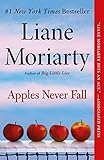
Apples Never Fall | $8.89 | Buy on Amazon |
| 2 |

|
Apples and Pumpkins | $7.99 | Buy on Amazon |
| 3 |

|
Apple vs. Pumpkin: The Battle for the Best Fall Treat Is On! | $5.87 | Buy on Amazon |
| 4 |

|
Christmas at Holly Lodge | Buy on Amazon | |
| 5 |

|
H.M. The Queen: A Remarkable Life | Buy on Amazon |
For audiences drawn to prestige television, this collaboration signals a certain level of craft and intention. Neill and Bening bring with them a legacy of thoughtful, adult storytelling, elevating Apples Never Fall beyond a conventional adaptation into a character-driven drama with real emotional stakes. Their partnership doesn’t just enhance the series; it reassures viewers they’re in the hands of performers who understand exactly how much restraint, trust, and generosity great television acting requires.
Inside Apples Never Fall: Setting the Stage for a Complex On-Screen Marriage
From its opening moments, Apples Never Fall makes it clear that Joy and Stan Delaney’s marriage is not a narrative accessory but the engine driving every emotional turn. The series treats their decades-long partnership as a living thing, shaped by shared ambition, parental expectations, and quiet compromises that have calcified over time. That foundation allows the mystery at the heart of the show to feel intimate rather than sensational.
#1 Best Overall
Joy and Stan Delaney as Emotional Architecture
Annette Bening’s Joy is written as both formidable and elusive, a woman whose strength has been honed by years of sacrifice and self-containment. Sam Neill meets her with a Stan who is outwardly genial yet inwardly rigid, a man accustomed to control and reluctant to examine its cost. Neill has praised Bening’s ability to suggest entire emotional histories with a look or a pause, a skill that gives their marriage an almost archaeological depth.
Their scenes together rarely rely on overt confrontation. Instead, tension surfaces through small gestures, withheld responses, and the sense that both characters know exactly where the other is most vulnerable. It’s in those restrained exchanges that Neill’s admiration for Bening’s precision becomes most evident, as the actors trust silence as much as dialogue.
A Collaboration Built on Trust and Restraint
What elevates the pairing is a shared understanding of tone. Neill and Bening resist the temptation to dramatize the marriage in obvious ways, allowing discomfort and ambiguity to linger. That choice aligns perfectly with the series’ broader approach, where emotional truth takes precedence over tidy explanations.
For viewers, the result is a marriage that feels unsettlingly real. Neill’s respect for Bening’s craft translates into a performance that listens as much as it asserts, creating a dynamic where power shifts subtly from scene to scene. It’s this balance that anchors Apples Never Fall, transforming its central relationship into a compelling study of love, resentment, and the long shadows cast by a life built together.
Sam Neill on Annette Bening: Craft, Authority, and Emotional Precision
An Actor Who Commands the Frame Without Dominating It
Sam Neill has spoken with open admiration about Annette Bening’s ability to lead a scene through presence rather than force. In Apples Never Fall, her authority never feels performative; it’s embedded in posture, timing, and the certainty with which Joy Delaney occupies space. Neill has noted that working opposite Bening allows scenes to find their own rhythm, because she never pushes for emphasis that isn’t already earned.
That confidence creates a kind of creative gravity. Neill’s Stan responds instinctively to Joy’s emotional cues, even when the character resists her outright. The result is a dynamic where power is constantly negotiated, not declared, and where Bening’s control sharpens rather than overshadows her co-star’s performance.
Precision Over Performance
What Neill consistently highlights is Bening’s emotional accuracy. She’s an actor who knows exactly how much to give and, just as importantly, when to hold back. In a series built on subtext and long-simmering resentment, that restraint becomes invaluable.
Neill has described her work as meticulously calibrated, with each reaction feeling intentional without ever seeming calculated. Joy’s silences are as revealing as her confrontations, and Neill’s Stan often appears to register those quiet moments more deeply than the overt conflicts. It’s a form of acting that rewards close attention and invites the audience into the emotional math of the marriage.
Recommended Free Tools
Why Their Partnership Grounds the Series
Neill’s praise ultimately reflects how essential Bening is to the show’s tonal balance. Apples Never Fall asks its leads to sell both domestic realism and psychological unease, often within the same scene. Bening’s grounded authority gives the series its emotional credibility, allowing the mystery to unfold without destabilizing the characters’ inner lives.
Rank #2
For Neill, that kind of collaborator elevates everyone around her. His performance becomes more reactive, more attuned, shaped by the trust that Bening will always land exactly where the scene needs to go. It’s a partnership that resonates with audiences because it feels lived-in and exacting, the product of two veteran actors meeting on equal footing and choosing precision over spectacle.
Chemistry Built on Trust: How Neill and Bening Shaped Their Characters Together
What ultimately binds Stan and Joy together on screen is a shared trust between the actors portraying them. Neill has spoken about how quickly that trust formed with Bening, rooted in a mutual understanding of craft rather than overt discussion. Their scenes feel less like performances being executed and more like behavior unfolding, shaped by instinct and long-earned confidence.
Rather than negotiating moments line by line, Neill and Bening allowed the characters’ history to do the work. Years of marriage, disappointment, and shared memory are baked into the way they stand across from one another, often communicated through stillness instead of speech. That restraint only works because both actors know the other will honor it.
Listening as Performance
Neill frequently points to Bening’s listening as the secret weapon of their chemistry. Even when Joy isn’t speaking, she’s actively shaping the scene, adjusting its temperature with a look or a pause. That responsiveness gives Neill space to play Stan’s defensiveness and fragility without over-explaining either.
The exchange becomes conversational in the truest sense, with energy passing back and forth rather than being pushed. Neill’s performance sharpens because he’s reacting to something alive, not hitting preplanned beats. For audiences, it reads as authenticity, the sense that these two people are genuinely affecting one another in real time.
Shaping the Marriage From the Inside Out
Their collaboration also extended to how the marriage itself was defined. Neill has praised Bening for her clarity about Joy’s inner life, which in turn helped him calibrate Stan’s emotional blind spots. Together, they located the fault lines of the relationship, deciding where affection still lingers and where resentment has hardened.
That shared authorship gives Apples Never Fall its emotional backbone. The mystery may drive the plot, but it’s the credibility of this marriage that holds the tension. Neill and Bening don’t just play scenes together; they build a shared emotional architecture, one grounded in trust, experience, and a mutual refusal to overstate what the story already understands.
PC Slower Than It Used to Be?
A free scan shows the junk files, broken settings and background clutter dragging Windows down - then fixes them in one click.Free scan · Windows 10 & 11Outdated Drivers Are Slowing You Down
One free scan finds every outdated or missing driver and matches the right update for your exact hardware.Free scan · exact hardware matchElevating the Series: How Bening’s Performance Anchors the Ensemble
What ultimately elevates Apples Never Fall beyond a standard domestic mystery is the way Annette Bening centers every relationship around her. As Joy Delaney, she becomes the emotional gravity of the series, a presence that quietly organizes the ensemble without dominating it. Sam Neill has been clear that her work creates the conditions for everyone else to succeed, calling her performance both precise and generous in how it opens space for others.
Bening’s Joy is written as a character full of contradictions, and her performance embraces that complexity rather than smoothing it out. She can be brittle and warm in the same breath, withholding and inviting at once. That tension gives the show its emotional texture, ensuring that every interaction feels layered rather than plot-driven.
A Performance That Sets the Tone
Neill has noted that Bening establishes the show’s rhythm early, grounding scenes in emotional truth even as the narrative moves toward darker territory. Her control over tone allows Apples Never Fall to shift between family drama and psychological suspense without losing coherence. When Joy enters a scene, the stakes feel clarified, not heightened artificially but deepened.
This tonal authority ripples outward to the rest of the cast. Younger characters, in particular, benefit from playing opposite someone whose choices are so clearly motivated. Bening doesn’t signal emotions; she lets them surface organically, inviting more nuanced responses from everyone around her.
Quick wins for a faster PC:
Fix the driver behind crashes, sound loss and screen glitchesFind Drivers →Repair Windows errors before they cause bigger problemsFix Now →Generosity as an Ensemble Skill
What Neill repeatedly praises is Bening’s generosity, not just in spirit but in craft. She understands when to lead a scene and when to recede, allowing others to land moments without competition. That balance is crucial in an ensemble story, where credibility depends on the sense that no single performance is fighting for attention.
The result is a cast that feels unified rather than assembled. Bening’s steadiness gives the ensemble permission to play honestly, knowing the emotional throughline is secure. For viewers, that cohesion registers as confidence, the feeling that Apples Never Fall knows exactly what story it’s telling and trusts its actors to tell it together.
Why Audiences Respond
Audiences respond to Bening’s work because it feels lived-in, not performed for effect. Her Joy invites empathy even when she’s difficult, and that ambiguity mirrors the way real families function. Neill has suggested that this authenticity is what keeps viewers engaged, long after the mystery mechanics fade into the background.
By anchoring the ensemble with such clarity and restraint, Bening transforms Apples Never Fall into something more intimate and enduring. The series doesn’t ask viewers to solve a puzzle so much as to sit with a family in all its messiness. That invitation works because Bening makes it feel both specific and universal, a rare balance that defines the show’s lasting impact.
Behind the Scenes: Creative Conversations, Rehearsals, and Shared History
Off camera, Sam Neill has been just as vocal about Annette Bening’s impact on Apples Never Fall as he is onscreen. He’s described their collaboration as a meeting of instincts rather than egos, shaped by years of accumulated craft and an unspoken respect for process. That ease, he suggests, allowed their scenes to feel less like performances and more like lived exchanges.
For Neill, working opposite Bening meant entering each day prepared to listen as much as act. He has noted that she arrives with clear ideas but remains open to discovery, a balance that keeps scenes alive rather than locked. That openness became a quiet engine for the show’s emotional realism.
Rehearsals as Exploration, Not Correction
Rather than using rehearsals to lock down choices, Neill and Bening approached them as opportunities to test emotional temperatures. Small shifts in posture or pacing were discussed, not dictated, creating a shared language before cameras rolled. According to Neill, this allowed their characters’ long marriage to register in subtext rather than exposition.
Rank #4
Those rehearsals also established trust. When shooting grew intense, particularly in scenes of marital fracture, both actors knew they could push further without destabilizing the scene. The confidence that comes from that preparation is visible in the show’s quietest moments, where silence does much of the work.
The Tool Desk
Outbyte PC Repair FREERepair Windows errors before they cause bigger problemsFix Now →Outbyte Driver Updater FREEScan for outdated or missing drivers - takes under a minuteDriver Scan →Two Careers, One Creative Wavelength
Neill has acknowledged that their shared history as veteran performers played a crucial role. While they hadn’t worked extensively together before, each came in aware of the other’s reputation for discipline and intelligence. That mutual understanding removed the need for posturing and let them engage as equals from the start.
Their conversations often stretched beyond the script, touching on how long-term relationships evolve and the private negotiations that happen inside families. These discussions fed directly into their performances, grounding the Delaney marriage in recognizable rhythms. It’s a collaboration shaped by experience, not nostalgia.
How Collaboration Translates Onscreen
What ultimately resonates with audiences is how seamless that partnership feels. Neill credits Bening with setting a tone that made complexity feel safe, allowing contradictions to coexist without explanation. Their dynamic anchors the series, giving its mystery a human core that feels earned rather than engineered.
In Apples Never Fall, the strength of their collaboration isn’t announced; it’s absorbed. The series benefits from two actors who trust each other enough to underplay, to pause, and to let history speak for itself. That restraint, born behind the scenes, is what lingers long after each episode ends.
Free tools Windows power users keep installed
One-click scans. No signup required.
Audience Response and Critical Reception: Why Viewers Are Responding to Their Dynamic
From its debut, Apples Never Fall sparked conversation not just for its central mystery, but for the quiet authority of its performances. Viewers have gravitated toward the Delaneys as a couple because they feel lived-in rather than constructed, a response that speaks directly to the trust and restraint Neill and Bening bring to the screen. Their scenes invite attention without demanding it, rewarding audiences who lean in.
Critics have echoed that reaction, frequently citing the pair as the series’ emotional compass. Reviews note how the show’s tension doesn’t hinge solely on plot twists, but on the shifting power and affection within their marriage. That balance, difficult to achieve in a limited series format, has been credited to the actors’ ability to suggest years of compromise and conflict in a single exchange.
A Performance That Feels Recognizable
Much of the audience response centers on recognition. Viewers see in Neill and Bening a portrayal of marriage that accounts for time, disappointment, loyalty, and unresolved love without spelling any of it out. Social media discussions and fan commentary frequently highlight moments where nothing “happens” on paper, yet everything feels emotionally loaded.
Neill has openly praised Bening for this precision, noting how her choices sharpened his own performance. That reciprocal sharpening is evident onscreen, where reactions matter as much as dialogue. For audiences accustomed to more declarative television acting, the subtlety reads as refreshing and deeply human.
Do these 3 things before closing this tab:
1Clear out junk files and repair common Windows errors2Scan for outdated or missing drivers - takes under a minute3Repair Windows errors before they cause bigger problemsBest Value
Critical Praise for Restraint and Maturity
Industry critics have framed their collaboration as a masterclass in mature screen acting. Rather than pushing for dominance within scenes, Neill and Bening allow emotional authority to pass fluidly between them. This approach has been singled out as one of the reasons Apples Never Fall rises above standard domestic thrillers.
The restraint also aligns with contemporary viewing habits, where audiences are increasingly drawn to character-driven storytelling. By trusting viewers to interpret silence and subtext, the series builds credibility. Neill’s admiration for Bening’s intelligence and fearlessness reinforces that this was a partnership built on respect, not competition.
Why Their Dynamic Elevates the Series
Ultimately, the reception reflects how central their dynamic is to the show’s success. Even as the narrative widens to include family tensions and unanswered questions, the Delaney marriage remains the axis around which everything turns. Neill and Bening give the story weight, making the mystery feel personal rather than procedural.
That grounding effect explains why audiences stay engaged beyond the plot mechanics. Their collaboration offers something rarer than suspense: emotional truth shaped by experience. In Apples Never Fall, viewers aren’t just watching what happens to this couple; they’re feeling the history that made it inevitable.
What’s actually slowing this PC down?
Pick the symptom - the matching free tool is one click away.
Legacy and Impact: What This Collaboration Adds to Neill and Bening’s Storied Careers
For performers with resumes as rich as Sam Neill and Annette Bening, legacy is often about discernment. Apples Never Fall feels like a deliberate choice rather than a career detour, a project that values emotional acuity over spectacle. Their collaboration reads as a statement about where prestige television is most alive right now: in performances that trust age, craft, and lived-in complexity.
A Late-Career Collaboration That Feels Essential
Neill has spoken with clear admiration about Bening’s precision and courage, and that respect frames the entire partnership. This isn’t two icons coasting on reputation; it’s two actors actively challenging each other to strip scenes down to their most honest components. The result feels essential to both careers, adding depth rather than merely another credit.
For Bening, the role reinforces her long-standing interest in women whose inner lives resist easy categorization. For Neill, it extends a recent run of television work that prioritizes psychological realism over overt heroics. Together, they demonstrate how late-career performances can feel quietly radical.
Redefining Prestige Through Restraint
What Apples Never Fall gains from this pairing is a recalibration of what prestige acting can look like. Neill and Bening avoid grand declarations, opting instead for emotional accuracy that unfolds gradually. That restraint has been widely cited as the series’ distinguishing feature, separating it from more conventional mystery-driven dramas.
Their work suggests that influence doesn’t always come from scene-stealing moments. Sometimes it arrives through consistency, patience, and trust in a partner’s instincts. Neill’s praise of Bening underscores that philosophy, positioning their collaboration as a shared achievement rather than an individual showcase.
Why This Partnership Will Be Remembered
In the broader context of their careers, Apples Never Fall may stand as a touchstone for how seasoned actors can elevate serialized storytelling. It’s a reminder that experience, when paired with curiosity, can produce performances that resonate across generations of viewers. Fans respond not because the characters are admirable, but because they’re recognizable.
Ultimately, this collaboration adds a meaningful chapter to both legacies. Neill and Bening don’t just anchor the series; they redefine its emotional language. In doing so, they leave audiences with something lasting: a portrait of intimacy shaped by time, rendered with empathy, and carried by two actors at the height of their powers.
Quick Recap
Product prices and availability are accurate as of the date/time indicated and are subject to change. Any price and availability information displayed on Amazon at the time of purchase will apply.
Free tools Windows power users keep installed
One-click scans. No signup required.




