Free tools Windows power users keep installed
One-click scans. No signup required.
Once dismissed as an expensive enigma riding the coattails of the Alien name, Prometheus has quietly become one of the most-watched legacy sci-fi titles across major streaming platforms. A decade after its theatrical run sparked debates about myth-making, plot logic, and franchise identity, Ridley Scott’s ambitious prequel is suddenly finding an audience eager to linger in its mysteries rather than litigate them. What once played like a box office curiosity now reads as a slow-burn event movie, ideally suited to the on-demand era.
Part of the resurgence comes down to context. Viewed outside the pressure-cooker expectations of a summer release and long before the franchise course-corrected with Alien: Covenant, Prometheus plays less like a failed Alien movie and more like a provocative standalone meditation on creation, faith, and human arrogance. Streaming audiences, unburdened by the need for immediate answers, seem more willing to engage with its mood-driven storytelling and philosophical detours.
| # | Preview | Product | Price | |
|---|---|---|---|---|
| 1 |

|
Prometheus | $18.49 | Buy on Amazon |
| 2 |

|
Prometheus (Blu-ray 3D/ Blu-ray/ DVD/ Digital Copy) | $20.70 | Buy on Amazon |
| 3 |
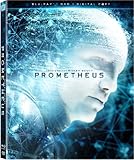
|
Prometheus (Blu-ray/ DVD + Digital Copy) | $19.83 | Buy on Amazon |
| 4 |
![Prometheus [Blu-ray]](https://m.media-amazon.com/images/I/51ysI7zBn8L._SL160_.jpg)
|
Prometheus [Blu-ray] | $18.83 | Buy on Amazon |
| 5 |
![Prometheus (Blu-ray + Digital Copy)[Region Free]](https://m.media-amazon.com/images/I/61fOYmi8vmL._SL160_.jpg)
|
Prometheus (Blu-ray + Digital Copy)[Region Free] | $16.84 | Buy on Amazon |
The timing also helps. Renewed interest in the Alien universe, ongoing conversations about auteur-driven blockbuster filmmaking, and a broader cultural appetite for visually daring, idea-heavy science fiction have aligned in Prometheus’ favor. Its streaming success suggests that modern audiences are increasingly open to flawed, ambitious films that reward patience, especially when experienced on their own terms rather than through the expectations of franchise orthodoxy.
The 2012 Shockwave: Hype, Expectations, and the Initial Backlash
If Prometheus feels like a rediscovered artifact today, it’s easy to forget just how intense the anticipation was in the lead-up to its 2012 release. This was Ridley Scott returning to the universe he helped define, armed with a massive budget, cutting-edge visuals, and the promise of answers to long-teased Alien mythology. Marketing leaned hard into mystery, teasing Engineers, existential questions, and the origins of humanity, while carefully avoiding a full admission that this was, functionally, an Alien prequel.
The Tool Desk
Outbyte Driver Updater FREEScan for outdated or missing drivers - takes under a minuteDriver Scan →Outbyte PC Repair FREEClear out junk files and repair common Windows errorsFree Scan →#1 Best Overall
- Story details are being closely guarded, but Ridley Scott explained the outlines of the film and its genesis as follows: 'While Alien was indeed the jumping off point for this project, out of the creative process evolved a new, grand mythology and universe in which this original story takes place. The keen fan will recognize strands of Alien's DNA, so to speak, but the ideas tackled in this film a
That framing proved combustible. Audiences walked into theaters primed for revelation, coherence, and a clean mythological throughline, and what they got instead was something far stranger and more elliptical.
The Weight of Franchise Expectation
For longtime Alien fans, Prometheus arrived carrying decades of accumulated desire. Viewers expected connective tissue, lore clarification, and a film that would slot neatly into the established timeline without friction. Instead, Scott delivered a story that seemed more interested in cosmic indifference than franchise housekeeping, leaving major questions dangling and familiar iconography only partially explained.
The sense of betrayal was immediate for some. Prometheus wasn’t the Alien movie many wanted, and in 2012, that distinction mattered more than its ambition.
Big Ideas, Bigger Arguments
The backlash wasn’t just about unmet expectations; it was also about execution. Critics and audiences zeroed in on character decisions that felt illogical, narrative threads that appeared underdeveloped, and a script that prioritized thematic weight over procedural clarity. Online discourse quickly hardened around lists of perceived “plot holes,” reducing a dense, symbol-heavy film into a referendum on common sense in sci-fi storytelling.
Quick wins for a faster PC:
Repair Windows errors before they cause bigger problemsFix Now →Fix the driver behind crashes, sound loss and screen glitchesFind Drivers →At the same time, others praised its audacity, visual grandeur, and willingness to ask uncomfortable questions about creators and creations. That split would define Prometheus’ reputation for years, with conversation often louder than consensus.
A Summer Blockbuster Out of Step With Its Moment
Context mattered. Prometheus debuted in a blockbuster landscape dominated by clean, crowd-pleasing spectacle and tightly engineered franchise installments. Audiences trained by the Marvel model were conditioned to expect narrative efficiency, quippy relief, and post-credit clarity, not brooding silence or philosophical ambiguity.
Seen in that light, Prometheus didn’t just divide viewers; it felt out of phase with its era. Its pacing, seriousness, and refusal to reassure the audience played like a challenge rather than an invitation, especially on opening weekend.
From Event Film to Cultural Rorschach Test
In the weeks after release, Prometheus became less a movie than a debate. Was it a masterpiece misunderstood, or an overreaching misfire hiding behind pretty imagery? Box office numbers were solid but unspectacular, and word-of-mouth proved volatile, swinging wildly depending on what viewers expected going in.
That volatility planted the seeds for its long-term reassessment. Prometheus may have stumbled as a four-quadrant event film, but its ability to provoke, frustrate, and linger ensured it would never be forgotten, even when consensus turned against it.
Ambition Over Comfort: How ‘Prometheus’ Defied Traditional Franchise Logic
Ridley Scott didn’t return to the Alien universe to deliver reassurance. Instead of nostalgia-driven beats or familiar creature mechanics, Prometheus positioned itself as a philosophical detour, one that treated franchise iconography as a launching pad rather than a destination. That decision, more than any individual plot point, defined both its initial rejection and its long-term intrigue.
Where most legacy entries aim to stabilize a brand, Prometheus destabilized it. Scott and co-writer Damon Lindelof chose to interrogate the mythos itself, asking not how the Alien hunts, but why humanity creates monsters in the first place.
A Prequel That Refused to Explain Itself
Traditional franchise logic rewards clarity. Origins are mapped, mysteries are solved, and connective tissue is reinforced to strengthen canon. Prometheus did the opposite, introducing the Engineers only to complicate the mythology further, offering fragments instead of answers.
Outdated Drivers Are Slowing You Down
One free scan finds every outdated or missing driver and matches the right update for your exact hardware.Free scan · exact hardware matchWindows Errors? Fix Them Before They Spread
Repair common Windows errors and clear accumulated junk for a smoother, more stable PC - no reinstall needed.Free scan · no reinstallAt the time, that felt like a provocation. In hindsight, it plays more like confidence. The film assumes its audience is willing to sit with uncertainty, an expectation that clashed with theatrical norms but aligns perfectly with modern streaming habits.
Rank #2
- Factory sealed DVD
Philosophy Over Fan Service
Prometheus rarely pauses to wink at Alien fans. There’s no comfort in recognition, no crowd-pleasing escalation toward a familiar final act. Instead, Scott fills the frame with cold symmetry, religious symbolism, and existential dread, treating the sci-fi setting as a vehicle for cosmic horror rather than franchise maintenance.
That emphasis made the film feel austere on release, especially compared to the muscular simplicity of Alien or the action-forward Aliens. Yet it’s precisely this refusal to indulge fan service that has allowed Prometheus to age into something more singular.
Streaming Changes the Contract
The streaming resurgence of Prometheus highlights how much audience expectations have shifted. Viewers discovering or revisiting the film at home are no longer measuring it against opening-weekend hype or franchise obligation. They’re engaging with it as a self-contained experience, often after years of exposure to slower, more ambiguous genre storytelling on television.
In that environment, Prometheus feels less like an outlier and more like a precursor. Its deliberate pacing, unresolved themes, and emphasis on mood over momentum resemble prestige sci-fi more than blockbuster cinema.
A Franchise Entry Willing to Risk Alienation
Few major studio prequels are willing to risk alienating their core audience. Prometheus embraced that risk, prioritizing authorial voice over brand comfort. Scott treated the Alien universe not as sacred ground but as raw material, reshaping it around his obsessions with creation, faith, and human insignificance.
That gamble cost the film immediate consensus, but it also ensured longevity. As streaming audiences gravitate toward bold, uncompromising genre work, Prometheus is no longer being judged for what it isn’t. It’s being revisited for what it dared to be.
Themes That Aged Well: Creation, Faith, and Humanity’s Dangerous Curiosity
If Prometheus feels newly resonant today, it’s largely because its central ideas have aged better than its reputation. Ridley Scott wasn’t interested in tidy mythology or clear-cut origins. He was interrogating why humanity is so desperate for answers, even when those answers might annihilate us.
Do these 3 things before closing this tab:
1Scan for outdated or missing drivers - takes under a minute2Repair Windows errors before they cause bigger problems3Fix the driver behind crashes, sound loss and screen glitchesCreation Without Comfort
At its core, Prometheus is about creators who abandon their creations. The Engineers are not benevolent gods but distant, indifferent architects, reflecting a deeply unsettling view of origin stories. That ambiguity frustrated audiences expecting lore, but it aligns with a modern skepticism toward grand, reassuring narratives.
In an era shaped by AI debates, biotech fears, and existential uncertainty, the film’s portrayal of creation as a cold, transactional act feels uncomfortably relevant. The question isn’t where we came from, but whether our makers ever cared what happened next.
Faith Tested by Indifference
No character embodies the film’s thematic tension more than Elizabeth Shaw. Her faith isn’t rewarded, validated, or even acknowledged by the universe she’s exploring. Instead, Prometheus presents belief as something profoundly personal, maintained not because the cosmos makes sense, but because it doesn’t.
That refusal to resolve faith into either triumph or foolishness has aged well in a media landscape more comfortable with spiritual ambiguity. Shaw’s quiet insistence on belief feels less naïve now and more defiant, especially compared to genre heroes who demand clear moral math from the universe.
What’s actually slowing this PC down?
Pick the symptom - the matching free tool is one click away.
Curiosity as a Fatal Human Trait
Prometheus argues that humanity’s defining quality isn’t intelligence or ambition, but reckless curiosity. The crew repeatedly pushes forward not because it’s safe, but because not knowing is intolerable. Their downfall isn’t stupidity so much as a deeply human refusal to stop asking questions.
This theme resonates strongly with contemporary audiences accustomed to stories about technological overreach and unintended consequences. In hindsight, Prometheus plays less like a cautionary tale and more like a diagnosis, suggesting that destruction isn’t a bug in human progress. It’s often the feature that drives it.
Rank #3
- Blu-ray
- Blu-ray, AC-3, Color
- English (Subtitled), French (Subtitled), Spanish (Subtitled)
- 2
- 248
Rewatch Culture and the Streaming Effect: Why ‘Prometheus’ Plays Better at Home
Prometheus is not a film that reveals itself easily on first viewing, and that quality hurt it in a theatrical environment primed for immediate payoff. In 2012, audiences arrived expecting a crowd-pleasing Alien prequel with clean answers and familiar rhythms. What they got instead was a dense, introspective sci-fi film that demanded patience, reflection, and tolerance for ambiguity.
Streaming has changed the terms of that encounter. At home, Prometheus is no longer competing with opening-weekend expectations or collective audience reactions. It exists as a self-contained experience, one that viewers can pause, rewind, and revisit without the pressure of instant judgment.
The Rise of Rewatch-Friendly Sci-Fi
Modern streaming culture rewards films that improve with repetition. Movies once criticized for being “confusing” or “cold” often thrive when audiences can rewatch them on their own terms, free from the noise of initial reception. Prometheus fits neatly into that category, offering visual storytelling and thematic layering that benefits from familiarity.
Details that felt obscure in theaters now read as deliberate. Character choices that once sparked frustration play differently when viewers recognize the film’s larger philosophical intent. The ability to revisit scenes transforms Prometheus from a puzzle that refuses to solve itself into one that invites interpretation.
Lower Expectations, Deeper Engagement
Streaming audiences approach Prometheus with fewer assumptions than its original theatrical crowd. Many viewers discover it now without the weight of Alien franchise expectations or years of pre-release hype. Instead of asking what the film owes the series, they’re more open to what it’s trying to say.
That shift in mindset is crucial. When Prometheus is watched as a standalone work of speculative science fiction rather than a delivery system for lore, its pacing, tone, and unresolved questions feel intentional rather than evasive. The film’s refusal to comfort becomes a feature, not a flaw.
Atmosphere Over Adrenaline
At home, Prometheus also benefits from a more intimate viewing environment. Ridley Scott’s emphasis on scale, silence, and dread lands differently without the distractions of a packed theater. The film’s long stretches of quiet exploration and ominous discovery feel meditative rather than slow.
Streaming allows viewers to sink into the film’s atmosphere, appreciating its production design, score, and visual symbolism without the pressure of constant momentum. In this context, Prometheus resembles a cinematic mood piece as much as a narrative-driven thriller, aligning it with contemporary tastes for immersive, tone-forward storytelling.
A Film Built for the Algorithm Age
Ironically, Prometheus feels more at home in today’s content ecosystem than in the blockbuster landscape it debuted in. Algorithms favor films that provoke discussion, disagreement, and analysis, and few studio sci-fi releases generate as much ongoing debate. Each new wave of viewers brings fresh takes, reigniting conversations that never fully died.
Its resurgence as a streaming hit suggests that ambitious, divisive science fiction has a longer shelf life than opening weekend numbers imply. Prometheus didn’t fail to find its audience. It simply arrived before that audience knew how to watch it.
Context Is Everything: How Later ‘Alien’ Films and Modern Sci‑Fi Reframed Its Reputation
Time has a way of softening hard judgments, especially in long-running franchises. In the years since Prometheus first puzzled and polarized audiences, the Alien series itself has continued, and not always in ways that clarified its mythology or satisfied fans. That evolving context has quietly altered how Prometheus is viewed within the larger canon.
After ‘Covenant,’ Prometheus Feels Bolder
Alien: Covenant retroactively reshaped the conversation around Prometheus. Where Scott’s follow-up narrowed its focus toward familiar monsters and more conventional horror beats, Prometheus now stands out as the more daring, philosophically ambitious entry. Its unanswered questions and spiritual unease feel less like narrative missteps and more like deliberate provocations by comparison.
For some viewers, Covenant’s course correction validated what Prometheus attempted rather than undermined it. The earlier film’s restraint, ambiguity, and refusal to explain everything now read as confidence, not confusion. In hindsight, Prometheus looks like the prequel that took the biggest risks, even if it paid the price for doing so first.
Rank #4
- Blu-ray
- NTSC, Widescreen
- English (Published), English (Subtitled), French (Subtitled)
- 1
- 248
The Rise of Thoughtful, Ambiguous Sci‑Fi
Prometheus also benefits from a broader shift in mainstream science fiction. Films like Arrival, Annihilation, Ex Machina, and Blade Runner 2049 have trained audiences to expect mood-driven narratives, unresolved endings, and ideas that linger longer than their plots. What once felt frustrating now feels familiar.
Recommended Free Tools
Modern sci‑fi has increasingly embraced discomfort and uncertainty as core features. Prometheus fits neatly into that lineage, prioritizing existential dread and philosophical inquiry over clean answers. Its themes of creation, faith, and human insignificance resonate more strongly in a genre landscape that values introspection as much as spectacle.
A Prequel That Aged Into Its Questions
Cultural context matters too. Prometheus arrived during an era dominated by tightly interconnected franchises and rigid canon management. Today’s audiences, accustomed to multiverses, reboots, and competing timelines, are far more comfortable with stories that challenge or complicate established lore.
Seen through that lens, Prometheus no longer feels like a misaligned Alien film but a bridge between classic sci‑fi traditions and modern sensibilities. Its willingness to destabilize a beloved universe rather than preserve it now feels forward-looking. The film didn’t change, but the genre around it did, and that shift has allowed Prometheus to finally be seen on its own terms.
Ridley Scott’s Grand Design: Auteur Science Fiction in an IP‑Driven Era
Prometheus now reads as a deeply personal Ridley Scott film released at a moment when franchise filmmaking was moving in the opposite direction. Rather than reinforcing Alien mythology or delivering familiar beats, Scott used the prequel framework as a vehicle for big, uncomfortable ideas. In an era increasingly defined by brand consistency, Prometheus was driven by authorial curiosity.
World-Building Over Mythology Management
Scott approached Prometheus less as a puzzle-box prequel and more as a philosophical thought experiment set inside an existing universe. The Engineers, the film’s unsettling creation myth, were never designed to neatly slot into Alien canon. They exist to provoke questions about origin, purpose, and humanity’s relationship to its creators.
That choice frustrated audiences expecting lore clarity but aligns with Scott’s long-standing fascination with artificial life and divine indifference. From Blade Runner to Kingdom of Heaven, his films often prioritize thematic cohesion over narrative tidiness. Prometheus follows that tradition, even when it clashes with franchise expectations.
An Auteur Voice in a Corporate Landscape
The film’s initial backlash reflected a larger tension between auteur-driven cinema and IP stewardship. Studio franchises are typically engineered to minimize ambiguity, reward fan literacy, and protect future installments. Prometheus instead invites interpretation, disagreement, and unresolved tension, qualities that rarely play well in opening-weekend discourse.
Streaming has softened that friction. Freed from box office pressure and fan gatekeeping, Prometheus can now be experienced as a self-contained vision. Viewers discovering it today are more likely to engage with its ideas than litigate its continuity errors.
Why Scott’s Ambition Connects Now
The film’s renewed popularity suggests a growing appetite for big-budget science fiction that takes intellectual risks. Audiences navigating algorithm-driven content libraries often gravitate toward films that feel singular and purposeful. Prometheus stands out precisely because it doesn’t feel engineered by committee.
Its streaming success underscores the enduring appeal of filmmakers willing to challenge their audience. Prometheus may never be universally loved, but its willingness to ask cosmic questions without guaranteeing answers has become its greatest strength. In a landscape saturated with safe expansions, Scott’s grand design feels radical again.
Independent reader supportYour contribution helps us test, update, and keep practical guides available for everyone.Audience Tastes Have Changed: From Plot Holes to Philosophical Provocation
When Prometheus debuted in 2012, it arrived at the height of online nitpicking culture. Message boards and early social media fixated on character logic, unanswered questions, and perceived “plot holes,” often flattening the film into a checklist of supposed mistakes. The conversation rewarded gotcha criticism over thematic engagement, especially for blockbuster releases carrying franchise expectations.
A decade later, the way audiences watch and discuss movies has shifted. Streaming culture favors immersion over immediacy, rewatches over opening-week verdicts. Prometheus benefits from that slower digestion, where its questions linger rather than demand instant resolution.
Quick wins for a faster PC:
Scan for outdated or missing drivers - takes under a minuteDriver Scan →Clear out junk files and repair common Windows errorsFree Scan →Fix the driver behind crashes, sound loss and screen glitchesFind Drivers →From CinemaSins to Long-Form Sci-Fi Thinking
The rise of prestige television and dense genre storytelling has retrained audiences to tolerate, even enjoy, ambiguity. Shows like Westworld, Raised by Wolves, and Dark conditioned viewers to see confusion as an invitation rather than a failure. In that environment, Prometheus reads less like a broken Alien prequel and more like an existential sci-fi novel translated to screen.
The film’s obsession with creators, creations, and the indifference of gods feels aligned with modern genre sensibilities. Its unanswered questions now resemble thematic restraint instead of narrative negligence. What once felt frustrating increasingly feels deliberate.
Philosophy Over Lore Compliance
Modern audiences are also less rigid about canon purity. Years of multiverse storytelling, soft reboots, and contradictory timelines have loosened the expectation that every franchise entry must perfectly interlock. Prometheus thrives under that flexibility, especially when viewed as a philosophical cousin to Alien rather than a direct schematic.
The Engineers’ opacity, David’s moral ambiguity, and the film’s bleak view of humanity resonate more strongly in an era marked by distrust in institutions and anxiety about technological progress. These elements speak to contemporary fears in ways a cleaner origin story might not.
Recommended Free Tools
Rewatch Value in the Streaming Era
Prometheus has quietly become a film people revisit rather than merely sample. Its imagery rewards repeat viewing, and its themes invite interpretation rather than closure. Streaming allows the movie to function as a mood piece, something absorbed late at night rather than dissected in real time on release weekend.
That rewatchability is key to its current popularity. As audience tastes tilt toward atmospheric, idea-driven science fiction, Prometheus feels less like an outlier and more like a precursor. The film hasn’t changed, but the audience watching it has, and that shift has finally given Scott’s ambitious provocation room to breathe.
The Legacy Question: What ‘Prometheus’ Now Represents for the Future of Big‑Budget Sci‑Fi
The renewed interest in Prometheus invites a larger question than whether the film was misunderstood. It asks what kind of ambition modern audiences are actually willing to embrace, especially when big‑budget science fiction risks discomfort instead of comfort. In its streaming afterlife, the film has become a case study in how time, context, and viewing habits can radically alter a blockbuster’s cultural meaning.
A Franchise Film That Refused to Behave
Prometheus now stands as a reminder of how rare it is for a studio-backed sci‑fi film to actively resist fan service. Rather than delivering clean answers or mythological tidiness, Ridley Scott leaned into ambiguity, theology, and existential dread. That refusal to behave like a conventional prequel may have cost the film goodwill in 2012, but it’s precisely what gives it staying power today.
Crashes, No Sound, or Screen Glitches?
Random freezes, missing sound and display glitches usually trace back to one bad driver. Find and replace yours safely.Free scan · under a minuteWindows Errors? Fix Them Before They Spread
Repair common Windows errors and clear accumulated junk for a smoother, more stable PC - no reinstall needed.Free scan · no reinstallIn an era when franchise entries are often designed to reassure audiences, Prometheus feels almost confrontational by comparison. It treats humanity as small, expendable, and deeply flawed, and it never softens that stance. For viewers exhausted by narrative safety nets, that severity now reads as integrity.
The Streaming Era’s Redemption Machine
Streaming has become an unlikely redemption engine for films that arrived before audiences were ready. Prometheus benefits from being decoupled from opening-weekend expectations and internet pile-ons. Watched at home, without the pressure of answering decades of Alien lore, the film functions more like speculative literature than franchise product.
Its success on streaming platforms suggests that audiences are increasingly open to large-scale science fiction that prioritizes ideas over immediacy. Viewers can pause, revisit, and reflect, engaging with the film on their own terms. That mode of consumption favors movies that linger in the mind rather than resolve cleanly.
A Signal to Studios About Risk and Reward
What Prometheus represents now is not a model to be replicated beat for beat, but a proof of concept. Big‑budget sci‑fi does not have to flatten its themes to survive. There is long-term value in films that challenge, confuse, and even alienate portions of their initial audience, provided the vision is coherent and committed.
The Tool Desk
Outbyte Driver Updater FREEScan for outdated or missing drivers - takes under a minuteDriver Scan →Outbyte PC Repair FREERepair Windows errors before they cause bigger problemsFix Now →The film’s resurgence also complicates how success is measured. Box office numbers once told the whole story, but streaming longevity and cultural reappraisal now matter just as much. Prometheus may never be universally loved, but its endurance suggests that ambition can outlast backlash.
The Enduring Appeal of Unanswered Questions
Ultimately, Prometheus has become emblematic of a kind of science fiction that trusts the audience to sit with uncertainty. Its legacy is not about explaining the Alien universe, but about expanding the emotional and philosophical terrain that blockbuster sci‑fi is allowed to explore. The film argues that creation myths are inherently messy and that knowledge often leads to horror rather than clarity.
As it continues to find new viewers, Prometheus stands as a reminder that cinematic ambition doesn’t always pay off immediately. Sometimes it waits for the culture to catch up. In that sense, its streaming-era revival feels less like a reversal of fortune and more like a delayed transmission finally being received.
Quick Recap
Product prices and availability are accurate as of the date/time indicated and are subject to change. Any price and availability information displayed on Amazon at the time of purchase will apply.




