Quick wins for a faster PC:
Fix the driver behind crashes, sound loss and screen glitchesFind Drivers →Repair Windows errors before they cause bigger problemsFix Now →Scan for outdated or missing drivers - takes under a minuteDriver Scan →Chris Pratt finally put a timeframe to one of Prime Video’s most closely watched action series when he confirmed that The Terminal List Season 2 is targeting a 2026 release window. Speaking during recent press appearances tied to his expanding Amazon slate, Pratt stressed that the series is deep into development but requires a longer runway due to its scale, training demands, and commitment to authenticity. It was the clearest update yet after months of speculation, and it signaled that the show remains a high priority rather than a stalled follow-up.
What makes the confirmation notable is how deliberate the timeline sounds. Pratt framed the wait not as a delay, but as a creative necessity, emphasizing that the team is intent on “getting it right” rather than rushing a second season into production. For Prime Video, that approach mirrors its broader strategy with action franchises: spacing releases to avoid fatigue while ensuring each installment lands as an event rather than content filler.


Why the 2026 Window Signals Confidence, Not Caution
A 2026 release places The Terminal List Season 2 well after the upcoming prequel series, The Terminal List: Dark Wolf, effectively allowing Prime Video to build a connected universe instead of simply delivering a standard sequel. That spacing suggests confidence in long-term audience engagement and gives creator David DiGilio room to expand James Reece’s story without compressing arcs or repeating beats from the first season. For viewers, it also raises expectations that Season 2 will feel bigger, more global, and more psychologically driven.
The timing also intersects with the show’s reputation as an “anti-woke” lightning rod, a label that emerged after its unapologetically hardline portrayal of military culture and moral certainty. Pratt has consistently sidestepped ideological framing, instead describing the series as character-first and grounded in the emotional cost of combat. If anything, the extended development window implies Season 2 will continue leaning into intensity and realism rather than chasing or softening its cultural reputation, which is likely exactly what its core audience is waiting for.
Free tools Windows power users keep installed
One-click scans. No signup required.
#1 Best Overall
Where The Terminal List Left Off: Season 1’s Ending and the Narrative Launchpad for Season 2
Season 1 of The Terminal List concluded not with closure, but with a controlled burn that left its central figure permanently altered. James Reece’s methodical dismantling of the conspiracy behind his team’s deaths ended in personal vindication, but at the cost of any remaining tether to the life he once had. By the finale, Reece had become both executioner and survivor, a man who exposed institutional rot yet could not escape its consequences.
The Price of Vengeance
The final episodes made it clear that Reece’s mission was never just about revenge; it was about reclaiming truth in a system designed to bury it. His actions successfully revealed corruption at the highest levels of defense contracting and government oversight, but they also forced him into permanent exile from normalcy. The season’s closing moments positioned Reece as a ghost within the world he saved, alive but fundamentally unmoored.
Crucially, the show resisted the temptation to frame his journey as triumph. The cost of his campaign was absolute, from the loss of his family to the erosion of his own sense of moral certainty. That ambiguity is central to why the series resonated with its audience and why Season 2 has narrative space to evolve rather than simply escalate.
Survival as the New Conflict
By the end of Season 1, Reece is no longer being hunted by a hidden enemy; he has already dismantled it. That shift reframes the series going forward, moving the conflict inward and outward at the same time. Season 2 is positioned less as a continuation of a revenge plot and more as an exploration of what happens when a weaponized operator is left without a war to fight but cannot return to civilian life.
Do these 3 things before closing this tab:
1Fix the driver behind crashes, sound loss and screen glitches2Repair Windows errors before they cause bigger problems3Scan for outdated or missing drivers - takes under a minuteThis is where the show’s reputation as “anti-woke” often gets oversimplified. The Terminal List’s worldview is rigid not because it rejects nuance, but because it commits fully to portraying a character whose training, trauma, and moral framework are uncompromising. Season 2’s longer development timeline suggests the creative team is leaning into that complexity, examining consequence and psychological fallout rather than simply delivering another checklist of targets.
A Narrative Reset, Not a Reboot
The ending also quietly opened the door to a broader scope. With Reece’s exposure of the conspiracy, the story is no longer confined to a single corrupt pipeline but instead to the ripple effects of its collapse. That gives Season 2 room to expand geographically and thematically, aligning with Prime Video’s decision to build a larger Terminal List universe through Dark Wolf before returning to the flagship series.
Rather than undoing Season 1’s resolution, the next chapter appears designed to interrogate it. James Reece survived his terminal list, but survival itself may be the harsher sentence, and that unresolved tension is the true launchpad for what comes next.
Prime Video’s Strategy Play: Why Amazon Is Doubling Down on The Terminal List Franchise
Amazon’s commitment to The Terminal List goes beyond renewing a successful show; it reflects a broader recalibration of Prime Video’s identity in the action and thriller space. As streaming competition intensifies, Amazon has increasingly prioritized franchises that deliver consistent engagement from clearly defined audiences rather than chasing universal appeal. The Terminal List, with its unapologetically serious tone and military authenticity, fits that strategy precisely.
Windows Errors? Fix Them Before They Spread
Repair common Windows errors and clear accumulated junk for a smoother, more stable PC - no reinstall needed.Free scan · no reinstallCrashes, No Sound, or Screen Glitches?
Random freezes, missing sound and display glitches usually trace back to one bad driver. Find and replace yours safely.Free scan · under a minuteChris Pratt’s recent confirmation that Season 2 is targeting a 2026 release window underscores how deliberately Amazon is treating the property. Rather than rushing production to capitalize on momentum, Prime Video appears willing to invest time and resources to ensure the next chapter sustains credibility with its core audience. In an era where rapid turnarounds often dilute storytelling, the extended timeline signals confidence, not hesitation.
Building a Franchise, Not Just a Season
The decision to launch the prequel series Dark Wolf before Season 2 arrives is central to Amazon’s long-term plan. By expanding the world laterally instead of vertically, Prime Video keeps the brand active while allowing the flagship series to evolve without creative compression. It’s a franchise model closer to prestige cable than binge-era streaming, prioritizing durability over immediacy.
Rank #2
This approach also mitigates one of the biggest risks facing The Terminal List: repetition. Season 1’s revenge structure was definitive by design, and Amazon seems acutely aware that simply escalating body counts would erode the show’s credibility. Letting Season 2 gestate while Dark Wolf fills in thematic and operational backstory gives the franchise room to breathe.
The “Anti-Woke” Label and Audience Alignment
Much of The Terminal List’s cultural conversation has centered on its reputation as “anti-woke,” a label that Prime Video has neither aggressively embraced nor distanced itself from. From Amazon’s perspective, the show’s success demonstrates that there is a sizable audience for politically unfiltered, morally rigid storytelling rooted in military realism. The series doesn’t sermonize, but it also doesn’t dilute its worldview to hedge against backlash.
That positioning has proven commercially effective. The Terminal List consistently performed as a high-retention title, particularly among viewers who feel underserved by more ironic or self-aware action programming. For Prime Video, doubling down isn’t about culture wars; it’s about serving a demographic that shows up reliably and stays engaged.
What the Release Window Signals About Season 2
Pratt’s confirmation that Season 2 is still a measured distance away suggests a recalibration of scale rather than a reset of tone. The delay aligns with reports of expanded scope, deeper psychological focus, and a narrative that grapples with consequence rather than spectacle alone. Amazon appears intent on protecting the series’ credibility, even if that means resisting the pressure for quick returns.
For viewers, the message is clear. Prime Video sees The Terminal List not as a momentary hit, but as a cornerstone action franchise with longevity potential. Season 2’s release window isn’t just a date on the calendar; it’s a statement of intent about how seriously Amazon plans to treat James Reece’s next chapter.
Inside Season 2’s Creative Direction: Source Material, Scope, and How the Story Will Expand
With Season 2 no longer a quick turnaround, the creative team has been clear about why the extra runway matters. The next chapter of The Terminal List isn’t designed as a louder continuation, but a broader one, grounded in a different narrative engine and a more complex emotional framework. Chris Pratt’s confirmation of a later release window aligns with a season that is being built outward rather than upward.
The Tool Desk
Outbyte Driver Updater FREEScan for outdated or missing drivers - takes under a minuteDriver Scan →Outbyte PC Repair FREEClear out junk files and repair common Windows errorsFree Scan →Returning to Jack Carr’s Source Material
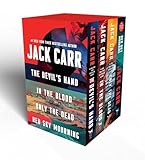
Season 2 will draw primarily from Jack Carr’s second novel, True Believer, which shifts James Reece away from personal vengeance and toward a wider geopolitical threat. Unlike Season 1’s tightly sealed revenge arc, the book introduces international intelligence agencies, proxy conflicts, and ideological adversaries that don’t fit neatly into good-versus-evil binaries. That pivot naturally demands more narrative space and structural patience.
Adapting True Believer also requires a recalibration of pacing. The story trades relentless forward momentum for investigative tension and moral ambiguity, asking Reece to operate as a hunter within a system rather than outside of it. For the series, that represents evolution rather than reinvention.
A Broader Canvas Without Abandoning Intimacy
One of the stated goals for Season 2 is expansion without dilution. The scope widens geographically and politically, but the show remains anchored to Reece’s psychological state and lived-in realism. This isn’t a globe-trotting spectacle for its own sake; it’s about exploring how a man shaped by violence navigates conflicts that lack personal catharsis.
That balance helps explain the longer development timeline Pratt referenced. Building credible international stakes while maintaining the show’s grounded tone requires coordination across locations, military advisors, and story departments. Prime Video appears willing to absorb that cost in exchange for consistency.
What’s actually slowing this PC down?
Pick the symptom - the matching free tool is one click away.
Consequences, Not Just Continuation
Season 2 is also positioned to reckon with the aftermath of Season 1 rather than simply moving past it. Reece’s actions carry weight, and the narrative reportedly leans into the idea that survival doesn’t equal resolution. This thematic focus separates The Terminal List from more disposable action franchises that reset their protagonists with each installment.
It’s a creative choice that aligns with the show’s audience expectations. Viewers drawn to The Terminal List aren’t looking for ironic detachment; they’re looking for cause-and-effect storytelling that treats violence as consequential, not decorative.
How the Release Window Reflects Creative Intent
Pratt’s confirmation that Season 2 remains some distance away reinforces the idea that Amazon is prioritizing durability over immediacy. The additional time allows the writers to map multi-season possibilities, especially as the franchise expands through Dark Wolf and beyond. Rather than rushing James Reece back into action, Prime Video is positioning his return as a structural turning point.
For fans, that means Season 2 will likely feel less like a sequel and more like a second act. The Terminal List isn’t abandoning the elements that made it successful, but it is deliberately widening its field of vision, even if that means asking viewers to wait a little longer for the next deployment.
The ‘Anti-Woke’ Label Explained: Cultural Backlash, Audience Reception, and Media Narratives
As The Terminal List gained traction following its debut, it also inherited a cultural label that quickly became part of its public identity. The term “anti-woke” was applied less by the creators and more by commentators reacting to what the series refused to do: soften its worldview, dilute its politics, or filter military trauma through ironic distance. In a media environment where intent is often inferred rather than stated, the show’s seriousness became its provocation.
Where the Label Came From
The Terminal List doesn’t explicitly campaign against contemporary social movements, but it operates outside many of the storytelling conventions currently associated with prestige television. Its perspective is unapologetically aligned with its protagonist, a Navy SEAL whose moral framework is shaped by service, loss, and institutional betrayal rather than cultural commentary. For some critics, that alignment was interpreted as ideological signaling, even though the series largely avoids topical debate in favor of character-driven conflict.
Much of the backlash stemmed from tone rather than text. The show resists satire, refuses to undercut its action with humor, and treats military culture with a level of gravity that feels increasingly rare. That earnestness, particularly when paired with Chris Pratt’s own public persona, made it an easy target for shorthand labeling.
Audience Response Versus Critical Framing
While critical discourse focused heavily on the show’s perceived politics, audience reception told a more straightforward story. Viewers responded to The Terminal List as a tightly constructed revenge thriller grounded in emotional specificity and procedural detail. Its success on Prime Video was driven by fans of military fiction and action dramas who felt underserved by more self-aware genre offerings.
Recommended Free Tools
That disconnect between critical framing and audience engagement is part of what sustained the “anti-woke” narrative. For supporters, the label became less a critique and more a rallying point, reinforcing the idea that the show was operating outside an industry consensus. Prime Video, notably, leaned into performance metrics rather than discourse, renewing and expanding the franchise based on viewership rather than controversy.
How Season 2 Fits Into the Conversation
Chris Pratt’s confirmation that Season 2 is still in development, with a release window that suggests patience rather than urgency, indirectly addresses the cultural noise surrounding the series. The extended timeline points to a focus on craft and narrative coherence, not reactive course correction. There’s no indication that the creative team is reshaping the show to answer critics or soften its identity.
For viewers, that means Season 2 is unlikely to pivot away from what defined the first installment. The Terminal List isn’t positioning itself as a cultural rebuttal, but it also isn’t retreating from its perspective. Instead, Prime Video appears content to let the series exist as it is, trusting that a clearly defined audience and a deliberate release strategy will matter more than the labels attached along the way.
Chris Pratt’s Growing Franchise Role: Star Power, Executive Influence, and Action-Hero Branding
Chris Pratt’s involvement in The Terminal List extends well beyond leading-man duties, positioning him as a central architect of the franchise’s identity and longevity. As both star and executive producer, Pratt has increasingly shaped the show’s tone, pacing, and long-term ambitions, aligning it with a brand of action storytelling that favors sincerity over irony. That dual role helps explain why Season 2 is arriving on a deliberate timeline rather than being rushed to capitalize on controversy or momentum.
Pratt recently confirmed that Season 2 is targeting a 2026 release window, a timeframe that reflects Prime Video’s confidence in the property as a durable franchise rather than a short-term content play. The extended development period suggests a production designed to scale, with more complex logistics, expanded scope, and a commitment to maintaining the procedural authenticity that defined the first season. For a series rooted in military realism, that patience reads less like delay and more like infrastructure-building.
From Movie Star to Franchise Steward
Over the past decade, Pratt has evolved into one of Hollywood’s most reliable action-adventure anchors, fronting properties like Jurassic World and The Tomorrow War while cultivating a persona built around earnestness and physical commitment. The Terminal List fits squarely within that trajectory, allowing him to lean into a grounded, dramatic register that contrasts with his more commercial blockbuster roles. It’s also a project where his influence is visibly hands-on, from creative decisions to broader franchise planning.
That stewardship has become increasingly important as Prime Video positions The Terminal List as a multi-pronged universe rather than a one-off adaptation. With a prequel series already in development and Season 2 aiming to adapt later Jack Carr novels, Pratt’s continuity as the face and guiding force of the franchise provides stability. His presence reassures both the platform and the audience that the series will remain anchored to its original sensibilities.
Action-Hero Branding in a Polarized Media Climate
The “anti-woke” label attached to The Terminal List is inseparable from Pratt’s own public image, which has often been scrutinized for what it represents rather than what it explicitly states. In practice, the show’s politics are less overt than its reputation suggests, favoring personal trauma, loyalty, and moral consequence over ideological messaging. Pratt’s performance, restrained and inward, reinforces that focus, grounding the narrative in character rather than commentary.
For viewers heading into Season 2, that consistency is the clearest takeaway. The confirmed release window and measured development signal that neither Pratt nor Prime Video is interested in reframing the series to chase approval or provoke backlash. Instead, The Terminal List appears set to continue as a serious, actor-driven action drama, shaped by a star who understands both the power and responsibility of building a modern streaming franchise.
Independent reader supportYour contribution helps us test, update, and keep practical guides available for everyone.What Viewers Should Realistically Expect in Season 2: Tone, Action, and Thematic Continuity
With Chris Pratt confirming that Season 2 is targeting a late 2026 release window, expectations should be calibrated toward refinement rather than reinvention. The extended gap reflects Prime Video’s preference for deliberate development on its prestige action titles, especially ones with franchise ambitions. Rather than rushing a follow-up, the series is being positioned to return with a clear creative mandate intact.
Season 2 is expected to draw from later Jack Carr novels, which naturally broaden the scope beyond the tightly wound revenge narrative of the first season. That expansion does not suggest a tonal overhaul, but it does point toward a story less confined to grief and paranoia, and more focused on operational consequences. The result should feel more outward-looking, but still emotionally disciplined.
A Familiar, Unapologetically Serious Tone
Viewers should not expect The Terminal List to suddenly soften its edges or chase mainstream accessibility. The show’s appeal has always rested in its severity, treating violence, trauma, and military decision-making with an unglamorous seriousness. Season 2 is expected to maintain that same grim, procedural tone, resisting humor or tonal whiplash even as the narrative scale increases.
Best Value
This is where the so-called “anti-woke” label often resurfaces, though it remains more a byproduct of tone than intent. The series does not engage in cultural debates so much as it avoids them altogether, choosing moral ambiguity and personal accountability over topical commentary. That approach is unlikely to change, particularly with Pratt continuing to exert creative influence.
Action That Prioritizes Tactics Over Spectacle
Action in Season 2 is expected to remain grounded, tactical, and occasionally uncomfortable. The first season distinguished itself by favoring close-quarters combat, methodical pacing, and an emphasis on consequences rather than spectacle. Prime Video has little incentive to abandon that identity, especially when it differentiates the show from more stylized military thrillers.
With a larger budget and longer development cycle, the action may become more expansive, but not flashier. Expect more international settings, more coordinated operations, and a continued reliance on practical choreography over digital excess. The violence will likely remain purposeful, serving character and story rather than existing as standalone set pieces.
Themes of Loyalty, Institutions, and Moral Fallout
Thematically, Season 2 should continue interrogating loyalty, not just to country, but to individuals and internal codes of honor. As the story moves further from James Reece’s personal tragedy, it opens space to examine institutional failure and the long-term costs of covert warfare. These ideas are embedded in Carr’s later novels and align with the show’s established worldview.
This thematic continuity is key to Prime Video’s broader strategy. By preserving the series’ moral framework, the platform reinforces The Terminal List as a stable pillar within its action lineup rather than a reactive project shaped by external discourse. For viewers, that means Season 2 should feel like a natural progression, not a corrective response to its own reputation.
The Bigger Picture: How The Terminal List Fits Into the Future of Military Action Streaming
A Calculated Release Window, Not a Rushed Return
Chris Pratt’s confirmation that The Terminal List Season 2 is targeting a 2026 release window signals a deliberate pacing rather than any loss of momentum. Prime Video appears comfortable allowing the series the time needed to scale its ambition while maintaining the grounded authenticity that defined its debut. In an era when action shows are often rushed to fill content gaps, the longer runway suggests confidence in the brand’s long-term value.
For Prime Video, that timing also spaces the series strategically within its broader slate of genre programming. Rather than flooding the platform with overlapping military thrillers, The Terminal List is positioned as an event-style release, reinforcing its status as a prestige action property rather than disposable entertainment.
Why the “Anti-Woke” Label Persists — and Why It’s Not the Point
The “anti-woke” label attached to The Terminal List has less to do with explicit ideology and more with what the series refuses to prioritize. Its focus on personal accountability, moral consequence, and procedural realism stands in contrast to more topical or allegorical storytelling found elsewhere in the streaming landscape. That absence of commentary is often interpreted as commentary itself, particularly in polarized cultural spaces.
Free tools Windows power users keep installed
One-click scans. No signup required.
Season 2 is unlikely to recalibrate that approach. Prime Video seems content letting the show occupy a lane defined by tone and perspective rather than messaging, trusting viewers to engage with the material on its own terms. For audiences, this means continuity rather than course correction, with the series doubling down on character-driven stakes instead of external discourse.
Prime Video’s Long Game With Military Action
Within Prime Video’s evolving identity, The Terminal List occupies a crucial middle ground between blockbuster spectacle and niche realism. It complements larger-scale franchises while appealing to viewers seeking tactical authenticity and emotionally grounded storytelling. That balance has proven increasingly valuable as streaming platforms refine, rather than expand endlessly, their genre offerings.
Looking ahead, The Terminal List represents a template Prime Video can build around: controlled budgets, recognizable stars with creative input, and narratives that travel internationally without losing specificity. Season 2’s development timeline reinforces that the platform sees durability here, not just immediate returns.
Ultimately, The Terminal List’s future is less about controversy and more about consistency. With a confirmed 2026 window, a stable creative direction, and a clearly defined audience, the series stands as a case study in how military action storytelling can evolve on streaming without chasing trends. If Season 2 succeeds, it won’t be because it changed what the show is, but because it understood exactly what it needed to remain.
The Tool Desk
Outbyte PC Repair FREERepair Windows errors before they cause bigger problemsFix Now →Outbyte Driver Updater FREEScan for outdated or missing drivers - takes under a minuteDriver Scan →Quick Recap
Product prices and availability are accurate as of the date/time indicated and are subject to change. Any price and availability information displayed on Amazon at the time of purchase will apply.




