For newcomers staring down One Piece’s four-digit episode count, the word filler can feel like both a blessing and a threat. Eiichiro Oda’s pirate epic is meticulously serialized in manga form, but the anime has been running nearly nonstop since 1999, often catching up to the source material. To keep the ship sailing weekly, the anime frequently detours into material that doesn’t come directly from Oda’s pages.
Understanding what actually counts as filler is the key to watching One Piece efficiently without losing the heart of its story. Not all non-manga content is created equal, and some episodes blur the line between essential canon and skippable padding. This guide breaks down how the anime expands, pauses, or sidesteps the manga so viewers can decide exactly what’s worth their time.
| # | Preview | Product | Price | |
|---|---|---|---|---|
| 1 |

|
One Piece - Collection One | $24.49 | Buy on Amazon |
| 2 |

|
One Piece - Collection Two | $24.49 | Buy on Amazon |
| 3 |

|
One Piece - Collection Three | $14.84 | Buy on Amazon |
| 4 |
|
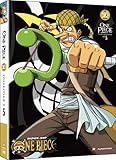
One Piece - Collection Five | $13.99 | Buy on Amazon |
| 5 |

|
One Piece - Collection Four | $21.24 | Buy on Amazon |
At its core, filler simply refers to anime-original content that does not adapt events from the manga. In practice, One Piece uses filler in a few distinct ways, ranging from fully self-contained arcs to brief extensions embedded inside otherwise canon episodes.
Canon Episodes
Canon episodes are direct adaptations of the manga and form the backbone of One Piece’s overarching narrative. These episodes introduce core characters, advance the Straw Hats’ journey, and establish long-term plot threads that pay off hundreds of episodes later. Skipping canon content is not recommended, as even small moments can carry major emotional or narrative weight.
PC Slower Than It Used to Be?
A free scan shows the junk files, broken settings and background clutter dragging Windows down - then fixes them in one click.Free scan · Windows 10 & 11Outdated Drivers Are Slowing You Down
One free scan finds every outdated or missing driver and matches the right update for your exact hardware.Free scan · exact hardware match#1 Best Overall
Mixed-Canon Episodes
Mixed-canon episodes adapt manga material but include anime-original scenes, extended reactions, or side stories not found in the source. These often appear during major arcs when the anime needs to slow its pacing to avoid overtaking the manga. While generally safe to watch, viewers short on time can sometimes skip or fast-forward portions without missing critical story information.
Pure Filler Episodes and Arcs
Pure filler consists entirely of anime-original stories that have no impact on the main plot. These episodes often introduce temporary villains, side adventures, or alternate conflicts that begin and end without consequences. Some are fun character showcases, but none are required viewing for understanding One Piece’s canon storyline, making them the easiest episodes to skip during a streamlined watch or rewatch.
Quick-Reference: Complete One Piece Filler Episodes You Can Skip
If your goal is to experience One Piece strictly through its manga-driven storyline, this is the section you bookmark. Below is a clean, arc-by-arc breakdown of every pure filler episode and anime-original detour that can be skipped without affecting your understanding of canon events. These episodes are entirely optional and have no lasting impact on the Straw Hats’ journey.
Early Grand Line Filler Arcs
The anime begins introducing full filler arcs shortly after entering the Grand Line, mostly as self-contained adventures.
Quick wins for a faster PC:
Fix the driver behind crashes, sound loss and screen glitchesFind Drivers →Repair Windows errors before they cause bigger problemsFix Now →Scan for outdated or missing drivers - takes under a minuteDriver Scan →Warship Island Arc: Episodes 54–61
Post-Alabasta Character Stories: Episodes 131–135
Goat Island Arc: Episodes 136–138
Ruluka Island Arc: Episodes 139–143
Pre–Water 7 and Skypiea-Era Filler
These arcs are disconnected from the core saga and primarily serve as world-building side quests.
G-8 Arc: Episodes 196–206
Ocean’s Dream Arc: Episodes 220–224
Foxy’s Return Arc: Episodes 225–226
Standalone Specials and Experimental Episodes
One Piece occasionally steps away from its main continuity for novelty episodes or comedic historical reimaginings.
The Tool Desk
Outbyte PC Repair FREEClear out junk files and repair common Windows errorsFree Scan →Outbyte Driver Updater FREEFix the driver behind crashes, sound loss and screen glitchesFind Drivers →Boss Luffy Historical Specials: Episodes 291, 292, 303
Additional Boss Luffy Special: Episodes 406–407
Post–Enies Lobby and Thriller Bark-Era Filler
These arcs arrive during heavy manga pacing periods and are entirely anime-original.
Ice Hunter (Lovely Land) Arc: Episodes 326–335
Spa Island Arc: Episodes 382–384
Movie Tie-In Filler Arcs
These arcs promote theatrical films and are designed to be skipped without consequence.
Little East Blue Arc (Strong World): Episodes 426–429
Z’s Ambition Arc (Film Z): Episodes 575–578
Caesar Retrieval Arc: Episodes 626–628
Silver Mine Arc (Film Gold): Episodes 747–750
Cidre Guild Arc (Stampede): Episodes 895–896
Late-Series Filler and Mixed Promotional Episodes
As the anime enters its modern era, filler becomes shorter and more promotional in nature.
Marine Rookie Arc: Episodes 780–782
Uta’s Past Episodes (Film Red Tie-In): Episodes 1029–1030
How to Use This List
Skipping these episodes will not create continuity gaps or confusion in character arcs, power progression, or world lore. Viewers who want a tighter, more manga-faithful experience can safely jump over every episode listed above and move directly between canon arcs without missing essential story beats.
Early Seas Filler Breakdown: East Blue & Alabasta Era (Episodes 54–130)
As One Piece transitions from the East Blue into the Grand Line, the anime begins experimenting with anime-original material to manage pacing. This era is relatively light on filler compared to later sagas, but there are still several episodes and arcs that can be skipped without losing any canon story momentum. For new viewers, trimming these early detours helps keep the Alabasta build-up focused and dramatically tight.
Warship Island Arc (Episodes 54–61)
This is the first full filler arc in the series and arrives immediately after the Straw Hats enter the Grand Line. The storyline centers on a young girl named Apis and a lost dragon, weaving a self-contained Marine conflict that has no roots in the manga. None of the characters, lore, or events introduced here are referenced again.
While the arc does attempt light world-building, it has zero impact on the Loguetown aftermath, Reverse Mountain, or the Baroque Works saga. Viewers can skip episodes 54 through 61 entirely and move straight into canon material without confusion.
Isolated Filler and Recap Episodes During Alabasta
Unlike later arcs, the Alabasta saga does not pause for long anime-original storylines, but it does include scattered filler episodes. Episode 93 functions largely as a recap episode, revisiting recent events rather than advancing the plot. It is completely optional and adds no new character development or story information.
Episode 98 is a fully anime-original desert-side story that briefly detours from the core conflict with Crocodile. While it features the Straw Hats together, it does not affect the stakes, character arcs, or outcome of the Alabasta war. This episode can be skipped safely during a binge watch.
Canon Arcs With Minimal Padding (What Not to Skip)
Most of the Alabasta-era episodes between these filler entries are firmly canon, including Reverse Mountain, Whiskey Peak, Little Garden, Drum Island, and the Alabasta conflict itself. These arcs occasionally include extended reaction shots or lightly padded action, but the underlying episodes adapt manga chapters directly. Skipping within these arcs risks missing critical character introductions, emotional turning points, and long-term narrative foundations.
Rank #2
For viewers streamlining their watch, the key takeaway is that early One Piece filler is limited and clearly segmented. Outside of the Warship Island Arc and a handful of isolated episodes, nearly everything from this era is essential viewing for understanding the series’ core story moving forward.
Mid-Series Detours: Skippable Filler Arcs from Skypiea to Enies Lobby
As One Piece moves beyond Alabasta, the anime begins experimenting more boldly with anime-original arcs. This stretch includes some of the show’s most famous filler detours, placed between major canon sagas to give the manga breathing room. While a few of these arcs are fondly remembered, none are required for understanding the core story.
Free tools Windows power users keep installed
One-click scans. No signup required.
Post-Alabasta Arc (Episodes 131–135)
Set immediately after the emotional fallout of Alabasta, this short arc focuses on individual Straw Hat side stories. Each episode highlights a different crew member in a self-contained vignette that does not advance the overarching plot. None of the events, characters, or character beats introduced here are referenced again.
These episodes are entirely anime-original and can be skipped without affecting continuity. Viewers eager to reach Jaya and Skypiea can safely move past them.
Goat Island Arc (Episodes 136–138)
This brief detour introduces an elderly goat herder and a lost treasure storyline unique to the anime. While lighthearted and inoffensive, it has no narrative ties to Skypiea or any later arc. The Straw Hats’ relationships and goals remain unchanged throughout.
All three episodes are pure filler and offer no long-term payoff. They are easy skips for anyone prioritizing canon material.
Ruluka Island and the Rainbow Mist (Episodes 139–143)
Often remembered for its time-displacement premise, the Rainbow Mist arc is one of the more ambitious early filler stories. It introduces a group of trapped pirates and a mysterious phenomenon that exists entirely outside Eiichiro Oda’s manga continuity. Despite its scope, it leaves no footprint on the world of One Piece.
None of its concepts, characters, or outcomes carry forward. From a canon-focused perspective, episodes 139 through 143 can be skipped in full.
G-8 Arc (Episodes 196–206)
Positioned directly after Skypiea, the G-8 arc is frequently praised as “good filler,” thanks to sharp writing and strong Marine characters. The Straw Hats infiltrate a heavily fortified naval base, leading to clever character moments and entertaining strategy-based conflicts. Even so, the entire storyline is anime-original.
As enjoyable as it is, G-8 has zero impact on Water 7, Enies Lobby, or any future arc. Viewers short on time can skip episodes 196 through 206 without missing canon developments.
What’s actually slowing this PC down?
Pick the symptom - the matching free tool is one click away.
Long Ring Long Land: Mixed Canon and Padding
The Long Ring Long Land arc adapts a canon manga storyline but significantly expands it with additional anime-only challenges and extended gags. The Foxy Pirates appear far longer in the anime than they do on the page, diluting the arc’s pacing. This makes it one of the earliest examples of mixed-canon padding.
While the core concept and conclusion are canon, many of the added events are not. Skipping selectively here is risky for new viewers, but returning fans may choose to fast-forward through extended filler segments.
Ocean’s Dream and Foxy’s Return (Episodes 220–226)
Ocean’s Dream introduces an amnesia-based storyline adapted from a video game, followed by a short Foxy Pirates revival arc. Both are fully anime-original and placed just before the series transitions into Water 7. Neither arc alters character dynamics or ongoing mysteries.
Episodes 220 through 226 can be skipped entirely. Doing so leads cleanly into one of the most important canon sagas in the series.
Recommended Free Tools
Recap Interruptions During Enies Lobby (Episodes 279–283)
At the height of Enies Lobby’s tension, the anime pauses for a cluster of recap episodes revisiting earlier events and character backstories. These episodes repackage existing footage without adding new information. They were designed purely for broadcast pacing.
For binge-watchers, these recaps are completely optional. Skipping episodes 279 through 283 preserves the arc’s momentum without sacrificing story clarity.
Late-Game Padding: Thriller Bark Through Marineford Fillers
By the time One Piece reaches Thriller Bark, the anime largely abandons long filler sagas in favor of shorter interruptions and heavy pacing adjustments. This stretch covers some of the series’ most important canon material, but it is still punctuated by anime-original arcs, recap episodes, and promotional tie-ins. Knowing what to skip here can save dozens of episodes without undermining the emotional weight of the story.
Thriller Bark: Canon Arc, Minimal Skips
Thriller Bark itself is a fully canon arc, and while it suffers from occasional pacing slowdowns, it contains major character moments and long-term story setup. There are no standalone filler episodes embedded within the arc. For first-time viewers especially, skipping is not recommended.
Do these 3 things before closing this tab:
1Scan for outdated or missing drivers - takes under a minute2Clear out junk files and repair common Windows errors3Fix the driver behind crashes, sound loss and screen glitchesReturning fans may notice stretched reaction shots and repeated gags, but this is padding rather than removable filler. Watching straight through is still the best option.
Ice Hunter Arc (Episodes 326–335)
Immediately after Thriller Bark, the anime diverts into the Ice Hunter arc, a full-length anime-original storyline. The Straw Hats clash with a bounty-hunting family in a frozen setting, complete with stolen flags and exaggerated power scaling. None of these events exist in the manga.
The arc has no impact on future relationships, abilities, or plotlines. Episodes 326 through 335 can be skipped entirely with no loss to canon continuity.
Post–Thriller Bark Recaps and Specials
Scattered around this era are standalone recap and novelty episodes, including alternate-universe “Boss Luffy” specials that reimagine the cast in feudal Japan or other historical settings. These episodes are deliberately non-canon and exist purely as bonus content.
Do these 3 things before closing this tab:
1Clear out junk files and repair common Windows errors2Scan for outdated or missing drivers - takes under a minute3Repair Windows errors before they cause bigger problemsRank #3
For viewers focused on story progression, these can be skipped without hesitation. They add flavor, not substance.
Spa Island Arc (Episodes 382–384)
Just before the series shifts into the high-stakes Summit War saga, the anime inserts the Spa Island arc. This lighthearted mini-story revolves around a vacation gone wrong and features anime-only antagonists and conflicts.
Its placement is particularly awkward given the gravity of what follows. Episodes 382 through 384 are pure filler and can be safely skipped to preserve narrative momentum.
Little East Blue Arc (Episodes 426–429)
Little East Blue serves as a promotional tie-in for the film One Piece: Strong World. While the movie’s main villain was created by Eiichiro Oda, this short arc itself is anime-original and not adapted from the manga.
Recommended Free Tools
The episodes provide extra context for the film but do not affect the canon storyline. Viewers not planning to watch Strong World, or those prioritizing manga accuracy, can skip episodes 426 through 429.
Recap Episodes During the Summit War Saga
As the anime approaches and enters Marineford, recap episodes reappear to manage broadcast scheduling. These episodes summarize past arcs and character journeys using recycled footage rather than advancing the plot.
For binge-watchers, these recaps interrupt the arc’s intensity. Skipping them keeps the emotional throughline intact while delivering the full impact of the canon material.
Post-Timeskip Filler Guide: Fish-Man Island to Wano
After the two-year time skip, One Piece tightens its focus considerably. Filler becomes less frequent, more strategically placed, and often tied to theatrical films or broadcast pacing rather than extended anime-original arcs. Still, there are clear sections that viewers prioritizing canon material can safely skip.
Fish-Man Island Era Recaps (Episodes 542–543)
Early in the Fish-Man Island arc, the anime briefly hits pause with a pair of recap episodes designed to reintroduce the Straw Hats after the time skip. These episodes recycle pre–time skip footage and character summaries rather than moving the story forward.
For returning fans or binge-watchers, episodes 542 and 543 offer nothing new. Skipping them preserves the arc’s momentum without sacrificing any canon material.
Z’s Ambition Arc (Episodes 575–578)
Positioned between Fish-Man Island and Punk Hazard, Z’s Ambition serves as a lead-in to the film One Piece Film: Z. The arc introduces anime-original Marines and conflict scenarios meant to set thematic groundwork for the movie rather than the manga.
None of these events are referenced in canon storylines. Episodes 575 through 578 can be skipped unless viewers plan to watch Film Z and want extra context.
The Tool Desk
Outbyte PC Repair FREEClear out junk files and repair common Windows errorsFree Scan →Outbyte Driver Updater FREEScan for outdated or missing drivers - takes under a minuteDriver Scan →Toriko and Crossover Specials (Episode 590)
Episode 590 is a crossover featuring Toriko and Dragon Ball Z, celebrating Shonen Jump properties rather than advancing One Piece’s plot. These specials exist entirely outside canon continuity.
While fun curiosities, crossover episodes have no bearing on character development or future arcs. Episode 590 is an easy skip for story-focused viewers.
Dressrosa-Era Recaps and Side Stories (Episode 626)
As Dressrosa begins, the anime inserts another full recap episode to reset the stage after Punk Hazard. Episode 626 summarizes recent events instead of adapting manga chapters.
For anyone watching sequentially, this episode is redundant. Skipping it keeps Dressrosa’s already lengthy arc from feeling even more stretched.
Silver Mine Arc (Episodes 747–750)
Following the conclusion of Dressrosa, the anime diverts into the Silver Mine arc, a short filler storyline created to promote One Piece Film: Gold. Luffy faces off against anime-original antagonists in a confined setting with no lasting consequences.
The arc has no impact on alliances, abilities, or future plotlines. Episodes 747 through 750 can be skipped entirely without affecting the canon experience.
Marine Rookie Arc (Episodes 780–782)
Inserted shortly before the Whole Cake Island saga escalates, the Marine Rookie arc follows the Straw Hats infiltrating a Marine base under light disguise. The premise is playful but entirely anime-original.
These episodes do not influence Whole Cake Island’s story or character arcs. Viewers eager to reach the Yonko-focused narrative can safely skip episodes 780 through 782.
Free tools Windows power users keep installed
One-click scans. No signup required.
Cidre Guild Arc (Episodes 895–896)
Serving as a prelude to One Piece: Stampede, the Cidre Guild arc introduces a bounty hunter organization and a self-contained conflict designed to funnel into the film’s opening.
The arc is non-canon and never referenced afterward. Episodes 895 and 896 are optional and skippable for anyone not watching Stampede.
Rank #4
Wano Recap and Film Tie-In Episodes (Episodes 907, 908, 957, 958, 1030–1031)
Wano, despite its scale, includes several recap episodes and brief tie-ins meant to manage production and promote Film: Red. These episodes revisit past arcs, Yonko history, or reframe recent events using existing footage.
They do not adapt new manga content or alter the ongoing story. Skipping these recap-focused episodes keeps Wano’s pacing tighter while preserving every essential canon moment.
Mixed Canon Episodes: When Filler and Manga Content Are Intertwined
Not all filler in One Piece is cleanly separated into skippable arcs. In many cases, the anime weaves anime-original material directly into episodes that also adapt manga chapters, creating what fans often call mixed canon episodes.
These installments usually contain essential plot beats alongside extended reactions, side encounters, or comedic detours that do not exist in Eiichiro Oda’s manga. Skipping them outright risks missing key story developments, but watching them straight through can noticeably slow pacing.
Early One Piece and Expansion-Heavy Adaptations
Several early arcs expand on manga material rather than replacing it. The Loguetown storyline is the most well-known example, where canon events are padded with anime-original character moments and side stories.
While these additions flesh out the setting and tone, they are not required to understand the Grand Line saga. Viewers short on time can watch these episodes selectively, focusing on the core plot while tolerating some harmless padding.
What’s actually slowing this PC down?
Pick the symptom - the matching free tool is one click away.
Mid-Series Arcs and Transitional Episodes
As One Piece grew longer, transitional episodes increasingly blended recap footage, extended reaction shots, and small filler scenes into otherwise canon episodes. This becomes more noticeable during arcs like Enies Lobby, Thriller Bark, and early post-timeskip storylines.
These episodes still advance the narrative, but often adapt fewer manga pages than average. They are best approached with awareness rather than avoidance, especially for viewers prioritizing story momentum over completionism.
Post-Timeskip Pacing and Production Padding
After the time skip, mixed canon episodes become a structural reality rather than an exception. Long arcs such as Dressrosa, Whole Cake Island, and Wano frequently stretch individual manga chapters across entire episodes.
The story content is canon, but the execution often includes prolonged standoffs, repeated flashbacks, and extended reaction shots. Skipping these episodes is not recommended, but many viewers choose to fast-forward through obvious padding without losing narrative clarity.
Quick wins for a faster PC:
Repair Windows errors before they cause bigger problemsFix Now →Scan for outdated or missing drivers - takes under a minuteDriver Scan →Clear out junk files and repair common Windows errorsFree Scan →How to Watch Mixed Canon Episodes Efficiently
For first-time viewers, mixed canon episodes should generally be watched in full to avoid confusion. Returning fans and rewatchers, however, can confidently skim or fast-forward through slower sections once they recognize where padding begins.
Think of mixed canon episodes as necessary bridges rather than destinations. They carry important story information, but they also contain the bulk of One Piece’s pacing issues, making them the prime candidates for time-saving adjustments rather than full skips.
Independent reader supportYour contribution helps us test, update, and keep practical guides available for everyone.Filler Worth Watching? Standout Anime-Original Arcs Fans Still Enjoy
Not all filler is created equal, and One Piece is one of the rare long-running shōnen where a few anime-original arcs are still fondly remembered. These stories may not advance the canon plot, but they capture the series’ tone, humor, and character dynamics well enough to feel worthwhile.
If you are trimming your watchlist aggressively, everything here is still skippable. But for viewers who want extra Straw Hat time without derailing the main story, these arcs are often cited as the exceptions.
Windows Errors? Fix Them Before They Spread
Repair common Windows errors and clear accumulated junk for a smoother, more stable PC - no reinstall needed.Free scan · no reinstallOutdated Drivers Are Slowing You Down
One free scan finds every outdated or missing driver and matches the right update for your exact hardware.Free scan · exact hardware matchG-8 Arc (Episodes 196–206)
The G-8 arc is widely considered the gold standard of One Piece filler. Set immediately after Skypiea, it cleverly drops the Straw Hats into a heavily fortified Marine base, creating tension without relying on canon stakes.
What makes G-8 stand out is its sharp writing and character-driven comedy. Each Straw Hat gets moments to shine, and the Marine antagonists are smart, competent, and surprisingly likable, which adds freshness rarely seen in filler arcs.
Many fans argue this arc feels more “One Piece” than some early canon material. If you watch only one filler arc, this is the one most critics and longtime viewers recommend.
Warship Island Arc (Episodes 54–61)
As the first major filler arc in the series, Warship Island shows its age but still has historical value. It introduces anime-original characters and a dragon-focused mystery that lightly mirrors themes explored later in canon.
The pacing is slower, and the animation reflects early One Piece production limitations. Still, it offers a nostalgic look at the crew when they were smaller, scrappier, and less mythic than their later incarnations.
This arc is easy to skip, but some fans enjoy it as a snapshot of One Piece before the Grand Line truly reshaped the series.
Ocean’s Dream Arc (Episodes 220–224)
Based loosely on a PlayStation game, the Ocean’s Dream arc takes an unusual psychological approach. The Straw Hats begin losing memories of each other, forcing the story to explore their bonds from an unconventional angle.
The premise allows for strong emotional beats without altering canon relationships. It also avoids the typical filler trap of meaningless battles, focusing instead on mystery and character interaction.
Best Value
While not essential, this arc is often praised for experimenting with tone and structure in a way few filler stories attempt.
Spa Island Arc (Episodes 382–384)
Placed just before the intense Sabaody Archipelago arc, Spa Island functions as a lighthearted cooldown. It leans heavily into comedy, fan service, and classic Straw Hat banter.
There are no major revelations or lasting consequences, but its relaxed vibe makes it an easy, low-commitment watch. For some viewers, it serves as a pleasant breather before the series shifts into much darker territory.
This arc is entirely optional, but its placement and tone make it one of the more enjoyable late pre-timeskip filler entries.
Why These Arcs Work When Others Don’t
The filler arcs fans still enjoy tend to respect the core appeal of One Piece rather than trying to replicate its largest battles or lore reveals. They focus on character chemistry, clever scenarios, and self-contained storytelling.
Crucially, they also avoid contradicting canon or disrupting long-term arcs. That restraint allows them to feel like bonus chapters instead of distractions, which is why they remain popular recommendations even in streamlined watch guides.
For viewers with time to spare, these arcs offer optional enrichment. For everyone else, they stand as proof that filler does not automatically mean disposable, even in a series as massive as One Piece.
Best Watch Order for New Viewers: How to Binge One Piece Efficiently
For newcomers staring down One Piece’s four-digit episode count, the key to an efficient binge is understanding what actually matters to the core story. Not every episode adapts Eiichiro Oda’s manga directly, and separating canon from filler can easily save hundreds of hours without sacrificing narrative clarity.
The Tool Desk
Outbyte PC Repair FREEClear out junk files and repair common Windows errorsFree Scan →Outbyte Driver Updater FREEScan for outdated or missing drivers - takes under a minuteDriver Scan →The ideal watch order prioritizes manga-canon episodes first, treats mixed-canon episodes selectively, and skips pure filler entirely unless curiosity or completionism kicks in later.
Canon Episodes: Your Core Viewing Path
Canon episodes are direct adaptations of the manga and form the backbone of One Piece’s narrative, world-building, and character arcs. For first-time viewers, these episodes should always be watched in full and in order.
If your goal is story comprehension, emotional payoff, and lore progression, canon episodes are non-negotiable. Every major arc, power shift, and thematic evolution lives here.
Mixed-Canon Episodes: Watch with Awareness
Mixed-canon episodes blend manga material with added scenes, extended fights, or padding designed to slow pacing. These episodes usually appear during major arcs and often stretch single manga chapters across multiple episodes.
What’s actually slowing this PC down?
Pick the symptom - the matching free tool is one click away.
New viewers can still watch these episodes without confusion, but those seeking maximum efficiency may choose to fast-forward repeated reaction shots, recap-heavy openings, or overly prolonged clashes. The core plot beats are still present, just padded for broadcast timing.
Pure Filler Episodes and Arcs: Safely Skippable
Pure filler episodes are entirely anime-original and have no impact on canon events, character development, or long-term continuity. These include standalone episodes and full filler arcs like Warship Island, Ice Hunter, and Silver Mine.
Skipping these episodes will not create narrative gaps or confusion. Characters revert to their canon status immediately afterward, and no future arc references their events.
A Streamlined Watch Strategy for First-Time Viewers
The most efficient approach is to follow a canon-only episode list while selectively sampling praised filler arcs if interest allows. Early filler is best skipped outright, while later filler can be treated as optional side stories once you are fully invested.
Many veteran fans recommend using community-verified episode guides or fan edits that remove filler and excessive padding. These tools preserve story flow while dramatically reducing total runtime.
When to Revisit Filler After Your First Watch
Filler arcs are often more enjoyable once you understand the Straw Hats’ personalities and relationships. Watching them later reframes filler as bonus content rather than an obstacle.
This approach also prevents burnout. One Piece is a marathon, and pacing yourself with a clean first watch makes the journey far more rewarding.
The Bottom Line
One Piece rewards commitment, but it does not demand wasted time. By focusing on canon episodes, being selective with mixed-canon material, and skipping pure filler on your first pass, you experience the series at its strongest and most focused.
Do these 3 things before closing this tab:
1Fix the driver behind crashes, sound loss and screen glitches2Clear out junk files and repair common Windows errors3Scan for outdated or missing drivers - takes under a minuteFor new viewers, this watch order transforms One Piece from an intimidating time sink into a tightly curated epic. The adventure remains massive, but now it moves forward with purpose, momentum, and respect for your time.
Quick Recap
Product prices and availability are accurate as of the date/time indicated and are subject to change. Any price and availability information displayed on Amazon at the time of purchase will apply.