On November 23, 1889, a San Francisco saloon is commonly credited with hosting the first public demonstration of a coin-operated phonograph. For a nickel, patrons could hear one wax-cylinder selection through listening tubes. Calling it the “world’s first jukebox” is useful shorthand—but the machine was a modest phonograph, not a later jukebox with a menu of records and a loudspeaker.
What happened on November 23, 1889?
A coin-operated Edison phonograph was installed at a San Francisco saloon generally identified as the Palais Royal or Palais Royale. The date is commonly given as November 23, 1889, and the event is described as the first public demonstration of a coin-operated phonograph. The venue’s name appears with different spellings in historical accounts.


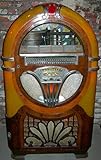
The label “first jukebox” came later. The machine itself was a nickel-in-the-slot phonograph: a coin activated playback of a single wax cylinder. The Library of Congress places coin-slot cylinder players among the precursors to jukeboxes, rather than treating the 1889 device as a modern jukebox in miniature (Smithsonian Magazine; Library of Congress).
How did the first jukebox work?
- A customer inserted a nickel into the coin mechanism.
- The mechanism activated the Edison phonograph and played its one available wax-cylinder selection.
- Instead of hearing sound through an electrical amplifier and loudspeaker, patrons listened through stethoscope-like tubes connected to the machine.
Some accounts describe four listening tubes or listening points. Either way, customers listened through tubes rather than gathering around a speaker. The machine offered no choice among a collection of songs: it played one cylinder at a time, the selection built into the apparatus. The Library of Congress’s account of cylinder phonographs explains the recording technology behind such players (History of the Cylinder Phonograph).
#1 Best Overall
Who is credited with the coin-operated phonograph?
Louis T. Glass, a manager associated with the Pacific Phonograph Company, and his business partner William S. Arnold are both credited in specialist historical accounts with the installation or coin-slot innovation. The evidence supports recognizing both men’s association with the early apparatus; it does not justify reducing the development of the later jukebox to a single inventor. For context on Edison’s cylinder-phonograph technology and equipment, see the National Park Service’s Thomas Edison National Historical Park collections.
Was it really a jukebox?
Not in the familiar sense. The 1889 player had the defining coin-operated listening idea, but it lacked the features that became associated with later jukeboxes. The comparison is clearest across four parts of the experience:
| Feature | 1889 coin-operated phonograph | Later jukebox tradition |
|---|---|---|
| Selection | One wax-cylinder selection | Multiple selectable recordings |
| Recording medium | Wax cylinder | Later record formats |
| Listening | Private listening through tubes | Amplified playback through speakers |
| Activation | Coin-operated | Coin-operated in the jukebox tradition |
The word “jukebox” emerged decades later, in the 1930s, in connection with Southern African American juke joints. Applying it to the 1889 machine is therefore retrospective: it identifies an important predecessor, not the name or full design of the original device (Smithsonian Magazine).
Independent reader supportYour contribution helps us test, update, and keep practical guides available for everyone.How much money did it make?
Smithsonian Magazine reported in its September/October 2025 feature that the machine brought in more than $1,000 in less than six months. That is a reported historical revenue figure, not an independently audited total (Smithsonian Magazine, 2025).
Quick Recap
Best Value
Product prices and availability are accurate as of the date/time indicated and are subject to change. Any price and availability information displayed on Amazon at the time of purchase will apply.




