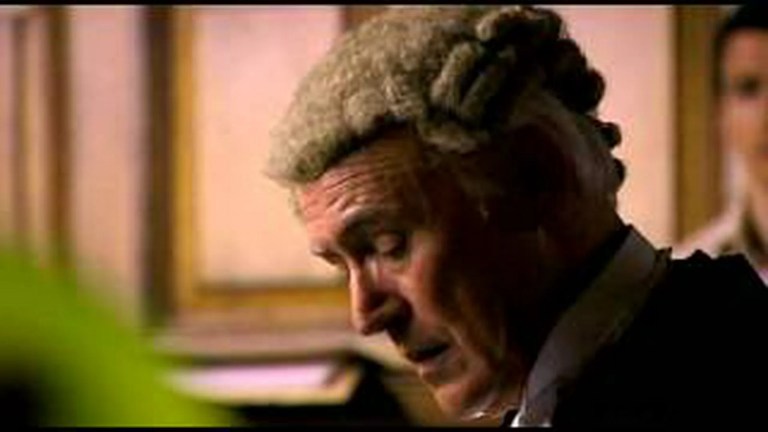
Robert Eggers’s Nosferatu earned its ecstatic first reactions for a specific reason: it does not simply retell a familiar vampire story. It transforms the Hutter–Ellen–Orlok triangle into a meticulously designed nightmare about desire, possession, illness, repression, and plague. The result is gorgeous, grotesque, erotic, and genuinely unsettling—but also deliberately slow, theatrically performed, and sometimes emotionally distant.
That combination explains the early “masterpiece” talk. The film’s strongest effects come from atmosphere, sound, production design, and the disturbing bond between Lily-Rose Depp’s Ellen and Bill Skarsgård’s Count Orlok. Viewers looking for fast horror momentum or conversational realism may be less persuaded than those willing to surrender to a dark, old-world fever dream.
![Nosferatu (Extended & Theatrical Cut) [4K UHD + Blu-ray] [Region Free]](https://m.media-amazon.com/images/I/51C3SImaNoL._SL160_.jpg)
What the first reactions praised
The earliest reactions to Nosferatu were overwhelmingly enthusiastic, but the praise was more specific than a general declaration that the film was “good.” Critics and festival audiences repeatedly focused on the same cluster of qualities: its visual control, gothic atmosphere, erotic charge, nightmarish restraint, and committed performances.
Nearly every part of the production contributes to the mood. The period design, costumes, makeup, cinematography, sound design, and Robin Carolan’s score work together to make the film feel less like a modern movie set in the past than a preserved fragment of a diseased nineteenth-century dream. Its towns, interiors, landscapes, and shadows are not merely backgrounds for the plot; they create the film’s primary emotional environment.
#1 Best Overall
- Region-free 4K and Blu-ray discs.
That sensory command is why early viewers reached for words such as “seductive,” “macabre,” “gorgeous,” “grotesque,” and “chilling.” The film’s appeal is tactile and atmospheric before it is narrative. Even when the broad story is familiar, Eggers gives it an oppressive physical presence.
A personal project rooted in Murnau and Stoker
Eggers’s film is a reimagining of the vampire story associated with F. W. Murnau’s 1922 silent classic Nosferatu, itself an unauthorized adaptation of Bram Stoker’s Dracula. The familiar foundation remains: Thomas Hutter travels to Transylvania to secure Count Orlok’s signature on a property transaction, only to discover that the count’s interest extends beyond real estate. Orlok becomes fixated on Thomas’s wife, Ellen, while a supernatural threat begins spreading outward from the vampire’s castle.
Eggers has described discovering Murnau’s film as a child, making this project feel like a long-held artistic obsession rather than a routine studio remake. That history matters because the finished film is deeply invested in old cinema, folklore, architecture, material culture, and the visual language of silent horror. It does not attempt to make the story contemporary by stripping away its historical strangeness. Instead, it commits to the strangeness.
The film opened theatrically in the United States on December 25, 2024. Its principal cast includes Bill Skarsgård, Nicholas Hoult, Lily-Rose Depp, Aaron Taylor-Johnson, Emma Corrin, Ralph Ineson, Simon McBurney, and Willem Dafoe, with Eggers writing and directing.
Ellen and Orlok: a vampire story about obsession
The most important shift in Eggers’s version is the greater emotional and supernatural emphasis placed on Ellen. In many versions of the vampire story, the young woman at the center is primarily a threatened innocent: someone the heroes must protect. Here, Ellen is still endangered, but her connection to Orlok is more intimate, complicated, and psychologically charged.
Her dreams and apparent “hysteria” are not treated simply as symptoms to be dismissed. They become signs of a connection that the surrounding characters struggle to understand. The film therefore makes Ellen part of the story’s occult architecture rather than merely its victim. Her relationship with Orlok is seductive in the sense that it carries desire and fatal romantic intensity, but it is also coercive, diseased, and inseparable from death.
That tension is the film’s central contradiction. Nosferatu can feel lush and sensual while depicting attraction as contamination. It can frame longing as powerful while making clear that this power is dangerous. Orlok’s fixation is not a glamorous fantasy of eternal love; it is possession, intrusion, and appetite disguised by the language of desire.
Eggers also connects vampirism to illness and plague. The supernatural threat is bodily rather than abstract. Death does not remain contained in a castle or private romance; it moves through communities, homes, and institutions. This gives the film a grim historical texture and makes Orlok feel less like a charming aristocratic seducer than a force of social and physical collapse.
Free tools Windows power users keep installed
One-click scans. No signup required.
Why this Orlok is frightening
Skarsgård’s Count Orlok moves away from the polished, attractive vampire archetype that has dominated much popular culture. This is not an urbane immortal designed to be effortlessly appealing. He is a more primeval, monstrous presence, shaped by heavy makeup, an altered voice, an unnatural silhouette, and a physicality that feels closer to folklore than romantic fantasy.
Eggers also understands that a monster can become less frightening when it is displayed too clearly. Orlok is often held in shadow. The audience receives partial glimpses, sounds, silhouettes, and strange physical details rather than a constant, brightly lit showcase of the character’s design. The withholding creates anticipation: the viewer is made to wait for the monster to resolve into view, even while sensing that he is already present.
That strategy will divide viewers. For some, the darkness makes Orlok more sinister and gives the film a lingering nightmare quality. For others, it can be visually frustrating, especially when the desire to inspect the makeup and creature work conflicts with the film’s refusal to offer a full, easy look.
The horror is consequently built more around menace than speed. This is not a film that depends on a rapid sequence of shocks. Its fear comes from inevitability: the sense that Orlok’s influence is approaching, that the characters are already entangled in it, and that the apparent escape routes may only lead deeper into the nightmare.
PC Slower Than It Used to Be?
A free scan shows the junk files, broken settings and background clutter dragging Windows down - then fixes them in one click.Free scan · Windows 10 & 11Crashes, No Sound, or Screen Glitches?
Random freezes, missing sound and display glitches usually trace back to one bad driver. Find and replace yours safely.Free scan · under a minuteRank #3
![Top Gun (4K Ultra-HD + BD) [Blu-ray]](https://m.media-amazon.com/images/I/41mCl0b+vqL._SL160_.jpg)
- Top Gun (Idolos del aire)
The performances: Depp’s physical commitment leads the way
Lily-Rose Depp’s Ellen was the clearest performance hook in the first reactions. She plays the character in a heightened, physically demanding register, moving between vulnerability, terror, desire, illness, and resistance. The performance is deliberately theatrical rather than casually naturalistic. Ellen’s body becomes one of the film’s principal battlegrounds, registering forces that the other characters cannot fully see or accept.
That intensity may be startling if approached with the expectations of contemporary psychological realism. Depp does not underplay the film’s emotional extremity. She commits to the feverish style Eggers establishes, and her performance helps make Ellen’s inner life central to the film’s supernatural drama.
Bill Skarsgård is nearly unrecognizable beneath Orlok’s makeup. His voice and limited visibility do much of the work, but so does the character’s silhouette: a shape that can appear more threatening in stillness than in motion. The performance does not ask the viewer to admire Orlok. It asks the viewer to endure his presence.
Willem Dafoe brings a different energy as Professor Albin Eberhart Von Franz, the eccentric scholar who joins the effort to understand and resist the vampire. Dafoe’s naturally witty presence provides flashes of dark humor and tonal relief. Those moments are useful because the surrounding film is so solemn and oppressive; Von Franz’s eccentricity prevents the narrative from sinking into one unbroken register of gothic misery.
Recommended Free Tools
The film’s main weaknesses
The first reactions were so enthusiastic that they could create unrealistic expectations. Not every critic considered Nosferatu a masterpiece, and the later critical record was favorable without being unanimous.
Metacritic listed the film at 78 out of 100 based on 59 critic reviews on the page consulted for this assessment. That record included 81% positive, 17% mixed, and 2% negative reviews. The user score on that page was 7.0 out of 10 from 693 ratings. Those figures describe a strong reception, but not an unquestioned consensus.
Rank #4

- Halloween Pack 1-3 (4K UHD + Blu-ray)
The Associated Press offered an especially useful counterweight to the ecstatic early response. It praised the picturesque nineteenth-century German town, bleak Transylvanian landscapes, and Skarsgård’s transformation, while arguing that stylized dialogue and overly dramatic storytelling could create distance. Its description of the film as leaving a “deep but distant chill” captures the central trade-off: the film may impress the senses more readily than it engages every viewer emotionally.
The dialogue and acting style are formal, heightened, and periodized. For viewers who enjoy theatrical gothic storytelling, this is part of the attraction. For viewers who want casual, conversational performances, it may feel stilted. The story is also broadly predictable because it draws from one of the most frequently adapted narratives in horror. Its originality lies less in surprise twists than in execution, historical texture, psychology, and the way it turns a recognizable plot into a tragic occult relationship.
Finally, the pacing is patient. The film favors accumulating dread over immediate payoff. Someone expecting a fast-moving modern horror movie may find the long stretches of atmosphere self-conscious or slow. Someone who values production design, shadow, sound, and gradual terror may consider that patience essential to the experience.
Who should watch Nosferatu?
Nosferatu is a strong choice for viewers who want:
- slow-burn gothic horror rather than rapid-fire shocks;
- lavish period production design and carefully controlled imagery;
- a vampire story centered on obsession, repression, illness, and possession;
- theatrical, physically committed performances;
- a monstrous Orlok rather than a glamorous or conventionally romantic vampire;
- folkloric and historical texture inspired by silent cinema and nineteenth-century supernatural fiction.
It may be a poor fit for viewers who need constant action, naturalistic dialogue, brightly visible creature effects, or a story that depends on major narrative surprises. The film’s darkness, solemnity, and formal style are not incidental features to tolerate; they are the method.
Where to watch or own the film
U.S. digital listings have included UHD rental or purchase options through Prime Video, as well as 4K rental options through Amazon Video and Apple TV Store. The research also identified Peacock availability. Streaming catalogs, rental windows, and geographic rights change frequently, so viewers should verify the current listing in the United States before subscribing or renting.
For viewers who already know they want to revisit Eggers’s version, the February 18, 2025 home-media release was offered in DVD, Blu-ray, and 4K formats, with an extended cut referenced in later physical-media and streaming coverage. The most relevant physical option is Nosferatu 2024 4K UHD Blu-ray, particularly for fans who value owning the film rather than depending on a changing streaming catalog. Check the exact package contents before buying, since editions and included digital access can vary by territory and retailer.
The Tool Desk
Outbyte Driver Updater FREEFix the driver behind crashes, sound loss and screen glitchesFind Drivers →Outbyte PC Repair FREERepair Windows errors before they cause bigger problemsFix Now →A collector’s note on the score
The film’s music is important enough to support a separate collector interest. Waxwork Records lists an official Robin Carolan Nosferatu soundtrack pressing developed with Sacred Bones Records. The two-LP release is presented with colored vinyl, gatefold packaging, printed inner sleeves, and a die-cut poster. It is best understood as an official soundtrack collectible, not as a guarantee of current stock; availability can change.
Best Value

- Region-Free UHD 4K, Blu-ray & DVD Playback: Play Ultra HD 4K discs from any region, Blu-ray discs from Regions zone A, B, and C, and DVDs from all Regions 0, Region 1, Region 2, Region 3, Region 4, Region 5, Region 6, Region 7 and Region 8. Enjoy global compatibility with no restrictions.
For collectors, the Nosferatu soundtrack vinyl is a natural companion to the film’s physical release because Carolan’s score is part of the movie’s oppressive atmosphere, not merely background decoration. Buyers should confirm that a listing is the official pressing and check the seller, edition, and current availability.
Frequently Asked Questions
Is Nosferatu a remake of the 1922 film?
It is Robert Eggers’s reimagining of the vampire story associated with F. W. Murnau’s 1922 silent film, which was itself derived from Bram Stoker’s Dracula. It retains the recognizable Hutter, Ellen, and Orlok structure while shifting more emphasis toward Ellen’s supernatural connection to the vampire.
Is Robert Eggers’s Nosferatu very scary?
Its horror is primarily slow, atmospheric, and suggestive. The film relies on menace, darkness, sound, partial glimpses, grotesque imagery, and a feeling of inevitability rather than constant jump scares. Viewers who prefer fast-paced horror may find it restrained, while fans of lingering gothic dread may find it deeply chilling.
Do these 3 things before closing this tab:
1Repair Windows errors before they cause bigger problems2Scan for outdated or missing drivers - takes under a minute3Clear out junk files and repair common Windows errorsIs Nosferatu a romantic vampire movie?
It contains strong erotic and romantic imagery, but its central relationship is better understood as dangerous obsession and possession than as a healthy romance. The film connects desire with illness, repression, plague, and death.
Who gives the best performance in Nosferatu?
Lily-Rose Depp’s Ellen was the most frequently highlighted performance in early reactions. Bill Skarsgård’s heavily transformed Orlok and Willem Dafoe’s eccentric Professor Von Franz were also widely emphasized.
The Bottom Line
The early masterpiece talk was understandable, but it needs qualification. Nosferatu is an exceptionally controlled gothic nightmare whose erotic psychology, monstrous vampire, period detail, and soundscape distinguish it from routine Dracula adaptations. It is also slow, stylized, familiar in outline, and sometimes deliberately distant. Watch it for the atmosphere and the mounting dread—not for conversational realism or nonstop horror momentum.
Quick Recap
Product prices and availability are accurate as of the date/time indicated and are subject to change. Any price and availability information displayed on Amazon at the time of purchase will apply.