Long before IP-driven reboots became a default strategy, this action-thriller set the template for smart, muscular storytelling that trusted its audience. It blended propulsive suspense with character-first stakes, proving that tension didn’t have to come at the expense of emotional credibility. That balance is precisely why it has endured—and why Bobby Cannavale’s description of Netflix’s new take as “fantastic” carries real weight rather than marketing noise.
The original film worked because it understood the anxieties of its moment while delivering a clean, high-concept hook that still plays today. Its themes of identity, pursuit, and moral pressure feel newly relevant in an era shaped by surveillance culture, fractured institutions, and public narratives that shift in real time. For modern audiences raised on prestige TV and serialized thrillers, the bones of this story remain remarkably adaptable without losing what made it iconic.
| # | Preview | Product | Price | |
|---|---|---|---|---|
| 1 |
|
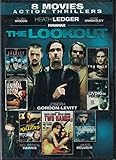
8-Movie Action Thriller Pack | $17.82 | Buy on Amazon |
| 2 |
![Black Dog [DVD]](https://m.media-amazon.com/images/I/51aOurbQV8L._SL160_.jpg)
|
Black Dog [DVD] | $6.99 | Buy on Amazon |
| 3 |

|
Action Thriller Gift Set Dvd - DVD | $17.98 | Buy on Amazon |
| 4 |

|
10-Movie Action Thriller V02 | $16.27 | Buy on Amazon |
| 5 |

|
Enemy Of The State | $5.99 | Buy on Amazon |
Netflix’s interest in rebooting the property now isn’t about nostalgia for nostalgia’s sake. It’s about reintroducing a proven thriller engine to a global streaming audience that values scale, immediacy, and performance-driven intensity. Cannavale’s enthusiasm suggests the creative team isn’t simply polishing a familiar title, but actively engaging with why the original mattered—and how to translate that urgency into a version that feels timely, grounded, and worthy of a second life.
Inside the Exclusive: Bobby Cannavale Calls the Reboot “Fantastic” — What He Means by That
Cannavale doesn’t throw around superlatives lightly, which is why his description of the reboot as “fantastic” lands with uncommon credibility. In speaking about the project, his enthusiasm wasn’t rooted in spectacle or brand recognition, but in how deliberately the creative team approached the material. For him, the word signaled confidence in execution rather than blind excitement about scale.
Free tools Windows power users keep installed
One-click scans. No signup required.
#1 Best Overall
What stood out most was his emphasis on intention. This isn’t a reboot chasing relevance through excess or irony, but one grounded in story mechanics that still work because they’re human. Cannavale framed the production as one that understands why the original connected in the first place—and refuses to dilute that core in the process of modernizing it.
A Performance-First Approach, Not a Cosmetic Update
According to Cannavale, the reboot’s greatest strength lies in its commitment to character under pressure. The action remains sharp and consequential, but it’s never divorced from emotional logic. Every set piece is designed to reveal something about the people involved, rather than simply escalate chaos.
That philosophy aligns closely with Cannavale’s own career choices. He’s long gravitated toward projects that treat genre as a delivery system for performance, not a substitute for it. His “fantastic” endorsement reflects an environment where actors are trusted to carry tension through behavior and choice, not just momentum.
Respecting the Original Without Being Trapped by It
Cannavale was also clear that reverence doesn’t mean replication. The reboot acknowledges the original’s cultural footprint, but it isn’t beholden to recreating specific beats or iconography. Instead, it focuses on preserving the thematic engine—moral ambiguity, relentless pursuit, and the cost of being publicly defined by forces beyond one’s control.
That balance is notoriously difficult, and it’s where many reboots falter. Cannavale’s confidence suggests this version has found a way to honor what longtime fans remember while allowing the story to breathe in a new context. It’s a translation rather than a retread.
Why Netflix Is the Right Home for This Version
Cannavale also pointed to the advantages of Netflix’s platform, particularly its willingness to let thrillers unfold with patience and density. The reboot benefits from a format that supports sustained tension and character development, rather than compressing complexity into a two-hour sprint. That breathing room allows the story’s psychological stakes to accumulate naturally.
For modern streaming audiences accustomed to layered narratives, that approach feels especially calibrated. Cannavale’s “fantastic” isn’t about hype—it’s about alignment. The material, the format, and the moment appear to be working in concert, which is often the difference between a reboot that merely exists and one that justifies its return.
Respecting the Original: How the Reboot Honors the Legacy Without Being a Carbon Copy
One of the clearest signals that this reboot understands its assignment is how deliberately it approaches the source material. Rather than treating the original as a checklist of moments to be recreated, the creative team has focused on identifying what made the film endure in the first place. Cannavale described that approach as “fantastic” precisely because it resists nostalgia as a shortcut and instead treats it as a responsibility.
Recommended Free Tools
That mindset shows up in tone more than iconography. The reboot preserves the original’s sense of pressure and paranoia, where danger isn’t just physical but reputational and psychological. It’s less interested in replicating images audiences already know and more concerned with recreating how those images made people feel.
Theme Over Imitation
According to Cannavale, the guiding principle was never to outdo the original, but to interrogate it. The core themes—identity under siege, systems closing in, and the moral gray zones that emerge under pursuit—remain intact, but they’re filtered through contemporary anxieties. That shift allows the story to feel urgent rather than preserved in amber.
Rank #2
- Factory sealed DVD
This is where the reboot distinguishes itself from the many revivals that mistake familiarity for faithfulness. By focusing on thematic continuity instead of surface-level homage, the film creates room for surprise. Longtime fans may recognize the DNA, but they won’t feel like they’re watching a scene-by-scene reenactment.
Updating the Context Without Erasing the Past
Cannavale also emphasized that the reboot is acutely aware of how the world has changed since the original debuted. Surveillance, media saturation, and institutional power now operate at a different scale, and the script leans into those realities rather than ignoring them. The result is a narrative that feels grounded in the present while still echoing the original’s sense of inevitability.
Do these 3 things before closing this tab:
1Clear out junk files and repair common Windows errors2Fix the driver behind crashes, sound loss and screen glitches3Repair Windows errors before they cause bigger problemsThat balance is especially important for a Netflix audience accustomed to thrillers that reflect modern systems and social pressures. By updating the context instead of the core conflict, the reboot speaks to contemporary viewers without alienating those who remember why the story mattered in the first place.
Performance-Driven Continuity
For Cannavale, the ultimate link between old and new is performance. The original became a classic not just because of its mechanics, but because its characters felt trapped in roles they couldn’t easily escape. The reboot honors that legacy by prioritizing behavior, restraint, and emotional specificity over spectacle for its own sake.
That approach aligns with Cannavale’s endorsement and helps explain his confidence. A reboot that trusts its actors to carry tension is one that understands the original’s power source. In that sense, honoring the legacy isn’t about copying what came before—it’s about preserving the discipline that made it work.
Bobby Cannavale’s Role Explained: Character, Stakes, and Why He Signed On
Cannavale isn’t stepping into the reboot as a nostalgic cameo or a legacy echo. He plays a central authority figure whose proximity to power places him at the crossroads of control and consequence, a character designed to apply pressure rather than absorb sympathy. In the original film’s language, this is the person who understands the rules of the system best—and knows exactly how far they can be bent before they break.
PC Slower Than It Used to Be?
A free scan shows the junk files, broken settings and background clutter dragging Windows down - then fixes them in one click.Free scan · Windows 10 & 11Crashes, No Sound, or Screen Glitches?
Random freezes, missing sound and display glitches usually trace back to one bad driver. Find and replace yours safely.Free scan · under a minuteWhat makes the role compelling is its ambiguity. Cannavale’s character isn’t positioned as a conventional antagonist, nor as a covert ally, but as a force shaped by institutional logic. He believes in order, but order at a cost, and that tension becomes one of the reboot’s primary engines.
A Character Built on Pressure, Not Flash
According to Cannavale, the appeal wasn’t scale or spectacle, but how much the character operates under constraint. Every decision is reactive, calculated, and burdened by consequence, reflecting a worldview forged inside systems that reward efficiency over empathy. The performance hinges on restraint, allowing unease to build through implication rather than overt menace.
That restraint mirrors what made the original film endure. The danger didn’t come from excess, but from inevitability, and Cannavale’s role is designed to embody that same creeping sense of no-win escalation. It’s a modern interpretation of a familiar archetype, sharpened for an era where power often hides behind process.
The Stakes Are Institutional—and Personal
While the reboot expands the scope of the pursuit, Cannavale’s character keeps the stakes grounded. His authority isn’t abstract; it’s enforced through systems that impact real lives in real time. Each choice tightens the narrative vice, pushing the story toward moral territory where legality and justice no longer neatly align.
The Tool Desk
Outbyte PC Repair FREERepair Windows errors before they cause bigger problemsFix Now →Outbyte Driver Updater FREEFix the driver behind crashes, sound loss and screen glitchesFind Drivers →Rank #3
- Factory sealed DVD
Importantly, the film doesn’t let him operate without consequence. The character is forced to confront the human cost of procedural decisions, creating moments where control slips and personal accountability surfaces. That internal friction adds dimension, preventing the role from becoming a symbolic stand-in for “the system” alone.
Why Cannavale Called the Reboot “Fantastic”
Cannavale’s “fantastic” endorsement stems from confidence in the material rather than reverence for the brand. He has pointed to the script’s discipline, particularly its refusal to over-explain motivations or soften difficult choices. The film trusts the audience to sit with discomfort, a quality he associates with thrillers that last.
For an actor known for elevating morally complex roles, the reboot offered something rare: a chance to honor a classic without being trapped by it. By giving him a character defined by pressure, relevance, and consequence, the film makes a strong case for why this revival isn’t about revisiting the past—it’s about interrogating the present through a familiar lens.
From Big Screen to Streaming Event: How Netflix Is Reframing the Action-Thriller Formula
Netflix’s approach to the reboot signals a deliberate shift from theatrical spectacle to something closer to an event series compressed into a feature-length experience. Rather than chasing scale for its own sake, the film is engineered for intimacy and momentum, designed to pull viewers into a sustained state of tension from the first act onward. It’s a strategy that favors immersion over bombast, aligning with how audiences actually consume thrillers at home.
That recalibration is where Cannavale’s “fantastic” endorsement quietly sets expectations. He isn’t praising a louder or faster version of the original, but a smarter one, built around pacing and character pressure instead of set-piece escalation. Netflix is betting that the same discipline which defined the classic can feel newly potent when paired with modern storytelling rhythms.
Respecting the Legacy Without Imitating It
The original film’s reputation rests on control: a tight narrative, a clear moral framework, and an antagonist whose threat came from inevitability rather than chaos. Netflix’s reboot appears intent on preserving that DNA while updating the context around it. The result isn’t a carbon copy, but a reinterpretation that understands why the source material worked in the first place.
By grounding the action in institutional power and contemporary systems, the film reframes the chase as something more unsettlingly familiar. Longtime fans will recognize the bones of the story, while new viewers encounter a thriller that feels current without feeling self-conscious about its relevance. That balance is notoriously difficult, and it’s where Cannavale’s confidence in the script carries weight.
A Streaming Audience Changes the Equation
Streaming also allows the film to trust its audience in ways theatrical releases often can’t. Netflix doesn’t need to front-load spectacle to justify a ticket purchase; it can afford to let tension accumulate, scenes breathe, and moral ambiguity linger. This reboot leans into that freedom, shaping its action around consequence rather than constant release.
What’s actually slowing this PC down?
Pick the symptom - the matching free tool is one click away.
For viewers accustomed to prestige television and slow-burn crime dramas, the film occupies a familiar space while still delivering the propulsion of a classic thriller. It’s positioned less as a nostalgia play and more as a statement of intent: that action thrillers can evolve without losing their edge. Cannavale’s enthusiasm suggests that, this time, the reboot understands exactly what it’s trying to be.
Creative Team and Tone Check: Directors, Writers, and the Creative Choices Fans Should Know
Behind Cannavale’s confidence is a creative team clearly aligned on restraint as a guiding principle. Rather than chasing spectacle for its own sake, the filmmakers appear focused on pressure, rhythm, and point of view — the same elements that gave the original its staying power. It’s an approach that treats the reboot less like a reset button and more like a recalibration.
Rank #4
- Factory sealed DVD
A Director Focused on Tension Over Bombast
The director’s sensibility reportedly favors clean geography and controlled escalation, allowing scenes to unfold with clarity rather than chaos. Action is staged to serve character decisions, not overwhelm them, which keeps the narrative grounded even when stakes rise. That choice alone signals a deliberate departure from the noise-heavy style that dominates many modern action reboots.
Cannavale’s “fantastic” endorsement lands here with particular relevance. Performers tend to respond strongly to directors who protect tone, and his enthusiasm suggests a set where intention mattered as much as execution.
A Script Built on Character Pressure
The screenplay leans into systems, authority, and inevitability — themes that resonate more sharply in a contemporary context. Instead of inflating the plot with new mythology or excessive twists, the writers reportedly refined the central conflict, allowing tension to emerge from procedure and consequence. It’s a writing philosophy that trusts the audience to stay engaged without constant narrative hand-holding.
That restraint echoes the original film’s confidence, but the dialogue and character dynamics are tuned for a modern ear. The result aims to feel immediate rather than reverential, a crucial distinction for a reboot trying to justify its existence.
Modern Updates Without Overcorrection
Importantly, the creative team appears resistant to the impulse to overcorrect for modern tastes. The film doesn’t chase irony, self-awareness, or relentless subversion. Instead, it modernizes through context — technology, institutional dynamics, and social texture — while preserving the core moral tension that defined the classic.
This is where Netflix’s backing becomes an asset rather than a distraction. With fewer commercial pressures to inflate scale, the filmmakers can commit to a tone that’s patient, deliberate, and quietly confident. If Cannavale’s reaction is any indication, those choices haven’t diluted the original’s edge — they’ve sharpened it for a different era.
What Longtime Fans Should Expect — And What New Audiences Will Discover
For viewers who know the original inside and out, the most reassuring takeaway is how clearly the reboot understands what not to change. The central tension remains rooted in pressure, timing, and authority colliding under stress, rather than spectacle for its own sake. Cannavale’s “fantastic” reaction speaks less to novelty and more to confidence in the material, a signal that the filmmakers weren’t interested in dismantling what already worked.
That respect shows up in the pacing and structure. Set pieces are allowed to breathe, consequences linger, and character choices still drive escalation. It’s a familiarity that should feel earned rather than nostalgic, echoing the original’s discipline without mimicking it shot for shot.
A Classic Framework, Recalibrated for Now
Rather than modernizing through excess, the reboot updates its framework through context. Institutions behave differently, technology reshapes urgency, and power dynamics feel more exposed than they might have decades ago. Those shifts aren’t foregrounded with commentary; they simply exist, sharpening the story’s relevance without announcing it.
This approach preserves the moral tension longtime fans expect while giving the narrative new friction. The world has changed, and the film allows that reality to complicate decisions rather than simplify them. It’s a recalibration, not a reinvention.
Quick wins for a faster PC:
Repair Windows errors before they cause bigger problemsFix Now →Scan for outdated or missing drivers - takes under a minuteDriver Scan →Clear out junk files and repair common Windows errorsFree Scan →Best Value
Why Cannavale’s Enthusiasm Matters
Cannavale’s endorsement carries weight precisely because it isn’t effusive hype. His description of the project as “fantastic” aligns with a production that values tone, clarity, and intention. Actors of his caliber tend to respond to scripts that know what they’re saying and directors who know when not to push.
For fans, that suggests performances grounded in credibility rather than exaggeration. For new audiences, it signals an entry point defined by character-first storytelling, not legacy obligation. The film doesn’t ask viewers to remember the original to feel its impact.
An Accessible Entry for First-Time Viewers
New audiences discovering the story through Netflix won’t feel like they’re walking into a museum piece. The reboot is structured to stand on its own, with clean narrative lines and motivations that don’t rely on prior knowledge. Its tension builds through clarity, making it immediately legible even to viewers unfamiliar with the property.
That accessibility is where the streaming model works in the film’s favor. Without the need to cater exclusively to nostalgia, the reboot positions itself as a contemporary thriller first and a legacy title second. If the execution matches its intent, it may introduce a classic framework to an audience that’s been craving precisely this kind of disciplined, adult action storytelling.
Early Buzz, Expectations, and Why This Reboot Could Become Netflix’s Next Action Franchise
Controlled Hype From the Right Voices
What’s striking about the early buzz isn’t its volume, but its consistency. Internally, the reboot is being framed less as a one-off nostalgia play and more as a proof-of-concept for longevity. Cannavale’s “fantastic” endorsement lands within that context, suggesting confidence in execution rather than a sales pitch.
That distinction matters. Netflix originals often succeed or fail based on whether they feel engineered for algorithmic appeal or built around a clear creative spine. The chatter surrounding this project points firmly toward the latter, with emphasis on tone, character dynamics, and narrative restraint.
A Legacy Property With Franchise Logic
The original film earned its status by understanding escalation and consequence, two qualities modern action franchises often dilute. This reboot appears aware of that lineage, using its premise as a durable engine rather than a single-use spectacle. The story world is flexible enough to support expansion without requiring constant reinvention.
Netflix has been searching for repeatable action frameworks that can sustain sequels or spin-offs without bloating budgets or losing identity. This property fits that mold unusually well. Its scale is grounded, its stakes personal but expandable, and its thematic concerns evergreen.
Why the Streaming Moment Is Right
There’s also a timing advantage that shouldn’t be overlooked. Streaming audiences have shown a growing appetite for adult-oriented thrillers that don’t rely on superheroes or high-concept mythology. They want tension, momentum, and characters who behave like people rather than avatars.
By positioning the reboot as a contemporary thriller instead of a legacy event, Netflix lowers the barrier to entry while preserving the brand’s value. It’s a strategy that allows the film to succeed on its own terms before asking viewers to invest long-term.
Expectation Without Overpromise
Importantly, expectations are being calibrated rather than inflated. No one involved is positioning the reboot as a definitive reinvention or a genre disruptor. The promise is competence elevated to confidence, a film that knows exactly what it is and executes accordingly.
That’s where Cannavale’s enthusiasm becomes instructive. His response suggests a production comfortable with its identity, one that trusts its material and its audience. If the finished film delivers on that balance, Netflix may have more than a successful reboot on its hands.
In an era crowded with noisy reimaginings and disposable action content, this project stands out by refusing to shout. Its early signals point toward durability, not just debut-week attention. And for a platform still chasing its next enduring action franchise, that restraint could prove to be its most powerful asset.
Quick Recap
Product prices and availability are accurate as of the date/time indicated and are subject to change. Any price and availability information displayed on Amazon at the time of purchase will apply.




