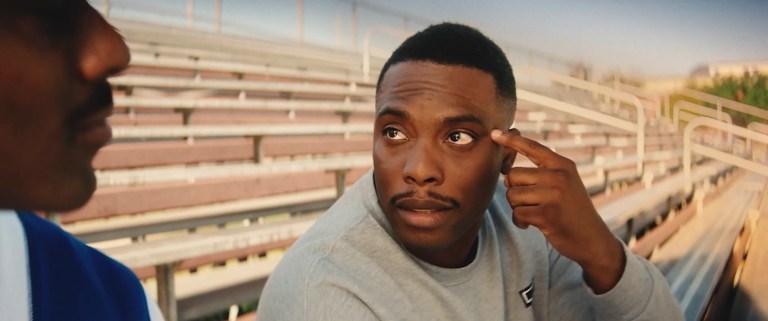
For a fandom long conditioned to read between the lines, it took just a few carefully chosen words from Jason Isaacs to send The OA spiraling back into the cultural conversation. During a recent fan-facing appearance, Isaacs was asked the question that never really goes away: whether the story of Prairie Johnson was truly finished. His answer wasn’t a promise, but it was far from a shutdown—and in the world of canceled prestige television, that distinction matters.
Isaacs clarified that The OA was never creatively abandoned, reiterating that Brit Marling and Zal Batmanglij had the series mapped well beyond its abrupt Season 2 ending. He noted that he knows where the story was heading and how it ultimately concludes, adding that the plan for Season 3 absolutely existed at the time of cancellation. At the same time, he was careful to temper expectations, acknowledging that Netflix still controls the rights and that no formal revival is currently in motion.
That nuance is precisely why the comment hit so hard. For fans who have kept The OA alive through analysis threads, real-world performances, and near-mythological devotion, Isaacs’ words reaffirmed something they’ve always believed: the story wasn’t unfinished because it failed, but because it was cut off mid-flight. What he didn’t say—that production was restarting or deals were imminent—is just as important, setting the stage for a more grounded conversation about what a continuation could realistically look like, and why this series still refuses to fade away.
Context Matters: Separating Hope, Speculation, and Misinterpretation in Isaacs’ Season 3 Update
Jason Isaacs’ comments landed with the kind of gravitational pull that only The OA can generate, but they also require careful parsing. In fandom ecosystems shaped by years of silence, even cautious language can feel revelatory. The difference between creative intent and industrial reality is where this conversation often blurs.
Quick wins for a faster PC:
Repair Windows errors before they cause bigger problemsFix Now →Scan for outdated or missing drivers - takes under a minuteDriver Scan →Clear out junk files and repair common Windows errorsFree Scan →#1 Best Overall

- HD streaming made simple: With America’s number 1 TV streaming platform,* exploring popular apps—plus tons of free movies, shows, and live TV—is as easy as it is fun. *Based on hours streamed—Hypothesis Group
- Compact without compromises: The sleek design of Roku Streaming Stick won’t block neighboring HDMI ports, and it even powers from your TV alone, plugging into the back and staying out of sight. No wall outlet, no extra cords, no clutter.
- No more juggling remotes: Power up your TV, adjust the volume, and control your Roku device with one remote. Use your voice to quickly search, play entertainment, and more.
- Shows on the go: Take your TV to-go when traveling—without needing to log into someone else’s device.
- TV, simplified: With setup that only takes minutes, a simple-to-navigate Home Screen, and an uncluttered remote control that does all you need—Roku makes it easier to watch the TV you love.
What Isaacs Actually Confirmed—and What He Didn’t
At its core, Isaacs reaffirmed something longtime viewers already suspected: The OA was designed as a complete, multi-season narrative. Brit Marling and Zal Batmanglij didn’t improvise past Season 2; they had a clear roadmap, including a defined Season 3 and an ending. That confirmation adds emotional weight, but it stops short of indicating any active development.
Crucially, Isaacs did not suggest that scripts are being dusted off or that Netflix has reopened negotiations. His acknowledgment of the streamer’s ownership of the rights reinforces a familiar barrier. Creative knowledge does not equal creative momentum.
Why The OA Fandom Hears Possibility in Every Pause
The OA exists in a rare space where audience engagement became part of the show’s identity. From interpretive dance flash mobs to elaborate Reddit exegesis, the series trained its viewers to look for meaning beneath the surface. That participatory culture makes any insider comment feel like a clue rather than a footnote.
Isaacs’ phrasing tapped directly into that mindset. Saying the story still exists, fully formed, feels different from a typical post-cancellation shrug. For fans, it validates years of belief that The OA wasn’t merely canceled, but interrupted.
The Streaming-Era Reality Check
Netflix’s history with revivals offers mixed signals at best. While the platform has occasionally reversed cancellations, those decisions are usually driven by clear data shifts or external financing. The OA, expensive and intentionally opaque, never fit neatly into Netflix’s algorithmic success model.
Time also complicates matters. Cast availability, evolving contracts, and the shifting priorities of creators all work against a straightforward continuation. Any future incarnation would likely require a reimagining of format, scale, or distribution rather than a simple Season 3 pickup.
Continuation vs. Cultural Afterlife
Where Isaacs’ update may matter most is in shaping The OA’s long-term legacy. Knowing the story has an ending, even if unseen, reframes the series as a modern cult text rather than an abandoned experiment. It allows the show to exist as a complete mythos, one whose missing chapters invite contemplation rather than closure.
In that sense, the power of Isaacs’ words lies less in reviving production hopes and more in reaffirming meaning. The OA continues to live in the space between what was shown and what was imagined, a rare feat in an industry built on definitive answers.
PC Slower Than It Used to Be?
A free scan shows the junk files, broken settings and background clutter dragging Windows down - then fixes them in one click.Free scan · Windows 10 & 11Outdated Drivers Are Slowing You Down
One free scan finds every outdated or missing driver and matches the right update for your exact hardware.Free scan · exact hardware matchWhy The OA Still Won’t Let Go: The Show’s Cult Legacy and Emotional Afterlife
The OA’s endurance isn’t rooted in nostalgia so much as unfinished emotional business. Few series asked viewers to invest not just attention, but belief, and fewer still rewarded that investment with such intimate sincerity. Long after cancellation, the show continues to feel present, as if it’s waiting rather than gone.
That lingering sensation helps explain why Jason Isaacs’ comments landed with such force. In a landscape crowded with canceled shows, The OA remains uniquely unresolved in a spiritual sense. Its absence still feels active, almost intentional.
A Show That Turned Viewers Into Participants
From the beginning, The OA blurred the line between narrative and experience. The movements, the metaphysics, and the refusal to over-explain created a language fans had to learn together. Watching became an act of interpretation, not consumption.
That design choice fostered a level of emotional authorship rare in television. Fans didn’t just follow Prairie’s journey; they internalized it, debated it, and in some cases performed it. The show’s afterlife lives in that shared authorship, where meaning is continuously rewritten.
Cancellation as Narrative Trauma
The abrupt end of The OA didn’t just halt a plot, it disrupted a relationship. Viewers who had committed to the show’s emotional rhythm were left without resolution, mirroring the series’ own themes of rupture and displacement. That parallel only deepened the attachment.
Rank #2

- Advanced 4K streaming - Elevate your entertainment with the next generation of our best-selling 4K stick, with improved streaming performance optimized for 4K TVs.
- The newest Fire TV experience (2026) – Our biggest update to Fire TV has a new, modern design that gets you to your entertainment fast. Browse dedicated content categories, pin more of your favorite apps, and get personalized recommendations from Alexa+. Spend less time scrolling, and more time watching.
- Cloud gaming, no console required – Stream Call of Duty: Black Ops 7, Hogwarts Legacy, Outer Worlds 2, Ninja Gaiden 4, and hundreds of games on your Fire TV Stick 4K Select with Xbox Game Pass and Luna via cloud gaming. Xbox Game Pass subscription and compatible controller required. Each sold separately.
- Smarter picks with Alexa+ – Getting to what you love has never been easier. Press the voice remote button and talk naturally to find what to watch across your apps, manage your smart home, or dive into virtually any topic.
- Wi-Fi 6 support - Enjoy smooth 4K streaming, even when other devices are connected to your router.
In that context, Isaacs’ reassurance that the story exists in full doesn’t reopen the wound so much as tend to it. It suggests intention where fans feared abandonment. Even without new episodes, it restores a sense of narrative dignity.
Mythmaking in the Streaming Age
Every generation of television has its lost epics, but The OA feels distinctly modern in how its myth has evolved online. Essays, video breakdowns, and ongoing forum debates continue to treat the show as a living text. Its cancellation didn’t end the conversation; it intensified it.
That sustained analysis has elevated The OA beyond cult favorite into something closer to a digital folklore. Like Twin Peaks before it, the gaps are part of the appeal. What isn’t shown becomes as powerful as what was.
Recommended Free Tools
What Legacy Looks Like When Continuation Is Uncertain
Realistically, The OA’s future is more likely to be defined by influence than by episodes. Its DNA can already be felt in newer genre shows willing to privilege feeling over logic and ambiguity over answers. That impact doesn’t require a formal revival to be meaningful.
Isaacs’ update doesn’t promise a return, but it reframes the past. It positions The OA not as a casualty of streaming economics, but as a deliberately unfinished symphony. For a series obsessed with parallel realities, that may be the most fitting legacy of all.
Revisiting the Cancellation: Netflix’s Decision, Creative Ambitions, and Unfinished Design
The shock of The OA’s cancellation in 2019 still reverberates because it felt fundamentally misaligned with what the series was built to do. Netflix framed the decision in familiar terms: cost versus completion rates, a data-driven calculus that increasingly defines the platform’s original programming strategy. For a show as deliberately opaque and structurally ambitious as The OA, that metric was always going to be a precarious fit.
The Algorithm Versus the Long Game
By the time Part II premiered, Netflix was pivoting hard toward scalability and repeatable engagement. The OA, with its dense mythology and refusal to spoon-feed answers, demanded patience rather than passive consumption. It wasn’t designed to spike quickly or play well as background viewing, two qualities the streaming model quietly rewards.
Industry insiders have long suggested that the show’s production costs, combined with its niche appeal, made renewal difficult to justify internally. Yet that logic ignores the way The OA functioned less as content and more as an experience. Its value wasn’t in mass appeal, but in depth of devotion, something far harder to quantify on a quarterly spreadsheet.
A Five-Season Blueprint Left Exposed
Creators Brit Marling and Zal Batmanglij were unusually transparent about having mapped out a five-season arc from the beginning. Part II didn’t just expand the narrative; it actively set the board for an endgame that would have folded identity, performance, and reality into one another. The now-infamous meta turn in the finale wasn’t a stunt, but a hinge.
Jason Isaacs’ recent comments reaffirm that this blueprint still exists in full. That matters because it reframes the cancellation not as a creative dead end, but as an interruption. The story wasn’t abandoned mid-thought; it was paused at the most destabilizing moment by design.
Why The OA Couldn’t Compromise
The OA was never going to become simpler, louder, or more explanatory in later seasons. Its ambition was cumulative, asking viewers to surrender certainty in exchange for emotional resonance. That creative philosophy runs counter to the optimization mindset that increasingly shapes streaming-era television.
What’s actually slowing this PC down?
Pick the symptom - the matching free tool is one click away.
Netflix didn’t cancel The OA because it failed artistically. It canceled it because the show refused to evolve into something more predictable. In that tension lies the core reason the series still feels unfinished rather than concluded.
The Unfinished Design as Part of the Text
In retrospect, the lack of closure has become inseparable from The OA’s identity. A story about fractured realities and unresolved crossings now exists in a fractured state itself, suspended between intention and execution. That irony hasn’t been lost on fans, many of whom see the cancellation as an extension of the narrative rather than its negation.
Rank #3

- The Google TV Streamer (4K) delivers your favorite entertainment quickly, easily, and personalized to you[1,2]
- HDMI 2.1 cable required (sold separately)
- See movies and TV shows from all your services right from your home screen[2]; and find new things to watch with tailored recommendations for everyone in your home based on their interests and viewing habits
- Watch live TV and access over 800 free channels from Pluto TV, Tubi, and more[3]; if you find an interesting show or movie on your TV, mobile app, or Google search, you can easily add it to your watchlist, so it’s ready when you are[2]
- Up to 4K HDR with Dolby Vision delivers captivating, true-to-life detail[4]; and you can connect speakers that support Dolby Atmos for more immersive 3D sound
Isaacs’ Season 3 update doesn’t suggest Netflix is reopening the door. What it does confirm is that there is a door, clearly marked, with rooms beyond it still intact. For a series obsessed with unseen dimensions, knowing they exist may be almost as powerful as visiting them.
Is a Season 3 Even Possible? The Realistic Revival Paths (and the Major Obstacles)
Jason Isaacs’ comments lit up the fandom because they arrived without corporate choreography. There was no press release, no algorithm-friendly tease, just an actor acknowledging that the story still exists and hasn’t been creatively dismantled. That distinction is crucial, because it frames Season 3 as imaginable rather than imminent.
The question isn’t whether The OA could continue in theory. It’s whether the industrial conditions that once made it possible can ever align again.
Netflix: The Hardest Door to Reopen
A direct Netflix revival remains the steepest climb. The platform still owns the IP, and its current strategy prioritizes retention-driven programming with fast onboarding and global scalability. The OA, by design, resists all three.
While Netflix has reversed cancellations before, those cases typically involved clear metrics upside or external leverage. The OA offers prestige and devotion, not predictability, and that imbalance hasn’t shifted in Netflix’s favor since 2019.
The Sense8 Precedent—and Why It’s Misleading
Fans often point to Sense8’s finale movie as proof that Netflix can be persuaded. But that situation was uniquely timed, arriving during a moment when Netflix was still defining its brand around creative goodwill. Today’s version of the company is far less inclined toward symbolic gestures.
Do these 3 things before closing this tab:
1Fix the driver behind crashes, sound loss and screen glitches2Repair Windows errors before they cause bigger problems3Scan for outdated or missing drivers - takes under a minuteMore importantly, The OA’s remaining story was never designed to be compressed. A single wrap-up would likely undermine the structural ambition that made the series matter in the first place.
Alternative Homes and the IP Problem
In theory, another network or streamer could resurrect The OA. In practice, Netflix’s ownership complicates any transfer, especially for a series so closely associated with the platform’s early prestige era.
Even if rights negotiations were possible, the budgetary and creative demands would be significant. The show’s visual language, ensemble cast, and metaphysical scope don’t lend themselves to a stripped-down continuation.
Brit Marling and Zal Batmanglij’s Long Game
One of the quiet variables is timing. Marling and Batmanglij have continued working, evolving their interests without publicly campaigning for revival. That restraint suggests patience rather than surrender.
Free tools Windows power users keep installed
One-click scans. No signup required.
If The OA returns, it will likely be because the creators decide the moment is right, not because fan pressure forces a compromise. That could mean a delayed continuation years from now, or a reimagined form that honors the original blueprint without replicating it beat for beat.
Legacy as Leverage
The OA’s growing reputation as a singular, unresolved work may ultimately be its strongest asset. As streaming libraries age, there’s increasing value in cult titles that generate ongoing discourse rather than passive consumption.
Isaacs’ update doesn’t promise movement. What it does is preserve possibility, keeping The OA in a liminal space where revival isn’t fantasy, but neither is it a product waiting to be greenlit. For a series built around thresholds and crossings, that unresolved state feels strangely on brand.
Rank #4
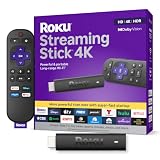
- Stunning 4K and Dolby Vision streaming made simple: With America’s number 1 TV streaming platform,* exploring popular apps—plus tons of free movies, shows, and live TV—is as easy as it is fun. *Based on hours streamed—Hypothesis Group
- Breathtaking picture quality: Stunningly sharp 4K picture brings out rich detail in your entertainment with four times the resolution of HD. Watch as colors pop off your screen and enjoy lifelike clarity with Dolby Vision and HDR10+.
- Seamless streaming for any room: With Roku Streaming Stick 4K, watch your favorite entertainment on any TV in the house, even in rooms farther from your router thanks to the long-range Wi-Fi receiver.
- Shows on the go: Take your TV to-go when traveling—without needing to log into someone else’s device.
- Compact without compromises: Our sleek design won’t block neighboring HDMI ports, so you can switch from streaming to gaming with ease. Plus, it’s designed to stay hidden behind your TV, keeping wires neatly out of sight
The Cast and Creators’ Long Silence—and Why Isaacs Speaking Now Is Significant
For years, what’s defined The OA’s afterlife isn’t noise, but restraint. Aside from occasional expressions of gratitude toward fans, the cast and creators largely avoided fueling speculation. In an era where canceled shows often survive on perpetual teasing, that quiet felt intentional rather than evasive.
The Tool Desk
Outbyte PC Repair FREERepair Windows errors before they cause bigger problemsFix Now →Outbyte Driver Updater FREEFix the driver behind crashes, sound loss and screen glitchesFind Drivers →A Silence That Wasn’t Accidental
Brit Marling and Zal Batmanglij, in particular, have treated The OA less like an unfinished product and more like a sealed text. Their reluctance to explain, revise, or lobby publicly suggested a belief that the story’s integrity mattered more than its visibility. That approach frustrated some fans, but it also preserved the series’ mystique.
Most of the ensemble followed suit. No cryptic tweets. No convention-stage hints. Even as fan campaigns surged, the people closest to the show avoided becoming spokespeople for a revival that wasn’t theirs to promise.
Why Jason Isaacs Breaking Ranks Matters
That’s what makes Jason Isaacs’ recent comments land differently. Isaacs has always been thoughtful about The OA, but he’s also been careful not to overstep the creators’ authority. His acknowledgment of Season 3 conversations, even framed cautiously, signals something more than nostalgia.
Crucially, Isaacs didn’t frame his remarks as a tease or a guarantee. He spoke like someone aware of conversations, not outcomes. That distinction matters in an industry where offhand comments are often misread as greenlights.
Free tools Windows power users keep installed
One-click scans. No signup required.
What the Update Actually Means—and What It Doesn’t
Isaacs speaking now doesn’t indicate production movement, a Netflix reversal, or an imminent announcement. What it does suggest is that The OA isn’t considered closed by everyone involved. The idea of continuation remains alive at a conceptual level, even if it’s dormant operationally.
For fans, that’s a meaningful shift. Silence implied stasis; acknowledgment implies stewardship. It keeps the door ajar without pretending someone is already walking through it.
The Emotional Economy of The OA Fandom
The OA endures because it asked something rare of its audience: belief without assurance. That emotional contract didn’t expire with cancellation. If anything, the lack of resolution intensified the bond, turning the series into a shared question rather than a finished answer.
Isaacs’ comments don’t resolve that question. They validate it. And for a fandom built around faith in unseen connections, that validation carries weight far beyond a typical update.
Quick wins for a faster PC:
Repair Windows errors before they cause bigger problemsFix Now →Scan for outdated or missing drivers - takes under a minuteDriver Scan →Clear out junk files and repair common Windows errorsFree Scan →From Cliffhanger to Mythology: How The OA’s Ending Became Part of Its Cultural Power
The OA didn’t just end on a cliffhanger. It ended on a conceptual rupture that felt deliberately destabilizing, as if the show itself had stepped sideways into another dimension. Season 2’s final moments blurred fiction and reality so aggressively that cancellation almost felt like an extension of the narrative rather than a corporate decision.
That ambiguity has become central to the show’s afterlife. Without a definitive conclusion, The OA exists in a suspended state, one that mirrors its own themes of parallel realities, fractured timelines, and stories that refuse to stay contained. The absence of answers became a feature, not a flaw.
The Ending That Refused Closure
The final episode didn’t just pose unanswered questions; it dismantled the rules viewers thought they understood. Characters crossing into a world where The OA was a TV show, complete with real actor names and meta-awareness, recontextualized everything that came before it.
In another series, that move might have felt like a stunt. Here, it felt like a thesis statement. The OA wasn’t building toward resolution so much as initiation, inviting viewers to participate in meaning-making rather than passively receive it.
Best Value

- 4K streaming made simple:With America’s number 1 TV streaming platform,* exploring popular apps—plus tons of free movies, shows, and live TV—is as easy as it is fun. *Based on hours streamed—Hypothesis Group
- 4K picture quality: With Roku Streaming Stick Plus, watch your favorites with brilliant 4K picture and vivid HDR color.
- Compact without compromises: Our sleek design won’t block neighboring HDMI ports, and it even powers from your TV alone, plugging into the back and staying out of sight. No wall outlet, no extra cords, no clutter.
- No more juggling remotes: Power up your TV, adjust the volume, and control your Roku device with one remote. Use your voice to quickly search, play entertainment, and more.
- Shows on the go: Take your TV to-go when traveling—without needing to log into someone else’s device.
Cancellation as Accidental Canon
When Netflix pulled the plug, the line between narrative intent and real-world interruption became impossible to ignore. Fans began reading the cancellation itself as part of the show’s mythology, a real-world echo of its obsession with unseen forces interrupting lives and stories.
That may not have been the creators’ plan, but it aligned uncannily with the series’ spiritual logic. The idea that a story could be cut off mid-transit, stranded between dimensions, only reinforced its themes of loss, faith, and unfinished journeys.
Why Mythology Outlasts Programming Decisions
Most canceled shows fade because their stories feel incomplete in a conventional sense. The OA endured because incompleteness was always part of its DNA. It trained its audience to sit with uncertainty, to find resonance rather than resolution.
That’s why Isaacs’ recent comments resonate so deeply. They don’t promise answers, but they acknowledge that the mythology is still intact, still being held somewhere. In a media landscape built on constant content churn, The OA’s refusal to fully conclude has become its most powerful legacy.
What Fans Should Take Away Right Now: Cautious Optimism, Creative Legacy, and What Comes Next
Jason Isaacs’ surprise Season 3 comments don’t rewrite history, but they do reframe the present moment. They suggest that The OA was never creatively abandoned, even if it was industrially sidelined. That distinction matters, especially for a fandom trained to read between dimensions rather than between press releases.
What the Update Actually Means — and What It Doesn’t
Isaacs hasn’t announced a greenlight, a script pickup, or secret production plans. What he has confirmed is that the story exists beyond what audiences have seen, and that its architects knew where it was going. In an era where many shows end because writers run out of road, The OA ended because the road was cut off.
That’s a meaningful difference, but it’s not a promise. Fans should resist reading this as imminent revival news, even as they allow space for renewed hope. The update is emotional and creative validation, not contractual confirmation.
Why The OA Still Commands This Level of Devotion
Few Netflix originals have inspired the kind of sustained, almost spiritual engagement that The OA has. Its blend of metaphysical sci-fi, interpretive storytelling, and sincere emotional risk-taking fostered a community that felt like co-authors rather than consumers.
Outdated Drivers Are Slowing You Down
One free scan finds every outdated or missing driver and matches the right update for your exact hardware.Free scan · exact hardware matchPC Slower Than It Used to Be?
A free scan shows the junk files, broken settings and background clutter dragging Windows down - then fixes them in one click.Free scan · Windows 10 & 11That bond didn’t disappear with cancellation. If anything, it intensified, turning the show into a shared artifact fans continue to analyze, protect, and advocate for. Isaacs’ words tap into that ongoing relationship, reminding viewers that their investment wasn’t misplaced.
The Realistic Paths Forward: Revival, Reinterpretation, or Reverence
A traditional Season 3 on Netflix remains a long shot, especially given the platform’s current cost-conscious strategy. However, the modern television landscape offers other possibilities: a limited continuation elsewhere, a reimagined format, or even a future creative project that carries The OA’s DNA without directly resurrecting it.
There’s also the possibility that the story never returns onscreen at all, and instead solidifies its legacy as an unfinished masterpiece. Not every cult classic needs completion to remain influential. Some endure precisely because they leave space for belief.
The Takeaway: Hope Without Illusion
The most honest response to Isaacs’ comments is cautious optimism rooted in respect for the story’s past, not expectation for its future. The OA has already achieved something rare: it escaped its platform and entered the realm of myth.
Whether it ever crosses back into our reality is still uncertain. But for now, fans can take comfort in knowing the story mattered, the creators cared, and the door was never fully closed. In a show obsessed with invisible thresholds, that may be the most fitting update of all.
Quick Recap
Product prices and availability are accurate as of the date/time indicated and are subject to change. Any price and availability information displayed on Amazon at the time of purchase will apply.