Recommended Free Tools
The Electric State didn’t arrive on Netflix quietly—it landed with the kind of algorithm-dominating force usually reserved for established franchises. Within days of release, the retro-futuristic sci‑fi epic surged to the platform’s global #1 spot, signaling another win for Netflix’s strategy of pairing recognizable IP with undeniable star power. For a service constantly chasing the next must-watch movie moment, this one checked every box.
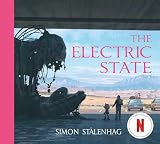
Adapted from Simon Stålenhag’s acclaimed illustrated graphic novel, The Electric State is set in an alternate 1990s scarred by a fallen robot uprising, where abandoned machines dot the American landscape like forgotten monuments. The story follows a teenage girl and her mysterious robot companion on a cross-country journey that blends dystopian sci‑fi with intimate, character-driven emotion. It’s a world that feels instantly cinematic, built on haunting imagery and a tone that sits somewhere between Spielbergian wonder and post-apocalyptic melancholy.

A Prestige Graphic Novel Turned Streaming Event
Netflix’s bet on The Electric State was never subtle. The streamer positioned the film as a premium event release, leaning into its blockbuster scale, high-end visual effects, and the immediate recognizability of its source material among genre fans. This is the same playbook Netflix has used with films like Red Notice and The Gray Man: take a visually ambitious concept, elevate it with marquee talent, and turn opening weekend into a global conversation.
Millie Bobby Brown and Chris Pratt are central to why that conversation traveled so fast. Brown continues to be one of Netflix’s most bankable homegrown stars, with Stranger Things having conditioned audiences to trust her in emotionally grounded sci‑fi. Pratt, meanwhile, brings four-quadrant appeal shaped by Guardians of the Galaxy and Jurassic World, making The Electric State feel familiar enough for casual viewers while still offering something new.
The Tool Desk
Outbyte PC Repair FREEClear out junk files and repair common Windows errorsFree Scan →Outbyte Driver Updater FREEFix the driver behind crashes, sound loss and screen glitchesFind Drivers →#1 Best Overall

- IMMERSE YOURSELF IN SIMON STÅLENHAG'S EPIC ADVENTURE: Experience the surreal beauty and haunting dystopia of an alternate 1997 America through an RPG campaign based on the acclaimed art book The Electric State.
- DISCOVER A WORLD IN DECLINE: Navigate a fantasy landscape filled with discarded battle drones and the remnants of a once-thriving tech-driven society, creating a visually and emotionally stunning backdrop for your tabletop roleplaying adventure.
- BUILD STRONG CHARACTER BONDS: Collaborate with your friends as you uncover secrets, face moral dilemmas, and challenge your perceptions of friendship, loyalty, and survival.
- POWERED BY THE YEAR ZERO ENGINE: Enjoy the dynamic, award-winning mechanics from Free League’s popular games like Tales From the Loop and Blade Runner RPG, delivering smooth gameplay and rich storytelling opportunities.
- A JOURNEY-DRIVEN ILLUSTRATED RULEBOOK: This role-playing game quest book emphasizes exploration and personal growth, focusing on the travelers' experiences and how the post-apocalyptic world shapes them along the way.
The #1 ranking reflects more than curiosity—it underscores how Netflix audiences respond to big-budget originals that feel theatrical in scope but accessible at home. By merging a cult-favorite graphic novel with globally recognizable stars, Netflix didn’t just release another original movie; it engineered a streaming-first blockbuster designed to travel across territories, age groups, and taste profiles.
Debuting at the Top: Breaking Down ‘The Electric State’s’ #1 Netflix Performance
The Electric State didn’t ease its way onto Netflix’s charts—it arrived fully formed as a dominant opening-week title. Debuting at #1 globally, the film quickly established itself as a marquee release rather than a slow-burn discovery, signaling that audiences showed up the moment it landed. That kind of immediate traction is exactly what Netflix prioritizes when it pours blockbuster-level resources into an original film.
This wasn’t just a strong U.S. showing padded by algorithmic visibility. The Electric State traveled exceptionally well across international markets, reinforcing Netflix’s belief that sci‑fi spectacle paired with recognizable stars can transcend language and cultural barriers. Its alternate-history setting and visually driven storytelling made it instantly digestible, even for viewers unfamiliar with the graphic novel.
Opening-Weekend Momentum and the Netflix Algorithm Effect
Netflix’s ranking system rewards velocity, and The Electric State generated it fast. High completion rates, strong rewatch behavior, and prominent homepage placement created a feedback loop that pushed the film further into casual viewers’ feeds. Once a title reaches that tipping point, Netflix’s ecosystem effectively turns interest into inevitability.
Windows Errors? Fix Them Before They Spread
Repair common Windows errors and clear accumulated junk for a smoother, more stable PC - no reinstall needed.Free scan · no reinstallOutdated Drivers Are Slowing You Down
One free scan finds every outdated or missing driver and matches the right update for your exact hardware.Free scan · exact hardware matchUnlike theatrical releases, where opening weekend numbers dominate the narrative, streaming success hinges on sustained engagement over several days. The Electric State benefitted from being a visually immersive, plot-driven experience that encouraged viewers to stick through the runtime rather than sample and abandon. That stickiness is often the difference between a movie that charts briefly and one that owns the top spot.
Star Power as a Click-Through Engine
Millie Bobby Brown remains one of Netflix’s most reliable audience magnets, and her presence here functioned as an instant trust signal. For viewers raised on Stranger Things, her involvement suggests emotional stakes beneath the spectacle, making The Electric State feel less like abstract sci‑fi and more like a character-first journey. That familiarity lowers the barrier to entry, especially for viewers scrolling without a firm plan.
Chris Pratt complements that appeal by widening the demographic reach. His established blockbuster persona brings in audiences who might not otherwise gravitate toward dystopian science fiction, particularly families and casual viewers seeking something with scale and personality. Together, Brown and Pratt create a rare streaming-friendly pairing that feels both premium and approachable.
A Textbook Example of Netflix’s Blockbuster Strategy
The Electric State’s #1 debut reinforces Netflix’s ongoing commitment to theatrical-scale originals built around globally recognizable talent. This is the same strategic lane as Red Notice and The Adam Project, where upfront investment is justified by immediate cultural impact rather than long-tail prestige. In this model, success is defined by conversation, visibility, and sustained chart presence—not awards positioning.
What’s notable is how confidently Netflix continues to deploy this approach even as the broader streaming landscape tightens budgets. The Electric State performing at the top validates the idea that audiences still show up for ambitious, star-driven films when they feel like events. For Netflix, that’s not just a win for one movie—it’s proof that the streaming-first blockbuster remains a powerful draw.
Millie Bobby Brown’s Netflix Legacy: Why She Remains One of the Platform’s Most Reliable Stars
Millie Bobby Brown’s relationship with Netflix is no longer just a success story—it’s a proven business model. From the moment Stranger Things became a global phenomenon, Brown evolved from breakout talent into one of the platform’s most dependable drivers of viewership. The Electric State doesn’t introduce her as a risk; it deploys her as a known quantity with built-in audience trust.
Her presence signals tone and intention. Viewers know they’re getting emotional grounding alongside genre spectacle, a balance Netflix has learned to lean on when launching ambitious originals at scale.
From Breakout Star to Algorithm-Proof Draw
What separates Brown from many streaming-era stars is her consistency across projects. Enola Holmes, its sequel, and now The Electric State all demonstrate her ability to anchor very different tones while still delivering strong opening-week performance. That range makes her unusually algorithm-resistant in an ecosystem driven by fast audience decisions.
Netflix benefits from this reliability in a tangible way. When Brown headlines a release, it reduces the friction of discovery, converting passive browsers into active viewers before marketing even enters the equation.
Rank #2
A Generational Anchor for Netflix’s Core Audience
Brown also occupies a rare sweet spot in terms of audience reach. She resonates deeply with Gen Z viewers who grew up alongside Stranger Things, while remaining accessible to older demographics through family-friendly genre storytelling. That cross-generational appeal is especially valuable for Netflix, where success depends on mass participation rather than niche domination.
In The Electric State, she serves as the emotional entry point into a visually dense world. Even viewers unfamiliar with the source material can latch onto her perspective, grounding the film’s scale in something recognizably human.
Why Netflix Keeps Building Around Her
Netflix’s continued investment in Brown reflects a broader strategy: pairing big budgets with stars who can justify them on day one. She’s not positioned as prestige bait or awards fodder, but as a dependable catalyst for immediate engagement and sustained chart performance. That makes her invaluable in a release model where momentum matters more than critical runway.
Quick wins for a faster PC:
Scan for outdated or missing drivers - takes under a minuteDriver Scan →Repair Windows errors before they cause bigger problemsFix Now →The Electric State reinforces that calculus. Its #1 performance isn’t just about spectacle or marketing reach—it’s about placing a trusted face at the center of an event-sized release and letting audience loyalty do the rest.
What Her Success Signals for Netflix’s Future Slate
Brown’s ongoing dominance suggests Netflix will continue doubling down on star-led vehicles that feel personal despite their scale. Rather than chasing novelty alone, the platform is betting on familiarity paired with ambition, using performers like Brown to bridge the gap between brand and story.
As Netflix refines its blockbuster identity, Millie Bobby Brown stands as one of its clearest advantages: a star whose name doesn’t just attract clicks, but sustains viewing long enough to turn a release into a genuine streaming event.
Chris Pratt’s Streaming Pull: Translating Blockbuster Persona to Netflix Success
If Millie Bobby Brown anchors The Electric State emotionally, Chris Pratt widens the aperture. His presence instantly reframes the film as a four-quadrant event rather than a niche sci-fi experiment, signaling approachability to viewers scrolling for something familiar. On Netflix, where recognition often determines the first click, Pratt’s blockbuster résumé functions as a shortcut to trust.
Do these 3 things before closing this tab:
1Repair Windows errors before they cause bigger problems2Scan for outdated or missing drivers - takes under a minute3Clear out junk files and repair common Windows errorsA Theatrical Star Who Makes Sense at Home
Pratt’s career has been built on franchises that thrive on clarity, momentum, and broad appeal—from Guardians of the Galaxy to Jurassic World and even The Super Mario Bros. Movie. Those same qualities translate cleanly to streaming, where audiences gravitate toward stars who promise entertainment without homework. The Electric State benefits from that expectation, positioning Pratt as a guide through a high-concept world rather than a barrier to entry.
Unlike prestige-driven casting that leans on awards credibility, Pratt’s value lies in familiarity. Viewers know what they’re getting, and in a crowded content ecosystem, that predictability can be an advantage rather than a drawback.
Algorithm-Friendly Star Power
Netflix’s recommendation engine favors performers with proven engagement across demographics, and Pratt checks nearly every box. He appeals to families, genre fans, and international audiences who respond to physical storytelling and clear character archetypes. That makes him especially effective in driving sustained viewing beyond opening weekend, a key factor in maintaining a #1 ranking rather than debuting high and dropping fast.
His casting also complements Brown’s strengths rather than competing with them. Together, they create a tonal balance that broadens the film’s reach: youthful emotional investment paired with veteran blockbuster energy.
What Pratt’s Role Reveals About Netflix’s Movie Strategy
The Electric State underscores Netflix’s growing confidence in importing theatrical star logic directly into its original film slate. By pairing Brown’s platform-native popularity with Pratt’s global box office persona, Netflix effectively merges two audience pipelines into one release. The result is a movie that feels both algorithmically optimized and culturally legible.
For Netflix, Pratt’s contribution isn’t about redefining his image—it’s about deploying it strategically. His involvement reinforces the platform’s commitment to big-budget, star-driven originals that play like events, even when they debut on a home screen.
The Russo Brothers Effect: Scale, Spectacle, and Event-Movie DNA
If star power gets viewers to click, the Russo Brothers are often what convinces them to stay. After redefining modern blockbuster rhythm with Marvel’s biggest chapters, Joe and Anthony Russo bring a sense of scale to The Electric State that instantly separates it from mid-budget streaming fare. The film doesn’t just look expensive; it feels architected, paced, and framed like something designed to dominate attention.
That sensibility matters on Netflix, where audiences scroll past dozens of options that technically qualify as “big.” The Russos understand how to signal importance within the first few minutes, using world-building, visual density, and controlled spectacle to communicate that this is a feature meant to be watched now, not saved for later.
Free tools Windows power users keep installed
One-click scans. No signup required.
Event-Movie Craft Built for the Home Screen
The Electric State carries the DNA of a theatrical event even as it’s optimized for living-room viewing. The Russos lean into large-scale visual storytelling that reads clearly on smaller screens without sacrificing scope, an increasingly valuable skill in the streaming era. The result is a film that feels immersive rather than overwhelming, accessible without being simplistic.
That balance helps explain the movie’s sustained #1 placement. Netflix hits don’t just spike on curiosity; they need completion rates and repeat engagement to stay on top. By delivering momentum-driven storytelling with clear emotional throughlines, the Russos ensure the film plays smoothly across age groups and attention spans.
Trust as a Streaming Currency
For many viewers, the Russo name functions as a quality guarantee. Even casual audiences recognize the shorthand: polished action, coherent spectacle, and crowd-pleasing execution. That trust lowers the friction to press play, especially for a high-concept sci-fi story that might otherwise feel intimidating.
Netflix has increasingly prioritized filmmakers who bring that built-in credibility. The Electric State fits neatly into a strategy that favors recognizable creative brands alongside recognizable stars, reinforcing the sense that these originals are not experiments, but tentpole experiences.
Why the Russos Elevate Netflix’s Big-Budget Strategy
The Russos’ involvement reinforces Netflix’s push toward movies that feel culturally central, not disposable. Their direction aligns with the platform’s desire to replicate the impact of theatrical openings within a streaming ecosystem, where conversation and visibility drive success as much as raw view counts.
Paired with Millie Bobby Brown’s platform-native popularity and Chris Pratt’s global familiarity, the Russos provide the connective tissue that turns The Electric State into more than a star vehicle. They give the film its event-movie backbone, ensuring that Netflix’s investment translates into sustained dominance rather than a fleeting chart appearance.
Why Audiences Clicked Play: Tone, World-Building, and Four-Quadrant Appeal
What ultimately pushed The Electric State to the top of Netflix’s charts wasn’t just name recognition, but how carefully the film calibrates its tone. It occupies a sweet spot between spectacle and sentiment, offering a sci-fi adventure that feels emotionally grounded rather than aggressively dystopian. For a home-viewing audience juggling distractions, that clarity of tone matters.
The film understands that streaming hits thrive when they feel welcoming on first glance. From its opening moments, The Electric State signals that it’s a journey-driven story with humor, heart, and momentum, not a dense lore puzzle that requires homework. That accessibility widens the funnel, turning curiosity into actual playtime.
A World That Feels Lived-In, Not Locked-Off
The film’s retro-futuristic setting is one of its strongest hooks, but its success lies in restraint. Instead of overwhelming viewers with exposition, the Russos let the world unfold through movement, character interactions, and visual shorthand. Audiences don’t need to understand every rule of this universe to feel oriented within it.
That approach is especially effective on Netflix, where viewers often make snap judgments within the first ten minutes. The Electric State looks expensive and distinctive, but it never feels alienating. Its robots, landscapes, and tech feel tactile and familiar, evoking nostalgia while still offering something new.
This balance keeps the focus on emotional stakes rather than world mechanics. The setting enhances the story without demanding total attention, which helps explain the film’s strong completion rates. Viewers stay because the world supports the narrative instead of competing with it.
Rank #4

- ✯ A GIFT THEY'LL ACTUALLY LOVE - Be a legend with this signed printed poster of one of the mega blockbuster movies, Electric State 2025. A starstruck present for them and top present-giving points to you!
- ✯ YOU WON'T FIND A BETTER PRODUCT FOR THE PRICE - Just like the real thing but without the cost, Fans and collectors of any age will be delighted to receive this authentic-looking display that makes for a unique addition to their collectors' memorabilia
- ✯ ARRIVES READY TO GIVE AS A GIFT - Our 16" x 12" poster prints come framed in a sleek Black Polycarbonate frame that compliments the matt mount display. Lightweight, but of the highest quality - Simply perfect for a birthday, Christmas, or any kind of gift!
- ✯ QUALITY ALL THE WAY - Professionally made and finished in our studio, these displays are quality checked and parcelled up with care using robust packing materials to ensure they arrive in mint condition
Millie Bobby Brown as the Emotional Anchor
Millie Bobby Brown’s role is central to why the film connects across age groups. She brings a grounded sincerity that anchors the film’s more fantastical elements, continuing a skill set she’s refined through years as one of Netflix’s most recognizable faces. For younger viewers, she’s a peer; for older audiences, she’s a proven lead who carries emotional weight.
What’s actually slowing this PC down?
Pick the symptom - the matching free tool is one click away.
Her performance gives the film its emotional throughline, turning the journey into something personal rather than purely plot-driven. That relatability is crucial for a four-quadrant hit, especially in a genre that can skew cold or mechanical. Brown makes the stakes legible and human, which helps viewers invest quickly.
Netflix benefits from that familiarity. Brown’s presence signals continuity with the platform’s past successes while also positioning her as a maturing star capable of leading big-budget features, not just series.
Chris Pratt and the Comfort of Familiar Energy
Chris Pratt’s role adds another layer of accessibility. His established screen persona brings warmth, humor, and an easygoing charm that softens the film’s darker undertones. Audiences know what they’re getting with Pratt, and that predictability works in the film’s favor.
He functions as a tonal stabilizer, ensuring the movie never tips too far into bleakness. For casual viewers, his presence reassures that The Electric State is meant to entertain, not exhaust. That’s a powerful draw in a crowded content landscape where viewers are often choosing comfort over challenge.
Pratt’s global recognition also broadens the film’s reach internationally, reinforcing Netflix’s emphasis on stars who translate across markets. Combined with Brown’s platform-native appeal, the casting covers multiple demographics without feeling calculated.
A True Four-Quadrant Streaming Play
The Electric State succeeds because it’s engineered to be watched together or alone, attentively or casually. Families can engage with its adventure elements, genre fans can appreciate its world-building, and general audiences can enjoy it as a star-driven journey with emotional payoff. That flexibility is key to streaming dominance.
Netflix’s algorithm rewards films that attract diverse viewers and sustain engagement over days, not hours. By offering a tone that’s adventurous but gentle, expansive but intimate, The Electric State checks those boxes. It’s the kind of movie that people recommend with an easy, “Just put it on,” which remains the most powerful marketing tool on streaming.
In that sense, the film exemplifies Netflix’s evolving blockbuster philosophy. Big budgets and stars matter, but they only convert into #1 rankings when paired with tone, clarity, and emotional approachability. The Electric State didn’t just earn clicks; it earned trust, and that’s what keeps a film on top.
Outdated Drivers Are Slowing You Down
One free scan finds every outdated or missing driver and matches the right update for your exact hardware.Free scan · exact hardware matchPC Slower Than It Used to Be?
A free scan shows the junk files, broken settings and background clutter dragging Windows down - then fixes them in one click.Free scan · Windows 10 & 11How ‘The Electric State’ Fits Netflix’s Big-Budget Star Strategy
Netflix didn’t stumble into a #1 hit with The Electric State. The film is a clean expression of the platform’s ongoing bet on event-sized originals powered by recognizable stars, premium production values, and genre storytelling that plays globally without friction.
Rather than chasing theatrical validation, Netflix is optimizing for immediate scale. Movies like The Electric State are designed to feel expensive, familiar, and culturally legible the moment they land on the homepage. That combination remains the fastest path to the Top 10.
Event Movies Built for the Homepage
Netflix’s big-budget strategy prioritizes instant clarity. The Electric State communicates its promise at a glance: sci-fi adventure, emotional stakes, and stars viewers already trust. That matters in a scrolling environment where decisions are made in seconds, not minutes.
The film’s scale is also deliberate. Large visual set pieces and polished effects signal importance, reassuring subscribers that this is a “main attraction” release, not background content. Netflix has learned that spectacle still matters on streaming, as long as it’s paired with accessibility.
Star Power as a Discovery Engine
Millie Bobby Brown and Chris Pratt aren’t just cast for performance; they’re discovery tools. Brown connects directly to Netflix’s long-time subscriber base, while Pratt pulls in viewers who might not otherwise click on an original sci-fi film. Together, they reduce risk and widen the funnel.
Netflix has increasingly stacked its originals with stars who feel familiar but not overexposed on the platform. That balance keeps releases feeling special without alienating viewers who want comfort. The Electric State benefits from that equilibrium, turning casting into a built-in marketing advantage.
Premium IP Without Franchise Baggage
By adapting Simon Stålenhag’s graphic novel, Netflix taps into recognizable IP without inheriting the complexity of an existing franchise. That’s a sweet spot the streamer has returned to repeatedly, offering worlds that feel rich and pre-sold but remain approachable for casual audiences.
The Electric State doesn’t require homework, which lowers the barrier to entry. Viewers can jump in knowing they’ll get a complete experience, not the first chapter of a sprawling saga. For Netflix, that containment increases completion rates and repeat recommendations.
Do these 3 things before closing this tab:
1Repair Windows errors before they cause bigger problems2Fix the driver behind crashes, sound loss and screen glitches3Clear out junk files and repair common Windows errorsA Global-First Calculation That Pays Off
Netflix’s biggest originals are built to travel, and The Electric State fits that mandate cleanly. Its themes are universal, its storytelling visual, and its stars internationally recognizable. That alignment helps explain how the film climbed quickly to #1 rather than peaking briefly and fading.
Success on Netflix isn’t just about opening-weekend buzz; it’s about sustained global engagement. The Electric State’s performance signals that the streamer’s big-budget, star-led approach still works when tone, casting, and scale are carefully calibrated. For Netflix, it’s another confirmation that the right kind of blockbuster doesn’t need theaters to dominate the conversation.
What This #1 Hit Signals for Netflix’s Future Original Movies
The Electric State landing at #1 isn’t just a win for one title; it’s a data point Netflix will study closely. In an era where big-budget originals face sharper scrutiny, the film reinforces that scale still matters when it’s paired with clarity of vision and accessible storytelling. Netflix doesn’t need every release to be an event, but it does need a few that remind audiences why they open the app in the first place.
Star-Led Originals Are Still a Safe Bet
Millie Bobby Brown and Chris Pratt prove that star power remains one of Netflix’s most reliable accelerators. Their involvement didn’t just drive initial clicks; it helped the film break out beyond the platform’s core sci-fi audience. For Netflix, that kind of cross-demographic pull is invaluable, especially as competition for attention intensifies.
Free tools Windows power users keep installed
One-click scans. No signup required.
Expect the streamer to continue leaning into this model, particularly for tentpole-style originals. Well-known faces provide immediate context in a crowded interface, turning browsing into decision-making faster. The Electric State validates that recognizable stars, when paired with the right material, still move the needle globally.
Big Budgets, But With Controlled Ambition
The film’s success also highlights a subtle shift in Netflix’s blockbuster philosophy. Rather than chasing endless franchise potential, The Electric State delivers a complete, self-contained experience that feels premium without overextending. That restraint makes the budget feel purposeful instead of indulgent.
This approach reduces long-term risk while still offering cinematic spectacle. Netflix can justify investing heavily when the end product is designed to satisfy in a single viewing, boosting completion rates and word-of-mouth. It’s a reminder that scale works best when it serves story, not sequel setup.
Sci-Fi That Prioritizes Emotion Over Lore
Another takeaway is how effectively The Electric State balances world-building with emotional accessibility. Its sci-fi elements enhance the narrative without overwhelming it, making the film approachable for viewers who might normally avoid the genre. That balance broadens appeal and keeps engagement high across regions.
For Netflix, this signals a path forward for genre filmmaking on streaming. High-concept ideas work best when they’re grounded in character and tone rather than dense mythology. The platform’s future sci-fi hits are likely to follow this blueprint.
A Blueprint for Future Netflix “Movie Nights”
Ultimately, The Electric State feels engineered for a specific kind of success: the at-home movie night that still feels like an event. It’s polished, star-driven, and emotionally legible, designed to be watched and recommended rather than sampled and abandoned. That’s exactly the behavior Netflix wants to encourage.
As the streamer refines its original film strategy, this #1 hit stands as a clear signal. Audiences will show up for big ideas, familiar faces, and complete stories when they’re packaged with confidence. The Electric State doesn’t just top the charts; it quietly outlines what the next era of Netflix original movies is likely to look like.
Quick Recap
Product prices and availability are accurate as of the date/time indicated and are subject to change. Any price and availability information displayed on Amazon at the time of purchase will apply.
The Tool Desk
Outbyte PC Repair FREERepair Windows errors before they cause bigger problemsFix Now →Outbyte Driver Updater FREEFix the driver behind crashes, sound loss and screen glitchesFind Drivers →



