Do these 3 things before closing this tab:
1Fix the driver behind crashes, sound loss and screen glitches2Repair Windows errors before they cause bigger problems3Scan for outdated or missing drivers - takes under a minutePierce Brosnan doesn’t casually float sequel talk, which is why his recent suggestion that MobLand could return for a second season has landed with unusual weight. When a veteran actor with producing insight says “people would love to see it,” it signals more than goodwill—it suggests awareness of how the show is tracking internally and how its audience is responding. In today’s streaming climate, that kind of confidence usually comes from data, not hope.
The timing matters, too. MobLand arrived into a crowded field of prestige crime dramas, yet quickly carved out a conversation thanks to its hard-edged tone, international scope, and Brosnan’s presence anchoring the chaos. While official viewership figures remain guarded—as is standard for streaming platforms—the series has shown the kind of sustained engagement and critical chatter that streamers prioritize when weighing renewals, especially for adult-skewing originals.
For fans waiting on confirmation, Brosnan’s comments function as a temperature check rather than a promise. Streamers now look beyond premiere-week buzz, focusing on completion rates, global performance, and whether a show strengthens their brand identity over time. His optimism suggests MobLand is hitting enough of those markers to keep Season 2 firmly in play, even if the final decision still sits behind closed doors.
What Exactly Brosnan Said — And How Much Weight His Words Carry
The Quote That Sparked the Conversation
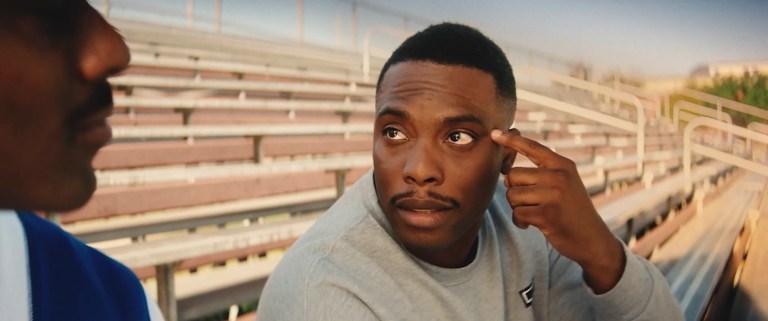
Brosnan’s Season 2 optimism came during a recent interview while promoting MobLand, when he was asked directly about the show’s future. His response was measured but telling: “I think people would love to see it,” delivered with the calm assurance of someone who knows more than he can publicly share. It wasn’t framed as wishful thinking or fan service, but as a matter-of-fact observation about audience appetite.
#1 Best Overall

- HD streaming made simple: With America’s number 1 TV streaming platform,* exploring popular apps—plus tons of free movies, shows, and live TV—is as easy as it is fun. *Based on hours streamed—Hypothesis Group
- Compact without compromises: The sleek design of Roku Streaming Stick won’t block neighboring HDMI ports, and it even powers from your TV alone, plugging into the back and staying out of sight. No wall outlet, no extra cords, no clutter.
- No more juggling remotes: Power up your TV, adjust the volume, and control your Roku device with one remote. Use your voice to quickly search, play entertainment, and more.
- Shows on the go: Take your TV to-go when traveling—without needing to log into someone else’s device.
- TV, simplified: With setup that only takes minutes, a simple-to-navigate Home Screen, and an uncluttered remote control that does all you need—Roku makes it easier to watch the TV you love.
That phrasing matters. Actors often dodge renewal questions with vague enthusiasm, yet Brosnan chose language that implied awareness of momentum rather than speculation. He didn’t promise anything, but he also didn’t hedge, which in today’s media-trained landscape is a notable distinction.
Why Brosnan Isn’t Just Another Cast Member
Brosnan’s words carry additional weight because he isn’t simply the face of MobLand. He’s deeply involved in shaping the series and has long operated with a producer’s mindset, even when not officially credited in that role. That proximity to decision-makers, performance metrics, and internal conversations gives his comments a different resonance than those of a co-star reacting purely as a fan.
Veteran actors of Brosnan’s stature also tend to be careful about managing expectations. When they speak optimistically about a continuation, it’s often because the signals they’re receiving are more encouraging than discouraging. Silence or deflection usually accompanies projects that are truly on the bubble.
Reading Between the Lines in a Data-Driven Era
It’s important to note what Brosnan didn’t say. He didn’t confirm a renewal, reference scripts, or hint at production timelines, all of which would suggest a deal already in place. Instead, his comment aligns with the current streaming reality, where renewals hinge on weeks or even months of performance analysis rather than overnight decisions.
Quick wins for a faster PC:
Fix the driver behind crashes, sound loss and screen glitchesFind Drivers →Repair Windows errors before they cause bigger problemsFix Now →For fans, this places MobLand in a familiar but promising holding pattern. Brosnan’s confidence suggests the show is performing well enough to justify serious internal discussion, even if the platform isn’t ready to make it official. In an industry where enthusiasm is often tempered by analytics, his tone implies MobLand is passing more tests than it’s failing.
MobLand’s Season 1 Performance: Ratings, Buzz, and Viewer Engagement
A Solid Opening in a Crowded Crime Landscape
MobLand arrived into an already saturated field of prestige crime dramas, yet it managed to carve out its own lane quickly. While the platform hasn’t released granular viewership figures, early indicators suggest the series performed comfortably above the threshold that typically keeps shows in renewal conversations. Its debut weeks showed sustained interest rather than a sharp spike-and-drop, a key metric streamers quietly value.
More importantly, MobLand didn’t feel like a curiosity watch. Viewer retention across episodes appeared strong, signaling that audiences weren’t just sampling the pilot but committing to the season’s slow-burn storytelling and morally tangled power dynamics.
Audience Reception and Critical Conversation
Critical response landed in the “measured praise” category rather than universal acclaim, but that’s often a sweet spot for gritty genre television. Reviewers highlighted the show’s grounded tone, deliberate pacing, and Brosnan’s commanding presence as a departure from flashier crime fare. That kind of feedback tends to age well, especially as word-of-mouth builds beyond opening weekend hype.
Windows Errors? Fix Them Before They Spread
Repair common Windows errors and clear accumulated junk for a smoother, more stable PC - no reinstall needed.Free scan · no reinstallCrashes, No Sound, or Screen Glitches?
Random freezes, missing sound and display glitches usually trace back to one bad driver. Find and replace yours safely.Free scan · under a minuteOn social platforms and fan forums, the conversation leaned less toward shock moments and more toward character motivation and long-game plotting. That depth of discussion is a strong signal of engagement, particularly for platforms prioritizing series that encourage ongoing subscription loyalty rather than quick viral hits.
Streaming Buzz and Long-Tail Engagement
MobLand also benefited from something many shows struggle to achieve: consistent visibility after its premiere window. It continued circulating in “what to watch next” conversations, fueled by recommendations tied to comparable titles rather than marketing pushes alone. That kind of organic discovery is increasingly important as streamers assess long-tail value.
Rank #2

- Advanced 4K streaming - Elevate your entertainment with the next generation of our best-selling 4K stick, with improved streaming performance optimized for 4K TVs.
- The newest Fire TV experience (2026) – Our biggest update to Fire TV has a new, modern design that gets you to your entertainment fast. Browse dedicated content categories, pin more of your favorite apps, and get personalized recommendations from Alexa+. Spend less time scrolling, and more time watching.
- Cloud gaming, no console required – Stream Call of Duty: Black Ops 7, Hogwarts Legacy, Outer Worlds 2, Ninja Gaiden 4, and hundreds of games on your Fire TV Stick 4K Select with Xbox Game Pass and Luna via cloud gaming. Xbox Game Pass subscription and compatible controller required. Each sold separately.
- Smarter picks with Alexa+ – Getting to what you love has never been easier. Press the voice remote button and talk naturally to find what to watch across your apps, manage your smart home, or dive into virtually any topic.
- Wi-Fi 6 support - Enjoy smooth 4K streaming, even when other devices are connected to your router.
Binge completion rates, while not public, are widely understood to factor heavily into renewal decisions. MobLand’s serialized structure and restrained episode count worked in its favor, encouraging viewers to finish the season rather than drift away midway.
Why Performance Context Matters for Season 2
In today’s streaming economy, success isn’t defined by blockbuster numbers alone. It’s about efficiency, audience loyalty, and whether a show strengthens a platform’s brand identity. MobLand appears to check several of those boxes, especially as a mature crime drama anchored by a globally recognizable lead.
Free tools Windows power users keep installed
One-click scans. No signup required.
That context gives Pierce Brosnan’s optimism more weight. His comments don’t exist in a vacuum; they align with a performance profile that suggests MobLand is doing exactly what it needs to do to justify another chapter, even if the official word hasn’t arrived yet.
How MobLand Fits Into the Current Streaming Crime-Drama Landscape
MobLand arrives at a moment when streaming platforms are recalibrating what a successful crime drama looks like. The era of hyper-stylized, shock-heavy prestige crime is giving way to more grounded, character-forward storytelling that rewards patience. In that sense, MobLand feels less like a throwback and more like a deliberate course correction.
Rather than chasing the operatic excess of some recent crime hits, the series leans into moral ambiguity, quiet menace, and performance-driven tension. That approach places it closer to shows that prioritize atmosphere and long-term character arcs over constant narrative escalation. It’s a lane that may not generate instant viral moments, but it tends to build durable audiences.
A Middle Ground Between Prestige and Accessibility
What makes MobLand particularly appealing to streamers is how neatly it occupies the space between highbrow prestige and mainstream accessibility. It’s serious without being austere, gritty without becoming alienating, and elevated without feeling self-important. That balance is increasingly rare, and increasingly valuable, as platforms look to serve broad adult audiences without ballooning budgets.
Pierce Brosnan’s presence plays a significant role here. He brings instant recognition and credibility, but the show doesn’t rely solely on star power to carry engagement. Instead, Brosnan functions as an anchor, drawing viewers in while the ensemble and world-building do the long-term work.
Why Crime Dramas Like MobLand Are Still a Safe Bet
Despite constant headlines about genre fatigue, crime dramas remain one of the most reliable performers in streaming libraries. They travel well internationally, encourage binge viewing, and tend to age gracefully as discovery titles. MobLand’s restrained tone and serialized storytelling align well with those strengths.
For platforms evaluating renewals, that kind of steady performance often outweighs splashy debut metrics. A show that continues to be discovered months after release, and keeps viewers engaged through completion, can be more valuable than one that burns hot and fades quickly. MobLand appears positioned firmly in that long-game category.
What Brosnan’s Optimism Signals in This Environment
Within this broader landscape, Pierce Brosnan’s confidence about a potential Season 2 feels less like wishful thinking and more like informed optimism. Actors at his level are typically aware of performance indicators long before official announcements are made. His comments suggest MobLand is aligning with the metrics that matter most right now, not just headlines, but sustained relevance.
Recommended Free Tools
Rank #3

- The Google TV Streamer (4K) delivers your favorite entertainment quickly, easily, and personalized to you[1,2]
- HDMI 2.1 cable required (sold separately)
- See movies and TV shows from all your services right from your home screen[2]; and find new things to watch with tailored recommendations for everyone in your home based on their interests and viewing habits
- Watch live TV and access over 800 free channels from Pluto TV, Tubi, and more[3]; if you find an interesting show or movie on your TV, mobile app, or Google search, you can easily add it to your watchlist, so it’s ready when you are[2]
- Up to 4K HDR with Dolby Vision delivers captivating, true-to-life detail[4]; and you can connect speakers that support Dolby Atmos for more immersive 3D sound
For fans, that means his remarks should be read as encouragement, not confirmation. MobLand fits neatly into where the streaming crime genre is heading, and that alignment strengthens its case. Whether the greenlight comes sooner or later, the series is clearly operating in a space the industry still actively values.
Creative Threads Left Hanging: Why the Story Feels Built for Season 2
Beyond the business logic and genre durability, MobLand’s strongest argument for continuation may simply be how deliberately unfinished it feels. The first season resolves immediate conflicts without closing off its larger questions, leaving the narrative in a place that feels intentionally transitional rather than conclusive. That kind of structural restraint is rarely accidental, especially in modern streaming where writers are often encouraged to design flexible endpoints.
Power Vacuums Don’t Stay Empty for Long
By the season’s final episodes, MobLand reshapes its criminal hierarchy without fully stabilizing it. Alliances shift, loyalties fracture, and the consequences of those changes are only partially explored. The result is a city that feels more dangerous at the end of the season than it did at the beginning, a classic setup for escalation rather than closure.
Brosnan’s character, in particular, occupies a precarious position that invites further exploration. His authority feels tested, not cemented, suggesting that Season 1 was more about establishing leverage than exercising it. That lingering instability reads like narrative fuel, not a loose end.
What’s actually slowing this PC down?
Pick the symptom - the matching free tool is one click away.
Character Arcs That Have Only Just Opened Up
Several key characters finish the season at emotional crossroads rather than endpoints. Personal betrayals, moral compromises, and unresolved histories are introduced or intensified late in the run, with little time left to fully explore their fallout. For a series this grounded, those internal consequences are just as important as the external power struggles.
This is where Brosnan’s comments about “people wanting to see it” land with particular weight. Audiences tend to respond most strongly when characters feel mid-journey, not fully transformed or punished. MobLand leaves enough psychological terrain unexplored to make a second season feel less like an extension and more like the natural next chapter.
A World That’s Been Mapped, Not Exhausted
Season 1 spends considerable effort defining its criminal ecosystem, from territorial rules to unspoken codes of behavior. That groundwork allows future episodes to move faster and hit harder without reintroducing the world. In streaming terms, that’s often a sign a show was built with longevity in mind.
For fans waiting on renewal news, this matters. MobLand doesn’t feel like a story that said everything it had to say. It feels like a series that just finished positioning its pieces, and Pierce Brosnan’s optimism makes sense in light of how clearly the creative team has left the board open for what comes next.
Behind-the-Scenes Signals: Studio Strategy, Cast Availability, and Timing
While creative momentum matters, renewals ultimately hinge on quieter calculations behind closed doors. Brosnan’s confidence suggests those conversations may already be happening, even if no announcement has surfaced yet. In today’s streaming environment, silence often means evaluation, not rejection.
Performance Metrics That Streamers Actually Care About
MobLand doesn’t need to be a breakout phenomenon to justify a second season. Streamers increasingly value steady viewership, completion rates, and long-tail engagement over splashy opening weekends. Crime dramas in particular tend to age well on platforms, pulling in viewers gradually through word of mouth and algorithmic recommendations.
Rank #4
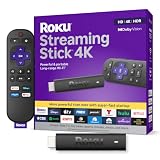
- Stunning 4K and Dolby Vision streaming made simple: With America’s number 1 TV streaming platform,* exploring popular apps—plus tons of free movies, shows, and live TV—is as easy as it is fun. *Based on hours streamed—Hypothesis Group
- Breathtaking picture quality: Stunningly sharp 4K picture brings out rich detail in your entertainment with four times the resolution of HD. Watch as colors pop off your screen and enjoy lifelike clarity with Dolby Vision and HDR10+.
- Seamless streaming for any room: With Roku Streaming Stick 4K, watch your favorite entertainment on any TV in the house, even in rooms farther from your router thanks to the long-range Wi-Fi receiver.
- Shows on the go: Take your TV to-go when traveling—without needing to log into someone else’s device.
- Compact without compromises: Our sleek design won’t block neighboring HDMI ports, so you can switch from streaming to gaming with ease. Plus, it’s designed to stay hidden behind your TV, keeping wires neatly out of sight
Early reception has also worked in the show’s favor. Reviews framed MobLand as a slow-burn rather than an instant-gratification thriller, which aligns with the kind of series that platforms often nurture beyond a first season. When audience response mirrors that critical patience, it strengthens the case for renewal.
Why Pierce Brosnan’s Schedule Matters More Than You’d Think
One practical hurdle many prestige dramas face is cast availability, and this is where MobLand quietly gains an advantage. Brosnan remains selective with his projects, but he’s also embraced serialized television in a way he hadn’t earlier in his career. His willingness to publicly speak about a second season implies that MobLand fits cleanly into his broader career plans, not as a one-off experiment.
The Tool Desk
Outbyte PC Repair FREERepair Windows errors before they cause bigger problemsFix Now →Outbyte Driver Updater FREEFix the driver behind crashes, sound loss and screen glitchesFind Drivers →That matters because high-profile leads can complicate renewal timelines. If a star’s calendar is already blocked with competing franchises or films, studios hesitate. Brosnan signaling openness, and even enthusiasm, removes one of the biggest logistical barriers before it becomes a problem.
Timing, Budgets, and the Modern Renewal Window
Studios are taking longer than ever to greenlight follow-ups, especially for expensive genre series. Production costs, international tax incentives, and scheduling efficiencies all factor into when a renewal is announced, not just if it happens. A gap of several months after a finale is now standard, not ominous.
MobLand also sits in a genre that streamers like to stagger rather than oversaturate. Launching a second season at the right moment can be as important as making it at all. From that perspective, Brosnan’s comments feel less like speculation and more like an acknowledgment of a process already in motion, one that simply hasn’t reached the public-facing stage yet.
For fans, that context reframes the wait. Brosnan isn’t promising something he can’t deliver, but he is hinting that the signals behind the scenes are encouraging. In an industry where actors are often the last to know, his optimism suggests MobLand hasn’t slipped through the cracks.
Renewal Odds Explained: The Realistic Paths to a Season 2 Greenlight
If Brosnan’s optimism sets the emotional tone, the renewal math still comes down to performance metrics and strategic fit. Streamers rarely renew on passion alone, but MobLand checks several of the boxes executives prioritize when deciding whether to double down. Understanding those pathways helps clarify why Season 2 feels plausible rather than wishful thinking.
Performance Isn’t Just About Ratings Anymore
MobLand may not dominate weekly charts the way blockbuster franchises do, but that’s no longer the sole benchmark. Platforms increasingly value completion rates, sustained engagement, and how often a series drives new subscriptions within specific demographics. Gritty crime dramas tend to overperform in those quieter metrics, particularly with older viewers who don’t binge immediately but stay loyal.
That slower-burn consumption model works in MobLand’s favor. Shows like this often build credibility over time, becoming dependable catalog titles rather than disposable hits. If internal data shows strong finish rates and consistent discovery weeks after launch, renewal conversations tend to stay alive longer than fans realize.
Critical Reception and the Prestige Factor
While MobLand may not be positioned as awards bait, its reception matters in a different way. Streamers want crime dramas that feel elevated enough to stand alongside their prestige offerings, not just fill content gaps. Solid reviews, strong word of mouth, and a recognizable lead like Brosnan help frame the series as an asset rather than a risk.
Best Value

- 4K streaming made simple:With America’s number 1 TV streaming platform,* exploring popular apps—plus tons of free movies, shows, and live TV—is as easy as it is fun. *Based on hours streamed—Hypothesis Group
- 4K picture quality: With Roku Streaming Stick Plus, watch your favorites with brilliant 4K picture and vivid HDR color.
- Compact without compromises: Our sleek design won’t block neighboring HDMI ports, and it even powers from your TV alone, plugging into the back and staying out of sight. No wall outlet, no extra cords, no clutter.
- No more juggling remotes: Power up your TV, adjust the volume, and control your Roku device with one remote. Use your voice to quickly search, play entertainment, and more.
- Shows on the go: Take your TV to-go when traveling—without needing to log into someone else’s device.
That perception influences budget discussions. A well-reviewed first season gives studios confidence to either maintain or modestly adjust costs for a second run. Brosnan’s involvement also signals stability, which is crucial when networks are trimming slates and prioritizing shows that feel creatively “locked in.”
Why Brosnan’s Comments Carry Strategic Weight
Actors are typically careful when discussing unannounced renewals, especially in the current climate. Brosnan saying people would love to see a second season isn’t a confirmation, but it does suggest alignment between creative ambition and studio interest. Stars of his stature are often looped into early conversations, even if contracts aren’t finalized.
For fans, that distinction matters. His remarks point less to uncertainty and more to timing, the kind of limbo where numbers are being evaluated and release windows mapped out. In practical terms, MobLand appears to be in consideration, not on the chopping block, which is the most meaningful signal short of an official announcement.
What Fans Should Expect Next — And When Official News Is Likely to Drop
For viewers invested in MobLand’s world, the most realistic next step is patience rather than panic. The series is currently in the phase where internal performance metrics are being weighed against broader slate priorities, not simply judged on opening-week buzz. That’s often where grounded crime dramas either quietly secure their future or linger until the timing aligns.
Outdated Drivers Are Slowing You Down
One free scan finds every outdated or missing driver and matches the right update for your exact hardware.Free scan · exact hardware matchPC Slower Than It Used to Be?
A free scan shows the junk files, broken settings and background clutter dragging Windows down - then fixes them in one click.Free scan · Windows 10 & 11The Likely Renewal Window
Based on typical streamer behavior, an official decision would most plausibly arrive three to five months after the season finished its initial rollout. That window allows platforms to assess long-tail engagement, international performance, and completion rates, all areas where MobLand is designed to perform steadily rather than explosively.
If renewal talks are active, they usually precede public announcements by weeks. Casting availability, budget adjustments, and production calendars have to be aligned behind the scenes before any greenlight becomes public-facing. Brosnan’s confidence suggests those conversations may already be happening quietly.
What a Season 2 Could Look Like
Creatively, MobLand has room to expand without reinventing itself. The first season laid a foundation built on character dynamics, generational conflict, and the kind of moral ambiguity that benefits from longer storytelling arcs. A second season would likely deepen those relationships rather than escalate into spectacle for its own sake.
That approach also aligns with how streamers increasingly manage costs. Instead of ballooning budgets, successful crime dramas often grow sideways, adding narrative complexity while maintaining a controlled scope. Brosnan’s continued involvement would be central to that stability, both on-screen and in signaling continuity to audiences.
How Fans Should Read Brosnan’s Optimism
The key takeaway from Brosnan’s comments isn’t that a renewal is guaranteed, but that MobLand isn’t fading into obscurity. His tone reflects confidence in the material and an awareness that the show has found its audience, even if that audience engages at a measured pace.
For fans, that’s meaningful reassurance. In today’s streaming environment, silence doesn’t always mean cancellation, and momentum isn’t always loud. MobLand appears to be playing the long game, the kind that rewards patience and loyalty rather than instant gratification.
Until official news drops, the signs point toward cautious optimism. If the numbers continue to support what Brosnan and viewers already feel, a return to MobLand’s gritty, character-driven world may be a matter of when, not if.
Quick Recap
Product prices and availability are accurate as of the date/time indicated and are subject to change. Any price and availability information displayed on Amazon at the time of purchase will apply.