Quick wins for a faster PC:
Repair Windows errors before they cause bigger problemsFix Now →Fix the driver behind crashes, sound loss and screen glitchesFind Drivers →Clear out junk files and repair common Windows errorsFree Scan →Few film franchises reward context quite like The Karate Kid. What began in 1984 as a scrappy underdog story has evolved into a multi-generational saga, one that now spans theatrical sequels, a reboot, and the Cobra Kai series that reframed everything fans thought they knew. With characters aging in real time and old rivalries gaining new meaning, how you watch the franchise can dramatically shape your experience.
The challenge comes from the gap between the story’s internal timeline and how audiences originally encountered it. Watching by release date recreates the cultural journey, showing how each sequel, spin-off, and revival reflected its era and expanded the mythos step by step. Viewing in chronological order, on the other hand, emphasizes character arcs and cause-and-effect storytelling, allowing Johnny, Daniel, and their shared history to unfold in a more seamless narrative flow.
That distinction matters more here than in most long-running franchises. Cobra Kai isn’t just a continuation; it actively reinterprets past events, pulling emotional weight from moments first seen decades earlier while inviting new viewers in without requiring nostalgia as a prerequisite. Understanding both viewing orders gives fans the freedom to choose between reliving the legacy as it was built or experiencing the full Karate Kid story as one continuous journey.
The Karate Kid Universe at a Glance: Films, Reboots, and the Cobra Kai Era
Before diving into watch orders, it helps to understand how The Karate Kid universe is structured and why it’s more layered than it first appears. The franchise spans multiple generations, formats, and even creative philosophies, yet most of it connects through shared themes, characters, and legacy. At its core, this is a story about mentorship, rivalry, and how youthful choices echo across decades.
#1 Best Overall
The Original Karate Kid Films (1984–1989)
The foundation of the franchise is the original trilogy, beginning with The Karate Kid in 1984. These films follow Daniel LaRusso’s journey under the guidance of Mr. Miyagi, establishing the emotional and philosophical backbone of the series. Set firmly in the 1980s, they introduce key rivalries, moral lessons, and tournament traditions that later entries repeatedly revisit and reinterpret.
The Karate Kid Part II and Part III expand the scope while keeping Daniel and Miyagi at the center. Together, they form a continuous arc that Cobra Kai frequently references, making them essential viewing regardless of which order you choose. Chronologically and by release date, these films always come first.
The Next Karate Kid and the End of the Original Era
Released in 1994, The Next Karate Kid marks a transitional moment for the franchise. Mr. Miyagi returns as mentor, but Daniel steps away, replaced by a new student and setting. While long treated as a standalone epilogue, the film still occupies a canonical place in the timeline and gains renewed relevance through Cobra Kai’s expanded universe approach.
This entry represents the last chapter of the original film continuity before the franchise went dormant for over a decade. Whether watched or skipped, its existence helps explain where the Miyagi legacy stands before the modern revival begins.
What’s actually slowing this PC down?
Pick the symptom - the matching free tool is one click away.
The 2010 Karate Kid Reboot
The Karate Kid (2010), starring Jaden Smith and Jackie Chan, exists outside the main continuity. Despite sharing the title and familiar story beats, it reimagines the premise in a new setting with new characters. There are no narrative connections to Daniel LaRusso, Johnny Lawrence, or Cobra Kai.
For viewing order purposes, this reboot is best treated as optional or separate. It does not factor into either the chronological timeline of the original saga or the continuity of the Cobra Kai series, though it remains part of the franchise’s broader cultural footprint.
The Cobra Kai Era and the Legacy Sequel Model
Cobra Kai transforms The Karate Kid from a completed trilogy into an ongoing, character-driven saga. Set decades after the original films, the series continues the story in real time, allowing characters to age naturally and confront unresolved conflicts. It functions as both a sequel for longtime fans and an entry point for new viewers.
What makes Cobra Kai unique is how deeply it mines the original films for emotional context. Events once framed simply are reexamined through different perspectives, giving added weight to earlier installments depending on how and when you watch them. This is where viewing order becomes especially meaningful, as the series actively rewards familiarity with the films while still standing on its own.
The Karate Kid Franchise in Chronological Order (In-Universe Timeline)
Watching The Karate Kid franchise in chronological order means following the story as it unfolds within the universe itself, rather than by release date. This approach emphasizes character growth, long-term consequences, and how past rivalries echo into the present. It is also the most emotionally cohesive way to experience the saga, especially once Cobra Kai enters the picture.
The Karate Kid (1984)
The story begins in the early 1980s with Daniel LaRusso’s move from New Jersey to Southern California. His conflict with Johnny Lawrence and the Cobra Kai dojo establishes the central themes of mentorship, discipline, and perspective. Mr. Miyagi’s guidance and the All-Valley Tournament form the emotional backbone of the entire franchise.
This film is the foundation upon which everything else is built, introducing nearly every legacy character and philosophical divide that will be revisited decades later.
The Karate Kid Part II (1986)
Set immediately after the original film, Part II follows Daniel and Mr. Miyagi to Okinawa. The story shifts from teenage rivalry to questions of honor, heritage, and adult responsibility. Its events deepen Miyagi’s backstory and broaden the moral scope of the franchise.
Chronologically, this is a direct continuation and should be watched right after the first film for maximum narrative flow.
The Karate Kid Part III (1989)
Returning to California, Part III focuses on the fallout of Cobra Kai’s defeat and the psychological toll of manipulation and revenge. Daniel faces a new internal struggle that tests the lessons he has learned, while familiar antagonistic forces resurface.
Though often debated among fans, this chapter is essential to understanding lingering resentments that later resurface in Cobra Kai.
The Next Karate Kid (1994)
Set several years later, this film introduces a new student, Julie Pierce, while keeping Mr. Miyagi as the connective tissue. Daniel LaRusso is absent, but the film shows Miyagi continuing his role as a mentor into the 1990s.
The Tool Desk
Outbyte Driver Updater FREEScan for outdated or missing drivers - takes under a minuteDriver Scan →Outbyte PC Repair FREEClear out junk files and repair common Windows errorsFree Scan →Chronologically, it represents the final point in the timeline before the long gap that precedes the modern revival.
Cobra Kai Seasons 1–2
Cobra Kai begins more than three decades after the original tournament, with Johnny Lawrence attempting to rebuild his life while reopening the Cobra Kai dojo. Daniel LaRusso reenters the story as a successful adult, and old wounds quickly resurface.
These early seasons establish the show’s core idea: that history depends on perspective, and no rivalry is as simple as it once seemed.
Cobra Kai Seasons 3–4
As the timeline moves forward, the series increasingly pulls from events across all three original films. Characters introduced decades earlier return, and unresolved conflicts gain new context.
Recommended Free Tools
Chronologically, these seasons deepen the franchise’s continuity, making earlier films feel less like relics and more like active chapters in an ongoing story.
Cobra Kai Seasons 5–6
The most recent era of the timeline brings the saga closer to a true generational reckoning. Past actions finally collide with the present, and the legacy of Miyagi-Do and Cobra Kai is openly contested.
Viewed in chronological order, these seasons feel like the culmination of everything that began in 1984, reinforcing why the franchise works best when treated as one long, interconnected narrative rather than isolated installments.
How Cobra Kai Fits In: Season-by-Season Placement Within the Karate Kid Story
Cobra Kai is not a reboot or a remake. It is a direct narrative continuation that treats every major Karate Kid film as canon, folding decades of history into a modern setting. Understanding where each season fits helps clarify why the series resonates so strongly with longtime fans while remaining accessible to newcomers.
Rank #2
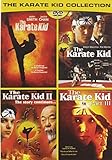
- KARATE KID (1984): From Academy Award�-winning director John G. Avildsen (1976, ROCKY) comes the highly entertaining, coming-of-age classic that will have you cheering! Starring Ralph Macchio and Noriyuki ?Pat? Morita in his Academy Award�-nominated performance (Best Supporting Actor, 1984) as Mr. Miyagi. KARATE KID (2010): When 12-year-old Dre Parker's mother's latest career move has landed him
Cobra Kai Seasons 1–2: Picking Up the Pieces After 1984
Set over 30 years after the All Valley Tournament, Seasons 1 and 2 function as the immediate emotional sequel to The Karate Kid. Johnny Lawrence’s life has stalled since his teenage defeat, while Daniel LaRusso has built success by fully embracing the lessons Mr. Miyagi taught him.
Chronologically, these seasons sit long after The Next Karate Kid, but thematically they circle back to 1984 more than any other point in the franchise. Watching the original film before starting Cobra Kai is essential, as the show constantly reframes that rivalry without undoing it.
Cobra Kai Season 3: The Past Comes Rushing Back
Season 3 deepens the timeline by actively revisiting events from The Karate Kid Part II and Part III. Flashbacks, returning characters, and unresolved grudges connect the Okinawa storyline and the darker turn of the third film directly to the present day.
In chronological viewing order, this is where the entire original trilogy truly converges. The season rewards viewers who have seen all three films, while also contextualizing their events for audiences discovering them later.
Outdated Drivers Are Slowing You Down
One free scan finds every outdated or missing driver and matches the right update for your exact hardware.Free scan · exact hardware matchPC Slower Than It Used to Be?
A free scan shows the junk files, broken settings and background clutter dragging Windows down - then fixes them in one click.Free scan · Windows 10 & 11Cobra Kai Season 4: Legacy Collides With the Present
By Season 4, Cobra Kai stops feeling like a sequel and starts operating as a full generational saga. The philosophies of Miyagi-Do and Cobra Kai are no longer abstract ideas but living systems passed down, challenged, and reinterpreted by a new generation.
Chronologically, this season represents the point where the consequences of every previous Karate Kid chapter collide. In release-order viewing, it is also where the series fully justifies its existence as more than nostalgia-driven storytelling.
Cobra Kai Seasons 5–6: The Franchise Reaches Its Endgame
The later seasons push the timeline firmly into the present, resolving conflicts that have lingered since the 1980s. Characters are no longer defined solely by their pasts, but by how they choose to confront or escape them.
For chronological watchers, these seasons feel like the final chapters of a story that began in 1984. In release order, they represent the rare legacy sequel that meaningfully evolves its characters rather than freezing them in time.
The Karate Kid Franchise in Release Order (How Audiences Originally Experienced It)
Watching The Karate Kid franchise in release order offers a fascinating look at how the story, themes, and tone evolved over four decades. This is the way audiences originally encountered Daniel LaRusso, Mr. Miyagi, and eventually Johnny Lawrence’s redemption arc, with each new chapter responding to the cultural moment it arrived in.
Release order also reveals how Cobra Kai reframes familiar events rather than rewriting them. The emotional weight of the series lands harder when viewers share the same reference points that long-time fans carried with them into the show.
The Karate Kid (1984)
The film that started it all remains the franchise’s emotional and thematic foundation. Daniel LaRusso’s underdog journey, Mr. Miyagi’s unconventional mentorship, and the Cobra Kai philosophy established a simple but powerful conflict that defined the series.
For original audiences, this was a self-contained coming-of-age sports drama. In hindsight, it became the blueprint for everything that followed.
Free tools Windows power users keep installed
One-click scans. No signup required.
The Karate Kid Part II (1986)
The first sequel expanded the world beyond the All Valley Tournament by taking Daniel and Miyagi to Okinawa. This shift deepened Miyagi’s backstory and explored honor, legacy, and cultural identity in a more dramatic way.
Released at the height of the original film’s popularity, Part II showed the franchise could grow emotionally without relying on a tournament structure.
The Karate Kid Part III (1989)
Arriving three years later, Part III took a darker turn by pushing Daniel into moral gray areas. The introduction of a more manipulative antagonist tested the limits of Miyagi’s teachings and Daniel’s confidence.
At the time, this film felt like a final escalation of the original rivalry. In release order, it closed the initial trilogy with a harsher, more cautionary tone.
Do these 3 things before closing this tab:
1Repair Windows errors before they cause bigger problems2Scan for outdated or missing drivers - takes under a minute3Clear out junk files and repair common Windows errorsThe Next Karate Kid (1994)
Five years later, the franchise attempted a soft reinvention. Mr. Miyagi returned as mentor, but the focus shifted to a new student, signaling an effort to pass the torch.
For audiences in the 1990s, this entry felt like a standalone continuation rather than a true sequel. Its importance grew retroactively once Cobra Kai began weaving it back into the larger canon.
The Karate Kid (2010)
The 2010 film was a full reboot rather than a continuation, reimagining the premise for a new generation. While it shared familiar beats, it existed outside the continuity of the original films.
In release order, this movie stood apart as an alternate take on the concept. It is not required viewing for Cobra Kai, but it reflects the enduring appeal of the core Karate Kid formula.
Recommended Free Tools
Cobra Kai Seasons 1–2 (2018–2019)
When Cobra Kai debuted decades later, it surprised audiences by continuing the original timeline instead of rebooting it again. The series reintroduced Johnny Lawrence as a deeply flawed adult and reframed the 1984 rivalry from multiple perspectives.
Released in the streaming era, these seasons relied heavily on viewers’ memories of the original film. The emotional impact came from recognition rather than exposition.
Cobra Kai Seasons 3–4 (2021–2022)
As the series gained confidence, it leaned fully into legacy storytelling. Characters and events from the original trilogy returned with purpose, connecting long-dormant threads in ways that felt earned.
For release-order viewers, this period marked the franchise’s transformation from nostalgic sequel to fully realized continuation.
Crashes, No Sound, or Screen Glitches?
Random freezes, missing sound and display glitches usually trace back to one bad driver. Find and replace yours safely.Free scan · under a minuteWindows Errors? Fix Them Before They Spread
Repair common Windows errors and clear accumulated junk for a smoother, more stable PC - no reinstall needed.Free scan · no reinstallRank #3
- Region 1 DVD
- Dolby Digital
- Anamorphic Widescreen
Cobra Kai Seasons 5–6 (2022–2025)
The final seasons arrived as a culmination of everything that came before. Long-standing conflicts reached resolution, and the story expanded beyond individual rivalries into a broader examination of mentorship and legacy.
Experienced in release order, these seasons function as the franchise’s modern finale, closing a story that began in theaters in 1984 and evolved alongside its audience.
Independent reader supportYour contribution helps us test, update, and keep practical guides available for everyone.Reboots, Retcons, and Continuity: Where the 2010 Karate Kid Fits (and Doesn’t)
The Karate Kid (2010) is the franchise’s biggest continuity outlier, and understanding why helps clarify both viewing orders. Despite sharing the title and core underdog story, it does not connect to the timeline established by the 1984 film or expanded in Cobra Kai. Instead, it exists as a self-contained reimagining aimed at a new generation.
A True Reboot, Not a Legacy Sequel
Unlike Cobra Kai, which continues the original story decades later, the 2010 film resets the premise entirely. Jaden Smith’s Dre Parker is not tied to Daniel LaRusso, and Jackie Chan’s Mr. Han is a wholly original mentor rather than a reinterpretation of Mr. Miyagi.
The setting shift to China and the emphasis on kung fu rather than karate further separate it from the established canon. These changes were intentional, designed to globalize the story rather than extend its existing mythology.
Where It Falls in Release Order
In release order, The Karate Kid (2010) arrives between The Next Karate Kid (1994) and Cobra Kai (2018). At the time, it appeared to signal a new direction for the franchise, especially as no continuation of the original timeline was in active development.
For viewers watching by release date, it plays like an alternate branch rather than a stepping stone. Its placement reflects a period when Hollywood favored reboots over long-form continuity.
Why It’s Not Part of the Chronological Timeline
Chronologically, the 2010 film does not fit anywhere within the story that begins in 1984 and concludes with Cobra Kai. Characters, locations, and events do not overlap, and the series has made no effort to retroactively incorporate it through retcons or references.
Cobra Kai is meticulous about honoring its own history, often revisiting minor details from decades earlier. The absence of any acknowledgment of Dre or Mr. Han makes the separation clear and deliberate.
How Fans Should Watch It
For viewers following the canonical timeline, The Karate Kid (2010) can be watched at any point without affecting continuity. It is optional viewing that complements the franchise thematically rather than narratively.
For new audiences, it works best as a standalone introduction to the Karate Kid formula. Just don’t expect it to inform or enrich the story told in Cobra Kai, which remains firmly rooted in the legacy of the original films.
Recommended Watch Orders for Different Viewers: First-Timers, Nostalgia Fans, and Completionists
With multiple eras, formats, and even a reboot in the mix, the Karate Kid franchise can feel more complicated than it actually is. The best viewing order depends on what kind of experience you want, whether that’s discovering the story fresh, reconnecting with the past, or seeing absolutely everything. Below are tailored watch orders that clarify where each film and the Cobra Kai series fit, without spoiling the journey.
Do these 3 things before closing this tab:
1Scan for outdated or missing drivers - takes under a minute2Clear out junk files and repair common Windows errors3Fix the driver behind crashes, sound loss and screen glitchesFirst-Timers: The Clean Chronological Story
For viewers new to the franchise, the most rewarding path is the canonical chronological timeline that begins in the 1980s and carries forward into the present. This approach emphasizes character growth, long-term consequences, and the emotional throughline that Cobra Kai builds so carefully.
A first-time chronological watch looks like this:
- The Karate Kid (1984)
- The Karate Kid Part II (1986)
- The Karate Kid Part III (1989)
- The Next Karate Kid (1994)
- Cobra Kai Seasons 1 through 6 (2018–2025)
This order allows the franchise to unfold naturally, with Cobra Kai functioning as a true legacy sequel rather than a nostalgic remix. The 2010 reboot is best skipped on a first pass, as it does not connect to the main storyline.
Nostalgia Fans: Experience It as Audiences Did
For longtime fans or viewers who want to relive the evolution of the franchise, release order offers a fascinating snapshot of changing Hollywood trends. Watching this way highlights how the series moved from theatrical sequels to a reboot attempt and finally found its ideal form on television.
The release-date watch order is:
- The Karate Kid (1984)
- The Karate Kid Part II (1986)
- The Karate Kid Part III (1989)
- The Next Karate Kid (1994)
- The Karate Kid (2010)
- Cobra Kai Seasons 1 through 6 (2018–2025)
Seen this way, Cobra Kai feels like an unexpected but deeply respectful revival. It reframes earlier films with added depth, especially moments that once seemed simple or even disposable.
Completionists: Everything, With Context
For viewers who want the full Karate Kid experience, including alternate takes on the formula, a hybrid approach works best. Start with the original timeline to ground yourself in the core mythology, then explore the reboot as a thematic detour rather than part of the story.
A completionist-friendly order would be:
- The Karate Kid (1984)
- The Karate Kid Part II (1986)
- The Karate Kid Part III (1989)
- The Next Karate Kid (1994)
- The Karate Kid (2010)
- Cobra Kai Seasons 1 through 6 (2018–2025)
Watching the 2010 film before Cobra Kai helps distinguish what the series chose to honor and what it left behind. It reinforces just how intentional Cobra Kai is in preserving continuity, tone, and character legacy while still evolving the franchise for a new generation.
The Legacy of The Karate Kid: Why This Franchise Still Resonates Decades Later
More than four decades after Daniel LaRusso first stepped onto the mat, The Karate Kid endures because it understands something timeless about storytelling. At its core, the franchise isn’t really about karate. It’s about mentorship, discipline, and the quiet confidence that comes from learning who you are under pressure.
A Simple Story Told With Emotional Precision
The original 1984 film works because it treats its coming-of-age story with sincerity rather than spectacle. Daniel’s journey is small, personal, and deeply relatable, anchored by Mr. Miyagi’s philosophy that balance in life matters more than winning a fight. That emotional clarity is why the film remains accessible to new viewers, regardless of when they discover it.
Quick wins for a faster PC:
Scan for outdated or missing drivers - takes under a minuteDriver Scan →Repair Windows errors before they cause bigger problemsFix Now →Growth, Consequences, and the Passage of Time
As the sequels expanded the story, the franchise began exploring how choices echo forward. Characters evolve, make mistakes, and carry emotional baggage rather than resetting with each new entry. Watching the films in chronological or release order makes those arcs feel earned, reinforcing that this is a long-form narrative rather than a collection of disconnected chapters.
Cobra Kai and the Power of Perspective
Cobra Kai is where the franchise’s legacy truly crystallizes. Instead of replacing the original films, the series interrogates them, revisiting old rivalries with maturity and nuance. Heroes and villains are no longer fixed roles, and the show’s strength lies in acknowledging that everyone remembers the past differently.
Why the Watch Order Matters
Understanding where each film and series fits enhances the emotional impact. Chronological viewing emphasizes character continuity and long-term consequences, while release order highlights how the franchise adapted to changing audiences and storytelling trends. Both approaches reinforce why Cobra Kai works best as a culmination rather than a starting point.
In the end, The Karate Kid franchise lasts because it grows alongside its audience. Whether you’re revisiting it for nostalgia or discovering it for the first time, the story rewards patience, empathy, and context. Like Mr. Miyagi’s lessons, its legacy reminds us that the journey matters just as much as the final match.
Quick Recap
Product prices and availability are accurate as of the date/time indicated and are subject to change. Any price and availability information displayed on Amazon at the time of purchase will apply.