PC Slower Than It Used to Be?
A free scan shows the junk files, broken settings and background clutter dragging Windows down - then fixes them in one click.Free scan · Windows 10 & 11Outdated Drivers Are Slowing You Down
One free scan finds every outdated or missing driver and matches the right update for your exact hardware.Free scan · exact hardware matchJimmy Kimmel’s return to late night was supposed to feel like a reset button for a franchise that has spent the past few years navigating industry strikes, shifting viewing habits, and a fractured media landscape. With Kimmel back behind the desk, Jimmy Kimmel Live! was positioned to reclaim its role as a cultural pressure valve, mixing political bite, celebrity access, and viral-ready comedy at a moment when late night relevance is once again up for debate. Early buzz suggested a ratings bounce was not just possible but likely, fueled by pent-up audience goodwill and a renewed sense of purpose.
That momentum made tonight’s disruption sting even more. Just as casual viewers and longtime fans went looking for Kimmel’s monologue, many discovered the show was suddenly unavailable through their usual channels, the result of an unexpected distribution setback tied to how ABC programming is currently being delivered. The issue doesn’t affect every household equally, but for a significant slice of the audience, traditional live viewing and familiar streaming options are effectively off the table, at least for now.
The timing is particularly cruel because Jimmy Kimmel Live! had genuine wind at its back. Advertisers, affiliates, and ABC itself were counting on Kimmel’s return to stabilize late-night viewership and reassert the show’s relevance in a crowded, algorithm-driven TV ecosystem. Instead, the sudden access problem risks blunting that surge, creating confusion among viewers and raising early questions about how easily audiences can actually find the show in an era where availability is as important as content.
The New Blow Explained: What Exactly Went Wrong Tonight and Why the Show Is Unavailable
At the center of tonight’s disruption is not Jimmy Kimmel himself, but a behind-the-scenes distribution issue that suddenly knocked Jimmy Kimmel Live! out of reach for a sizable portion of its audience. The problem stems from how ABC’s live feed is currently being carried, or not carried, by certain television providers and streaming bundles. For viewers caught in the middle, the show simply didn’t appear where it normally does.
Do these 3 things before closing this tab:
1Clear out junk files and repair common Windows errors2Scan for outdated or missing drivers - takes under a minute3Repair Windows errors before they cause bigger problems#1 Best Overall

- HD streaming made simple: With America’s number 1 TV streaming platform,* exploring popular apps—plus tons of free movies, shows, and live TV—is as easy as it is fun. *Based on hours streamed—Hypothesis Group
- Compact without compromises: The sleek design of Roku Streaming Stick won’t block neighboring HDMI ports, and it even powers from your TV alone, plugging into the back and staying out of sight. No wall outlet, no extra cords, no clutter.
- No more juggling remotes: Power up your TV, adjust the volume, and control your Roku device with one remote. Use your voice to quickly search, play entertainment, and more.
- Shows on the go: Take your TV to-go when traveling—without needing to log into someone else’s device.
- TV, simplified: With setup that only takes minutes, a simple-to-navigate Home Screen, and an uncluttered remote control that does all you need—Roku makes it easier to watch the TV you love.
A Carriage and Distribution Breakdown
According to network and affiliate-level reporting, the outage is tied to a carriage dispute affecting ABC programming in select markets. These disputes typically arise when a network and a cable or streaming provider fail to agree on updated distribution terms, leading the provider to temporarily drop the channel. When that happens, live broadcasts like Jimmy Kimmel Live! are the first and most visibly affected.
This is why the issue feels inconsistent from household to household. Viewers relying on over-the-air antennas or unaffected local affiliates may have no problem tuning in, while others using cable, satellite, or live TV streaming services suddenly hit a wall. It’s less a national blackout than a patchwork disruption, which only adds to the confusion.
Why Streaming Didn’t Save the Night
For many fans, the assumption was that streaming would offer a reliable fallback. Unfortunately, live access to Jimmy Kimmel Live! is still tethered to ABC’s real-time broadcast rights, meaning services like Hulu + Live TV, YouTube TV, or other cable-replacement platforms can be impacted by the same carriage standoff. If the live ABC feed is unavailable through a provider, Kimmel’s monologue is effectively locked out in that window.
Compounding the frustration, next-day availability does not always solve the immediate problem. While Jimmy Kimmel Live! typically appears on Hulu after broadcast, that delay undermines the communal, of-the-moment appeal that fuels late night, especially during a highly anticipated return week.
Who Is Most Affected Tonight
The viewers feeling this most acutely are casual fans and appointment viewers who tuned in specifically for Kimmel’s comeback. These are not audiences hunting clips the next morning, but people who sit down expecting a familiar ritual at a familiar time. For them, the show’s absence feels less like a technical glitch and more like a broken promise.
From an industry standpoint, that’s the real damage. Late-night television thrives on habit, and interruptions, even temporary ones, can disrupt momentum just when a show needs consistency to rebuild audience trust. For Jimmy Kimmel Live!, the setback doesn’t reflect creative trouble, but it does highlight how fragile accessibility has become in a fractured TV ecosystem where watching is no longer guaranteed, even when the show itself is ready to go.
Who’s Affected and Who Isn’t: Cable, Streaming, Time Zones, and Local Affiliate Blackouts
The confusing part for many fans is that Jimmy Kimmel Live! is not universally unavailable tonight. The disruption depends heavily on how you watch, where you live, and which local ABC affiliate carries the show. In other words, two households on the same street can have completely different experiences.
Cable and Satellite Subscribers
Viewers using traditional cable or satellite are the most likely to be affected, particularly in markets where ABC is currently involved in a carriage dispute with local providers. When negotiations stall, affiliates can be temporarily pulled from lineups with little warning. For those households, the late-night slot arrives on schedule, but Kimmel never does.
Quick wins for a faster PC:
Clear out junk files and repair common Windows errorsFree Scan →Fix the driver behind crashes, sound loss and screen glitchesFind Drivers →Repair Windows errors before they cause bigger problemsFix Now →This is where frustration peaks, because the expectation of reliability is highest with paid TV packages. Many viewers assume cable is the safest option, only to discover that contract battles behind the scenes can override that stability in an instant.
Streaming Live TV Services
Cord-cutters using live TV streaming platforms are not immune. Services like YouTube TV, Hulu + Live TV, and DirecTV Stream rely on the same local affiliate feeds as cable providers. If your local ABC station is blacked out on cable, it is often blacked out on streaming as well.
This creates a false sense of choice. Even viewers who intentionally left cable to avoid disruptions can find themselves facing the exact same blackout, just through a different app.
Over-the-Air Viewers and Antenna Users
Ironically, the viewers least affected are those watching the old-fashioned way. Households using a digital antenna to receive ABC over the air are typically able to watch Jimmy Kimmel Live! without interruption, as these signals bypass cable and streaming distribution altogether.
The Tool Desk
Outbyte PC Repair FREEClear out junk files and repair common Windows errorsFree Scan →Outbyte Driver Updater FREEFix the driver behind crashes, sound loss and screen glitchesFind Drivers →For many fans, this has been an unexpected workaround. It is a reminder that broadcast television, despite all predictions of its demise, can still be the most dependable delivery system when disputes hit.
Rank #2

- 4K streaming made simple:With America’s number 1 TV streaming platform,* exploring popular apps—plus tons of free movies, shows, and live TV—is as easy as it is fun. *Based on hours streamed—Hypothesis Group
- 4K picture quality: With Roku Streaming Stick Plus, watch your favorites with brilliant 4K picture and vivid HDR color.
- Compact without compromises: Our sleek design won’t block neighboring HDMI ports, and it even powers from your TV alone, plugging into the back and staying out of sight. No wall outlet, no extra cords, no clutter.
- No more juggling remotes: Power up your TV, adjust the volume, and control your Roku device with one remote. Use your voice to quickly search, play entertainment, and more.
- Shows on the go: Take your TV to-go when traveling—without needing to log into someone else’s device.
Time Zones and Delayed Broadcast Markets
Time zone differences add another layer of confusion. In some Central and Mountain Time markets, Jimmy Kimmel Live! airs on a delay rather than live, which means the impact of blackouts may not be immediately obvious. Some viewers may not realize they are affected until the scheduled broadcast window arrives and the feed never appears.
West Coast viewers, accustomed to delayed late-night broadcasts, may experience fewer surprises if their local affiliate is unaffected. Others, however, encounter the same blackout hours later, making the disruption feel random rather than systemic.
Local Affiliate Variability
The biggest factor remains the local ABC affiliate itself. Not all stations are owned or operated by the same parent company, and not all are involved in current disputes. That’s why social media is filled with conflicting reports, with some fans watching Kimmel’s monologue in real time while others are staring at infomercials or blank screens.
Recommended Free Tools
This affiliate-by-affiliate reality is what makes the setback so difficult to communicate and so easy to misunderstand. There is no single outage, no universal explanation, just a fragmented system revealing its cracks during one of late night’s most anticipated return weeks.
Why Fans Can’t Just ‘Stream It’: Breakdown of ABC, Hulu, and Digital Distribution Limitations
For many viewers, the instinctive reaction to a late-night blackout is simple: stream it later. But Jimmy Kimmel Live! exists at the intersection of broadcast television and tightly controlled digital windows, and that makes tonight’s episode far less accessible than fans might expect.
What feels like a single show is actually distributed across multiple platforms, each governed by different contracts, clearance rules, and timing restrictions. When one piece of that ecosystem falters, the rest often can’t compensate in real time.
Why Hulu Isn’t a Same-Night Safety Net
Hulu remains the primary next-day home for Jimmy Kimmel Live!, but it is not designed as a live replacement for ABC. Episodes typically arrive hours after broadcast, once local affiliate feeds have cleared and advertising obligations are met.
When a broadcast is interrupted or never airs in certain markets, Hulu cannot simply step in early. The platform’s agreements depend on completed linear broadcasts, meaning a disrupted night can delay or complicate the episode’s digital release altogether.
Live TV Streaming Services Face the Same Roadblocks
Services like YouTube TV, Hulu + Live TV, and Fubo may feel independent from cable, but they rely on the same local ABC affiliate feeds. If that affiliate is blacked out or replaced with alternate programming, the streaming service has no separate version of Jimmy Kimmel Live! to offer.
This is why cord-cutters are often shocked to discover they’re experiencing the exact same disruption they thought they left behind. The technology is different, but the source signal is identical.
Why ABC.com and the ABC App Can’t Override Local Issues
ABC’s own website and app offer limited live viewing, and access is frequently restricted by location and TV provider authentication. Even when available, these streams mirror local affiliate conditions rather than bypass them.
What’s actually slowing this PC down?
Pick the symptom - the matching free tool is one click away.
In blackout-affected regions, logging into ABC’s digital platforms often leads to the same missing episode or unavailable message. Network ownership doesn’t automatically equal universal digital access.
Clips Aren’t the Same as the Show
Yes, monologues and interviews typically surface quickly on YouTube and social media. But these clips are selectively cleared segments, not full episodes, and they don’t satisfy viewers hoping to experience Kimmel’s return as it was meant to be seen.
Rank #3
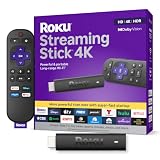
- Stunning 4K and Dolby Vision streaming made simple: With America’s number 1 TV streaming platform,* exploring popular apps—plus tons of free movies, shows, and live TV—is as easy as it is fun. *Based on hours streamed—Hypothesis Group
- Breathtaking picture quality: Stunningly sharp 4K picture brings out rich detail in your entertainment with four times the resolution of HD. Watch as colors pop off your screen and enjoy lifelike clarity with Dolby Vision and HDR10+.
- Seamless streaming for any room: With Roku Streaming Stick 4K, watch your favorite entertainment on any TV in the house, even in rooms farther from your router thanks to the long-range Wi-Fi receiver.
- Shows on the go: Take your TV to-go when traveling—without needing to log into someone else’s device.
- Compact without compromises: Our sleek design won’t block neighboring HDMI ports, so you can switch from streaming to gaming with ease. Plus, it’s designed to stay hidden behind your TV, keeping wires neatly out of sight
For a comeback week built on momentum, timing, and shared cultural conversation, fragments feel like a compromise. Fans aren’t just missing content; they’re missing the communal moment that late-night television still thrives on.
Behind the Scenes: Labor, Scheduling, and Network Pressures That Complicated the Comeback
While the on-air narrative framed Jimmy Kimmel’s return as a clean reset, the reality behind the scenes was far more fragile. Late-night television remains deeply sensitive to labor availability, affiliate coordination, and network-wide scheduling priorities, all of which converged at the worst possible moment.
What viewers experienced as a sudden disappearance was, in industry terms, a cascading failure of systems that normally operate invisibly.
Labor Agreements Still Shape What Makes It to Air
Although the writers’ strike has ended, late-night shows like Jimmy Kimmel Live! are still navigating its aftershocks. Production schedules were rebuilt quickly, but staffing levels, rehearsal time, and clearance processes remain compressed compared to pre-strike norms.
That matters because live and near-live shows rely on tight coordination across departments. When anything slips, whether it’s post-production timing or delivery windows to affiliates, the episode’s availability can be compromised even if it technically exists.
Affiliate Schedules Don’t Always Bend for Late Night
ABC operates through a patchwork of local affiliates, each with contractual obligations to news, sports, and emergency programming. When those priorities collide with late-night slots, especially during volatile news cycles or weather events, Jimmy Kimmel Live! is not always guaranteed protection.
In several affected markets, affiliates opted or were forced to preempt the show entirely. Once that happens, the episode is effectively frozen out of the broader distribution ecosystem tied to that local feed.
The Pressure of a High-Profile Return
Kimmel’s comeback carried more weight than a routine episode. ABC positioned it as a statement moment, signaling stability and continuity after months of disruption across late night.
That heightened visibility also meant less flexibility. Networks are often reluctant to quietly reschedule or soft-launch a return episode, preferring consistency over improvisation, even when that choice leaves certain viewers behind.
Why Momentum Matters More Than Ever
Late-night thrives on immediacy. A missed night isn’t just lost ratings; it’s a break in conversation, a pause in cultural rhythm that’s difficult to recover.
For Jimmy Kimmel Live!, the setback doesn’t reflect a lack of support or confidence from ABC. Instead, it underscores how vulnerable even flagship shows remain to the structural pressures of modern broadcast television, especially during periods of industry recalibration.
What This Means for Kimmel’s Momentum in a Crowded Late-Night Landscape
Jimmy Kimmel Live! returned at a moment when late night is more competitive, fragmented, and unforgiving than it’s been in decades. Viewers now toggle between linear TV, next-day streaming, social clips, and podcasts, often following personalities rather than networks. In that environment, consistency isn’t just helpful, it’s the currency that keeps audiences in the habit of tuning in.
When a highly anticipated episode becomes unavailable in multiple markets, the cost isn’t limited to a single night’s ratings. It disrupts routine, and routine is what late-night shows rely on to stay culturally relevant.
Rank #4

- Hides behind your TV: The all-new design plugs right into your TV with a simple setup
- Super-fast startup: Start streaming channels like Disney+, Prime Video, HBO Max, Apple TV+, Netflix, Sling, and Hulu in a snap—just turn on your TV
- Long-range Wi-Fi: Enjoy fast, smooth TV streaming in any room with a strong Wi-Fi connection, now up to 2x faster
- No more juggling remotes: Power up your TV, adjust the volume, and control your Roku Streaming Stick with the Roku remote
- Voice search & control: Quickly search, play entertainment, and control your streaming device with the voice remote
Momentum Is Harder to Build Than Ever
Kimmel’s post-strike return was designed to reassert his place in the nightly conversation, especially against rivals who also rushed back with fresh monologues and topical interviews. A missed or inaccessible episode creates a gap that competitors can quietly fill, even if only for a night or two.
Free tools Windows power users keep installed
One-click scans. No signup required.
Late night no longer operates in isolation. If viewers can’t find Kimmel at 11:35, they’re one tap away from Seth Meyers on streaming, Stephen Colbert’s monologue on YouTube, or even non-traditional comedy alternatives that don’t depend on broadcast schedules at all.
The Fans Most Affected Are the Most Loyal
Ironically, the viewers impacted by tonight’s unavailability are often the most committed. These are habitual live or near-live watchers who plan their evenings around the show, not casual clip-watchers catching highlights the next morning.
When those fans are locked out due to affiliate preemptions or delayed availability, it risks frustration that can linger beyond a single episode. While many will eventually catch up online, the sense of being left out of a shared moment is harder to repair.
ABC’s Balancing Act Between Broadcast and Streaming
Situations like this expose the ongoing tension between traditional broadcast infrastructure and modern viewing expectations. ABC still prioritizes affiliate relationships and local obligations, but audiences increasingly expect universal, immediate access regardless of geography.
The Tool Desk
Outbyte PC Repair FREERepair Windows errors before they cause bigger problemsFix Now →Outbyte Driver Updater FREEFix the driver behind crashes, sound loss and screen glitchesFind Drivers →If disruptions continue, pressure grows for clearer streaming contingency plans, whether that means faster next-day availability or more aggressive same-night digital releases. For Kimmel, whose appeal is rooted in topical humor and immediacy, accessibility is inseparable from relevance.
A Setback, Not a Signal of Decline
It’s important to note that this hiccup doesn’t suggest waning confidence in Jimmy Kimmel or his show. ABC’s investment in his return remains clear, and one uneven night won’t undo years of audience loyalty.
Still, in a crowded late-night landscape where attention resets daily, even brief interruptions matter. The challenge now is ensuring that future episodes meet viewers wherever they are, so momentum isn’t just regained, but protected in an era where patience is in increasingly short supply.
Independent reader supportYour contribution helps us test, update, and keep practical guides available for everyone.When and How Viewers Can Actually Watch: Reruns, Delayed Streams, and Upcoming Episodes
For fans shut out of tonight’s broadcast, the good news is that Jimmy Kimmel Live! isn’t disappearing — it’s just temporarily harder to find. ABC’s late-night safety net still exists, but it requires a bit more patience and flexibility than many viewers expect in 2026.
Recommended Free Tools
Next-Day Streaming Isn’t Gone — It’s Just Not Immediate
In most cases, episodes impacted by local preemptions or schedule disruptions still arrive on Hulu the following day. That window can feel frustratingly long for a show built around topical jokes and live energy, but ABC continues to treat Hulu as the primary catch-up destination.
Availability timing can vary by region and circumstance, especially when episodes air later than planned or are rescheduled entirely. For viewers who missed the live broadcast, checking Hulu the morning after remains the most reliable option.
ABC.com, the App, and the Affiliate Maze
ABC’s website and mobile app often host full episodes as well, though access may require a participating TV provider login. This is where affiliate issues become most visible, since availability can differ depending on how and when a local station aired the episode.
In some markets, the episode may appear later than expected or not at all until a rerun slot opens up. For loyal viewers, it’s an imperfect system that highlights how fragmented late-night access still is across the country.
What’s actually slowing this PC down?
Pick the symptom - the matching free tool is one click away.
Best Value

- Upgrade your TV, instantly – Fire TV Stick HD is our fastest HD streaming stick ever, with a streamlined navigation that jumps straight to your movies, shows, and live TV. Take your entertainment on the go with the new ultra-portable profile. And watch it all come to life with crisp Full HD and Wi-Fi 6 support.
- The newest Fire TV experience (2026) – Our biggest update to Fire TV has a new, modern design that gets you to your entertainment fast. Browse dedicated content categories, pin more of your favorite apps, and get personalized recommendations from Alexa+. Spend less time scrolling, and more time watching.
- All your apps in one place – Prime Video, Netflix, YouTube, Disney+, Apple TV, HBO Max, Hulu, Peacock, Paramount+, and thousands more. It’s easy to find what to watch from hundreds of thousands of movies and TV episodes, including free, ad-supported content. Subscription fees may apply.
- Our most portable stick – Thin and light, without extra clutter. Connects directly to your TV's HDMI port without blocking other ports.
- Easier than ever to set up – Now with Direct Power, it's powered by your TV with the included USB-C cable and eliminates the need for a wall adapter.
Reruns and Encore Airings Fill the Gaps
When an episode is preempted outright, ABC frequently schedules reruns during off-nights or quieter weeks. These encore airings don’t always come with much promotion, meaning fans may need to scan listings or rely on DVR alerts to catch them.
While reruns lack the immediacy of a live broadcast, they ensure that episodes aren’t permanently lost. For completionists and longtime fans, they remain a crucial — if old-school — backup.
Clips, Monologues, and the Partial Experience
For viewers unwilling to wait, official clips typically surface on YouTube and social platforms the same night. Monologues, desk segments, and interviews are often posted within hours, preserving at least part of the shared cultural moment.
It’s not the same as watching the full show unfold live, but for many fans, it’s enough to stay connected until full episodes become accessible again.
What to Expect from Upcoming Episodes
Barring further disruptions, future episodes are expected to follow the standard late-night rhythm: live-to-tape broadcasts with next-day streaming support. ABC has shown no indication that Kimmel’s return schedule is in jeopardy, even if tonight’s setback stings.
For now, the takeaway is simple but unsatisfying: patience is required. The show is still very much on the air, but how — and when — viewers can watch depends more than ever on where they live and how they access television.
The Bigger Picture: What This Disruption Signals About Late-Night TV’s Fragile New Normal
Jimmy Kimmel’s delayed or unavailable episode isn’t just a frustrating one-off. It’s a reminder that late-night television, even in a post-return victory lap, is operating on increasingly unstable ground. The systems that once guaranteed a reliable 11:35 p.m. experience now depend on a web of local affiliates, live events, and platform-specific rules that don’t always align.
Affiliate Preemptions Are No Longer the Exception
Local station preemptions have always existed, but they’re more disruptive now because audiences expect instant access across devices. When a sports broadcast, breaking news event, or regional special pushes Kimmel out of his slot, the ripple effect hits broadcast viewers and streamers differently. Some markets get a delayed airing, others get nothing at all, and fans are left comparing notes online trying to figure out what happened.
Streaming Was Supposed to Fix This — It Hasn’t
In theory, next-day streaming should smooth over these bumps. In practice, streaming availability is often tied to whether an episode officially aired in a given market, creating a paradox where viewers who missed the broadcast also miss the digital release. For a show with a national audience, that inconsistency undercuts the promise of universal access that streaming once represented.
Momentum Matters More Than Ever
Kimmel’s return carried real energy, built on anticipation, headlines, and the sense that something familiar was back where it belonged. Interruptions like this don’t derail the show, but they do dilute momentum at a time when late-night relies heavily on habit and buzz. When fans can’t watch in real time, the communal aspect of late-night — the next-day chatter, the viral moments — loses some of its punch.
A Fragile Balance Between Old TV and New Viewing Habits
What this moment exposes is a transitional industry still straddling two eras. Broadcast television depends on local flexibility, while audiences expect on-demand certainty. Late-night shows like Jimmy Kimmel Live! are caught in the middle, successful enough to matter, but vulnerable to the structural cracks of modern TV distribution.
The larger takeaway is both sobering and clarifying. Kimmel’s show isn’t in trouble, but the way we watch it is. Until networks, affiliates, and streaming platforms find a more unified approach, nights like this will keep happening — leaving even the most loyal fans refreshing apps, checking listings, and wondering why watching a late-night staple has never felt quite this complicated.
Quick Recap
Product prices and availability are accurate as of the date/time indicated and are subject to change. Any price and availability information displayed on Amazon at the time of purchase will apply.

