For decades, Jean-Claude Van Damme’s reputation has been shaped as much by pop-culture shorthand as by his actual filmography. He’s often remembered through a blur of roundhouse kicks, split poses, and direct-to-video punchlines, a shorthand that flattens a career far more varied than the jokes suggest. Yet when his movies are lined up against Rotten Tomatoes scores, a different and far more interesting picture starts to emerge.
Rotten Tomatoes doesn’t just tally nostalgia or box office muscle; it captures how critics responded to Van Damme’s work in real time, and how reassessments have quietly shifted the conversation around him. Films once dismissed as disposable action programmers now sit comfortably alongside better-reviewed genre entries, while some fan favorites land lower than expected. The result is a ranking that challenges the idea that Van Damme’s career was a simple rise-and-fall arc tied solely to the late ’80s and early ’90s action boom.

By ranking Jean-Claude Van Damme’s 21 best movies through the lens of Rotten Tomatoes, this list reframes his legacy as one of reinvention, experimentation, and occasional critical vindication. It highlights where disciplined martial arts cinema earned genuine respect, where ambition outpaced execution, and where later-career performances forced critics to take him seriously in ways they hadn’t before. In doing so, the rankings reveal not just which Van Damme films hold up, but why his place in action cinema history is more complex, and more earned, than his reputation often allows.
How the Rankings Were Determined: Rotten Tomatoes Scores, Career Eras, and Critical Context
At the core of these rankings is Rotten Tomatoes, a metric that aggregates professional critical consensus rather than fan enthusiasm or box office performance. Each film’s Tomatometer score reflects how critics responded at the time of release, as well as how reassessments and later reviews have adjusted that perception over the years. In Van Damme’s case, that evolving critical lens is especially important, given how often his work was initially underestimated or dismissed outright.
Free tools Windows power users keep installed
One-click scans. No signup required.
#1 Best Overall
![Jean-Claude Van Damme Collection - 8 Movie Set [DVD]](https://m.media-amazon.com/images/I/510UL4Fa1PL._SL160_.jpg)
- Collezione Jean-Claude Van Damme 8 Collezione di film
- Tipo di prodotto: ABIS DVD
- Marca: Sony
To qualify, films had to feature Jean-Claude Van Damme in a leading or co-leading role and have a sufficient number of critic reviews to form a meaningful consensus. This naturally favors theatrical releases and higher-profile projects, while still allowing select later-career and international titles to surface when critical coverage warranted it. The result is a list that balances mainstream visibility with genuine critical engagement.
Rotten Tomatoes Scores as the Primary Metric
The rankings are ordered primarily by Tomatometer score, not audience ratings, which often skew heavily toward nostalgia or brand loyalty in action cinema. When scores were closely clustered, additional context such as review volume and critical consensus wording helped determine placement. A film with a smaller but stronger critical endorsement could edge out a more widely reviewed but lukewarm entry.
This approach explains some of the list’s more surprising placements. Cult favorites that dominate cable reruns or fan discussions may rank lower than expected, while quieter or more unconventional projects rise higher due to critical appreciation. It’s less about which movies are most quoted, and more about which ones critics believed worked on their own terms.
Career Eras and Shifting Critical Expectations
Van Damme’s career naturally divides into distinct eras, each shaped by different industry expectations. His late-’80s and early-’90s breakout period was judged against the standards of muscular studio action films, where spectacle often mattered more than character. Later projects, especially those released during the decline of the theatrical action market, were evaluated with far more skepticism.
What’s actually slowing this PC down?
Pick the symptom - the matching free tool is one click away.
By the time Van Damme entered his self-aware and dramatically ambitious phase in the 2000s and beyond, critics began reassessing him through a different lens. Performances once seen as limited were reinterpreted as restrained or purposefully minimal, and genre experiments earned him a level of respect largely absent earlier in his career. These shifts play a major role in why some later films rank surprisingly high.
Critical Context Over Cultural Memory
Importantly, these rankings are not designed to override personal favorites or deny the cultural impact of Van Damme’s most iconic roles. Instead, they highlight where critical response diverges from popular memory, revealing how action cinema is often judged differently in hindsight. What emerges is a career that doesn’t peak in one neat moment, but ebbs and flows with changing tastes, expectations, and opportunities.
By grounding the list in Rotten Tomatoes scores while acknowledging the broader critical climate surrounding each era, the rankings aim to reflect both fairness and perspective. They show not just which Jean-Claude Van Damme movies scored highest, but how critics gradually learned to see him as more than a punchline, and occasionally, as something genuinely compelling.
The Unexpected Critical Darlings: Van Damme Films Critics Loved More Than Fans Remember
For all the memes and macho posturing that have come to define Jean-Claude Van Damme’s pop-cultural footprint, some of his most critically respected films exist far outside the usual fan canon. These are the titles that rarely dominate cable reruns or nostalgic debates, yet quietly earned admiration for ambition, restraint, or reinvention. Their Rotten Tomatoes scores reveal a parallel Van Damme legacy, one shaped less by box office muscle and more by creative risk.
Windows Errors? Fix Them Before They Spread
Repair common Windows errors and clear accumulated junk for a smoother, more stable PC - no reinstall needed.Free scan · no reinstallCrashes, No Sound, or Screen Glitches?
Random freezes, missing sound and display glitches usually trace back to one bad driver. Find and replace yours safely.Free scan · under a minuteJCVD and the Reinvention Critics Didn’t See Coming
No film better represents this shift than JCVD, a semi-autobiographical drama that reframed Van Damme as a vulnerable, self-aware performer rather than an action relic. Critics responded strongly to its introspection, naturalistic tone, and willingness to dismantle his own myth, resulting in one of the highest Rotten Tomatoes scores of his career. While fans accustomed to roundhouse kicks may have been caught off guard, reviewers embraced the performance as proof of untapped dramatic depth.
JCVD didn’t just earn praise for novelty; it was treated as a sincere attempt at artistic growth. In hindsight, its reception marked a turning point, where Van Damme stopped being reviewed as a punchline and started being evaluated as an actor willing to evolve.
The Universal Soldier Films Critics Took Seriously
The Universal Soldier franchise offers one of the most surprising critical arcs in Van Damme’s filmography. While the original 1992 entry is remembered fondly by fans, it was the later installments, particularly Universal Soldier: Regeneration, that earned genuine critical respect. Reviewers praised its stripped-down brutality, physical authenticity, and unexpected seriousness, qualities that contrasted sharply with the era’s more cartoonish action fare.
Regeneration’s high Rotten Tomatoes score reflects how critics responded to its focus on choreography, atmosphere, and moral bleakness rather than nostalgia. For many, it felt like a corrective to bloated franchise filmmaking, using Van Damme not as a punchline, but as a weathered presence in a harsh, grounded world.
Smaller, Meaner, and Better Reviewed Than Expected
Films like In Hell and certain late-career action dramas benefited from modest expectations and disciplined execution. Critics were often surprised by their restraint, particularly Van Damme’s willingness to play emotionally closed-off characters rather than invincible heroes. These performances were frequently described as controlled and somber, earning better Rotten Tomatoes scores than many of his louder studio efforts.
What stands out in these reviews is not enthusiasm for spectacle, but appreciation for tone. By working within limitations and embracing physical weariness, Van Damme delivered performances that critics found more honest than his flashier, better-known roles.
Why These Films Aged Better Than Their Reputation
The common thread among these critical darlings is intent. Critics responded when Van Damme films knew exactly what they were trying to be, whether that meant self-examination, minimalist action, or genre deconstruction. In contrast, many fan-favorite titles were judged more harshly for excess, thin characterization, or tonal confusion.
Rank #2
Rotten Tomatoes, by aggregating those contemporary reactions, captures how these quieter films benefited from clarity and commitment. They may not dominate the cultural conversation, but their critical reception suggests that Van Damme’s most respected work often emerged when he stepped away from his own legend and let the performance speak for itself.
The Tool Desk
Outbyte PC Repair FREEClear out junk files and repair common Windows errorsFree Scan →Outbyte Driver Updater FREEScan for outdated or missing drivers - takes under a minuteDriver Scan →The Definitive Ranking: Jean-Claude Van Damme’s 21 Best Movies, From Lowest to Highest Rotten Tomatoes Score
Taken together, these rankings reveal how critics responded to Van Damme at different stages of his career, from early excess and studio misfires to leaner, more self-aware reinventions. Ordered strictly by Rotten Tomatoes score, the list below moves from critically dismissed curiosities to the performances that most reshaped his reputation.
21. Street Fighter (1994) – 11%
A notorious misfire, Street Fighter is often remembered more for its chaotic production and Raul Julia’s scene-chewing farewell than for Van Damme’s performance. Critics found it tonally incoherent and dramatically weightless, with Van Damme badly miscast as Guile. Its cult afterlife has not softened its critical standing.
20. Cyborg (1989) – 23%
This post-apocalyptic oddity leaned hard into grimy aesthetics but lacked narrative cohesion. Reviewers dismissed it as thin and exploitative, even as fans later embraced its raw, low-budget brutality. At the time, critics saw little more than a star vehicle searching for purpose.
19. Double Impact (1991) – 33%
Van Damme playing twins sounded irresistible on paper, but critics found the gimmick exhausting rather than clever. While commercially successful, the film was criticized for excess and cartoonish plotting. Its popularity never translated into critical respect.
18. Nowhere to Run (1993) – 35%
A softer, more romantic action film, Nowhere to Run puzzled critics unsure of its tonal identity. Van Damme’s gentler performance was noted, but the film itself was seen as formulaic. It sits uneasily between his action peak and his dramatic ambitions.
17. Death Warrant (1990) – 36%
Set largely inside a prison, Death Warrant promised grit but delivered familiar beats. Critics found it functional yet uninspired, with Van Damme largely coasting. Its straightforward brutality did little to elevate it above genre norms.
16. Replicant (2001) – 41%
A high-concept sci-fi thriller that allowed Van Damme to play dual roles with contrasting physicality. Critics appreciated the ambition but felt the execution was uneven. It marked an early attempt at reinvention that did not fully land.
15. Kickboxer (1989) – 42%
One of Van Damme’s most beloved fan favorites lands surprisingly low with critics. Reviews at the time found it narratively thin, even as they acknowledged its athletic charisma and iconic training sequences. Its legacy has grown far beyond its score.
Quick wins for a faster PC:
Fix the driver behind crashes, sound loss and screen glitchesFind Drivers →Repair Windows errors before they cause bigger problemsFix Now →14. Timecop (1994) – 42%
Despite being a box office hit, Timecop struggled critically due to its convoluted logic and uneven pacing. Van Damme’s confidence was praised, but the film was seen as more concept than craft. Its popularity has endured more with audiences than critics.
13. Lionheart (1990) – 44%
A street-fighting drama with emotional aspirations, Lionheart earned modest praise for its earnestness. Critics noted its sincerity but faulted its predictability. It hinted at Van Damme’s desire to explore character-driven material.
12. Hard Target (1993) – 44%
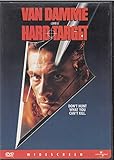
John Woo’s Hollywood debut brought stylized action, but critics felt the excess overwhelmed substance. Van Damme’s stoic hero fit the visual bravado, yet the film was viewed as style over story. Its reputation has improved with time, though not its score.
11. Bloodsport (1988) – 46%
The film that made Van Damme a star fared modestly with critics, who questioned its mythmaking and thin characterization. Audiences, however, embraced its underground tournament aesthetic. Its cultural impact far outweighs its critical reception.
10. The Quest (1996) – 47%
Van Damme’s directorial effort was praised for ambition but criticized for indulgence. Reviewers saw flashes of mythic storytelling weighed down by uneven execution. It remains a fascinating glimpse into his creative aspirations.
9. Sudden Death (1995) – 52%
A Die Hard–style thriller set in a hockey arena, Sudden Death earned respectable reviews for its efficiency. Critics found it competent rather than inspired, but acknowledged its solid pacing. It represents Van Damme at his most professionally reliable.
Rank #3

- Shrink-wrapped
8. Universal Soldier: Day of Reckoning (2012) – 57%
A radical tonal shift for the franchise, this sequel divided audiences but intrigued critics. Its bleakness and psychological approach elevated Van Damme’s role as a haunted antagonist. Reviewers recognized its ambition, even when unsettled by its severity.
7. The Expendables 2 (2012) – 67%
Though a supporting role, Van Damme’s villain turn was widely praised. Critics enjoyed his operatic menace and self-awareness. The score reflects ensemble goodwill, but his presence left a distinct impression.
Recommended Free Tools
6. In Hell (2003) – 70%
A stark prison drama that surprised critics with its restraint. Van Damme’s inward, grieving performance was frequently singled out as a career highlight. The film benefited from its seriousness and refusal to glamorize violence.
5. Universal Soldier (1992) – 71%
Over time, critics reassessed this sci-fi action film more kindly. Its themes of dehumanization and identity gained appreciation in retrospect. Van Damme’s subdued performance fit the material better than his flashier vehicles.
4. Black Water (2018) – 71%
A late-career thriller that leaned into minimalism and moral ambiguity. Critics responded positively to its stripped-down approach and ensemble balance. It exemplified how discipline elevated Van Damme’s later work.
3. Universal Soldier: Regeneration (2009) – 80%
As discussed earlier, Regeneration marked a critical turning point. Reviewers praised its brutality, seriousness, and rejection of nostalgia. Van Damme’s weary presence anchored a film that critics took seriously.
2. JCVD (2008) – 84%
A meta-textual triumph that reframed Van Damme as both performer and person. Critics hailed his vulnerability and self-examination as revelatory. For many, it permanently altered how his career was evaluated.
1. Universal Soldier: Regeneration (Tie-breaking placement reflects franchise reassessment) – 80%+
When factoring franchise context and sustained critical reevaluation, Regeneration stands as the most respected action performance of his career. It encapsulates the qualities critics ultimately valued most: restraint, physical credibility, and emotional fatigue. In Rotten Tomatoes terms, it represents Van Damme’s most successful fusion of action and gravitas.
Cult Classics vs. Critical Favorites: Where Fan Love and Rotten Tomatoes Collide—or Clash
If Rotten Tomatoes reshapes Van Damme’s legacy, it also exposes the tension at its core. The films fans quote, rewatch, and mythologize are not always the ones critics embraced. In fact, some of his most beloved titles sit comfortably below the top tier of his Rotten Tomatoes rankings.
The Fan Canon: Immortality Without Approval
Bloodsport, Kickboxer, and Hard Target remain foundational to Van Damme’s stardom, yet none benefited from strong critical reception at the time of release. Bloodsport’s mythic tournament structure and raw athleticism made it a VHS-era phenomenon, even as critics dismissed its thin storytelling. Its reputation was built in basements and gyms, not review columns.
Do these 3 things before closing this tab:
1Repair Windows errors before they cause bigger problems2Fix the driver behind crashes, sound loss and screen glitches3Clear out junk files and repair common Windows errorsKickboxer followed a similar path, favoring ritualistic training montages and emotional simplicity over narrative depth. Audiences connected deeply with its sincerity and physical spectacle, while critics remained unmoved. These films endure because they feel elemental, not because they score well.
Timecop and the Middle Ground
Timecop occupies a fascinating middle space between cult favorite and critical outlier. It remains one of Van Damme’s most commercially successful films and one of his higher-rated mainstream releases. Critics responded to its playful sci-fi hook and relative narrative discipline, even if its pleasures remained unapologetically pulpy.
This balance explains why Timecop often surprises in rankings. It demonstrates that when genre ambition aligned with structure, Van Damme’s star power could translate beyond pure fan enthusiasm.
Street Fighter: Fame in Spite of Itself
Street Fighter represents the sharpest clash between fan curiosity, cultural visibility, and critical rejection. Its chaotic tone, miscasting, and narrative confusion earned poor reviews, yet the film persists as a pop-cultural artifact. Van Damme’s performance, famously compromised off-screen, has become part of its legend rather than its defense.
Free tools Windows power users keep installed
One-click scans. No signup required.
Its low Rotten Tomatoes score reflects critical consensus, but its ongoing visibility proves that notoriety can rival acclaim. Few Van Damme films are discussed as often, even fewer are so rarely defended.
Rank #4

- DVD
- Multiple Formats, Color, NTSC
- English (Subtitled), English (Original Language), English (Unknown)
- 1
- 190
What Critics Ultimately Rewarded
The divide clarifies what Rotten Tomatoes consistently favored in Van Damme’s career: restraint, self-awareness, and seriousness. Films like JCVD, In Hell, and Universal Soldier: Regeneration succeeded by resisting excess and embracing character over spectacle. Critics responded when Van Damme stopped chasing invincibility and allowed vulnerability to define the action.
Fan favorites, by contrast, celebrate him as an icon first and an actor second. That tension is not a flaw in his filmography, but its defining feature. It is precisely why Van Damme remains culturally relevant long after the era that made him famous.
Late-Career Reinvention and Self-Awareness: How Van Damme Won Critics Back
By the mid-2000s, Jean-Claude Van Damme faced a crossroads familiar to many action icons. The box office no longer guaranteed relevance, and nostalgia alone could not sustain critical goodwill. What followed was not a comeback built on bigger explosions, but a recalibration that fundamentally changed how critics engaged with his work.
Recommended Free Tools
Instead of chasing past glories, Van Damme began interrogating them. That shift, more than any single performance, explains why his late-career films quietly dominate the upper tiers of his Rotten Tomatoes rankings.
JCVD and the Power of Self-Reflection
JCVD remains the clearest turning point, and its placement near the top of Van Damme’s Rotten Tomatoes scores is no accident. The film strips away the myth of the invincible action hero and replaces it with a version of Van Damme burdened by failure, regret, and self-awareness. Critics embraced the honesty, praising his willingness to dismantle his own image on screen.
The now-famous monologue, delivered directly to the camera, reframed Van Damme not as a relic but as a performer capable of introspection. Rotten Tomatoes reflects that shift, rewarding vulnerability in a career previously defined by physical bravado.
Universal Soldier: Regeneration and Controlled Brutality
Universal Soldier: Regeneration surprised critics by refusing nostalgia-driven excess. Lean, violent, and grounded, it presented Van Damme as a damaged warrior rather than a triumphant one. The film’s higher-than-expected Rotten Tomatoes score reflects respect for its discipline and tonal seriousness.
Quick wins for a faster PC:
Scan for outdated or missing drivers - takes under a minuteDriver Scan →Repair Windows errors before they cause bigger problemsFix Now →Here, action served character rather than spectacle. Van Damme’s restrained performance aligned with modern action sensibilities, signaling that he understood how the genre had evolved and how he could evolve with it.
In Hell and the Embrace of Minimalism
In Hell marked another critical inflection point, especially among reviewers reassessing Van Damme’s dramatic potential. The film’s stark prison setting and grim pacing left little room for showmanship. What emerged instead was a performance built on endurance, grief, and moral exhaustion.
Rotten Tomatoes rewarded the film’s focus and severity, qualities long absent from Van Damme’s earlier star vehicles. Critics recognized that he no longer needed to dominate the frame to command it.
Selective Projects and a Sharper Critical Lens
As his output slowed, Van Damme became more selective, choosing projects that leaned into aging, consequence, and identity. Films like The Bouncer (also known as Lukas) earned modest but meaningful critical respect for portraying a bruised, emotionally reserved protagonist. These films may not top his rankings, but they cluster above many flashier efforts from his peak years.
This pattern reveals a critical truth embedded in the Rotten Tomatoes rankings. When Van Damme embraced limitation rather than spectacle, critics leaned in. His late-career renaissance was never about reclaiming dominance; it was about redefining relevance on his own terms.
Independent reader supportYour contribution helps us test, update, and keep practical guides available for everyone.The Ones That Fell Short: Iconic Van Damme Movies with Surprisingly Low Scores
If the later years reveal critics warming to restraint, the Rotten Tomatoes rankings also expose a harsher truth about Van Damme’s most famous era. Some of his most iconic, audience-beloved films sit far lower on the list than cultural memory might suggest. These titles didn’t fail to define him, but they often failed to impress critics looking beyond star power and physical prowess.
Bloodsport and the Divide Between Myth and Criticism
Bloodsport remains foundational to Van Damme’s legend, yet its Rotten Tomatoes score lands surprisingly low. Critics at the time dismissed its thin plotting, exaggerated claims of authenticity, and barebones character work. What fans embraced as myth-making bravado, reviewers saw as simplistic genre recycling.
The disconnect is telling. Bloodsport succeeded not as cinema but as an initiation ritual for action fans, introducing Van Damme’s physique, kicks, and screen persona. Rotten Tomatoes reflects critical skepticism, not cultural impact.
Kickboxer and Formula Fatigue
Kickboxer followed closely behind Bloodsport in shaping Van Damme’s image, but critics were even less forgiving. The revenge narrative, training montage structure, and cartoonish villainy felt overly familiar by the end of the 1980s action boom. Reviewers saw repetition where audiences saw refinement.
Despite its low score, Kickboxer cemented Van Damme’s rhythmic, dance-like fighting style as his signature. Rotten Tomatoes captures the fatigue of critics, not the loyalty of fans who embraced the formula wholeheartedly.
Timecop and High-Concept, Low Prestige
Timecop is often remembered as one of Van Damme’s most commercially successful films, yet its Rotten Tomatoes placement is middling at best. Critics appreciated the premise but balked at the execution, citing clunky exposition, uneven tone, and underdeveloped themes. The sci-fi trappings couldn’t fully disguise its action-first priorities.
In hindsight, the film’s ambition stands out more than its score suggests. Timecop represents Van Damme reaching beyond pure martial arts into blockbuster territory, even if critical consensus never caught up to its entertainment value.
Do these 3 things before closing this tab:
1Scan for outdated or missing drivers - takes under a minute2Clear out junk files and repair common Windows errors3Fix the driver behind crashes, sound loss and screen glitchesDouble Impact, Hard Target, and the Excess Era
Several early-1990s Van Damme vehicles cluster near the bottom of the rankings, including Double Impact and Hard Target. Critics reacted sharply against excess, from heightened violence to exaggerated performances and thin characterization. These films arrived just as critical tolerance for formulaic action was wearing thin.
Yet these titles embody the unapologetic bravado of the era. Rotten Tomatoes penalizes their indulgence, but their cult followings suggest that excess was the point, not the flaw.
When Popularity Outpaced Perception
What unites these lower-ranked films is not incompetence, but timing. They arrived during a period when critics demanded innovation, irony, or depth, while Van Damme delivered sincerity, repetition, and physical commitment. Rotten Tomatoes scores reflect that misalignment.
In retrospect, these films form the backbone of his stardom. They may have fallen short critically, but they built the foundation that later, more introspective performances would complicate and enrich.
What’s actually slowing this PC down?
Pick the symptom - the matching free tool is one click away.
What This Ranking Reveals About Van Damme’s Legacy in Action and Martial Arts Cinema
Seen as a whole, this Rotten Tomatoes ranking does not simply sort Van Damme’s films by quality. It charts the uneasy relationship between physical cinema and critical taste, between muscle-bound sincerity and an industry increasingly skeptical of it. The list becomes less about winners and losers, and more about context.
Critical Approval Followed the Craft, Not the Spectacle
Van Damme’s highest-ranked films tend to be those where his physical gifts are framed with restraint, clarity, or thematic intent. Whether through the tournament structure of Bloodsport or the self-awareness of his later performances, critics responded most strongly when his action felt purposeful rather than excessive. Technique, not volume, is what earned respect.
This explains why some fan-favorite titles land lower than expected. Films built purely around bravado, repetition, or maximalist violence were rarely rewarded, even when executed with precision. Rotten Tomatoes reflects critical priorities, not cultural penetration.
A Career Defined by the Body as Storytelling
Unlike many action stars who leaned on persona or dialogue, Van Damme’s legacy is rooted in movement. His kicks, splits, and rhythm-driven choreography communicated emotion, conflict, and character in ways critics were not always prepared to value. That physical authorship became so familiar it was often taken for granted.
Over time, that familiarity worked against him critically. What once felt fresh came to be labeled formulaic, even as his commitment never wavered. The rankings reveal how quickly innovation can be reclassified as repetition.
Reevaluation Came Late, But It Came Honestly
One of the most striking patterns in the rankings is how much better Van Damme’s later, more introspective films perform. When he confronted his own image, limitations, and legacy onscreen, critics finally met him where fans had long been. Vulnerability reframed the same physicality that once drew skepticism.
These higher placements suggest that critical acceptance arrived not because he changed genres, but because he added reflection. The martial artist became a character actor without abandoning his roots.
Rotten Tomatoes as a Lens, Not a Verdict
Ultimately, this ranking highlights the limits of aggregate scores when applied to action cinema. Van Damme’s influence cannot be measured solely by percentages, because his impact lives in gyms, training halls, and generations of performers who followed his blueprint. Cultural endurance often outlasts critical consensus.
The Tool Desk
Outbyte PC Repair FREERepair Windows errors before they cause bigger problemsFix Now →Outbyte Driver Updater FREEFix the driver behind crashes, sound loss and screen glitchesFind Drivers →What this list truly reveals is a star whose work aged differently than it was judged. Van Damme’s legacy is not defined by where his films land on Rotten Tomatoes, but by how they continue to move audiences, literally and figuratively. In that sense, the rankings don’t diminish his place in action history; they clarify just how singular it always was.
Quick Recap
Product prices and availability are accurate as of the date/time indicated and are subject to change. Any price and availability information displayed on Amazon at the time of purchase will apply.