PC Slower Than It Used to Be?
A free scan shows the junk files, broken settings and background clutter dragging Windows down - then fixes them in one click.Free scan · Windows 10 & 11Crashes, No Sound, or Screen Glitches?
Random freezes, missing sound and display glitches usually trace back to one bad driver. Find and replace yours safely.Free scan · under a minuteThe first moments of the exclusive behind-the-scenes clip from Song Sung Blue feel less like a carefully staged promo and more like a private invitation onto a set humming with creative confidence. Hugh Jackman and Kate Hudson are captured between takes, trading smiles, adjusting rhythms, and instinctively falling into sync in a way that feels effortless rather than rehearsed. It’s the kind of chemistry that can’t be manufactured, and the camera knows it.
What the footage reveals is a partnership built on mutual trust and shared musical intuition, with Jackman’s grounded warmth playing seamlessly off Hudson’s natural ease and emotional openness. There’s laughter, quiet focus, and the occasional recalibration that hints at how deeply both actors are invested in finding the right tone. The clip underscores that Song Sung Blue isn’t chasing spectacle for its own sake, but something more intimate and emotionally tuned.
![Song Sung Blue (2025) - Collector's Edition [DVD]](https://m.media-amazon.com/images/I/51IYx-ef-7L._SL160_.jpg)


That energy carries into the broader promise of the film itself, which leans into classic storytelling while embracing the vulnerability that comes with performance-driven projects. The BTS glimpse suggests a movie powered by character, connection, and an authentic love for the music at its center. If this candid look is any indication, Song Sung Blue is shaping up to be less about hitting the perfect note and more about discovering it together.
Perfect Harmony on Set: How Hugh Jackman and Kate Hudson’s Chemistry Comes Alive
What becomes immediately clear in the BTS footage is that Jackman and Hudson aren’t just co-stars sharing a frame; they’re collaborators actively listening to one another. Between takes, they lean in, exchange quick thoughts, and reset with an ease that suggests a shared creative shorthand. It’s the kind of dynamic that doesn’t announce itself loudly but quietly elevates every moment it touches.
#1 Best Overall
A Rhythm Built on Trust
Jackman brings a steady, anchoring presence to the set, often grounding scenes with small adjustments rather than big gestures. Hudson, by contrast, moves with a looser, more instinctive energy, allowing emotion to lead while trusting Jackman to meet her there. The BTS clip captures that push and pull, revealing how their contrasting styles blend into something unexpectedly harmonious.
There’s a telling moment where a musical beat is reworked on the fly, not through technical direction but through feel. A glance, a nod, and suddenly the rhythm clicks. It’s a subtle exchange, but it speaks volumes about how deeply in sync the two have become.
Setting the Emotional Tone of Song Sung Blue
That chemistry isn’t just actor-to-actor; it shapes the entire tone of Song Sung Blue. The film appears less interested in polished perfection than in emotional honesty, and Jackman and Hudson seem fully aligned with that approach. Their interactions feel lived-in, suggesting characters shaped by history, not just a script.
The behind-the-scenes access reinforces the sense that this is a performance-driven project where character and connection come first. Rather than leaning on spectacle, the film allows moments of vulnerability to breathe, trusting its leads to carry the emotional weight.
Why Their Connection Makes the Film Click
For audiences, this kind of chemistry is the difference between watching a story and feeling invited into it. Jackman and Hudson don’t play at intimacy; they build it, piece by piece, through trust, humor, and shared musical language. The BTS clip makes it clear that Song Sung Blue is tapping into that rare alchemy where two performers elevate each other simply by being present.
It’s an early but convincing signal that the film’s emotional core is in steady hands. If the ease and connection captured behind the scenes translate to the screen, Song Sung Blue won’t just resonate as a musical drama, but as a character-driven experience powered by two stars finding the same wavelength.
Reading Between the Notes: What the BTS Footage Reveals About the Film’s Tone
What’s most striking about the behind-the-scenes clip isn’t just the ease between Hugh Jackman and Kate Hudson, but the emotional temperature it sets for Song Sung Blue as a whole. The footage suggests a film that’s warm without being sentimental, grounded without losing its sense of joy. There’s an unforced intimacy to the way scenes are approached, hinting at a story that values connection over grand gestures.
Rather than chasing a glossy, show-stopping musical sheen, the tone feels deliberately human. You can sense a creative environment where feeling takes precedence over perfection, and where small, honest moments are treated as the film’s emotional backbone. That choice alone positions Song Sung Blue as something more soulful than conventional.
Quick wins for a faster PC:
Fix the driver behind crashes, sound loss and screen glitchesFind Drivers →Clear out junk files and repair common Windows errorsFree Scan →A Musical Drama That Breathes
The BTS moments reveal a production comfortable with pauses, laughter, and recalibration. Jackman and Hudson are seen testing rhythms and emotional beats, not to polish them smooth, but to let them breathe. It points to a musical drama that isn’t afraid of rough edges if they serve authenticity.
Rank #2
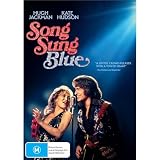
- Hugh Jackman, Kate Hudson, Craig Brewer
This approach suggests that the songs function less as spectacle and more as emotional punctuation. Music becomes an extension of character, shaped by experience and feeling rather than choreography or technical showmanship. It’s a tonal promise that the film will lean into sincerity over dazzle.
Intimacy Over Instrumentation
There’s a quiet confidence in how the cast and creative team operate on set, and it permeates the footage. Conversations happen close, performances are adjusted with trust, and the camera seems to observe rather than impose. That intimacy hints at a film designed to draw audiences in gently, inviting them to listen as much as watch.
Jackman and Hudson’s shared ease reinforces that tone. Their rapport feels less like a rehearsed partnership and more like two people discovering something together in real time. It’s a subtle but powerful indicator that Song Sung Blue is aiming for emotional resonance that lingers, carried by performances that feel honest, collaborative, and deeply felt.
Do these 3 things before closing this tab:
1Repair Windows errors before they cause bigger problems2Fix the driver behind crashes, sound loss and screen glitches3Clear out junk files and repair common Windows errorsFrom Rehearsal to Rolling Cameras: Capturing a Musical Connection in Real Time
What makes the BTS clip especially compelling is how fluidly it moves between preparation and performance. One moment, Hugh Jackman and Kate Hudson are quietly running lines or feeling out a melody; the next, the camera is rolling, and that same energy carries straight into the take. There’s no visible switch being flipped, which speaks to how organically their connection translates on screen.
Rather than locking into rigid rehearsal patterns, the footage shows a process rooted in responsiveness. Jackman adjusts his phrasing based on Hudson’s delivery, Hudson mirrors his timing without forcing it, and the scene subtly reshapes itself in real time. It’s a dynamic that feels lived-in rather than manufactured.
Letting the Music Lead the Moment
Music in Song Sung Blue doesn’t appear to dictate the scene so much as follow it. The BTS clip captures moments where Jackman and Hudson allow the song to ebb and flow with the emotion, sometimes pulling back, sometimes leaning in, but always staying grounded in character. That flexibility gives the performances a conversational quality, as if the music is another language they’re sharing.
It’s a reminder of both actors’ musical instincts, but also their restraint. Neither is performing at the other; instead, they’re listening, adjusting, and trusting the material. The result feels intimate, almost private, even with a full crew watching.
Recommended Free Tools
Chemistry Built on Trust, Not Flash
Perhaps the most telling element of the footage is how comfortable Jackman and Hudson appear between takes. Small exchanges, laughter, and quick recalibrations hint at a partnership built on mutual trust rather than star power. That ease carries directly into the performances, giving scenes a sense of authenticity that can’t be rehearsed into existence.
For a film like Song Sung Blue, that chemistry is everything. The BTS clip makes it clear that the emotional stakes aren’t being manufactured through grand musical moments, but through genuine connection. It positions the film as a character-driven musical where the heart of the story lives in the spaces between notes, shaped by two performers clearly in sync.
Rank #3
Why Jackman and Hudson Are Ideal Co-Leads for ‘Song Sung Blue’
Two Performers Fluent in Music and Character
What makes Hugh Jackman and Kate Hudson such a natural pairing in Song Sung Blue isn’t just their shared comfort with music, but how instinctively they weave it into character. Jackman’s career has long balanced musicality with emotional specificity, while Hudson brings a looseness and warmth that makes performance feel lived-in rather than staged. The BTS clip underscores that fluency, capturing two actors who don’t treat music as a showcase, but as an extension of dialogue.
There’s an ease in how they approach the material, suggesting a mutual understanding of when to lean into the melody and when to let silence do the work. That balance is crucial for a film that hinges on emotional authenticity rather than spectacle.
A Shared Emotional Frequency
The footage reveals that Jackman and Hudson operate on the same emotional wavelength. Jackman’s grounded intensity pairs seamlessly with Hudson’s intuitive responsiveness, creating scenes that feel conversational even when underscored by music. Neither performance dominates; instead, they rise and fall together, shaping moments collaboratively.
That synchronicity sets the tone for Song Sung Blue as a character-first musical. The film doesn’t rely on heightened theatrics, and the BTS moments make clear that its emotional impact is built on subtle shifts, glances, and timing only seasoned performers can execute.
Experience That Serves the Story, Not the Spotlight
Both actors bring decades of experience, but the clip shows them using that confidence in service of the story rather than personal flourish. Jackman’s willingness to adjust in the moment and Hudson’s openness to recalibrate signal a shared priority: protecting the emotional truth of the scene. It’s a dynamic that allows the film to breathe, giving space for imperfection and discovery.
That approach aligns perfectly with the film’s tone, which appears intimate and reflective rather than grandiose. The BTS footage positions Song Sung Blue as a project driven by trust, curiosity, and creative listening, anchored by two leads who understand that the most resonant moments often come from restraint.
The Tool Desk
Outbyte PC Repair FREERepair Windows errors before they cause bigger problemsFix Now →Outbyte Driver Updater FREEFix the driver behind crashes, sound loss and screen glitchesFind Drivers →A Partnership That Defines the Film’s Identity
Ultimately, the clip suggests that Song Sung Blue is built around the relationship at its center, and Jackman and Hudson shape that foundation with remarkable cohesion. Their chemistry doesn’t announce itself; it unfolds naturally, drawing the viewer into a world that feels personal and emotionally honest.
By leaning into connection over performance, they set the emotional language of the film. It’s a pairing that not only elevates the material, but quietly defines what Song Sung Blue wants to be: a story where music reflects life, and life, in turn, shapes the song.
The Story Behind ‘Song Sung Blue’: Romance, Music, and Emotional Resonance
At its core, Song Sung Blue is a love story shaped by memory, melody, and the quiet spaces between words. The BTS clip offers telling glimpses of how Hugh Jackman and Kate Hudson approach that emotional terrain, grounding the film’s romance in lived-in feeling rather than cinematic spectacle. What emerges is a story less about falling in love and more about recognizing it, again and again, through shared history and song.
The film’s emotional architecture appears intentionally restrained. Instead of sweeping declarations, the romance unfolds through exchanges that feel personal and slightly unfinished, as if the characters are still learning how to speak to one another honestly. That sense of emotional patience is mirrored in the way Jackman and Hudson rehearse and recalibrate moments on set, listening as much as they perform.
Music as Emotional Memory
Music in Song Sung Blue isn’t treated as interruption or showpiece; it functions as emotional memory. The BTS footage suggests that each musical moment is motivated by character, emerging organically from what the characters can’t quite articulate otherwise. Jackman and Hudson approach these sequences with noticeable care, often discussing tone and tempo as extensions of feeling rather than technical demands.
That approach gives the music a confessional quality. Songs become emotional checkpoints, capturing where the characters are at a given moment rather than pushing the story forward artificially. It’s a choice that aligns with the film’s broader commitment to authenticity, allowing the audience to feel like they’re eavesdropping on something intimate rather than watching a performance staged for effect.
A Romance Built on Emotional Fluency
What stands out most in the BTS material is how emotionally fluent Jackman and Hudson are with one another. There’s a shared shorthand in the way they move through scenes, adjusting rhythm or emphasis with minimal discussion. That comfort level translates directly into the film’s romantic dynamic, which feels mature, layered, and unafraid of vulnerability.
Rather than idealizing romance, Song Sung Blue appears interested in its complexity. The film embraces uncertainty, nostalgia, and the tenderness that comes from knowing someone deeply, flaws included. Jackman and Hudson’s chemistry doesn’t rely on spark alone; it’s built on trust, attentiveness, and a mutual willingness to sit in emotional ambiguity.
Free tools Windows power users keep installed
One-click scans. No signup required.
Why the Story Feels Timely and Timeless
In an era of high-concept musicals and heightened romantic storytelling, Song Sung Blue positions itself differently. Its story feels both timeless and quietly contemporary, rooted in emotional realism rather than trend-driven spectacle. The BTS clip reinforces that intention, showing a creative environment focused on nuance and emotional clarity.
That sensibility makes the film feel especially inviting. By centering romance and music as reflections of inner life, Song Sung Blue promises an experience that resonates beyond the screen. It’s not just a film about love or songs, but about the way both evolve with time, shaped by experience and shared understanding.
Independent reader supportYour contribution helps us test, update, and keep practical guides available for everyone.Creative Energy on Display: The Filmmakers’ Approach to Performance and Mood
The BTS clip makes it clear that Song Sung Blue is being shaped in the margins between takes as much as in the script itself. There’s an ease to the set, one that prioritizes emotional availability over rigid execution. You can see the filmmakers creating space for discovery, allowing moments to breathe and performances to settle organically before the camera rolls.
Rather than chasing heightened musical beats, the creative team appears focused on emotional continuity. Scenes are built around feeling first, with music treated as a natural extension of character rather than a show-stopping interruption. It’s an approach that gives the film its understated confidence, trusting the material and the performers to carry the weight.
Letting Performance Lead the Process
Jackman and Hudson aren’t being pushed toward predetermined emotional marks. The BTS footage shows them talking through scenes in terms of intention and subtext, often fine-tuning a moment by adjusting energy instead of blocking. That performer-first mindset allows their chemistry to evolve in real time, lending the film a lived-in quality that feels rare for a music-driven romance.
The directors’ presence feels deliberately unobtrusive. Guidance is offered in quiet, conversational beats rather than grand declarations, reinforcing the idea that authenticity is the priority. When the camera finally moves in, it’s capturing something already alive rather than trying to manufacture magic on command.
Establishing a Mood That Feels Personal
Tone is treated almost like a shared language on set. The BTS clip reveals conversations about mood that go beyond lighting or sound, focusing instead on emotional temperature and internal rhythm. That attentiveness ensures each scene feels connected, not just narratively but emotionally, as if the film is following a continuous inner pulse.
This careful calibration of mood positions Song Sung Blue as a project built on trust—between filmmakers and actors, and ultimately between the film and its audience. The creative energy on display suggests a movie confident enough to be quiet when needed, and emotionally rich enough to linger long after the music fades.
What’s actually slowing this PC down?
Pick the symptom - the matching free tool is one click away.
Why This BTS Moment Positions ‘Song Sung Blue’ as a Must-Watch Upcoming Release
What ultimately elevates this behind-the-scenes glimpse beyond a standard promotional tease is how clearly it communicates intent. The clip isn’t selling spectacle or nostalgia; it’s selling connection. In just a few unguarded moments, Song Sung Blue reveals itself as a film confident in its emotional clarity and unafraid to let its stars lead with sincerity.
There’s an ease between Hugh Jackman and Kate Hudson that can’t be manufactured, and the BTS footage captures it before performance calcifies into polish. Their exchanges feel intuitive, playful, and quietly grounded, suggesting a partnership built on listening as much as reacting. That dynamic hints at a romance designed to unfold naturally, rather than one driven by contrived dramatic beats.
Chemistry That Feels Earned, Not Engineered
The most striking element of the clip is how little effort is spent “creating” chemistry. Jackman and Hudson appear comfortable occupying the same emotional space, adjusting tone and timing instinctively as they move through scenes. It’s the kind of rapport that suggests shared trust, allowing small gestures and pauses to carry weight.
That organic interplay positions Song Sung Blue as a character-forward story, where musical moments emerge from emotional truth rather than narrative obligation. When the film does lean into song, it feels earned because the relationship underneath it has already been established with care. For audiences, that authenticity can be the difference between watching a performance and feeling one.
What’s actually slowing this PC down?
Pick the symptom - the matching free tool is one click away.
A Musical Romance Rooted in Emotional Realism
The BTS moment also reframes expectations around the film’s musical identity. Rather than building toward big, sweeping crescendos, Song Sung Blue appears more interested in intimacy and restraint. Music functions as emotional punctuation, deepening character arcs instead of overwhelming them.
This approach aligns perfectly with the lived-in tone seen on set. The film isn’t chasing grandiosity; it’s chasing resonance. That choice positions it as a refreshing counterpoint to louder, more stylized musical romances, offering something quieter but potentially more enduring.
Creative Confidence That Signals Longevity
Perhaps most importantly, the clip suggests a production that knows exactly what kind of film it’s making. There’s no sense of overcorrection or uncertainty, only a steady commitment to mood, performance, and story. That level of creative confidence often translates into a film that ages well, rewarding viewers who lean into its subtleties.
Taken together, this BTS moment doesn’t just build anticipation; it builds trust. Song Sung Blue looks poised to deliver a romance shaped by emotional intelligence, anchored by two performers operating at their most instinctive. If the finished film reflects what’s happening between the camera setups, this won’t just be a pleasant surprise—it could be one of the year’s most quietly affecting releases.
Recommended Free Tools
Quick Recap
Product prices and availability are accurate as of the date/time indicated and are subject to change. Any price and availability information displayed on Amazon at the time of purchase will apply.

