Quick wins for a faster PC:
Clear out junk files and repair common Windows errorsFree Scan →Fix the driver behind crashes, sound loss and screen glitchesFind Drivers →Repair Windows errors before they cause bigger problemsFix Now →Gone with the Wind was filmed in color in 1939 using Technicolor. It was not first made as a black-and-white movie and colorized later. The original process recorded color information on three black-and-white negatives at once, then combined those records to create the color image.
How Technicolor captured color
In the three-strip Technicolor process used for the film, the camera exposed three black-and-white negatives simultaneously. Each recorded light through a different color filter: red, green, or blue. Together, the three records carried the image’s color information; printing them in combination produced a color picture.
![Gone with the Wind (70th Anniversary Edition) [Blu-ray] by Warner Home Video](https://m.media-amazon.com/images/I/513D6FK805L._SL160_.jpg)

That is why “in color” does not mean the same thing here as later colorization. Color was captured during filming, even though the camera records themselves were black and white.
What later restorations had to work with
The Library of Congress catalog lists color-separation master positives among the film’s preserved materials. These are archival records of the separate color information, not evidence by themselves of the exact method used to create any particular modern restoration.
The Tool Desk
Outbyte Driver Updater FREEScan for outdated or missing drivers - takes under a minuteDriver Scan →Outbyte PC Repair FREEClear out junk files and repair common Windows errorsFree Scan →#1 Best Overall
![Gone with the Wind (BD) [Blu-ray]](https://m.media-amazon.com/images/I/5112+2NvstL._SL160_.jpg)
- Factory sealed DVD
Reproducing the image from old separation elements could be difficult because the records had to line up precisely. The technical account of the film’s 1963 70mm re-release describes negatives affected by uneven shrinkage, damaged perforations, and patched repairs. MGM laboratories developed an adjustable printing system called the Metro Method for that release to accommodate differing shrinkage. That account documents the 1963 presentation, not the workflow for every later restoration or home-video edition.
Who photographed the film?
Turner Classic Movies identifies Gone with the Wind as a 1939 Technicolor production and credits Ernest Haller and Ray Rennahan as cinematographers, with Lee Garmes uncredited. Its production history describes the film’s Technicolor images as having a distinctive style and polish. TCM also reports that all seven Technicolor cameras then available were used for the burning-of-Atlanta sequence, a detail that illustrates the scale of that scene rather than explaining the color process.
Independent reader supportYour contribution helps us test, update, and keep practical guides available for everyone.What is known about later releases
TCM reports that the film received a 50th-anniversary theatrical re-release in 1989 and identifies The Making of a Legend: Gone With the Wind as a 1989 production. The sources cited here do not establish the specific photochemical or digital workflow used for that re-release, so it should not be assumed to have used the Metro Method or any particular restoration process.
Sources: TCM’s film history; Library of Congress catalog record; in70mm.com’s account of the Metro Method.
What’s actually slowing this PC down?
Pick the symptom - the matching free tool is one click away.
Quick Recap
Best Value
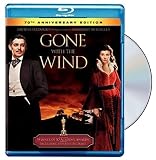
- Gone With the Wind - 70th Anniversary Edition - Blu-ray Edition
Rank #3

- CLASSIC FILM: Winner of 10 Academy Awards, this epic Civil War romance from 1939 remains one of Hollywood's most celebrated masterpieces
- ANNIVERSARY EDITION: Special 70th Anniversary Blu-ray release featuring pristine high-definition picture quality and enhanced audio
- RUNTIME: Nearly four hours of sweeping drama set against the backdrop of the American South during the Civil War and Reconstruction eras
- HISTORICAL EPIC: Based on Margaret Mitchell's Pulitzer Prize-winning novel, this timeless story captures the antebellum South's final days
- VISUAL QUALITY: Meticulously restored and remastered presentation showcases the film's legendary Technicolor cinematography in stunning detail
Product prices and availability are accurate as of the date/time indicated and are subject to change. Any price and availability information displayed on Amazon at the time of purchase will apply.