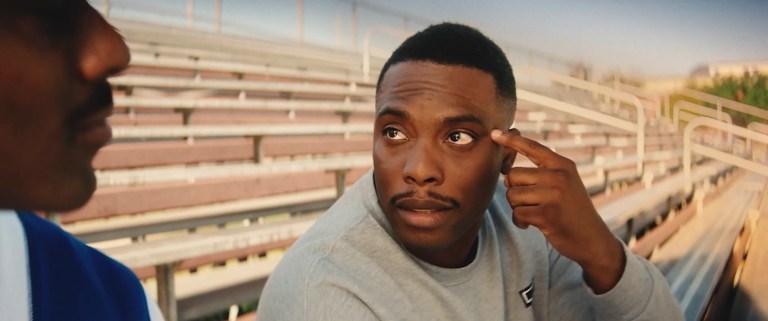
From its earliest trailers, The Pitt sold itself as a bruising prestige drama about power, loyalty, and moral compromise in a city shaped by both ambition and decay. Season 1 promised a character-driven saga that would peel back the layers of its world slowly, letting relationships and consequences accumulate with the kind of weight HBO dramas are known for. For many viewers, that promise was enough to tune in week after week, expecting a series that would deepen as it went.
What Season 1 ultimately delivered, however, was a show still figuring out how to tell its own story. The ingredients were all there: a compelling setting, strong performances, and a thematic interest in how systems chew people up. Yet too often, the season felt caught between being a moody ensemble piece and a plot-heavy thriller, never fully committing to either approach.
The Setup That Suggested a Bigger, Bolder Show
Early episodes did impressive work establishing the stakes and the world of The Pitt, sketching out a network of characters whose lives intersected in volatile ways. The series hinted at long-term arcs about corruption, identity, and the cost of survival, encouraging viewers to read between the lines rather than wait for easy answers. At its best, Season 1 felt like the opening chapters of a dense novel, confident that patience would be rewarded.
That sense of ambition made the show’s early goodwill particularly strong. Viewers weren’t just watching for plot twists; they were investing in the idea that these characters would evolve in surprising, painful ways. The expectation was that the season was laying groundwork for something that would grow more complex over time.
Windows Errors? Fix Them Before They Spread
Repair common Windows errors and clear accumulated junk for a smoother, more stable PC - no reinstall needed.Free scan · no reinstallCrashes, No Sound, or Screen Glitches?
Random freezes, missing sound and display glitches usually trace back to one bad driver. Find and replace yours safely.Free scan · under a minute#1 Best Overall

- HD streaming made simple: With America’s number 1 TV streaming platform,* exploring popular apps—plus tons of free movies, shows, and live TV—is as easy as it is fun. *Based on hours streamed—Hypothesis Group
- Compact without compromises: The sleek design of Roku Streaming Stick won’t block neighboring HDMI ports, and it even powers from your TV alone, plugging into the back and staying out of sight. No wall outlet, no extra cords, no clutter.
- No more juggling remotes: Power up your TV, adjust the volume, and control your Roku device with one remote. Use your voice to quickly search, play entertainment, and more.
- Shows on the go: Take your TV to-go when traveling—without needing to log into someone else’s device.
- TV, simplified: With setup that only takes minutes, a simple-to-navigate Home Screen, and an uncluttered remote control that does all you need—Roku makes it easier to watch the TV you love.
Where Season 1 Lost Its Focus
The biggest problem emerged as the season progressed: The Pitt struggled to balance breadth with depth. With so many storylines competing for attention, character arcs often advanced in fits and starts, undercutting emotional momentum. Moments that should have landed as turning points instead felt rushed, as if the show was eager to get to its next idea rather than fully explore the one at hand.
This lack of narrative cohesion became Season 1’s defining weakness. The show wasn’t short on ideas, but it lacked a clear organizing spine, leaving viewers with the sense that the series knew what it wanted to say thematically but not always how to dramatize it. Season 2, by contrast, appears positioned to correct this by narrowing its focus, deepening its character work, and finally aligning its storytelling ambition with a more disciplined structure.
Identifying the Core Problem: A Show Torn Between Gritty Social Drama and Conventional Prestige TV
At its core, The Pitt’s first season struggled with an identity crisis. It wanted to be an unvarnished social drama about institutional decay and personal compromise, but it often defaulted to the rhythms of familiar prestige television. The result was a series that looked serious and sounded ambitious, yet frequently softened its sharpest ideas with safer storytelling choices.
This tension wasn’t just tonal; it shaped how stories were constructed and resolved. Scenes that gestured toward systemic critique were often followed by plot mechanics designed to keep the show moving, rather than digging deeper. Instead of letting discomfort linger, Season 1 repeatedly chose momentum over meaning.
Quick wins for a faster PC:
Repair Windows errors before they cause bigger problemsFix Now →Scan for outdated or missing drivers - takes under a minuteDriver Scan →Clear out junk files and repair common Windows errorsFree Scan →When Grit Took a Back Seat to Familiar Prestige Beats
The Pitt was at its most compelling when it slowed down and trusted its observational instincts. Episodes that lingered on power dynamics, moral exhaustion, or the quiet consequences of bad decisions hinted at a show unafraid of ambiguity. Unfortunately, these moments were frequently undercut by sudden pivots into heightened drama, twists, or confrontations that felt imported from a more conventional HBO playbook.
This created a push-and-pull between realism and spectacle. Characters would behave with grounded nuance in one episode, only to be pushed into schematic conflicts the next. The grit felt real, but the structure surrounding it often didn’t, making the social commentary feel more like texture than the engine of the story.
The Cost of Playing It Safe
By hedging between two modes, Season 1 dulled its own impact. The show seemed wary of fully embracing the messiness that true social drama demands, where solutions are elusive and victories are often illusory. Instead, it occasionally offered narrative closure where unease might have been more honest.
This is where Season 2’s opportunity becomes clear. Early indications suggest a renewed confidence in the show’s harsher instincts, with less emphasis on tidy arcs and more on sustained consequence. If The Pitt can finally commit to being uncomfortable, rather than conventionally “prestigious,” it can transform its thematic ambition into something sharper, riskier, and far more resonant.
How Structural Drift Hurt Character Investment and Narrative Momentum in Season 1
One of Season 1’s most persistent issues wasn’t any single storyline, but the way the series struggled to maintain a consistent narrative spine. The Pitt often introduced compelling character dilemmas only to abandon or dilute them a few episodes later. This structural drift made it difficult for viewers to stay emotionally anchored, even when individual scenes were strong.
Rather than building arcs that accumulated pressure over time, the season frequently reset its focus. Characters would experience seemingly pivotal moments that promised long-term consequences, only for the narrative to pivot elsewhere before those consequences could meaningfully land. The result was a show that felt busy but oddly weightless, always moving yet rarely deepening.
Fragmented Arcs and the Illusion of Progress
Season 1 leaned heavily on episodic urgency, giving each hour its own crisis while postponing deeper character reckoning. On paper, this created momentum, but in practice it fractured emotional continuity. Viewers were asked to invest in transformations that never fully crystallized, making growth feel implied rather than earned.
Rank #2

- Ultra-speedy streaming: Roku Ultra is 30% faster than any other Roku player, delivering a lightning-fast interface and apps that launch in a snap.
- Cinematic streaming: This TV streaming device brings the movie theater to your living room with spectacular 4K, HDR10+, and Dolby Vision picture alongside immersive Dolby Atmos audio.
- The ultimate Roku remote: The rechargeable Roku Voice Remote Pro offers backlit buttons, hands-free voice controls, and a lost remote finder.
- No more fumbling in the dark: See what you’re pressing with backlit buttons.
- Say goodbye to batteries: Keep your remote powered for months on a single charge.
This was especially damaging for a drama so clearly invested in moral complexity. When characters don’t carry the residue of past choices forward, their decisions lose cumulative meaning. Structural drift turned what should have been slow-burn tragedy into a sequence of near-misses.
Momentum Without Escalation
The show’s pacing often suggested escalation, but the underlying structure resisted it. Stakes rose within episodes, yet rarely escalated across the season in a way that felt irreversible. Conflicts flared, resolved, and then resurfaced in slightly altered forms, creating motion without evolution.
That lack of narrative escalation dulled tension. By the back half of the season, viewers could sense that few events would permanently alter the show’s trajectory, which quietly eroded suspense. When anything can be undone or sidestepped, urgency becomes performative rather than visceral.
Why Season 2 Is Better Positioned to Fix This
Season 2 appears ready to address this by committing to longer, more consequential arcs. Early signals point toward fewer narrative resets and a greater willingness to let storylines collide, overlap, and compound. This shift alone could dramatically restore character investment.
If the series allows choices to linger and consequences to stack, The Pitt can finally align its structure with its ambitions. By treating character journeys as cumulative rather than modular, Season 2 has the chance to transform momentum into meaning, giving the drama the narrative gravity Season 1 so often gestured toward but rarely sustained.
Do these 3 things before closing this tab:
1Clear out junk files and repair common Windows errors2Fix the driver behind crashes, sound loss and screen glitches3Repair Windows errors before they cause bigger problemsWhat the Season 1 Finale Revealed About the Show’s Identity Crisis
The Season 1 finale of The Pitt didn’t fail because it lacked ambition. It faltered because it tried to be two different shows at once, and ultimately committed to neither. What should have been a defining statement instead exposed a creative hesitation about what kind of drama The Pitt actually wants to be.
Rather than clarifying the series’ core identity, the finale amplified the tensions that had been simmering all season. It closed narrative doors that felt prematurely sealed while leaving others conspicuously ajar, creating the sense that the show was unsure which elements deserved long-term investment. In doing so, it revealed the central problem Season 2 now has the opportunity to correct.
A Procedural Engine Trapped in a Prestige Shell
At its heart, The Pitt oscillated between procedural comfort and prestige aspiration. The finale leaned heavily into immediate resolution, favoring clean narrative beats over unsettling ambiguity. This choice undercut the show’s earlier gestures toward moral complexity and institutional critique.
Prestige dramas thrive on discomfort and unresolved consequences, but the finale often opted for narrative reassurance. The result was an episode that felt functional rather than defining, closing the season without fundamentally altering the emotional or ethical landscape. For viewers expecting a bold thesis statement, the restraint felt like retreat.
Character Focus Without a Central Protagonist Spine
The finale also highlighted how diffusely the show had spread its emotional attention. By attempting to service multiple character arcs without elevating one as the season’s emotional anchor, the episode diluted its impact. No single journey emerged as the lens through which the season could be reinterpreted.
This ensemble-first approach isn’t inherently flawed, but it demands sharper hierarchy and thematic alignment. Instead, the finale treated its characters with equal weight but unequal consequence, reinforcing the sense that the series hadn’t yet decided whose story truly defines The Pitt. That ambiguity weakened what should have been the season’s most clarifying hour.
Rank #3

- 4K streaming made simple:With America’s number 1 TV streaming platform,* exploring popular apps—plus tons of free movies, shows, and live TV—is as easy as it is fun. *Based on hours streamed—Hypothesis Group
- 4K picture quality: With Roku Streaming Stick Plus, watch your favorites with brilliant 4K picture and vivid HDR color.
- Compact without compromises: Our sleek design won’t block neighboring HDMI ports, and it even powers from your TV alone, plugging into the back and staying out of sight. No wall outlet, no extra cords, no clutter.
- No more juggling remotes: Power up your TV, adjust the volume, and control your Roku device with one remote. Use your voice to quickly search, play entertainment, and more.
- Shows on the go: Take your TV to-go when traveling—without needing to log into someone else’s device.
Resolution That Felt More Like Reset
Perhaps most telling was how little the finale altered the show’s baseline. Relationships, power dynamics, and institutional pressures largely returned to familiar configurations, suggesting preservation rather than progression. Instead of a turning point, the ending functioned as a pause.
This reset instinct is common in first seasons hedging their future, but it clashes with the kind of serialized storytelling The Pitt clearly wants to inhabit. By avoiding irreversible change, the finale underscored the show’s uncertainty about committing to long-term consequences. Season 2’s promise lies in breaking that pattern and allowing the series to finally move forward rather than sideways.
What’s actually slowing this PC down?
Pick the symptom - the matching free tool is one click away.
Season 2’s Creative Reset: A Clearer Thesis, Sharper Focus, and Fewer Narrative Distractions
Season 2 enters with an implicit mandate to correct Season 1’s most persistent issue: a lack of narrative conviction. The groundwork was compelling, but the series often felt unsure of what it ultimately wanted to argue about power, complicity, and survival within its institutional setting. Rather than deepening its discomfort, the first season frequently diffused it across too many lanes.
What’s promising about the upcoming season is not the promise of louder drama, but of cleaner intention. The creative reset appears designed to give The Pitt a firmer thesis, one that allows tension to accumulate rather than disperse. That clarity alone could dramatically recalibrate how the show lands its moments.
From Atmosphere to Argument
Season 1 excelled at mood, but often stopped short of making a sustained argument. It gestured toward systemic rot and moral erosion without committing to a specific perspective or consequence. The result was a series that felt evocative yet noncommittal, more interested in tone than trajectory.
Season 2 seems poised to bridge that gap by letting its atmosphere serve a clearer point of view. Instead of merely depicting dysfunction, the narrative appears more willing to interrogate who benefits from it and who pays the price. That shift would transform The Pitt from an observational drama into a more assertive one.
The Tool Desk
Outbyte PC Repair FREERepair Windows errors before they cause bigger problemsFix Now →Outbyte Driver Updater FREEFix the driver behind crashes, sound loss and screen glitchesFind Drivers →Re-Centering the Emotional Spine
One of Season 1’s quiet liabilities was its reluctance to privilege a single emotional throughline. The ensemble remained compelling, but without a defined center of gravity, the show struggled to build cumulative momentum. Conflicts arose, but few felt like they were escalating toward something inevitable.
Season 2 has an opportunity to correct this by anchoring its story more decisively around a core perspective. This doesn’t require abandoning the ensemble, but it does demand a clearer hierarchy of consequence. When one character’s evolution becomes the prism through which others are understood, the drama gains both urgency and cohesion.
Trimming Subplots to Strengthen Impact
Another lesson Season 1 left behind is that not every idea needs equal screen time. Several subplots introduced intriguing textures but ultimately diluted the show’s focus, pulling attention away from its most potent conflicts. The narrative sprawl made the season feel busier than it was meaningful.
Early indications suggest Season 2 will be more selective, favoring depth over breadth. By reducing narrative noise and allowing fewer storylines to breathe longer, the series can finally let consequences linger. That restraint could prove to be The Pitt’s most important evolution, replacing narrative hedging with deliberate forward motion.
Rebuilding the Ensemble: How Season 2 Plans to Deepen Characters Instead of Spreading Them Thin
Season 1 of The Pitt was ambitious in its scope, introducing a wide-ranging ensemble meant to reflect an entire ecosystem of power, compromise, and survival. The problem wasn’t a lack of compelling characters, but an overabundance of partial arcs. Too many figures were sketched in compelling strokes, only to be sidelined before their choices could accumulate meaning.
Rank #4

- Stunning 4K and Dolby Vision streaming made simple: With America’s number 1 TV streaming platform,* exploring popular apps—plus tons of free movies, shows, and live TV—is as easy as it is fun. *Based on hours streamed—Hypothesis Group
- Breathtaking picture quality: Stunningly sharp 4K picture brings out rich detail in your entertainment with four times the resolution of HD. Watch as colors pop off your screen and enjoy lifelike clarity with Dolby Vision and HDR10+.
- Seamless streaming for any room: With Roku Streaming Stick 4K, watch your favorite entertainment on any TV in the house, even in rooms farther from your router thanks to the long-range Wi-Fi receiver.
- Shows on the go: Take your TV to-go when traveling—without needing to log into someone else’s device.
- Compact without compromises: Our sleek design won’t block neighboring HDMI ports, so you can switch from streaming to gaming with ease. Plus, it’s designed to stay hidden behind your TV, keeping wires neatly out of sight
Season 2 appears intent on recalibrating that balance, not by shrinking the world, but by reorganizing it. The goal seems less about spotlight equity and more about narrative clarity, ensuring that each character who matters is allowed to matter consistently.
From Character Density to Character Continuity
One of Season 1’s most persistent issues was how often characters disappeared just as their inner lives became interesting. Emotional beats arrived, landed softly, and then dissolved as the story jumped elsewhere. The ensemble felt alive, but not cumulative.
Season 2 is reportedly designed around longer character runs rather than rotating emphasis. By committing to sustained arcs across multiple episodes, the show can finally allow decisions to echo forward. Continuity, not novelty, becomes the engine of investment.
Free tools Windows power users keep installed
One-click scans. No signup required.
Letting Relationships Carry the Weight
Another way Season 1 spread itself thin was by treating relationships as thematic accessories rather than structural pillars. Alliances, rivalries, and intimacies were introduced, but rarely given time to evolve under pressure. Without evolution, tension plateaued.
Season 2 seems more attuned to the dramatic value of sustained relational friction. By revisiting the same dynamics under changing circumstances, the series can extract meaning from repetition. Power shifts, betrayals, and reconciliations land harder when history is allowed to accumulate.
Secondary Characters as Catalysts, Not Detours
The Pitt’s first season often treated secondary characters as narrative side quests, briefly intriguing but ultimately disconnected from the main thrust. These detours enriched the texture of the world but diluted the urgency of the central story.
A smarter ensemble strategy in Season 2 positions supporting characters as catalysts rather than distractions. Their stories intersect more directly with the core arc, forcing primary characters into sharper choices. When every presence alters the trajectory, the ensemble stops feeling crowded and starts feeling essential.
Recommended Free Tools
Raising the Stakes the Right Way: Conflict That Grows Organically From Place and Power
Season 1 of The Pitt often mistook intensity for stakes. Crises erupted loudly, but they rarely changed the underlying balance of power or meaningfully altered the environment the characters operated within. The result was drama that felt urgent in the moment yet strangely disposable once the episode ended.
Season 2 appears intent on correcting that by anchoring conflict to the show’s physical and institutional setting. Instead of throwing new problems at the characters, it lets the setting itself become the pressure cooker. When the place matters, every decision carries weight beyond the immediate fallout.
The Setting as an Active Force
In Season 1, The Pitt was atmospheric but passive, a backdrop rather than a driver of story. Its rules were flexible when the plot needed them to be, which drained tension from moments that should have felt consequential. When a space has no memory, mistakes don’t linger.
Season 2 reclaims the setting as an active force with consequences. Policies harden, resources tighten, and reputations follow characters from room to room. The environment no longer resets each episode, and that continuity turns routine conflicts into cumulative stress.
Free tools Windows power users keep installed
One-click scans. No signup required.
Best Value

- The Google TV Streamer (4K) delivers your favorite entertainment quickly, easily, and personalized to you[1,2]
- HDMI 2.1 cable required (sold separately)
- See movies and TV shows from all your services right from your home screen[2]; and find new things to watch with tailored recommendations for everyone in your home based on their interests and viewing habits
- Watch live TV and access over 800 free channels from Pluto TV, Tubi, and more[3]; if you find an interesting show or movie on your TV, mobile app, or Google search, you can easily add it to your watchlist, so it’s ready when you are[2]
- Up to 4K HDR with Dolby Vision delivers captivating, true-to-life detail[4]; and you can connect speakers that support Dolby Atmos for more immersive 3D sound
Power Dynamics Instead of Manufactured Villains
One of Season 1’s weaknesses was its reliance on short-term antagonism. Authority figures appeared, applied pressure, and vanished before their impact could reshape the story. Conflict felt imposed rather than earned.
The new season reframes opposition as systemic rather than personal. Power flows through hierarchy, procedure, and institutional survival instincts, not just individual malice. This allows tension to arise naturally as characters push against structures that won’t bend easily or forget defiance.
Consequences That Change the Board
Season 1 frequently introduced dramatic choices without lasting repercussions. Characters took risks, but the world rarely responded in a way that altered future options. Stakes existed emotionally, but not structurally.
Season 2 commits to consequences that reshape the narrative terrain. A win closes doors elsewhere. A moral stand costs leverage. By letting conflict permanently alter who holds power and who answers to whom, the show finally aligns its drama with its ambitions.
Windows Errors? Fix Them Before They Spread
Repair common Windows errors and clear accumulated junk for a smoother, more stable PC - no reinstall needed.Free scan · no reinstallOutdated Drivers Are Slowing You Down
One free scan finds every outdated or missing driver and matches the right update for your exact hardware.Free scan · exact hardware matchWhy Season 2 Could Finally Deliver on ‘The Pitt’s’ Original, Compelling Premise
At its core, The Pitt was always pitched as a series about systems under strain rather than individuals in crisis. Season 1 flirted with that idea but often retreated into familiar prestige-drama rhythms, prioritizing character moments over the mechanisms shaping them. Season 2, by contrast, appears committed to making the institution itself the story engine.
From Character Study to Systemic Drama
The most significant creative weakness of Season 1 was its hesitation to fully embrace scale. The show focused intensely on personal backstories and emotional beats, but those arcs frequently unfolded in isolation from the broader machinery of the world. As a result, the premise promised a complex portrait of institutional pressure but delivered something closer to a conventional ensemble drama.
Season 2 corrects this by embedding character arcs directly within systemic conflict. Personal choices now ripple outward, triggering procedural responses, political maneuvering, and unintended consequences. Characters aren’t just navigating their own flaws anymore; they’re navigating a machine that remembers, resists, and retaliates.
Letting the Premise Drive the Plot
In Season 1, plot often dictated behavior. Characters bent to serve episodic drama rather than revealing themselves through sustained pressure. This made some story turns feel arbitrary, even when performances sold the emotion.
Recommended Free Tools
Season 2 flips that dynamic. The premise itself drives narrative momentum, with the institution’s needs, limitations, and contradictions generating conflict organically. When drama arises, it feels inevitable rather than engineered, which is precisely what the show’s original concept demanded.
A Clearer Identity and Stronger Narrative Spine
What emerges is a show with a firmer sense of identity. Season 2 understands what kind of drama The Pitt wants to be and, more importantly, what it isn’t. It’s less interested in shock and more invested in accumulation, allowing tension to build through patterns, policies, and power shifts.
This clarity gives the series a stronger narrative spine. Episodes no longer feel like standalone explorations of mood but chapters in an evolving institutional saga. The result is a show that finally trusts its premise enough to let it do the heavy lifting.
If Season 1 was a promising but cautious introduction, Season 2 reads as a confident recalibration. By addressing its foundational weakness and aligning story, setting, and consequence, The Pitt positions itself to become the kind of layered, resonant drama it always aspired to be. The potential was there from the start; now, the series finally seems ready to fulfill it.
Quick Recap
Product prices and availability are accurate as of the date/time indicated and are subject to change. Any price and availability information displayed on Amazon at the time of purchase will apply.