Qawwal-bachche musicians associated with qawwali families contributed to the development and popularisation of khyal, particularly around the Delhi court and later centres of north Indian patronage. The evidence does not establish that they invented both khyal and qawwali, or that they popularised qawwali itself in the same way. The two traditions overlapped through performers and musical history, but they are not the same genre.
What the historical claim can—and cannot—mean
The strongest defensible version of the claim is about influence and transmission: musicians linked to qawwali families helped shape and spread a style of khyal associated with the Delhi court milieu and later northern Indian courts. That is different from saying the qawwal-bachche originated khyal, created qawwali, or popularised both traditions in one documented Mughal-era event.
| # | Preview | Product | Price | |
|---|---|---|---|---|
| 1 |

|
Masters of Indian Classical Music | $16.87 | Buy on Amazon |
| 2 |
|
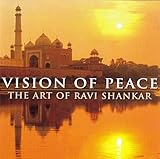
Vision Of Peace - The Art Of Ravi Shankar (2 CD) | $16.82 | Buy on Amazon |
| 3 |

|
Vol. 2-Masters of Indian Classical Music | $14.76 | Buy on Amazon |
| 4 |

|
Indian Classical Interactions | $18.80 | Buy on Amazon |
Music historian Katherine Schofield discusses qawwal-bachche khyal in connection with Sadarang and singers from qawwali families. Her account supports a role in khyal’s development and circulation, while cautioning against a simple origin story. As Schofield puts it, “The idea that Amir Khusrau created khayāl has proven impossible to sustain.”
Khyal and qawwali are related, not interchangeable
Khyal: a major Hindustani classical vocal genre
Khyal became a major form of Hindustani classical vocal music. The historical account at issue places qawwal-bachche musicians among the people who contributed to its development and popularisation, particularly in court settings. This describes influence on a classical genre, not proof of a single inventor.
#1 Best Overall
Qawwali: devotional performance and a changing label
Qawwali is associated with Sufi devotional performance. Its social and musical context differs from khyal’s, even though performers and lineages could connect the histories of the two. It is therefore misleading to use “qawwali” and “khyal” as if they were alternate names for the same music.
What written records tell us about the word “qawwali”
Schofield identifies Shams al-Aswat (1698) as an early written record of the term qawwali. Earlier descriptions more often refer to constituent forms or repertories such as qaul and tarana. In the early records she discusses, “qawwali” can function as an umbrella label for devotional genres performed by qawwals, rather than as a fixed category with precisely the boundaries the word may suggest today.
Rank #2
The date 1698 marks an early written appearance of the term in this account; it is not the beginning of devotional singing or proof that the tradition began then. The terminology warns against projecting modern genre divisions too neatly onto earlier sources.
Amir Khusrau: lineage tradition and documentary evidence
Hereditary qawwal-bachche traditions connect their lineage to Amir Khusrau and the Chishti Sufi world. That association is important as cultural memory and lineage tradition, but it is not by itself contemporaneous documentation of who created a genre.
Recommended Free Tools
Schofield notes that Khusrau wrote about qawwals and repertories such as qaul and ghazal, but does not mention “qawwali” by that name. Her account also finds no secure basis for crediting him with khyal’s creation. The distinction is between a tradition’s account of its inheritance and what surviving written records establish about a genre’s name or origin.
Independent reader supportYour contribution helps us test, update, and keep practical guides available for everyone.How to understand the Mughal-era connection
The useful historical picture is one of musicians, courts and transmission. Qawwal-bachche performers and singers from qawwali families were part of the story of khyal’s development and circulation in and around Delhi and later north Indian centres of patronage. The available account does not support turning that contribution into a claim that they invented both genres or popularised qawwali itself during the Mughal era.
Rank #4
For a fuller account of qawwali’s Sufi performance context, Regula Qureshi’s Sufi Music of India and Pakistan: Sound, Context and Meaning in Qawwali is a relevant scholarly book.
Quick Recap
Product prices and availability are accurate as of the date/time indicated and are subject to change. Any price and availability information displayed on Amazon at the time of purchase will apply.




