The Tool Desk
Outbyte PC Repair FREEClear out junk files and repair common Windows errorsFree Scan →Outbyte Driver Updater FREEFix the driver behind crashes, sound loss and screen glitchesFind Drivers →Climbers manage frostbite and hypothermia by preventing heat loss, checking teammates for early warning signs, and acting before cold injury worsens. Numb skin, confusion, poor coordination, or slurred speech should prompt an immediate change of plan—not an attempt to push on.
Why cold injuries demand an early response
At altitude, exposure, wind, moisture, exertion, fatigue, and remoteness can make cold injuries harder to prevent and more consequential to manage. A climber may sweat while moving, then cool rapidly during a stop; weather can change faster than a team can reach shelter. The practical response is to treat prevention as part of the climb, recognize changes in yourself and others, and be ready to stop and seek help.
Frostbite is a cold injury to tissue; hypothermia is dangerous cooling of the body’s inner core. They are different problems, and either can require medical care. A person with cold-related symptoms may also be too impaired to judge how serious they are. The Wilderness Medical Society’s 2024 guideline puts the preventive priority plainly: “prevention is better than treatment,” because frostbite is typically preventable and often not improved by treatment. Read its 2024 frostbite clinical practice guideline alongside the National Park Service’s Denali mountaineering medical guidance.
Prevent heat loss before symptoms start
Manage clothing, moisture, and circulation
Dress to cover exposed skin and preserve circulation. Use adjustable layers so you can regulate warmth as effort changes; avoid tight clothing or footwear that constricts blood flow. Keep clothing and extremities dry where possible. Add insulation before you become chilled, and adjust layers to reduce overheating and perspiration during exertion. The National Park Service’s Rocky Mountain National Park guidance recommends wicking layers that can be adjusted and a waterproof outer layer, noting that mountain conditions can change quickly.
PC Slower Than It Used to Be?
A free scan shows the junk files, broken settings and background clutter dragging Windows down - then fixes them in one click.Free scan · Windows 10 & 11Crashes, No Sound, or Screen Glitches?
Random freezes, missing sound and display glitches usually trace back to one bad driver. Find and replace yours safely.Free scan · under a minute#1 Best Overall

- Lightweight Emergency Kit: This ultralight medical kit fits easily in your pack's side pocket for convenient access; includes supplies to clean and bandage wounds, aid muscle aches, dress blisters, and treat other common outdoor discomforts
- Durable DryFlex Bag: The durable first aid kit also features a reusable, waterproof DryFlex inner bag that keeps the supplies dry in any condition and a water-resistant outer bag with a durable water repellent finish
- First Aid Essentials: Our wound care kit includes bandages, gauze, and medications to address common outdoor injuries
- Blister Essentials: It's also equipped with die-cut moleskins to aid friction-related blisters during activities
- Contents: Includes a variety of bandages, insect sting relief, antiseptic wipes, antibiotic ointment, medication moleskin, alcohol swabs, a splinter picker and a safety pin
Keep your core warm, and maintain hydration and adequate nutrition. Health conditions, medications, and substances can affect cold-injury risk, so they belong in the team’s planning and risk assessment. These measures do not guarantee protection; they reduce avoidable exposure and help climbers respond sooner when conditions change.
Check teammates, not just yourself
Make numbness or unusual pain a reason to stop and assess. Cold-induced numbness can precede frostbite; it does not mean the tissue has recovered. The WMS guideline says the amount of time a numb digit can remain numb before frostbite is unknown, so warm it promptly when possible. A partner may notice a problem that the affected climber misses, especially when sensation is reduced or attention is fixed on the route. Ask about numbness and pain, and visually check exposed skin and extremities at suitable pauses rather than waiting for a climber to volunteer a problem.
Rank #2
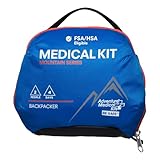
- Expedition-Grade Kit: Designed to support up to 2 adventurers for up to 4 days, this mountaineer first aid kit is a must-have for extended outdoor excursions and remote expeditions
- Organized & Durable: With the Easy Care organization system, find medical supplies quickly in clearly-labeled pockets housed in a water-resistant bag, perfect for any outdoor recreation
- Advanced Wound Care: Control severe bleeding with a trauma pad and stabilize injuries with an elastic bandage, essential components for your emergency medical first aid kit
- Medical Guide Included: Comes with a wilderness first aid book, providing valuable information for managing injuries, a must-have in any survival kit
- Ultralight Summit Kit: This summit kit allows for ultralight trips without leaving safety behind, making it a versatile addition to your mountain safety kit
Use warmers and movement carefully
Chemical hand or foot warmers can be optional aids for peripheral warmth. Keep them from direct contact with skin, and do not pack them so tightly inside a boot that they restrict circulation; both the NPS Denali guidance and WMS guideline caution about these risks.
Movement may help support peripheral warmth, but it is not a replacement for insulation or shelter. WMS cites one study in which toe cold-induced peripheral vasodilation occurred in 58% of exercising subjects and 28% of non-exercising subjects. Those figures describe that study’s subjects; they are not general frostbite-risk rates and do not show that exercise alone prevents injury. WMS also warns that exhaustion can be followed by profound heat loss, so do not use exertion as a substitute for getting warm.
Rank #3

- Expedition-Grade Kit: Designed to support up to 2 adventurers for up to 2 days, this mountaineer first aid kit is a must-have for extended outdoor excursions and remote expeditions
- Organized & Durable: With the Easy Care organization system, find medical supplies quickly in clearly-labeled pockets housed in a water-resistant bag, perfect for any outdoor recreation
- Advanced Wound Care: Control severe bleeding with a trauma pad and stabilize injuries with an elastic bandage, essential components for your emergency medical first aid kit
- Medical Guide Included: Comes with a wilderness first aid book, providing valuable information for managing injuries, a must-have in any survival kit
- Ultralight Summit Kit: This summit kit allows for ultralight trips without leaving safety behind, making it a versatile addition to your mountain safety kit
Recognize frostbite before sensation disappears
Frostbite signs can evolve, and a climber’s own assessment may be unreliable once numbness sets in. The NPS Denali page lists numbness, redness, blanching, firm skin, mild swelling, and clear or milky blisters among signs of superficial frostbite. Deep frostbite may look cold and pale, feel frozen hard, and develop blood-filled blisters.
The CDC’s frostbite guidance describes skin that may first be red or painful, then become white or grayish-yellow, unusually firm or waxy, and numb. Because sensation can disappear, do not wait for pain to return as proof that a digit is warming or safe. Treat persistent numbness or suspicious skin changes as a reason to protect the area and reassess the climb.
Rank #4

- Lightweight Emergency Kit: This ultralight medical kit fits easily in your pack's side pocket for convenient access; includes supplies to immobilize fractures, aid wounds, and treat blisters
- Durable DryFlex Bag: The durable first aid kit also features a reusable, waterproof DryFlex inner bag that keeps the supplies dry in any condition and a water-resistant outer bag with a durable water repellent finish
- First Aid Essentials: Our wound care kit includes bandages, gauze, and medications to address common outdoor injuries
- Blister Essentials: It's also equipped with die-cut moleskins to aid friction-related blisters during activities
- Contents: Includes a variety of bandages and gauzes, insect sting relief, antiseptic wipes, ointment, cotton tip applicators, medications, moleskin, tick remover forceps and more
Recognize hypothermia and its effect on judgment
Hypothermia is cooling of the body’s inner core that can lead to physical and mental decline. The NPS Rocky Mountain page describes it as “progressive physical collapse and reduced mental capacity resulting from the chilling of the inner core of the human body.” Its warning signs include uncontrolled shivering, slow or slurred speech, memory lapses, incoherence, poor coordination, stumbling, drowsiness, and exhaustion.
The CDC’s adult warning signs include shivering, exhaustion, confusion, fumbling hands, memory loss, slurred speech, and drowsiness. A climber may not recognize their own decline, so treat a change in speech, coordination, alertness, or ability to manage simple tasks as a team concern. Hypothermia can occur even above 40°F if someone becomes chilled by rain, sweat, or cold-water exposure, according to the CDC; the air temperature alone does not settle whether someone is at risk.
Do these 3 things before closing this tab:
1Fix the driver behind crashes, sound loss and screen glitches2Clear out junk files and repair common Windows errors3Scan for outdated or missing drivers - takes under a minuteBest Value

- COMPREHENSIVE 310-PIECE FIRST AID KIT: Be prepared for most common emergencies with GEVOKE’s fully stocked kit. Includes adhesive bandages, gauze pads, antiseptic wipes, burn gel, CPR face shield, gloves, triangular bandage, first aid tape, and much more. Everything you need in one essential pack.
- EXTREMELY DURABLE & RELIABLE CASE: Built with a high-density plastic construction, this med kit offers excellent impact resistance and long-lasting durability. Perfect for keeping in your home, car, office, school, or taking along for camping, hiking, and travel adventures.
- SMART, USER-FRIENDLY DESIGN: Features a clear transparent lid for instant visibility of all contents and a secure sliding lock clasp to prevent spills. The well-organized interior compartments keep supplies neatly sorted and easily accessible when every second counts.
- PORTABLE & LIGHTWEIGHT: Designed for easy transport and storage, the case measures 10.3” x 8.08” x 3.24” and weighs just 1.65 lbs. Its compact size allows you to bring complete protection anywhere—whether in a backpack, trunk, drawer, or cabinet.
- PROFESSIONAL-GRADE & PERFECT FOR ANY OCCASION: Rely on a kit that meets international quality standards. GEVOKE offers peace of mind and dependable care for your family, coworkers, or friends. Practical and considerate, it’s ready to show you care whenever the moment calls.
What to do when frostbite is suspected
- Stop further cold exposure. Get the person out of wind and cold as conditions allow, and protect the affected part from knocks or other trauma. Do not rub or massage it. Do not use a stove, fire, radiator, heat lamp, heating pad, or direct flame: numb tissue may not register heat and can be burned. The CDC and NPS Denali both warn against rubbing and unsafe direct heat.
- Prevent refreezing before thawing. Rapid rewarming is appropriate only if it can be completed safely and the tissue can be kept from freezing again. If refreezing is a real possibility, protect the tissue and get medical guidance rather than thawing it in a situation where it may freeze again. In remote terrain, weather, access, injury severity, and the ability to continue protecting the area affect the decision.
- If safe, use controlled water rewarming. The 2024 WMS guideline recommends immersing the affected area in circulating water held at 37–39°C (98.6–102.2°F) until the tissue becomes soft and pliable, approximately 30 minutes. These are guideline instructions for rapid rewarming, not a reason to delay seeking care or to use water if safe rewarming and protection from refreezing cannot be assured. See the WMS guideline for the clinical recommendation.
- Protect the area after thawing. Remove jewelry, air-dry the tissue, apply a dry bulky dressing, and elevate it if possible, following WMS guidance. Avoid walking on a thawed frostbitten lower extremity unless only the distal toes are affected. NPS Denali also advises dry, loose dressings and distinguishes superficial from deep blister care; do not try to manage serious blistering as a substitute for medical assessment.
- Arrange prompt medical assessment. Seek professional care as soon as possible. Field protection and rewarming are initial actions, not a determination that the injury is minor or fully treated.
What to do when hypothermia is suspected
- Move to shelter and get medical help. Reduce ongoing exposure and follow local rescue procedures. The CDC says a body temperature below 95°F (35°C) requires immediate medical attention. Do not wait for a temperature reading if the person has concerning signs such as confusion, slurred speech, poor coordination, or drowsiness.
- Remove wet clothing and add dry insulation. The CDC recommends getting the person out of wet clothes and warming them with dry layers. The NPS Rocky Mountain guidance also advises placing a barrier between the person and the ground, which limits contact with a cold surface.
- Keep the person awake and offer an appropriate drink only if alert. NPS Rocky Mountain advises keeping the person awake and offering warm, nonalcoholic drinks. Do not give a drink to someone who is unconscious.
- Continue toward trained care. These are first actions, not advanced hypothermia treatment. A person with suspected hypothermia needs medical help; the field steps do not establish that they are safe to continue climbing or travel without assessment.
Choose cold-weather measures by what they protect
No head-to-head product trial is established by the sources cited here, so there is no supported basis for declaring a particular glove system or warmer best. Compare measures by the practical protections they provide:
| Measure | What to assess | Important limit |
|---|---|---|
| Adjustable clothing layers | Coverage of exposed skin; ability to adjust warmth with effort; protection from wind and moisture. | Layers need to preserve circulation and be adjusted to avoid overheating and perspiration. |
| Footwear and gloves | Whether the fit allows circulation and whether extremities stay dry and covered. | Tight footwear or clothing can constrict circulation. |
| Chemical hand or foot warmers | Whether a warmer can be used without direct skin contact or tight packing. | Do not place against skin or allow a warmer to constrict circulation inside a boot. |
| Teammate checks | Whether the team catches numbness, pain, skin changes, or declining coordination early. | Do not rely only on the affected climber to notice or report a problem. |
Remote terrain requires a plan, not a universal evacuation rule
A cold injury on a remote route is not managed by one evacuation threshold that fits every expedition. Severity, weather, access to shelter or rescue, and whether a frostbitten area can be kept from refreezing all affect what can safely happen next. The NPS Denali and WMS sources provide prevention and initial frostbite-care guidance; the CDC and NPS Rocky Mountain material provide public-facing hypothermia warnings and first actions. They do not establish a universal evacuation algorithm or cover every advanced treatment decision.
Use local rescue procedures and seek trained medical care rather than treating this field guidance as a substitute for professional assessment. If someone’s mental state or coordination is changing, their ability to judge and manage the situation may also be compromised. A team should make conservative decisions early, while it can still communicate and act deliberately.
Quick Recap
Sources and scope
- Wilderness Medical Society Clinical Practice Guidelines for the Prevention and Treatment of Frostbite: 2024 Update, published June 2024. The bibliographic record is available through PubMed.
- Part 2: Mountaineering Medical Issues — Denali National Park & Preserve, last updated January 31, 2025.
- Preventing Hypothermia — Centers for Disease Control and Prevention, published August 25, 2026.
- Hypothermia — Rocky Mountain National Park, National Park Service.
Product prices and availability are accurate as of the date/time indicated and are subject to change. Any price and availability information displayed on Amazon at the time of purchase will apply.

