Some links on this page are affiliate links: if you buy through them we may earn a commission, at no extra cost to you.
A HANS device is a type of frontal head restraint (FHR) worn with a helmet and a racing restraint system. In a frontal or angled-frontal impact, it limits how far the helmeted head can move forward relative to the driver’s torso. That restraint reduces loads on the head and neck; it does not make a driver immune to injury or provide equal protection in every crash direction.
What a HANS device does in a crash
In a severe forward impact, the car slows down rapidly. The driver’s torso is restrained by the vehicle’s racing restraint system, while the head can continue moving forward relative to the torso. That difference in movement is important: the head and torso do not automatically stop together just because the car has slowed.

A HANS device is worn at the shoulders and connected to the helmet by tethers. In the impact directions for which it is intended, the device limits the helmeted head’s forward movement relative to the torso and redirects loads through the restraint system. The FIA’s HANS Guide and Installation Specification describes the function this way: “A Frontal Head Restraint (FHR) device restrains the driver’s head relative to his torso during a frontal or angled-frontal impact thereby, reducing the loads to the head and neck.”
In plain language, the device helps manage the relative motion between two parts of the driver’s body that might otherwise move differently during a forward crash. Its purpose is not to stop the car, absorb every force, or act as a shield around the head. It is one part of the driver’s helmet-and-restraint setup, with a defined role in the overall system.
Popular on Amazon

- SFI 38.1 Certified: Z-Tech Series 2A head and neck restraint certified to the SFI 38.1 standard for motorsports use.
- Adjustable Fit: Advanced Axis Adjustment for shoulder width, arm angle and arm width, so it fits a wide range of drivers, body types and race seats.
- Lightweight, Durable Build: About 900 grams, with a fiberglass-reinforced nylon shoulder frame, modified alloy arms that help dampen impact forces, and stainless steel screws with a binary post.
- Kevlar Tether and Quick Release: Single-point Kevlar webbing tether for good side-to-side movement, plus a VER.02 spring clip for quick disconnection from the helmet.
- What’s Included: Helmet hardware for one helmet with preinstalled M6 inserts, an owner’s manual and an SFI seat harness installation manual. The winged belt channel fits 2" or 3" belts, and the padding is replaceable and easy to clean.
Why relative movement matters
The key is not simply that a crash involves a large force. It is that the torso and head can move differently as the driver is decelerated. The torso is held by the racing restraint system, while the head has forward momentum relative to it. A HANS device is designed to restrain that relative movement so the loads reaching the head and neck are reduced.
This distinction also explains why describing the device as something that “prevents head injuries” without qualification can mislead. Its stated purpose is to reduce head and neck loading in frontal and angled-frontal impacts. That is a risk-reduction function, not a promise that no injury will occur.
Which crash directions it is intended to address
The FIA specifies frontal and angled-frontal impacts. That scope matters: it is not evidence that a HANS device offers the same protection in every direction or against every injury mechanism. A reader should not infer from its name or from its role in racing safety that it is a universal restraint for all crashes.
Crash direction is one reason the device should be understood as part of a broader safety arrangement rather than a complete solution by itself. The HANS works with the driver’s helmet and restraint system. The FIA description explains its intended function in the specified impact directions, but does not claim that it prevents every possible head or neck injury.
What the evidence says—and what it does not
In a 2019 account of the device’s safety history, the FIA said research showed that frontal head restraints had helped minimize head and neck injuries and had virtually eliminated catastrophic injury to the craniovertebral junction (CVJ), which the FIA described as a previously common cause of death in racing. This is a qualitative summary of the FIA’s account, not a numerical estimate of how much an individual driver’s risk changes.
Also popular on Amazon

- A sliding tether system increases side to side movement
- This head and neck restraint has a 38.1 SFI safety rating
- Use of high wing shoulders allows for secure seatbelt containment
- The DuPont Carbon Polymer construction increases durability and decreases weight
- Carbon polymer construction makes the Hybrid Sport 20% lighter than previous models
The official material cited here supplies no quantified injury-reduction percentage or count that can responsibly be applied to HANS devices. It also does not establish that the device alone caused every improvement described. The careful conclusion is narrower: the FIA reports broad historical improvements associated with FHRs, while the available account does not provide an effect size for readers to calculate or compare.
The FIA’s Head of Competitor Safety, Nuno Costa, called HANS “one of the major safety devices introduced in motor sport.” That is an assessment of its significance, not a measured injury statistic. Keeping those two kinds of statements separate helps explain why the device is important without turning a qualitative conclusion into an unsupported number or guarantee.
Do these 3 things before closing this tab:
1Repair Windows errors before they cause bigger problems2Fix the driver behind crashes, sound loss and screen glitches3Clear out junk files and repair common Windows errorsWhy a correct fit and setup matter
A HANS device is not a one-size-fits-all purchase. The FIA advises competitors to consult the manufacturer or distributor about a model suited to the motorsport activity and car, taking seating position and body shape into account. The device must also be used with compatible equipment and according to the instructions for that specific setup.
Check the application and approval
The FIA HANS guide says it applies to devices approved to FIA Standards 8858-2002 and 8858-2010 that are included in FIA Technical List No. 29. This wording identifies the scope of that guide; it should not be treated as a guarantee that an approval list or event rule is unchanged today. Technical lists and series regulations can change, so competitors should verify the current FIA list and the rules that apply to their own event before relying on a historical guide or an old equipment listing.
Approval and suitability are related but distinct checks. An approval listing can help establish whether a device meets the applicable technical requirements; it does not by itself answer whether a particular model is right for a driver’s car, seating position, body shape, and activity. Check both the current requirements and the fit guidance rather than treating one as a substitute for the other.
Also popular on Amazon

- SFI 38.1 CERTIFIED: The Zamp Z-Tech Series 6A (part number NT006003) head and neck restraint is SFI 38.1 certified for racing use
- ADVANCED AXIS ADJUSTMENT: Adjust width, arm angle and arm width to fit different body shapes, sizes and race vehicles
- DUAL COMPOUND FRAME: Fiberglass reinforced nylon shoulder frame paired with modified alloy arms that help dampen energy in a crash, at approximately 925 grams
- HIGHER BACK DESIGN: Gives a more natural pull angle and easier side to side head movement, with a Kevlar webbing tether and one-hand spring clip quick connect
- UNIVERSAL FIT: One size fits all, works with 2 inch and 3 inch harnesses, includes helmet posts, stainless steel hardware and washable, replaceable padding
Consider the car and the driver’s position
When selecting a model, discuss the actual car and seating position with the manufacturer or distributor rather than choosing on a generic assumption about what every driver needs. Body shape is also part of the FIA’s stated selection guidance. The point is to assess the device in the context in which it will be worn, not to assume that a model suitable for one driver, seat position, or activity is automatically suitable for another.
The Tool Desk
Outbyte PC Repair FREEClear out junk files and repair common Windows errorsFree Scan →Outbyte Driver Updater FREEFix the driver behind crashes, sound loss and screen glitchesFind Drivers →If comparing options, use practical criteria: approved status, intended motorsport application, fit with the driver’s seating position and body shape, and manufacturer guidance for the associated equipment. The official material does not establish a performance ranking among models, so avoid choosing on an unsupported claim that one design is universally safer or better. HANS Performance Products lists a range of devices, but the existence of a product range is not a substitute for confirming the right application with the manufacturer or distributor.
Confirm the related equipment
The HANS manufacturer’s FAQ discusses tether length, harness compatibility, and care. Those are setup and maintenance questions to resolve using the current instructions for the exact device and associated belts. Do not assume that belts, tethers, or care practices are interchangeable across devices simply because the products share a general purpose. If compatibility or configuration is unclear, ask the manufacturer or distributor before use.
Before competing, make the checks specific to the complete setup rather than just the restraint itself. Confirm that the device is the correct approved version for the rules, that the tether and harness arrangement follow the relevant instructions, and that care requirements are understood. A model name alone cannot confirm that a driver’s entire helmet-and-restraint configuration is appropriate.
- Identify the applicable motorsport activity, car, and seating position.
- Ask the manufacturer or distributor which model suits the driver’s body shape and application.
- Verify current approval status and the rules for the specific series or event.
- Follow the instructions for the exact device, tether, helmet, and associated belts.
How HANS fits into racing safety history
The FIA says HANS use became mandatory for Formula One drivers in the 2003 season. That is a historical fact about F1, not a statement of the current requirement in every racing series. Rules vary by series and can change, so drivers should check the regulations that govern their own competition rather than extrapolating from Formula One history.
Quick wins for a faster PC:
Repair Windows errors before they cause bigger problemsFix Now →Scan for outdated or missing drivers - takes under a minuteDriver Scan →Also popular on Amazon
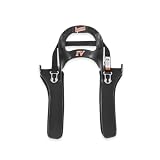
- 10% Lighter than the HANS III
- The best price on a HANS device on the market
- Custom molded pads nest in the device to prevent padsfromslipping. Foam is a perfect blend for comfort and support
- More sizes to fit more drivers
- Three different anchor options: Post Anchor (standard), QuickClick (SFI only), M61(SoldSeparately)
The broader historical point is that FHRs became an important part of motorsport safety because they address a specific risk: forward relative movement of the head compared with the restrained torso. The FIA’s description and historical account support that role, but they do not turn the device into a substitute for other equipment, correct fit, or event-specific rule compliance.
The 2003 F1 mandate is useful context for understanding the device’s place in the sport, but it should not be read as an approval instruction or current rule for another championship. A driver’s governing series and event regulations determine what equipment is required. When a rule or technical list has changed, the current version—not a historical milestone—should guide the decision.
Independent reader supportYour contribution helps us test, update, and keep practical guides available for everyone.Common misunderstandings
“It prevents all head and neck injuries.”
No. The FIA describes reduced loading in frontal and angled-frontal impacts. That is not a claim of complete protection, nor does it establish equal effectiveness for other crash directions or injury mechanisms.
“Any HANS model will work in any car.”
No. The FIA points to the activity, car, seating position, and body shape when advising model selection. Manufacturer guidance is also relevant to tether length, harness compatibility, and care. A generic model recommendation would ignore those setup variables.
“F1 made it mandatory, so the same rule applies everywhere.”
No. The FIA records a 2003 F1 mandate, but that historical detail does not establish the present rule in other championships or events. Check the current regulations for the series in which you compete.
Also popular on Amazon
“Approval alone tells me which model to buy.”
Not necessarily. Approval status is one important check, but selection also depends on the car, seating position, driver’s body shape, and activity. Ask the manufacturer or distributor about the application and confirm that the exact device and associated equipment meet the current rules.
What to remember
A HANS device is a frontal head restraint designed to limit the helmeted head’s movement relative to the torso during frontal and angled-frontal impacts, reducing loads on the head and neck. The FIA reports broad historical injury benefits from FHRs, but the official account cited here does not provide a numerical effectiveness figure. For an individual driver, the practical questions are whether the device is currently approved for the relevant rules, whether its model suits the car and seating position, and whether the complete setup follows the manufacturer’s instructions.
Frequently Asked Questions
How does a HANS device work in a crash?
It connects to the helmet by tethers and is worn at the shoulders. In a frontal or angled-frontal impact, it restrains the helmeted head relative to the torso, reducing loads on the head and neck.
Recommended Free Tools
Does a HANS device prevent every head or neck injury?
No. The FIA describes it as reducing loads in frontal and angled-frontal impacts; it does not claim that it prevents every injury or offers equal protection in every crash direction.
How do I choose the right HANS model?
The FIA advises consulting the manufacturer or distributor with the motorsport activity, car, seating position, and driver’s body shape in mind. Also check current approval and follow the instructions for the exact device and related equipment.
Is a HANS device required in every racing series?
The FIA says use became mandatory for Formula One drivers in 2003. That historical fact does not establish current requirements in other series, so check the rules for your competition.
How much does a HANS device reduce injury risk?
The FIA’s 2019 account reports broad historical injury benefits from frontal head restraints, including virtually eliminating catastrophic CVJ injury, but it gives no numerical effectiveness estimate. Do not treat that qualitative account as a percentage or a guarantee.
The Bottom Line
HANS devices reduce head and neck loading by restraining the helmeted head relative to the torso in frontal and angled-frontal impacts. Their benefit is not a guarantee against all injuries: verify current approval and series rules, choose a model for the driver and car, and follow the manufacturer’s setup guidance.






Say something about this film