The idea behind Chad Powers didn’t start as a polished TV pitch or a traditional pilot. It began as a perfectly executed sports-world prank that blurred the line between satire and documentary, instantly tapping into America’s obsession with football culture, locker-room mythology, and second chances. What followed was a rare viral moment that felt so fully formed, Hollywood couldn’t help but expand it.
Chad Powers is a comedic exploration of identity, reinvention, and the absurd seriousness surrounding elite athletics. The series takes a throwaway joke and treats it like a prestige sports story, positioning itself at the intersection of sports media parody and character-driven comedy. It also arrives at a moment when Glen Powell is actively reshaping his career beyond blockbuster charisma, leaning into creative authorship and offbeat humor.
The ESPN Sketch That Started It All
The character of Chad Powers was born on ESPN+ during an episode of Eli’s Places, the Peyton’s Places spinoff hosted by Eli Manning. In the now-iconic segment, Manning went undercover in heavy prosthetics as “Chad Powers,” a fictional down-on-his-luck quarterback attempting to walk on at Penn State after being cut from his previous team. What began as a hidden-camera gag quickly became something sharper and stranger.
Players and coaches treated Chad with total sincerity, offering genuine advice while unknowingly reacting to one of the NFL’s most famous quarterbacks in disguise. The contrast between the absurd wig-and-mustache look and the emotional realism of the tryout experience turned the sketch into viral gold. Fans weren’t just laughing at the joke, they were invested in Chad’s fate.
#1 Best Overall

- HD streaming made simple: With America’s number 1 TV streaming platform,* exploring popular apps—plus tons of free movies, shows, and live TV—is as easy as it is fun. *Based on hours streamed—Hypothesis Group
- Compact without compromises: The sleek design of Roku Streaming Stick won’t block neighboring HDMI ports, and it even powers from your TV alone, plugging into the back and staying out of sight. No wall outlet, no extra cords, no clutter.
- No more juggling remotes: Power up your TV, adjust the volume, and control your Roku device with one remote. Use your voice to quickly search, play entertainment, and more.
- Shows on the go: Take your TV to-go when traveling—without needing to log into someone else’s device.
- TV, simplified: With setup that only takes minutes, a simple-to-navigate Home Screen, and an uncluttered remote control that does all you need—Roku makes it easier to watch the TV you love.
From Viral Bit to Full-Fledged Series
The response to the sketch made it clear Chad Powers had legs beyond a single episode. The character represented a universal sports fantasy: the idea that talent plus heart might still matter in a system obsessed with youth, stats, and optics. That emotional hook is what ultimately transformed the concept from a one-off ESPN joke into a scripted comedy series.
Enter Glen Powell, who signed on to co-create and star in the expanded version of Chad Powers. Rather than simply replaying the original prank, the series reimagines the premise with a fictional former quarterback reinventing himself to get a second shot at football. The result is a show that uses its viral origins as a foundation, then builds a broader, character-driven story that reflects both modern sports culture and Powell’s evolving creative voice.
Glen Powell’s Career Moment: Why ‘Chad Powers’ Fits His Post–Top Gun Trajectory
After Top Gun: Maverick turned Glen Powell into a bona fide movie star, his next moves have been carefully calibrated rather than obvious. Instead of chasing nonstop action leads, Powell has mixed genres, tones, and platforms, building a résumé that suggests long-term creative ambition rather than short-term box office dominance. Chad Powers lands squarely in that sweet spot.
The series reflects a version of Powell audiences have always responded to: charismatic, self-aware, and funny without undercutting sincerity. It’s a pivot that feels intentional, especially as streaming television increasingly rewards stars who can shape projects from the ground up.
Free tools Windows power users keep installed
One-click scans. No signup required.
From Scene-Stealer to Creative Driver
Powell spent years as the guy who stole scenes in bigger franchises, from Scream Queens to Hidden Figures, before Maverick finally centered him. Since then, he’s leaned into projects that give him more authorship, including co-writing and producing roles that stretch beyond traditional leading-man expectations.
Chad Powers continues that evolution. Powell isn’t just starring; he’s helping define the tone, structure, and emotional spine of the series. That level of involvement places him closer to the Adam Driver or Bill Hader school of post-breakout career management than the typical franchise-hopping path.
Comedy as a Strategic Pivot, Not a Detour
Recent hits like Anyone But You reminded audiences that Powell’s comedic instincts are just as sharp as his action-hero energy. Chad Powers builds on that momentum, using humor rooted in character embarrassment, social performance, and quiet desperation rather than broad punchlines.
The show’s premise allows Powell to play layers at once: a man pretending to be someone else, masking insecurity with bravado, and chasing relevance in a system that’s moved on. It’s comedy that works because it’s grounded, which aligns perfectly with Powell’s growing interest in stories that balance irony with emotional stakes.
A Smart Return to Television at the Right Scale
While Powell’s film career continues to rise, Chad Powers marks a savvy return to television at a moment when limited series carry as much cultural weight as theatrical releases. Streaming allows the character room to breathe, evolve, and surprise, something a two-hour movie version could never fully accomplish.
It also positions Powell as a TV-leading man without diminishing his film value. Instead, it reinforces the idea that he’s choosing projects based on creative fit, not medium prestige, a mindset increasingly shared by A-list talent navigating the streaming era.
Why ‘Chad Powers’ Feels Like a Turning Point
Chad Powers isn’t a reinvention so much as a clarification of who Glen Powell is becoming. It fuses his athletic screen presence, comic timing, and interest in flawed, striving characters into a single, sharply defined vehicle.
At this stage of his career, Powell doesn’t need another proof-of-concept role. He needs projects that deepen his voice and expand how audiences understand him. Chad Powers does exactly that, making it feel less like a side project and more like a statement about where he’s headed next.
The Tool Desk
Outbyte Driver Updater FREEFix the driver behind crashes, sound loss and screen glitchesFind Drivers →Outbyte PC Repair FREEClear out junk files and repair common Windows errorsFree Scan →Release Date & Streaming Home: When ‘Chad Powers’ Is Expected to Premiere
After months of buzz following its series order, Chad Powers is officially headed to Hulu, cementing its place within Disney’s comedy-forward streaming slate. While Hulu has not announced an exact premiere date yet, all signs point to the series arriving sometime in 2025, aligning with Powell’s increasingly strategic mix of film and television projects.
The timing makes sense. Production momentum picked up after the show’s formal greenlight, and Hulu has historically positioned character-driven comedies like this as mid-year or fall releases, when buzzy originals can breathe without blockbuster competition.
Why Hulu Is the Perfect Fit
Hulu’s involvement is more than just a distribution detail; it shapes expectations for tone and ambition. The platform has carved out a reputation for smart, slightly uncomfortable comedies that thrive on character flaws rather than punchline density, from Reservation Dogs to The Bear’s darker comedic edges.
Rank #2
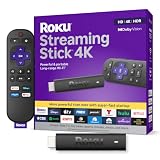
- Stunning 4K and Dolby Vision streaming made simple: With America’s number 1 TV streaming platform,* exploring popular apps—plus tons of free movies, shows, and live TV—is as easy as it is fun. *Based on hours streamed—Hypothesis Group
- Breathtaking picture quality: Stunningly sharp 4K picture brings out rich detail in your entertainment with four times the resolution of HD. Watch as colors pop off your screen and enjoy lifelike clarity with Dolby Vision and HDR10+.
- Seamless streaming for any room: With Roku Streaming Stick 4K, watch your favorite entertainment on any TV in the house, even in rooms farther from your router thanks to the long-range Wi-Fi receiver.
- Shows on the go: Take your TV to-go when traveling—without needing to log into someone else’s device.
- Compact without compromises: Our sleek design won’t block neighboring HDMI ports, so you can switch from streaming to gaming with ease. Plus, it’s designed to stay hidden behind your TV, keeping wires neatly out of sight
Chad Powers slots neatly into that identity. Its blend of sports culture satire, personal reinvention, and cringe-adjacent humor feels tailor-made for Hulu’s audience, which tends to reward shows that balance laughs with emotional specificity.
Do these 3 things before closing this tab:
1Fix the driver behind crashes, sound loss and screen glitches2Repair Windows errors before they cause bigger problems3Scan for outdated or missing drivers - takes under a minuteWhat We Know About the Release Window So Far
As of now, Hulu has confirmed the series but is keeping the release window deliberately vague. Industry chatter suggests a 2025 debut is the target, giving the creative team ample runway to fine-tune a show that relies heavily on performance nuance and character chemistry.
That measured rollout also benefits Powell. Releasing Chad Powers during a period when his film profile continues to rise allows the series to feel like an event, not a side dish, reinforcing its role as a meaningful chapter in his evolving career rather than a filler between movie roles.
Expect an Event Comedy, Not a Quiet Drop
Given the recognizable origins of the character and Powell’s growing star power, Chad Powers is unlikely to be a stealth release. Hulu has increasingly leaned into marketing its originals as must-watch moments, and this series has the built-in conversation hooks to support that approach.
When the premiere date is finally announced, expect it to be positioned as a marquee comedy launch, one that invites curiosity even from viewers who don’t typically gravitate toward sports-centric stories.
What’s actually slowing this PC down?
Pick the symptom - the matching free tool is one click away.
The Plot Explained: College Football, Disguises, and the Comedy-Drama Twist
At its core, Chad Powers is a reinvention story disguised as a sports comedy. Glen Powell plays a once-promising college quarterback whose career implodes after off-field issues and ego-driven mistakes derail his future. With no clear path back into the game, he makes a desperate, absurdly bold choice: disappear, rebrand, and try again under a completely new identity.
A Walk-On With a Wig and a Second Chance
That new identity is Chad Powers, a deliberately awkward, mustachioed walk-on quarterback who shows up at a struggling college football program with zero expectations attached. Beneath the bad haircut and exaggerated mannerisms, Powell’s character is still chasing validation, redemption, and a shot at proving he belongs. The disguise isn’t just a gag; it becomes a pressure valve, allowing him to experience football without the entitlement and hype that once defined him.
The series mines comedy from the sheer impracticality of the ruse, but it also leans into how liberating anonymity can be. As Chad, he’s forced to earn trust the hard way, navigate locker-room hierarchies, and reconnect with the joy of the sport stripped of celebrity and entitlement.
From Viral Sketch to Serialized Storytelling
The premise traces back to Eli Manning’s viral ESPN sketch, where the NFL legend went undercover as “Chad Powers” during a Penn State tryout. The Hulu series expands that one-note joke into a full narrative engine, layering character psychology, team dynamics, and long-term stakes onto the original idea.
Instead of relying solely on fish-out-of-water humor, the show uses the disguise as a storytelling device to explore identity, accountability, and the fragile egos that dominate elite sports culture. It’s a rare case where a viral concept actually benefits from long-form expansion.
Comedy With Emotional Weight
While Chad Powers is packed with visual comedy and cringe-adjacent moments, it’s not aiming to be a pure spoof. The show positions football as both a proving ground and a mirror, reflecting how personal flaws can sabotage even the most gifted players. Powell’s character arc hinges less on winning games and more on whether he can grow up enough to deserve a second act.
That balance between laughs and self-examination is where the comedy-drama twist comes into play. Chad Powers wants viewers invested not just in whether the disguise holds, but in whether the man underneath it is actually worth rooting for.
Who Stars in ‘Chad Powers’? Cast Breakdown and Key Characters
At the center of Chad Powers is Glen Powell, who doesn’t just star in the series but also helps shape its creative DNA. The cast around him blends recognizable character actors with rising talent, designed to sell both the comedy and the locker-room authenticity the show depends on.
Quick wins for a faster PC:
Repair Windows errors before they cause bigger problemsFix Now →Fix the driver behind crashes, sound loss and screen glitchesFind Drivers →Glen Powell as Russ Holliday / Chad Powers
Powell pulls double duty as disgraced former quarterback Russ Holliday and his aggressively average alter ego, Chad Powers. The performance hinges on contrast: Russ is all confidence and entitlement, while Chad is awkward, eager, and constantly underestimated. Powell leans into physical comedy with the prosthetics and voice work, but the real weight comes from selling the emotional reset Russ undergoes while hiding in plain sight.
It’s a role that plays directly into Powell’s current career moment, expanding his charm-forward screen persona into something more self-aware and vulnerable. Chad Powers gives him room to be funny, flawed, and quietly introspective without sacrificing mainstream appeal.
Rank #3

- Advanced 4K streaming - Elevate your entertainment with the next generation of our best-selling 4K stick, with improved streaming performance optimized for 4K TVs.
- The newest Fire TV experience (2026) – Our biggest update to Fire TV has a new, modern design that gets you to your entertainment fast. Browse dedicated content categories, pin more of your favorite apps, and get personalized recommendations from Alexa+. Spend less time scrolling, and more time watching.
- Cloud gaming, no console required – Stream Call of Duty: Black Ops 7, Hogwarts Legacy, Outer Worlds 2, Ninja Gaiden 4, and hundreds of games on your Fire TV Stick 4K Select with Xbox Game Pass and Luna via cloud gaming. Xbox Game Pass subscription and compatible controller required. Each sold separately.
- Smarter picks with Alexa+ – Getting to what you love has never been easier. Press the voice remote button and talk naturally to find what to watch across your apps, manage your smart home, or dive into virtually any topic.
- Wi-Fi 6 support - Enjoy smooth 4K streaming, even when other devices are connected to your router.
The Coaching Staff and Authority Figures
The series surrounds Powell with seasoned actors portraying coaches, administrators, and program gatekeepers who view Chad as a disposable long shot. These characters function as both obstacles and mirrors, constantly testing whether Russ has actually changed or is just hiding from consequences.
Rather than cartoon villains, the authority figures are written as pragmatic, overworked, and skeptical, grounding the comedy in a recognizable sports-world hierarchy. Their skepticism fuels much of the show’s tension, especially as Chad begins to outperform expectations.
Recommended Free Tools
Teammates, Rivals, and Locker-Room Dynamics
The supporting cast of players fills out the emotional ecosystem of the team, from cynical veterans to wide-eyed freshmen. These characters give Chad his first taste of football without privilege, forcing him to earn snaps, respect, and trust the hard way.
Several teammates double as rivals, creating pressure points where Chad’s disguise is most likely to crack. The locker room becomes a character in itself, equal parts sanctuary and minefield, where authenticity is the only real currency.
Eli Manning’s Creative Presence
While Eli Manning is best known here as the originator of the Chad Powers concept, his involvement looms large over the series’ tone. As an executive producer, his influence helps keep the football details grounded while allowing the comedy to stretch into absurd territory.
Manning’s legacy adds an extra layer of meta-humor for sports fans, especially as the show pokes at ego, reputation, and how quickly public perception can flip. Even when he’s not on screen, his fingerprints are all over the series’ balance of credibility and comedy.
Windows Errors? Fix Them Before They Spread
Repair common Windows errors and clear accumulated junk for a smoother, more stable PC - no reinstall needed.Free scan · no reinstallOutdated Drivers Are Slowing You Down
One free scan finds every outdated or missing driver and matches the right update for your exact hardware.Free scan · exact hardware matchTogether, the cast gives Chad Powers the flexibility to be more than a one-joke premise. It’s an ensemble built to support Powell’s transformation while keeping the series rooted in the messy, human side of competitive sports.
Creative Team & Behind-the-Scenes Power Players Shaping the Series
Behind the scenes, Chad Powers is guided by a creative team that understands how to blend sports authenticity with character-driven comedy. The series expands a viral sketch into a full-season narrative by leaning on experienced voices who know how to scale a joke into something emotionally sustainable.
Rather than chasing broad parody, the show’s architects focus on identity, reinvention, and the strange theater of modern athletics. That approach positions Chad Powers as a comedy with something to say, not just something to spoof.
The Creators and Showrunners Steering the Vision
The series is co-created by Glen Powell and Michael Waldron, a pairing that immediately signals ambition beyond a quick punchline. Waldron’s background in genre storytelling and long-form character arcs gives the show structural confidence, while Powell brings intimate knowledge of the character’s comedic rhythm and emotional stakes.
Together, they reshape Chad from a prank persona into a flawed protagonist navigating consequences, ego, and reinvention. Their collaboration ensures the series balances laugh-out-loud moments with genuine character progression, episode to episode.
Writing Room Tone and Comedic Philosophy
The writers’ room leans into situational comedy rooted in insecurity rather than slapstick. Much of the humor comes from Chad’s constant fear of exposure, the absurd rituals of football culture, and the quiet humiliation of starting over at the bottom.
Importantly, the scripts resist glamorizing Chad’s deception. The writing frames his journey as messy and uncomfortable, allowing the comedy to land while still interrogating privilege, entitlement, and redemption.
Directorial Approach and Visual Style
Directors on the series approach the football sequences with surprising restraint, favoring grounded coverage over hyper-stylized sports spectacle. Practices feel repetitive and punishing, games feel chaotic and earned, and locker rooms are shot as cramped pressure cookers rather than heroic arenas.
That realism heightens the comedy, making Chad’s increasingly ridiculous predicament feel plausible. The visual language supports the idea that this is not a sports fantasy, but a workplace comedy set inside a high-stakes athletic machine.
Rank #4

- 4K streaming made simple:With America’s number 1 TV streaming platform,* exploring popular apps—plus tons of free movies, shows, and live TV—is as easy as it is fun. *Based on hours streamed—Hypothesis Group
- 4K picture quality: With Roku Streaming Stick Plus, watch your favorites with brilliant 4K picture and vivid HDR color.
- Compact without compromises: Our sleek design won’t block neighboring HDMI ports, and it even powers from your TV alone, plugging into the back and staying out of sight. No wall outlet, no extra cords, no clutter.
- No more juggling remotes: Power up your TV, adjust the volume, and control your Roku device with one remote. Use your voice to quickly search, play entertainment, and more.
- Shows on the go: Take your TV to-go when traveling—without needing to log into someone else’s device.
Producers, Consultants, and NFL Authenticity
Eli Manning’s executive producer role extends beyond branding, with active involvement in shaping football details and cultural accuracy. The production also relies on sports consultants to ensure drills, terminology, and team dynamics ring true, even when the story veers into satire.
That authenticity allows the series to poke fun at the system without feeling disconnected from it. For viewers who follow football closely, the details matter, and Chad Powers clearly understands that trust is earned through specificity.
How Chad Powers Fits into Glen Powell’s Career Trajectory
For Powell, Chad Powers represents a strategic pivot toward creator-driven television. After building momentum in major studio films, this series positions him as both star and architect, someone shaping material rather than simply starring in it.
Quick wins for a faster PC:
Fix the driver behind crashes, sound loss and screen glitchesFind Drivers →Repair Windows errors before they cause bigger problemsFix Now →It’s a move that aligns him with a new generation of actor-producers using streaming platforms to take creative risks. Chad Powers isn’t just another role; it’s a statement about where Powell sees his career heading next.
Independent reader supportYour contribution helps us test, update, and keep practical guides available for everyone.Tone, Genre, and Comparisons: How ‘Chad Powers’ Stands Apart from Sports Comedies
Coming off its emphasis on authenticity and career recalibration, Chad Powers clarifies its identity quickly. This is not a feel-good underdog fantasy or a broad spoof of football culture. Instead, it positions itself as a character-driven workplace comedy with a sharp awareness of image, status, and self-delusion.
The show’s tone walks a deliberate line between awkward humor and quiet self-reckoning. Laughs often come from discomfort rather than punchlines, with Powell’s Chad constantly exposed by the absurdity of his own choices.
A Sports Comedy Built on Discomfort, Not Inspiration
Unlike traditional sports comedies that build toward triumphant redemption, Chad Powers is more interested in friction. The series lingers on practices that go nowhere, conversations that land wrong, and moments where Chad’s confidence actively works against him.
Football is treated less as a stage for heroics and more as an unforgiving workplace with hierarchies, politics, and unspoken rules. That grounding makes the comedy sharper, because success is never guaranteed and failure carries real social consequences.
How It Compares to Ted Lasso, Blue Mountain State, and Eastbound & Down
Inevitable comparisons to Ted Lasso emerge, but Chad Powers operates on a very different wavelength. Where Lasso leans toward optimism and emotional uplift, Chad Powers thrives on tension and self-inflicted obstacles, offering empathy without sentimentality.
It shares some DNA with Blue Mountain State in its locker-room humor, but strips away the cartoon excess in favor of realism. Meanwhile, echoes of Eastbound & Down appear in its exploration of ego and decline, though Chad is less monstrous and more quietly delusional, making his unraveling feel uncomfortably familiar.
A Genre Hybrid That Reflects Modern Streaming Comedy
Ultimately, Chad Powers functions as a hybrid of sports satire, workplace comedy, and identity farce. Its humor is observational rather than outrageous, trusting the audience to find comedy in nuance instead of escalation.
Windows Errors? Fix Them Before They Spread
Repair common Windows errors and clear accumulated junk for a smoother, more stable PC - no reinstall needed.Free scan · no reinstallOutdated Drivers Are Slowing You Down
One free scan finds every outdated or missing driver and matches the right update for your exact hardware.Free scan · exact hardware matchThat approach reflects a broader shift in streaming-era comedies, where character specificity matters more than format. By resisting easy wins and exaggerated caricatures, Chad Powers carves out its own lane, one that feels contemporary, self-aware, and closely aligned with Glen Powell’s evolving creative ambitions.
What to Expect: Episode Structure, Themes, and Early Buzz
A Tightly Wound, Half-Hour Format
Chad Powers is designed for brisk, half-hour episodes that lean into momentum rather than spectacle. Each installment reportedly centers on a specific pressure point, whether that’s a practice evaluation, a locker-room power shift, or Chad’s carefully constructed persona starting to crack.
Instead of episodic resets, the series favors accumulation. Small humiliations stack, relationships subtly sour, and Chad’s long game becomes harder to sustain the deeper he embeds himself in the program.
Identity, Performance, and the Cost of Reinvention
At its core, the show is less about football success than personal reinvention under false pretenses. Chad isn’t chasing glory as much as relevance, and the series mines humor from the emotional toll of pretending to be someone else every waking moment.
Do these 3 things before closing this tab:
1Clear out junk files and repair common Windows errors2Scan for outdated or missing drivers - takes under a minute3Repair Windows errors before they cause bigger problemsBest Value

- Upgrade your TV, instantly – Fire TV Stick HD is our fastest HD streaming stick ever, with a streamlined navigation that jumps straight to your movies, shows, and live TV. Take your entertainment on the go with the new ultra-portable profile. And watch it all come to life with crisp Full HD and Wi-Fi 6 support.
- The newest Fire TV experience (2026) – Our biggest update to Fire TV has a new, modern design that gets you to your entertainment fast. Browse dedicated content categories, pin more of your favorite apps, and get personalized recommendations from Alexa+. Spend less time scrolling, and more time watching.
- All your apps in one place – Prime Video, Netflix, YouTube, Disney+, Apple TV, HBO Max, Hulu, Peacock, Paramount+, and thousands more. It’s easy to find what to watch from hundreds of thousands of movies and TV episodes, including free, ad-supported content. Subscription fees may apply.
- Our most portable stick – Thin and light, without extra clutter. Connects directly to your TV's HDMI port without blocking other ports.
- Easier than ever to set up – Now with Direct Power, it's powered by your TV with the included USB-C cable and eliminates the need for a wall adapter.
Themes of masculinity, aging, and performative confidence run throughout, especially as Chad navigates younger teammates who see through him in ways he doesn’t expect. The comedy lands not because Chad is foolish, but because he’s painfully earnest in his self-deception.
A Comedy That Lets Awkwardness Breathe
The show’s pacing gives space to uncomfortable silences, misread social cues, and conversations that end without resolution. Jokes often arrive late or sideways, rewarding viewers who enjoy cringe comedy and character-based humor over rapid-fire punchlines.
That restraint helps Chad Powers stand out in a crowded streaming landscape. It trusts the audience to sit with secondhand embarrassment rather than rushing toward easy laughs or inspirational speeches.
Early Buzz and Industry Reaction
Early reactions from within the industry suggest Chad Powers is being viewed as a smart career pivot for Glen Powell. After years of magnetic supporting turns and full-throttle leading-man roles, the series positions him as a risk-taker willing to satirize the very confidence he’s often cast to embody.
Free tools Windows power users keep installed
One-click scans. No signup required.
There’s also growing chatter around the show’s authenticity, particularly its football culture and locker-room dynamics, which insiders say feel observed rather than exaggerated. That grounded approach has sparked optimism that Chad Powers could quietly become one of streaming’s more talked-about comedies once it premieres.
Why ‘Chad Powers’ Matters for Streaming Comedy in 2026
In a streaming era increasingly dominated by spectacle and IP, Chad Powers feels deliberately scaled and personal. Its focus on character-driven discomfort over big gags reflects where comedy is heading in 2026: smaller, sharper, and more willing to sit in emotional gray areas. That makes the series feel less like a throwback and more like a quiet evolution of the form.
A Shift Toward Star-Led, Risk-Forward Comedy
For Glen Powell, Chad Powers represents a notable pivot within his rising career arc. After cementing his movie-star status in theatrical hits and prestige projects, this series leans into self-parody and vulnerability rather than charisma alone. It’s the kind of left turn that streaming platforms increasingly value, using recognizable stars to anchor comedies that might otherwise feel too uncomfortable or niche.
The move also signals confidence from the platform backing it. In 2026, streamers are prioritizing distinctive voices over broad appeal, and Powell’s willingness to undercut his own image gives Chad Powers a creative credibility that safer vehicles often lack.
Comedy Built for the Streaming Attention Span
Chad Powers understands how modern audiences actually watch TV. Episodes are structured to reward bingeing, with running tensions and social consequences that carry forward rather than resetting. That cumulative design makes the humor sharper the longer you stay with it, turning awkward moments into narrative investments.
At the same time, the show resists algorithm-chasing extremes. Instead of chasing virality, it builds tone and trust, betting that word of mouth will do the work once viewers realize how specific and controlled the comedy is.
Grounded Sports Stories Without the Sentimentality
Sports comedies often lean on redemption arcs and underdog triumphs, but Chad Powers takes a more skeptical view of reinvention narratives. Football is less a pathway to glory than a pressure cooker that exposes Chad’s insecurities and contradictions. That grounded perspective feels especially timely as audiences grow more resistant to inspirational clichés.
By treating athletic culture as a lived-in environment rather than a mythic arena, the series aligns with a broader trend toward authenticity in genre storytelling. It’s less about winning games and more about surviving the lie you’ve told yourself.
A Marker for Where Streaming Comedy Is Headed
Ultimately, Chad Powers matters because it reflects a recalibration of what success looks like for streaming comedies in 2026. It doesn’t aim to be the loudest show in the room, but one of the most confident in its discomfort. That confidence, paired with Glen Powell’s star power and a clear creative point of view, positions the series as a bellwether for the next phase of TV comedy.
If it lands as intended, Chad Powers won’t just be another sports satire. It will be proof that streaming audiences are ready to laugh at ambition, identity, and failure without needing everything neatly resolved by the final whistle.
Quick Recap
Product prices and availability are accurate as of the date/time indicated and are subject to change. Any price and availability information displayed on Amazon at the time of purchase will apply.

