What’s actually slowing this PC down?
Pick the symptom - the matching free tool is one click away.
Koyoharu Gotouge is the credited creator of Demon Slayer: Kimetsu no Yaiba, but reliable published details about Gotouge’s private life are limited. The best-documented facts concern how the manga took shape: an editor recalls that its early concept was darker, its title was refined, and Tanjiro’s defining look emerged during drafting.
Who is Koyoharu Gotouge?
Gotouge is the credited creator of Demon Slayer: Kimetsu no Yaiba. The official series portal identifies the manga’s author as 吾峠呼世晴 (Koyoharu Gotouge) and says serialization began in Weekly Shonen Jump issue 11 of 2016.


That is a firm public credit, but it is not a full personal biography. The primary publisher and franchise sources cited here do not verify Gotouge’s age, birth name, gender, appearance, or current residence. There is no need to treat those unknowns as a mystery to solve: the documented story is about the work and its development.
How did Demon Slayer begin?
In a MANGA Plus interview, Tatsuhiko Katayama, identified as part of the Shonen Jump Editorial Department, recalls working with Gotouge on earlier one-shots, including Rokkotsu-san and Haeniwa no Zigzag. His account offers a glimpse of the editorial process behind the eventual series.
Free tools Windows power users keep installed
One-click scans. No signup required.
#1 Best Overall
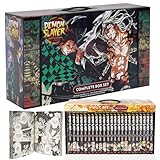
- Best gift for any Demon slayer Manga fan!
- 23 books with beautiful box!
An early idea had a darker tone
Katayama says a storyboard developed from Ka Gari Gari, Gotouge’s award-winning debut, became a concept called Kisatsu no Nagare. In his recollection, it was serious, dark, and short on comic relief, which made it a poor fit for serialization. He says he asked for a brighter, more ordinary protagonist; that shift helped lead to Tanjiro and the series readers know.
Katayama summed up the result: “That’s how Tanjiro and ‘Demon Slayer: Kimetsu no Yaiba’ came to be.” This is the editor’s recollection of a collaborative development process, not a direct statement from Gotouge.
The title was adjusted, too
Katayama recalls that the team first considered Kisatsu no Yaiba. They felt the character for “kill” was too strong, so they chose Kimetsu, an unusual but readily understandable word, while retaining yaiba for its association with a Japanese sword. The title’s final wording, like the premise, emerged through discussion.
Tanjiro’s look changed during drafting
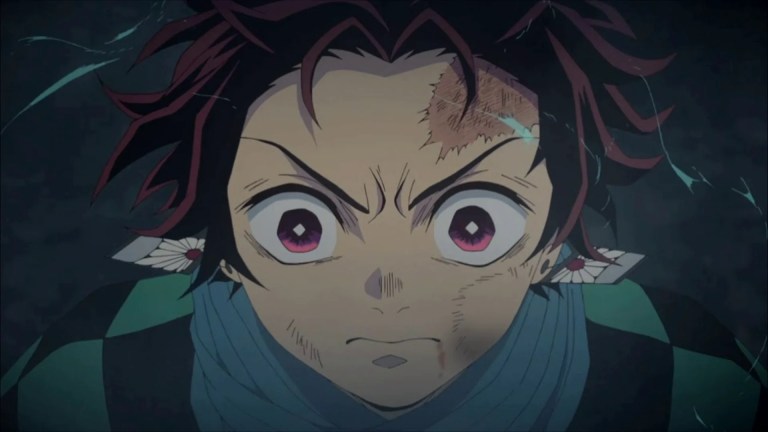
One memorable detail in Katayama’s account concerns Tanjiro’s design. He remembers an early version without either the scar or the earrings, and says he asked Gotouge to add visual details that would make the character more memorable. He compared the impact he wanted from a scar to the one associated with Rurouni Kenshin. The familiar design, then, was not necessarily there from the first draft.
The Tool Desk
Outbyte PC Repair FREERepair Windows errors before they cause bigger problemsFix Now →Outbyte Driver Updater FREEScan for outdated or missing drivers - takes under a minuteDriver Scan →When did the manga launch, and how many copies have circulated?
The series began serialization in Weekly Shonen Jump issue 11 of 2016, according to the official series portal. That is distinct from the publication of its first collected volume: Shueisha lists the Japanese print edition of Demon Slayer: Kimetsu no Yaiba, Vol. 1 as released on June 3, 2016. The listing gives 192 pages, ISBN 978-4-08-880723-2, and credits Gotouge as author.
The official portal also reports cumulative circulation of 220 million copies for volumes 1–23. The page does not date that figure, so it should not be read as a year-specific total or as a number of copies sold in a particular year.
Independent reader supportYour contribution helps us test, update, and keep practical guides available for everyone.What has Gotouge said publicly?
A brief Gotouge comment appears in VIZ Media’s May 19, 2019 Mangaka Musings roundup: “I was drinking coffee while chuckling, and it started spilling out the side of my mouth. I went into a daze, and my life flashed before my eyes.” Without the prompt or further context, it is best read as a quirky remark—not evidence about Gotouge’s personal history.
The available publisher and franchise material offers far more detail about the manga’s editorial development than about its creator’s private life. That boundary is worth keeping: the origin anecdotes can be attributed to Katayama, while unsupported personal claims should be left aside.
Quick Recap
Product prices and availability are accurate as of the date/time indicated and are subject to change. Any price and availability information displayed on Amazon at the time of purchase will apply.