Free tools Windows power users keep installed
One-click scans. No signup required.
Erich Anderson, a dependable presence across film and television for more than four decades, has died at the age of 67. While rarely a marquee name, he was instantly recognizable to generations of viewers who encountered his work in horror franchises, prestige television, and long-running network series. His death marks the passing of a character actor whose face often lingered in the memory long after the credits rolled.
Anderson made one of his earliest and most indelible impressions in Friday the 13th: The Final Chapter, bringing a grounded intensity to a franchise known for its excess and helping elevate one of the series’ most enduring entries. Genre fans also remember his chilling turn on Star Trek: The Next Generation, where he embodied the unsettling authority of Commander Dexter Remmick during the show’s first season. These performances showcased his knack for suggesting inner lives and hidden motives with minimal exposition.

![Friday the 13th (4-Movie Collection) [Friday the 13th Uncut / Friday the 13th Part 2 / Friday the 13th Part 3 / Friday the 13th Final Chapter]](https://m.media-amazon.com/images/I/51TpoRJb-5L._SL160_.jpg)
On television, Anderson seamlessly shifted into contemporary drama, most notably as a college professor on Felicity, where his calm intelligence contrasted sharply with the heightened emotions of the series’ younger cast. Across guest roles and recurring appearances, he built a career defined by versatility rather than repetition, moving comfortably between cult cinema and mainstream storytelling. His body of work stands as a reminder of how essential character actors are to the texture and credibility of popular entertainment.
Breaking Through Horror: ‘Friday the 13th: The Final Chapter’ and Cult-Film Immortality
For many genre fans, Erich Anderson’s face is inseparable from Friday the 13th: The Final Chapter, the 1984 sequel that paradoxically became one of the franchise’s most celebrated entries. Cast as Rob Dier, a quiet, driven hitchhiker hunting Jason Voorhees to avenge his sister’s death, Anderson brought an unusual gravity to a series better known for outrageous kills than emotional continuity. His performance gave the film a sense of purpose, grounding its carnage in something approaching tragedy.
#1 Best Overall

- Friday the 13th - 8 Movie Collection - Part 1 / Part 2 / Part 3 3D / The Final Chapter / A New Begin
Unlike the disposable teen archetypes surrounding him, Anderson played Rob as a man already exhausted by grief and obsession. He moved through the film with a contained intensity, suggesting a larger story beyond the script’s explicit details. That restraint helped elevate the character, making Rob feel like a genuine intruder from a more serious revenge thriller who had wandered into a slasher movie.
Rob Dier and the Anatomy of a Cult Favorite
Over time, Anderson’s role has become a touchstone for Friday the 13th devotees, frequently cited as one of the franchise’s most memorable non-Jason characters. The irony of The Final Chapter’s title, given the series’ long afterlife, has only added to its legend, and Anderson’s performance remains central to why the film still resonates. He gave audiences someone to root for in a narrative designed around inevitability.
That contribution secured Anderson a kind of cult-film immortality, embedding him permanently in horror history. The film’s enduring popularity ensured his work would be revisited by new generations, cementing his reputation as an actor who could bring emotional weight to even the most heightened genre material. It was an early example of the quality he would bring throughout his career: taking pulpy frameworks seriously enough to make them memorable.
From Starfleet to Serial Drama: Erich Anderson’s Impact on Television, Including ‘Star Trek’
While his film work secured cult-movie permanence, Erich Anderson’s television career revealed the full breadth of his abilities as a character actor. Across network dramas, genre television, and long-running series, he became a familiar and trusted presence, the kind of performer casting directors relied on to instantly establish credibility. His death at 67 marks the loss of an actor whose television résumé quietly shaped decades of popular storytelling.
A Visit to Starfleet
Among science-fiction audiences, Anderson is remembered for his appearance within the Star Trek universe, a franchise known for demanding precision, restraint, and intellectual clarity from its guest performers. His work fit comfortably within the Star Trek tradition of morally grounded, professional characters who serve the narrative rather than overpower it. Like many accomplished television actors of his era, Anderson approached the material with seriousness, lending weight to a universe that depends on disciplined performances to maintain its sense of plausibility.
That ability to blend seamlessly into Star Trek’s established world spoke to Anderson’s versatility. He understood how to adapt his style to a franchise built on ideas and ethical tension, proving he could move from slasher intensity to cerebral science fiction without missing a beat. For fans, his appearance stands as part of the long lineage of skilled guest actors who helped Star Trek remain dramatically rich across generations.
Felicity and the Power of Quiet Authority
Anderson reached a broader, younger audience with Felicity, where he played Dr. Edward Porter, the reserved and emotionally guarded father of Keri Russell’s title character. In a series defined by introspection and emotional nuance, Anderson brought a grounded realism to the role, embodying a parent whose restraint masked deep concern and unresolved conflict. His performance added texture to the show’s exploration of family, expectation, and personal identity.
What made his work on Felicity particularly effective was its understatement. Anderson avoided melodrama, instead letting silence, posture, and carefully chosen words communicate decades of complicated history. It was a reminder of how powerful a supporting role can be when played with discipline and empathy.
A Fixture of Prestige and Procedural Television
Beyond Star Trek and Felicity, Anderson’s television credits stretched across an array of influential series, from character-driven dramas to crime procedurals. He appeared on shows that defined their eras, often stepping into roles that demanded instant authority, moral ambiguity, or emotional intelligence. Whether portraying professionals, fathers, or conflicted figures navigating institutional systems, he brought consistency and depth to every appearance.
Rank #2
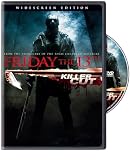
- DVD
- Multiple Formats, Color, Dolby
- English (Subtitled), French (Subtitled), Spanish (Subtitled)
- 1
- 106
These performances collectively underscored Anderson’s legacy as a working actor in the truest sense. He was not defined by a single television role but by a pattern of reliability and craft that elevated the material around him. In television especially, where familiarity breeds trust, Erich Anderson became a face audiences believed in, week after week, year after year.
Network Era Mainstay: ‘Felicity’ and the Art of the Thoughtful Supporting Character
By the late 1990s, Erich Anderson had become the kind of actor network television relied on to give emotional credibility to its most intimate stories. His casting on Felicity signaled that trust immediately, placing him within a series that valued internal conflict as much as romantic longing. In a landscape dominated by youthful energy, Anderson brought gravity without ever tipping the balance.
Felicity and the Power of Quiet Authority
On Felicity, Anderson played Dr. Edward Porter, the distant and exacting father of Keri Russell’s title character. It was a role that could have easily slipped into stereotype, but Anderson approached it with restraint, allowing tension to live in pauses rather than confrontations. His Edward Porter felt shaped by disappointment, professional pride, and an unspoken fear of emotional vulnerability.
Recommended Free Tools
What made the performance resonate was its realism. Anderson conveyed a man struggling to connect without fully understanding how, a dynamic familiar to many viewers navigating their own family relationships. In a show built on introspection, his presence anchored Felicity’s emotional stakes in something recognizable and unresolved.
Mastering the Supporting Role in the Network Era
Felicity also highlighted Anderson’s larger gift as a television actor during the network era: the ability to enrich a series without overpowering it. He understood how to support a narrative, how to give leads space while still leaving a distinct impression. That balance made him invaluable across dramas that demanded nuance rather than spectacle.
This was the same skill that carried him through decades of guest appearances and recurring roles elsewhere. Whether playing authority figures, intellectuals, or emotionally guarded parents, Anderson brought coherence to the worlds he entered. His work on Felicity stands as one of the clearest examples of how a thoughtful supporting character can deepen a show’s emotional architecture, long after the final episode fades.
A Career Defined by Range: Film, Television, and Memorable Guest Roles
By the time Erich Anderson reached Felicity, he had already built a résumé defined by adaptability rather than stardom. He was the kind of actor who moved easily between genres and formats, leaving behind sharply defined characters even when screen time was limited. That versatility became the throughline of a career that spanned cult horror, prestige television, and some of the most enduring franchises in pop culture.
Do these 3 things before closing this tab:
1Clear out junk files and repair common Windows errors2Fix the driver behind crashes, sound loss and screen glitches3Repair Windows errors before they cause bigger problemsHis death at 67 invites a closer look at just how broad that range truly was, and why his work continues to resonate with audiences who may recognize his face before recalling his name.
Breaking Through with Friday the 13th: The Final Chapter
For many genre fans, Anderson remains indelibly tied to Friday the 13th: The Final Chapter, where he played Rob Dier, a hardened outsider driven by grief and vengeance. Unlike the disposable archetypes that often populate slasher films, Rob arrived with emotional weight and a clear internal compass. Anderson gave the character a seriousness that grounded the film, offering a counterpoint to its heightened horror.
Rank #3
His performance stood out precisely because it resisted exaggeration. Rob’s determination felt human rather than heroic, and his vulnerability lingered beneath the toughness. Decades later, the role remains one of the franchise’s most remembered non-villain turns, cementing Anderson’s place in horror history.
Star Trek and the Art of Intelligent Guest Acting
Anderson’s work within the Star Trek universe further showcased his ability to adapt to complex narrative worlds. Appearing during an era when Star Trek leaned heavily on ethical debate and procedural tension, he fit naturally into its cerebral tone. His performances aligned with the franchise’s demand for clarity, authority, and subtle emotional undercurrents.
Quick wins for a faster PC:
Scan for outdated or missing drivers - takes under a minuteDriver Scan →Repair Windows errors before they cause bigger problemsFix Now →Fix the driver behind crashes, sound loss and screen glitchesFind Drivers →These were roles that required precision rather than spectacle. Anderson understood how to serve the story, embodying the kind of composed professionalism Star Trek often used to explore larger philosophical questions. For longtime fans, his appearances remain part of the franchise’s deep bench of memorable character actors.
Television’s Trusted Presence Across Decades
Beyond marquee titles, Anderson’s career was shaped by an extraordinary run of television work throughout the 1980s, 1990s, and early 2000s. He became a familiar presence across dramas that valued grounded performances, often cast as professionals, authority figures, or emotionally reserved men navigating personal conflict. Each appearance reinforced his reputation as an actor who elevated material through restraint.
What connected these roles was his consistency. Anderson brought intelligence and emotional logic to every part, no matter the size. That reliability made him a quiet constant in an industry defined by change, and it ensured his work would endure across reruns, streaming rediscoveries, and the collective memory of television audiences.
Peers, Fans, and the Quiet Respect for a Character Actor’s Craft
News of Erich Anderson’s passing at the age of 67 circulated without spectacle, much like the actor himself moved through the industry. There were no grand publicity campaigns attached to his name, but the response from those who knew his work carried a tone of genuine appreciation. For many peers and longtime collaborators, Anderson was remembered as dependable, thoughtful, and deeply committed to the integrity of a scene.
Windows Errors? Fix Them Before They Spread
Repair common Windows errors and clear accumulated junk for a smoother, more stable PC - no reinstall needed.Free scan · no reinstallCrashes, No Sound, or Screen Glitches?
Random freezes, missing sound and display glitches usually trace back to one bad driver. Find and replace yours safely.Free scan · under a minuteA Reputation Built on Professionalism
Within the industry, Anderson earned respect not by chasing visibility but by consistently delivering performances that directors could trust. He was the kind of actor who understood rhythm, tone, and subtext, often anchoring scenes without drawing attention away from the story. That skill made him invaluable on sets where narrative balance mattered more than showmanship.
Fellow actors have often described performers like Anderson as scene partners who elevate everyone around them. His calm authority and emotional clarity created space for others to shine, a trait that rarely generates headlines but leaves a lasting impression behind the camera.
Fans Who Remember the Details
Among fans, particularly within horror and science fiction circles, Anderson’s death prompted a wave of recognition rooted in memory rather than nostalgia alone. Viewers revisiting Friday the 13th: The Final Chapter continue to single out his performance as one that gave the film emotional weight. In Star Trek communities, his appearances are remembered as examples of how guest roles could feel fully lived-in, even within a single episode.
Rank #4
Felicity introduced him to a different generation, one attuned to emotional realism and interpersonal nuance. That crossover appeal speaks to the breadth of his career and the way his work quietly traveled across genres without losing its core authenticity.
The Legacy of a Working Actor
Erich Anderson’s legacy is not defined by a single iconic role, but by the accumulation of performances that felt honest and necessary. He represented a class of character actors whose contributions shape the texture of film and television, even when their names are not top-billed. In an industry often focused on reinvention, Anderson’s steadiness became his signature.
As audiences continue to encounter his work through reruns, streaming platforms, and franchise rediscoveries, his performances remain unchanged in their effectiveness. That enduring presence is perhaps the clearest measure of the respect he earned, one role at a time.
Independent reader supportYour contribution helps us test, update, and keep practical guides available for everyone.Context and Legacy: Why Erich Anderson’s Work Still Resonates
Erich Anderson’s passing at 67 arrives at a moment when audiences are increasingly reexamining the value of character actors who shaped decades of film and television without ever becoming household names. His career unfolded during an era when genre storytelling relied heavily on performers who could bring credibility to heightened material. Anderson consistently met that challenge, grounding horror, science fiction, and drama with performances that felt human and precise.
Rather than chasing visibility, he built trust. Casting directors and showrunners returned to him because he understood how to serve the story, whether the role required quiet menace, moral uncertainty, or emotional restraint.
Genre Credibility That Endures
In Friday the 13th: The Final Chapter, Anderson’s performance helped elevate the film beyond its slasher mechanics. He brought a seriousness that counterbalanced the genre’s excesses, giving the story stakes that linger long after the final act. For many fans, his work remains one of the film’s most grounded elements, a reminder of how much casting can shape a cult classic’s longevity.
His appearances across Star Trek series reflect a similar instinct. Within a franchise built on big ideas and expansive lore, Anderson’s characters felt plausible and lived-in. Even in limited screen time, he conveyed histories, motivations, and ethical weight, reinforcing Star Trek’s tradition of treating guest roles with dramatic respect.
Bridging Eras of Television Storytelling
By the time Anderson appeared on Felicity, television had shifted toward emotional intimacy and character-driven realism. His ability to adapt without losing his essential approach speaks to his versatility. He matched the show’s tone with subtlety, proving that experience in genre work could translate seamlessly into contemporary drama.
That adaptability allowed his career to stretch across changing industry landscapes. From network television to cult cinema, Anderson never seemed out of step, a quality that made his work feel timeless rather than dated.
The Tool Desk
Outbyte PC Repair FREEClear out junk files and repair common Windows errorsFree Scan →Outbyte Driver Updater FREEFix the driver behind crashes, sound loss and screen glitchesFind Drivers →Best Value

- Shrink-wrapped
The Quiet Influence of a Reliable Presence
Anderson’s legacy ultimately rests in how often his performances are remembered for feeling right. He embodied the kind of actor whose presence reassures an audience, even if they cannot immediately place his name. That familiarity is earned through consistency, craft, and respect for the material.
As his work continues to circulate through streaming libraries and fan rediscoveries, it remains effective because it was never chasing trends. Erich Anderson built a career on clarity, restraint, and narrative purpose, qualities that ensure his performances continue to resonate long after the news of his death.
Survived By the Roles: Assessing His Place in Pop Culture History
Erich Anderson’s place in pop culture is defined less by marquee stardom than by endurance. His performances have continued to surface across generations of viewers, often rediscovered through reruns, streaming platforms, and franchise revisits. That longevity speaks to the durability of his work and the care he brought to every role, no matter the size.
A Familiar Face Across Genres
For horror fans, Anderson will always be linked to Friday the 13th: The Final Chapter, a film whose reputation has only grown with time. His grounded performance stands out within a genre built on heightened thrills, offering a human anchor that fans still cite as one of the franchise’s strongest supporting turns. It is the kind of role that quietly defines an era of studio horror while remaining watchable decades later.
What’s actually slowing this PC down?
Pick the symptom - the matching free tool is one click away.
Science fiction audiences encountered a different facet of his talent through Star Trek. Appearing across the franchise’s television landscape, Anderson fit seamlessly into its moral and philosophical framework. His characters felt like real participants in the universe rather than narrative devices, reinforcing Star Trek’s long-standing respect for thoughtful guest performances.
From Cult Favorites to Mainstream Drama
Anderson’s work on Felicity demonstrated how effectively he could transition into character-driven drama. At a time when television storytelling emphasized emotional realism, he brought maturity and restraint that grounded the series’ interpersonal conflicts. It was another example of his ability to serve the story without overpowering it, a hallmark of his career.
Beyond these headline credits, Anderson’s résumé included a wide range of film and television appearances that benefitted from his steady presence. Whether in genre projects or contemporary drama, he elevated material through credibility and focus, making him a trusted figure among casting directors and audiences alike.
A Legacy Built on Craft, Not Celebrity
In assessing Erich Anderson’s legacy, it becomes clear that his impact lies in recognition rather than renown. He was the actor viewers remembered even when they had to look up his name, a testament to performances that lingered. That kind of cultural footprint is rare and meaningful, especially in an industry often driven by visibility over substance.
Do these 3 things before closing this tab:
1Scan for outdated or missing drivers - takes under a minute2Clear out junk files and repair common Windows errors3Fix the driver behind crashes, sound loss and screen glitchesAs news of his passing at 67 circulates, Anderson’s work remains readily accessible, continuing to introduce him to new audiences. Survived by the roles he inhabited with intelligence and restraint, his career stands as a reminder that pop culture history is shaped not only by stars, but by the actors who quietly make stories last.
Quick Recap
Product prices and availability are accurate as of the date/time indicated and are subject to change. Any price and availability information displayed on Amazon at the time of purchase will apply.




