A new headache, nausea, dizziness, appetite loss, or unusual fatigue after climbing higher can be acute mountain sickness (AMS). Stop ascending and do not sleep at a higher altitude while symptoms are present. If symptoms worsen despite rest at the same altitude, descend. Confusion, poor coordination, unusual drowsiness, or breathlessness at rest are emergencies: arrange urgent descent and medical help, give oxygen if available, and keep exertion to a minimum.
Why altitude sickness is a serious concern on the Everest Base Camp trek
The Nepal-side Everest Base Camp route involves prolonged exposure to elevations where altitude illness is a real risk, not a remote possibility. The U.S. Centers for Disease Control and Prevention (CDC) says trekkers in the Everest region routinely sleep at approximately 4,267–5,150 m (14,000–17,000 ft) and hike above 5,486 m (18,000 ft). Many itineraries fly into Lukla, at about 2,860 m (9,383 ft), and reach Namche Bazaar, at about 3,440 m (11,286 ft), the following day. Those figures are route context, not a recommended itinerary or a guarantee that a particular schedule is safe.
The CDC’s 2025 guidance in the Yellow Book 2026 edition says altitude-illness prevalence on Nepal trekking routes, including Everest Base Camp, can approach 30% at higher elevations even with standard acclimatization schedules. Extra days can make a trek safer and more enjoyable, but gradual ascent does not eliminate the risk. Fitness is not protection: the CDC says physical training does not change susceptibility, and there is no simple screening test that predicts an individual’s risk.
Altitude illness is an umbrella term. The common early problem is acute mountain sickness (AMS); the more dangerous conditions are high-altitude cerebral edema (HACE), which affects the brain, and high-altitude pulmonary edema (HAPE), which affects the lungs. A person can become seriously ill even if they began the trek fit and felt well at lower elevations.
#1 Best Overall

- ACCURATE AND RELIABLE - Accurately determines your SpO2 (blood oxygen saturation levels), pulse rate and pulse strength in 10 seconds and displays it conveniently on a large digital LED display.
- FULL SPO2 VALUE - The ONLY LED pulse oximeter that can read and display SpO2 up to 100%.
- SPORTS/HEALTH ENTHUSIASTS - For sports enthusiasts like mountain climbers, skiers, bikers, and anyone needing to monitor their SpO2 and pulse rate. The pulse oximeter LED display faces the user for an easy read.
- ACCOMODATES WIDE RANGE OF FINGER SIZES - Finger chamber with SMART Spring System. Works for ages 12 and above.
- LOADED WITH ACCESSORIES - Includes 2 x AAA BATTERIES, allowing the pulse oximeter to be used right out of the box; a SILICONE COVER to protect from dirt and physical damage; and a LANYARD for convenience. Comes with a 12-month WARRANTY and USA based technical phone support.
How to recognize altitude sickness
Acute mountain sickness (AMS)
AMS usually follows a recent ascent. Headache is its cardinal symptom and commonly occurs with one or more of appetite loss, dizziness, fatigue, nausea, or occasional vomiting. Symptoms often start 2–12 hours after arriving at altitude or climbing higher, and may appear during or after the first night. Mild AMS often improves within 12–48 hours if the person does not ascend farther.
One symptom alone does not prove AMS. Headache, nausea, and fatigue can also occur with dehydration, exhaustion, migraine, alcohol effects, and other illnesses. Recent ascent and the combination and progression of symptoms matter. If someone feels unwell above 2,500 m, Nepal Tourism Board guidance advises treating AMS as a possibility until it is assessed. Do not use that as a diagnosis; use it as a reason to stop, pay attention, and seek help if the condition is concerning.
Warning signs of HACE
HACE is a life-threatening emergency. Look for confusion, altered mental status, unusual drowsiness, or poor coordination. Ataxia—difficulty walking a straight line or walking as if drunk—is especially concerning. A person may not recognize how impaired they have become, so companions should take changes in behavior or walking seriously.
Warning signs of HAPE
HAPE can begin with chest congestion, a cough, breathlessness on exertion that is unusual for the person, or a sharp drop in exercise performance. Worsening shortness of breath at rest, respiratory distress, or bloody sputum signals a critical situation. Do not dismiss a marked change in breathing as ordinary trek fatigue.
Rank #2

- ACCURATE AND RELIABLE - Accurately determine your SpO2 (blood oxygen saturation levels), pulse rate and pulse strength in 10 seconds and display it conveniently on a large digital LED display.
- SPORTS/HEALTH ENTHUSIASTS - For sports enthusiasts like mountain climbers, skiers, bikers, and anyone needing to monitor their SpO2 and pulse rate. The pulse oximeter LED display faces the user for an easy read.
- EASY TO USE – Simply insert your finger fully into the chamber, press the power button, and keep your hand still. Movement can affect accuracy. Wait a few seconds for the device to stabilize and display your results.
- ACCOMODATES WIDE RANGE OF FINGER SIZES - Finger chamber with SMART Spring System. Works for ages 12 and above.
- LOADED WITH ACCESSORIES - Include 2X AAA BATTERIES that will allow you to use the pulse oximeter right out of the box for convenience. Comes with 12 months WARRANTY and USA based technical phone support.
| Pattern | Possible signs | What it means for the trek |
|---|---|---|
| Possible AMS | After ascent: headache with nausea, dizziness, appetite loss, fatigue, or sometimes vomiting | Stop ascent; do not sleep higher. Monitor at the same altitude only if symptoms are mild and not worsening. |
| Possible HACE | Confusion, altered mental status, poor coordination, difficulty walking straight, or unusual drowsiness | Emergency: arrange urgent descent and medical help. |
| Possible HAPE | Unusual breathlessness on exertion, worsening cough or chest symptoms, breathlessness at rest, respiratory distress, or bloody sputum | Emergency: urgent descent and medical help; minimize exertion. |
A pulse oximeter can provide supporting information, but it cannot clear someone to keep climbing. In AMS, readings may be within the normal range for that altitude or only slightly below it. Symptoms and clinical assessment matter more than an apparently reassuring number; do not wait for oxygen saturation to fall before acting on serious warning signs.
What to do: stop, monitor, descend, or get emergency help
1. Stop ascending as soon as symptoms appear
Do not continue to a higher sleeping altitude when altitude-illness symptoms are present, even if they seem minor. This is the key safety rule from both CDC and Nepal Tourism Board guidance. Tell a companion and guide, stay at the current altitude, rest, and monitor whether symptoms improve or worsen. Do not leave an ill trekker to manage alone.
2. Observe only mild, stable symptoms at the same altitude
If symptoms are mild, there are no signs of HACE or HAPE, and the person is not getting worse, resting at the same elevation may be reasonable while monitoring closely. Do not treat waiting as permission to ascend later without improvement. Rest, eat and drink normally, and avoid alcohol when unwell. Fluids are sensible general care, not a cure for AMS and not a guarantee against altitude illness.
3. Descend if symptoms worsen or fail to settle
If symptoms worsen despite rest or treatment at the same altitude, descent is mandatory under CDC guidance. Descend with another person rather than sending the ill trekker down alone. The CDC says improvement after descending 300 m or more is typical for AMS; that is a clinical observation, not a fixed amount that makes every descent sufficient. Continue to seek medical advice, especially if symptoms are severe, persist, or include neurological or breathing changes.
The Tool Desk
Outbyte PC Repair FREERepair Windows errors before they cause bigger problemsFix Now →Outbyte Driver Updater FREEFix the driver behind crashes, sound loss and screen glitchesFind Drivers →Rank #3

- LARGE EASY-TO-READ DISPLAY: Bright screen clearly shows SpO2, pulse rate, and signal strength with large digits. The waveform bar graph provides visual confirmation of pulse strength, making it ideal for adults and users who prefer clear visibility.
- PORTABLE & USER-FRIENDLY: Compact, lightweight design fits easily in your pocket or bag. One-button operation makes it simple for anyone to use—just insert your finger and press the button for instant results. Auto power-off preserves battery life.
- PERFECT FOR EVERYDAY & OUTDOOR USE: Great for checking oxygen and pulse levels at home, during workouts, hiking, skiing, or high-altitude trips. A practical tool for fitness lovers, outdoor enthusiasts, and anyone who wants to keep an eye on their daily wellness.
- COMPLETE PACKAGE INCLUDED: Comes with 1x Pulse Oximeter, 2x AAA Batteries , 1x Lanyard for easy carrying, and 1x Instruction Manual. Ready to use right out of the box—no additional purchases needed.
4. Treat HACE or HAPE signs as an emergency
For suspected HACE or HAPE, arrange urgent descent and medical assistance. Provide oxygen if available, and keep the person’s exertion as low as possible. Contact the guide, local medical support, or rescue services. Do not wait to see whether confusion, coordination, or breathing gets worse, and do not delay action to obtain a pulse-oximeter reading. CDC guidance notes that dexamethasone may be used for suspected HACE when available and medically directed; treatment decisions belong with qualified medical personnel.
If descent cannot be carried out immediately, oxygen or a portable hyperbaric device may be lifesaving while evacuation is arranged. These are emergency measures, not substitutes for descent and medical care. Handheld canned oxygen contains too little oxygen for sustained improvement and should not be relied on to treat serious altitude illness.
How to reduce the risk before and during the trek
Build a gradual sleeping-altitude profile
Acclimatization depends on how quickly sleeping altitude rises, not just how many kilometers you walk in a day. CDC relays Wilderness Medical Society guidance to avoid gaining 2,750 m or more in sleeping altitude in a single day; above 3,000 m, limit sleeping-altitude gains to no more than 500 m per night and add an acclimatization night for each 1,000 m gained in sleeping altitude. These are planning principles, not a personalized guarantee of safety. Because Everest Base Camp itineraries push the limits of many people’s ability to acclimatize, consider adding time rather than building a schedule that leaves no room to rest or respond to symptoms.
Check the itinerary’s sleeping elevations, not only its highest point or daily walking distance. Ask where the planned acclimatization nights fall and whether the schedule can be adjusted if someone develops symptoms. A planned rest day is useful, but it does not override the rule against sleeping higher while symptomatic.
Do these 3 things before closing this tab:
1Scan for outdated or missing drivers - takes under a minute2Repair Windows errors before they cause bigger problems3Fix the driver behind crashes, sound loss and screen glitchesRank #4
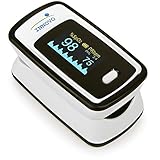
- Accurate and Reliable - The Innovo iP900AP Finger Pulse Oximeter is a premium model with an improved LED and sensor, allowing SpO2 and pulse rate measurement even at low blood perfusion. Consistently beat other pulse oximeters in clinical studies
- Plethymosgraph and Perfusion Index - Ensure accurate SpO2 and Pulse Rate readings. Eliminate doubts about reliability or reading issues.
- Upgraded Hardware and Software - Enhanced performance with internal upgrades. iP900AP model includes auditory alarm, pulse detection beeps, and adjustable display brightness.
- Sports Enthusiasts, Aviation or Home Use - Ideal for climbers, skiers, bikers, aviators, and on-the-go SpO2 and pulse rate tracking. Use pre or post-exercise. Remain still during measurement
- Ready to use out of the box - Include 2x AAA batteries and a lanyard for convenience.
Discuss preventive medication before departure
Ask a travel-medicine clinician whether acetazolamide prevention is appropriate for your route, ascent profile, and medical history. CDC guidance says prophylaxis may be beneficial or strongly encouraged depending on a traveler’s risk category. A clinician must advise on suitability and dosing; do not borrow someone else’s medication or improvise a regimen during the trek. Medication does not make it safe to continue ascending through symptoms or ignore signs of HACE or HAPE.
Plan ordinary care without mistaking it for acclimatization
Eat and drink normally, rest when unwell, and avoid alcohol if symptoms develop. These steps can support general wellbeing but cannot substitute for a gradual ascent, symptom monitoring, or descent when needed. Likewise, physical fitness may help with the effort of trekking but does not predict or prevent altitude illness.
Independent reader supportYour contribution helps us test, update, and keep practical guides available for everyone.Prepare for medical help and evacuation
Before setting out, discuss emergency roles with companions and your guide: who will stay with an ill trekker, who will communicate with local support, and how the group will avoid leaving anyone alone. Nepal Tourism Board guidance lists seasonal Himalayan Rescue Association aid posts at Pheriche and Manang and says the association runs Everest ER at Base Camp. Operating status and access can vary, so verify local arrangements before departure rather than assuming a facility will be open when you need it.
The CDC says private helicopter companies provide rescue in Nepal and that many people can return to Kathmandu from a trek within one to two days. That is not a guaranteed evacuation time. Weather, location, availability, and logistics affect whether and when a helicopter can reach someone. Make a plan that does not depend on immediate rescue: act on symptoms, involve local support early, and descend when indicated.
What’s actually slowing this PC down?
Pick the symptom - the matching free tool is one click away.
Best Value
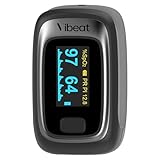
- Notification Function: You can set your own blood oxygen and pulse rate notification thresholds. If your measurement value is not within the preset threshold, the oximeter will beep and the reading will flash on the screen, better monitor your physical signs
- Spot Check Mode: After 30s of stable measurement, the pulse rhythm analysis result will be displayed on the screen, you can observe the current blood oxygen and pulse rate levels. Can be adjusted to continuous mode according to your needs
- Built-in Memory: A total of 12 sets of data can be stored in the record list and can be browsed directly on the device, time saving and efficient
- High Accuracy: Our Finger Oxygen Monitor features the research-grade photoplethysmograph technology that uses infrared light to sense body movement and gather the necessary information to determine high-precision signs, professional and reliable
- Instant to Start: The oximeter features a simple finger clip design that works after wearing without pressing a button. Measures blood oxygen saturation, pulse rate, perfusion index and pulse waveform in few seconds and display it on the OLED screen, convenient for your use
Review travel-insurance terms before leaving, including whether the policy covers high-altitude trekking and helicopter medical evacuation. Coverage, altitude limits, exclusions, and claims requirements vary by policy; check the actual contract rather than relying on a general description of benefits.
Pulse oximeters: useful context, not a go/no-go test
A finger pulse oximeter is optional. CDC notes that travelers may want to carry one to gauge acclimatization progress and that pulse oximetry can aid HAPE diagnosis. It does not diagnose AMS by itself: the diagnosis depends on recent ascent and symptoms, and a reading can appear acceptable for altitude while the person is sick. Use it only as supporting information alongside symptoms and medical assessment. A number should never overrule confusion, impaired walking, breathlessness at rest, or worsening illness.
Use a simple decision rule on the trail
- New symptoms after ascent: stop climbing and do not sleep higher.
- Mild and stable, without emergency signs: rest and monitor at the same altitude; tell a companion or guide.
- Worsening despite rest or treatment: descend with support and seek medical advice.
- Confusion, poor coordination, unusual drowsiness, breathlessness at rest, respiratory distress, or bloody sputum: treat it as an emergency; arrange urgent descent and medical help, use oxygen if available, and minimize exertion.
This rule is for recognizing risk and taking safer action, not for self-diagnosing a specific illness. When the situation is uncertain or deteriorating, involve a qualified clinician or local rescue support rather than continuing upward.
Quick Recap
Product prices and availability are accurate as of the date/time indicated and are subject to change. Any price and availability information displayed on Amazon at the time of purchase will apply.

