Recommended Free Tools
For more than four decades, the Coen Brothers operated as a kind of cinematic two-headed deity, their names spoken as a single unit even as their films bent tone, genre, and morality into singular shapes. From the blood-soaked irony of Blood Simple to the existential shrug of No Country for Old Men, Joel and Ethan Coen cultivated a body of work that felt both meticulously controlled and anarchically free. The mystique wasn’t just the movies themselves, but the question of how two siblings could share authorship so seamlessly in an industry that rarely tolerates divided vision.
Part of the mythology came from how deliberately opaque they were about their process. Early on, guild rules forced Joel to take sole directing credit while Ethan was listed as producer, even though both insisted every creative decision was shared. When they finally began co-directing officially in 2004, it felt less like a change than a formality, confirming what cinephiles already suspected: the Coens functioned as a single creative organism.
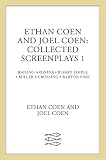



Yet that unity was never about sameness. Joel gravitated toward visual precision and classical structure, while Ethan leaned into language, absurdity, and narrative mischief, a balance that powered everything from Fargo to The Big Lebowski. Understanding how that dynamic evolved, and why Ethan eventually felt compelled to step outside it, is key to understanding not just their separation as directors, but how one of cinema’s most unusual partnerships reached a natural, if surprising, turning point.
The Moment of Divergence: What Ethan Coen Actually Said About Stepping Away From Co-Directing
For years, the assumption was that if a Coen Brothers film wasn’t on the release calendar, it was simply a matter of timing. Then, quietly but unmistakably, Ethan Coen began saying something different. In interviews around the time of Joel Coen’s The Tragedy of Macbeth in 2021, Ethan made it clear that this wasn’t a temporary pause or a creative disagreement—it was a personal recalibration.
#1 Best Overall
“I Was Just Tired of Directing”
Ethan Coen’s explanation was disarmingly plain. He said, more than once, that he was simply tired of directing movies. Not burned out on filmmaking itself, not estranged from his brother, but ready to step away from the exhaustive machinery of directing large-scale productions.
What’s striking is how unromantic his reasoning was. There was no dramatic schism or artistic rupture, just the accumulated weight of decades spent navigating shoots, schedules, and the relentless logistics that come with directing at the highest level. For someone who had been doing it continuously since the early 1980s, the desire to stop was less radical than it sounded.
A Shift Toward Writing, Not Away From Creativity
Crucially, Ethan framed his decision as a move toward something, not an escape. He spoke openly about wanting to focus on writing—plays, novels, and other projects that allowed for more solitude and flexibility. In contrast to directing, which demands constant external coordination, writing offered him a way to stay creatively active without the industrial grind.
This helps clarify a common misconception: Ethan wasn’t stepping back because the Coen partnership had run out of ideas. He was stepping back because his personal relationship to the work had changed. After decades of collaboration, he wanted a different rhythm, one less tethered to film sets and production cycles.
Quick wins for a faster PC:
Fix the driver behind crashes, sound loss and screen glitchesFind Drivers →Clear out junk files and repair common Windows errorsFree Scan →Scan for outdated or missing drivers - takes under a minuteDriver Scan →What This Meant for Joel—and the Myth of a Split
Ethan was careful to emphasize that his decision didn’t signal a falling-out. By all accounts, the brothers remain close, creatively and personally. Joel’s decision to direct solo projects, starting with The Tragedy of Macbeth, emerged not from conflict but from circumstance—one brother ready to keep directing, the other ready to stop.
That distinction matters. The Coens didn’t “break up” in any traditional sense; they simply diverged. After years of functioning as a single artistic entity, they allowed themselves to become individual creators again, each following a path aligned with where they were in life.
A Natural Ending, Not an Abrupt One
Seen in this light, Ethan Coen’s comments feel less like a revelation and more like an honest acknowledgment of time. Few filmmakers sustain a directing career for four straight decades without wanting to redefine their relationship to the medium. Ethan’s candor stripped away the mystique and replaced it with something rarer in Hollywood: a straightforward, human explanation.
The moment of divergence wasn’t marked by a final Coen Brothers film or a formal announcement. It arrived quietly, through interviews and offhand remarks, revealing that one of cinema’s most enduring partnerships didn’t end in conflict, but in choice.
Free tools Windows power users keep installed
One-click scans. No signup required.
Creative Exhaustion or Creative Freedom? Inside the Brothers’ Decision to Work Separately
For decades, the Coen Brothers were treated as a single creative organism, finishing each other’s sentences in interviews and sharing directing credit with a kind of mythic inevitability. But Ethan Coen has since framed their decision to work separately not as burnout, but as a recalibration. After forty years of co-directing, the question wasn’t whether they still had ideas—it was whether they wanted to keep expressing them in the same way.
The Weight of a Perfectly Oiled Machine
What often gets lost in the romanticism of the Coens’ partnership is just how industrial their process had become. Each film came with expectations: a certain tone, a particular kind of moral irony, a familiar rhythm of collaboration that had to be maintained. For Ethan, that machine had started to feel less like a creative engine and more like a responsibility he no longer wanted to shoulder.
That doesn’t diminish the work; it contextualizes it. When a collaboration is that successful for that long, continuing can sometimes feel less adventurous than stopping. In Ethan’s telling, stepping away from directing wasn’t about fatigue—it was about preserving a sense of curiosity that the system itself had begun to dull.
Joel’s Continued Directing Path
Joel Coen, by contrast, still felt drawn to the immediacy of directing. The Tragedy of Macbeth was a telling choice: austere, formally precise, and stripped of the Coens’ usual comic abrasiveness. It suggested that Joel, too, was interested in recalibration, just through a different outlet.
Working solo allowed Joel to explore a more distilled visual language, one that might have been harder to pursue within the familiar push-and-pull of their shared authorship. The separation didn’t erase their shared DNA; it simply gave each brother room to emphasize different parts of it.
Redefining Collaboration Without Ending It
Crucially, Ethan has never described the shift as permanent or definitive. He’s been clear that the door isn’t closed, just no longer the only way forward. In that sense, the decision reflects a broader truth about long-term creative partnerships: evolution doesn’t always mean continuation, and independence doesn’t necessarily mean severance.
By choosing creative freedom over habit, the Coens avoided a far more common Hollywood fate—outstaying their own enthusiasm. Instead of letting the partnership calcify, they allowed it to breathe, even if that meant stepping into separate rooms for a while.
How the Coens Really Worked: Debunking the Myth of Equal Co-Directing
One of the most persistent myths surrounding the Coen Brothers is that they functioned as perfectly interchangeable co-directors, sharing every creative responsibility equally on set. It’s a tidy idea, and one that awards bodies and press materials helped reinforce for decades. The reality, as Ethan has increasingly clarified, was far more specific and far less symmetrical.
The Tool Desk
Outbyte PC Repair FREERepair Windows errors before they cause bigger problemsFix Now →Outbyte Driver Updater FREEFix the driver behind crashes, sound loss and screen glitchesFind Drivers →The Practical Division Behind the Credit
For much of their career, the Coens operated under a workaround born of union rules. Early on, the Directors Guild of America didn’t allow shared directing credits, so Joel was officially listed as director while Ethan received producer credit, even though both were deeply involved in shaping the film. When the DGA rules eventually changed, the shared “directed by” credit stuck, but the actual on-the-ground process had already been long established.
Joel was typically the one physically directing on set, working with actors, camera, and crew in real time. Ethan, meanwhile, focused more heavily on writing, structure, and post-production, particularly editing, where the Coens exerted extraordinary control. Their collaboration was constant, but it wasn’t a mirror image.
Writing as the True Shared Language
If there was a space where the Coens truly functioned as equals, it was at the script level. Writing was where the films were largely “directed” before cameras ever rolled, with precise dialogue rhythms, shot ideas, and tonal calibrations baked into the page. By the time production began, many creative decisions had already been settled through that shared authorship.
This is key to understanding why the myth persisted. Because the films felt so unified in voice and intention, it was easy to assume a perfectly split directing role. But unity of vision doesn’t require identical jobs, only deep trust in the division of labor.
What’s actually slowing this PC down?
Pick the symptom - the matching free tool is one click away.
Why That Distinction Matters Now
Ethan’s decision to step away from directing makes more sense when viewed through this lens. He wasn’t abandoning a role he had been performing in the same way as Joel; he was stepping back from a system where his primary creative pleasures had already shifted elsewhere. Writing, experimenting, and working at a different pace became more appealing than returning to a directing structure that, in practice, had never been evenly shared.
Rather than demystifying the Coens in a diminishing way, this clarity adds texture to their legacy. Their partnership wasn’t a magic trick of perfect symmetry; it was a finely tuned collaboration built on complementary strengths. Understanding that makes Ethan’s choice feel less like a rupture and more like a logical next chapter.
Ethan Coen Unleashed: Solo Projects, New Voices, and a Shift in Storytelling Priorities
Stepping away from directing alongside Joel didn’t send Ethan Coen into creative retirement. If anything, it loosened something. Freed from the expectations that come with the Coen Brothers brand, Ethan has leaned into projects that feel more playful, more exploratory, and more overtly personal in tone.
His post-Coens work reflects not a retreat from filmmaking, but a recalibration of how and why he wants to tell stories. The emphasis has shifted from precision-machined cinematic clockwork to looser forms, new collaborators, and genres he hadn’t fully indulged before.
A Turn Toward Experimentation and Play
Ethan’s solo directorial debut, Drive-Away Dolls, was a loud signal that this next phase would not be about preserving a legacy. The film is deliberately scrappy, sexually charged, and overtly comedic in a way that feels less controlled than classic Coen fare. It’s interested in momentum and attitude more than immaculate construction.
That looseness is the point. Ethan has spoken about wanting to make films that move faster, worry less about perfection, and embrace a kind of B-movie energy that had always lived on the margins of the Coens’ work. Without the weight of a decades-long partnership, he appears more willing to chase impulses rather than refine them into something stately.
New Collaborators, New Perspectives
Another notable shift is Ethan’s openness to co-writing and creative partnerships beyond the Joel-Ethan axis. Working with his wife, editor Tricia Cooke, and engaging with younger performers and queer voices, his recent work foregrounds perspectives that weren’t central to the Coens’ earlier films.
This isn’t a rejection of the past, but an expansion of it. The Coens’ films were often fascinated by masculinity, fate, and moral absurdity; Ethan’s newer projects feel more interested in desire, identity, and pleasure. The tonal shift reflects not just a change in collaborators, but a change in what stories feel urgent to him now.
Do these 3 things before closing this tab:
1Repair Windows errors before they cause bigger problems2Fix the driver behind crashes, sound loss and screen glitches3Clear out junk files and repair common Windows errorsRank #3
Why This Path Makes Sense for Ethan, and Joel
Crucially, Ethan’s pivot doesn’t imply creative friction or unresolved tension with Joel. If anything, it underscores how intentionally their careers have diverged. Joel, with The Tragedy of Macbeth, leaned toward rigor, restraint, and formal discipline. Ethan has gone the opposite direction, favoring speed, irreverence, and messiness.
Seen this way, the end of their directing partnership isn’t a breakup, but a release valve. Each brother is now free to pursue the aspects of storytelling that excite them most, without compromise or negotiation. For Ethan, that means chasing new voices, lighter structures, and a kind of storytelling pleasure that had been waiting patiently in the wings.
Joel Coen on His Own Path: What The Tragedy of Macbeth Reveals About the Split
If Ethan’s solo work signals a turn toward looseness and play, Joel Coen’s first film without his brother moves in the opposite direction. The Tragedy of Macbeth is austere, controlled, and rigorously formal, a film that feels carved out of stone rather than assembled through improvisation. It’s less interested in narrative propulsion than in mood, architecture, and the weight of language.
That contrast alone says a great deal about why the brothers ultimately chose to work apart. For decades, the Coen films thrived on the tension between Joel’s precision and Ethan’s anarchic humor. Macbeth suggests Joel was ready to explore what happens when that tension is removed entirely.
PC Slower Than It Used to Be?
A free scan shows the junk files, broken settings and background clutter dragging Windows down - then fixes them in one click.Free scan · Windows 10 & 11Outdated Drivers Are Slowing You Down
One free scan finds every outdated or missing driver and matches the right update for your exact hardware.Free scan · exact hardware matchA Study in Control and Minimalism
Shot in stark black-and-white with exaggerated, almost expressionist sets, The Tragedy of Macbeth is a film obsessed with control. Every frame is carefully composed, every movement deliberate, every performance calibrated to the rhythm of Shakespeare’s text. It’s a far cry from the shaggy detours and tonal whiplash that characterized many of the brothers’ collaborations.
This is Joel leaning fully into the role he often occupied within the partnership: the formalist, the architect, the director most attuned to structure and visual discipline. Without Ethan’s instinct to undercut or complicate that control with humor, Joel allows the film to remain severe, even chilly. That severity feels intentional, not like something waiting to be softened.
Authorship Without Negotiation
One of the quiet revelations of The Tragedy of Macbeth is how much it feels like a film made without compromise. Adapting Shakespeare has always been an exercise in choice, and Joel’s choices are uncompromisingly strict. Dialogue is pruned, performances are stylized, and emotional excess is drained away in favor of abstraction.
In the Coen brothers’ joint work, that kind of severity was often balanced by absurdity or narrative play. Here, Joel seems uninterested in balance. The film plays like an argument for what his instincts alone produce when allowed to run to their logical extreme.
What It Says About the End of the Partnership
Rather than suggesting creative exhaustion, The Tragedy of Macbeth clarifies how complete the brothers’ individual identities had become. Joel didn’t need to rebel against the Coen style; he simply isolated one of its core components and followed it further than the partnership ever could. Ethan, meanwhile, isolated another and did the same.
The split begins to look less like an ending and more like a sorting. Their shared voice, so distinctive for so long, contained multitudes. By stepping away from one another, Joel and Ethan Coen have each revealed which parts of that voice truly belonged to them—and which required the friction of collaboration to exist at all.
Independent reader supportYour contribution helps us test, update, and keep practical guides available for everyone.Not a Breakup, Not a Feud: Why the Coens Insist Their Partnership Isn’t ‘Over’
If the Coen brothers’ creative divergence has invited speculation about a rift, both Joel and Ethan have been clear: there was no dramatic fallout, no buried resentment, no auteur divorce. What happened instead was quieter and far less sensational. After decades of working in near-total lockstep, they simply reached a point where their interests no longer aligned enough to justify the same process.
Ethan, in particular, has pushed back on the idea that the partnership collapsed. In interviews, he’s framed the decision as practical rather than emotional, a matter of curiosity and energy rather than conflict. After nearly 40 years of making films together, the rhythm that once felt natural began to feel repetitive.
A Partnership That Had Already Evolved
Long before they stopped directing together, the Coens’ collaboration had subtly shifted. While they famously shared writing, directing, and producing credits, their on-set roles had been distinct for years. Joel gravitated toward visual construction and performance discipline, while Ethan increasingly focused on dialogue, structure, and tonal invention.
That division of labor worked beautifully, but it also meant each brother was already nurturing a separate creative identity within the same films. Stepping away from joint directing didn’t dismantle the partnership so much as formalize something that had been quietly true for a long time.
Rank #4
Why Ethan Needed a Change
Ethan has been unusually candid about his motivations. He didn’t stop because he disliked filmmaking or working with Joel; he stopped because he wanted to do something else. Writing, theater, and later a looser, more playful form of filmmaking offered him a sense of freedom he no longer felt within the machinery of a traditional Coen Brothers production.
Directing, especially at their scale, had become consuming in ways that left little room for experimentation. By stepping back, Ethan wasn’t rejecting the past so much as making space for curiosity, including projects that didn’t need to carry the weight of the Coen name.
Quick wins for a faster PC:
Scan for outdated or missing drivers - takes under a minuteDriver Scan →Clear out junk files and repair common Windows errorsFree Scan →Fix the driver behind crashes, sound loss and screen glitchesFind Drivers →Still Brothers, Still Collaborators
Crucially, the Coens have never ruled out working together again. They continue to write, talk through ideas, and remain deeply involved in each other’s creative lives. What’s changed is not their relationship, but their sense of obligation to present a unified front.
The insistence that the partnership isn’t “over” reflects how they see authorship itself: fluid, situational, and responsive to the moment. For two filmmakers who spent their careers undermining rigid narratives, it’s fitting that their own story resists a clean ending.
What This Means for the Future: Could Joel and Ethan Coen Ever Reunite?
For fans, the most pressing question is also the simplest: is the Coen Brothers story truly finished, or merely paused? Based on everything Ethan and Joel have said publicly, the answer leans toward the latter. Their separation was never framed as a breakup, but as a recalibration of how, and when, they want to work.
A Reunion Isn’t Impossible—It’s Just Unnecessary Right Now
Neither brother has closed the door on co-directing again. In fact, both have been careful to stress that nothing is off the table. The difference is that a reunion would now have to feel creatively essential rather than expected, which marks a fundamental shift from how their partnership once functioned.
Outdated Drivers Are Slowing You Down
One free scan finds every outdated or missing driver and matches the right update for your exact hardware.Free scan · exact hardware matchPC Slower Than It Used to Be?
A free scan shows the junk files, broken settings and background clutter dragging Windows down - then fixes them in one click.Free scan · Windows 10 & 11For decades, the Coens operated as a singular brand, one that came with both freedom and pressure. Stepping away from that structure has allowed each brother to follow instincts without negotiating every choice through the weight of legacy. A future collaboration would likely emerge from genuine excitement, not obligation.
Parallel Paths, Complementary Voices
Since the split, Joel and Ethan’s solo projects have clarified what each brings to the table. Joel’s The Tragedy of Macbeth revealed a filmmaker drawn to formal rigor, stark imagery, and classical discipline. Ethan’s recent work, including Drive-Away Dolls, leans into genre playfulness, sexual politics, and a deliberately scrappier energy.
Rather than drifting apart, these projects suggest two artists exploring opposite ends of a spectrum they once balanced together. If they were to reunite, it would likely produce a different kind of Coen film—less about refining an established voice and more about collision.
Changing Models of Authorship in Hollywood
Their decision also reflects a broader industry shift. Hollywood no longer requires lifelong creative duos to function as inseparable units, especially in an era that prizes flexibility, limited series, and cross-medium experimentation. The Coens, long resistant to industry norms, are once again ahead of the curve.
Do these 3 things before closing this tab:
1Repair Windows errors before they cause bigger problems2Scan for outdated or missing drivers - takes under a minute3Clear out junk files and repair common Windows errorsBy stepping away from joint directing, they’ve reframed collaboration as something episodic rather than permanent. That mindset not only preserves their relationship, it keeps the work from calcifying into self-imitation.
The Coen Legacy, Rewritten on Their Own Terms
If Joel and Ethan Coen do direct another film together, it will almost certainly arrive without fanfare or nostalgia marketing. No victory lap, no “return” narrative—just another project that felt worth doing. And if they don’t, their filmography already stands as one of the most distinctive bodies of work in American cinema.
Ultimately, Ethan’s choice to step back wasn’t an ending, but an expansion. It allowed two singular voices to emerge more clearly, while keeping the possibility of reunion intact. For filmmakers who built their careers on unpredictability, that open-ended future feels not just appropriate, but perfectly Coen.
Quick Recap
Product prices and availability are accurate as of the date/time indicated and are subject to change. Any price and availability information displayed on Amazon at the time of purchase will apply.




