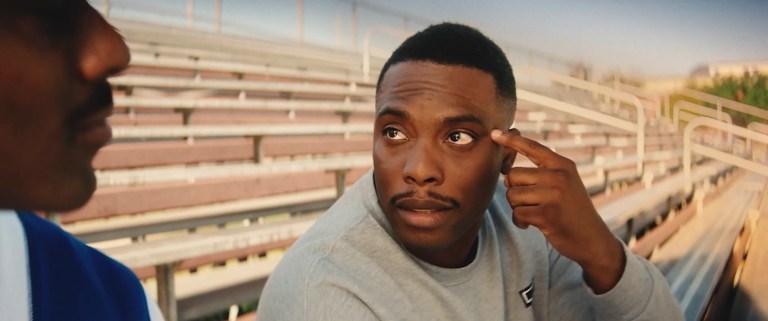
From its opening notes, Wicked: For Good positions itself as more than a second chapter—it’s a reckoning. This is the installment that promises to resolve decades of mythmaking around the Wicked Witch of the West, finally asking whether Elphaba’s story ends in tragedy, liberation, or something far more subversive. For audiences steeped in Oz iconography, that promise carries enormous emotional weight.
As a finale, Wicked: For Good is signaling an ending built on revelation rather than spectacle alone. The film invites viewers to look past the version of events accepted by Oz’s citizens and consider what truly happens to Elphaba once the curtain falls and the propaganda takes hold. In doing so, it sets up a deliberate tension between what is seen, what is believed, and what is quietly true.
| # | Preview | Product | Price | |
|---|---|---|---|---|
| 1 |

|
Wicked: For Good - Blu-ray + Digital | $12.99 | Buy on Amazon |
| 2 |

|
Wicked: For Good (4K Ultra HD + Blu-ray + Digital) | $24.00 | Buy on Amazon |
| 3 |

|
Wicked 2-Film Collection - Blu-ray + Digital | $36.99 | Buy on Amazon |
| 4 |
![Wicked For Good [Blu-ray]](https://m.media-amazon.com/images/I/51IV+51NNqL._SL160_.jpg)
|
Wicked For Good [Blu-ray] | $39.99 | Buy on Amazon |
| 5 |
|
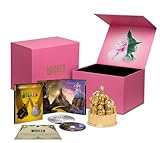
Wicked: For Good - Amazon Exclusive Giftset (4K Ultra HD + Blu-ray + Digital) | $197.50 | Buy on Amazon |
That tension is where the adaptation’s ambition becomes clear. Wicked has always been about reclaiming narrative power from simplistic good-versus-evil storytelling, and this ending is poised to crystallize that idea across stage canon, Maguire’s darker literary vision, and the cinematic language of the film itself. Understanding Elphaba’s fate means understanding why her disappearance matters—not just to Glinda or Oz, but to the story’s enduring argument about identity, resistance, and who gets to write history.
The Public Ending vs. the Private Truth: What Oz Believes Happened to Elphaba
At the heart of Wicked: For Good’s ending is a carefully engineered illusion—one designed to satisfy Oz’s hunger for a villain while allowing the truth to slip quietly out the back door. What the public witnesses and what actually happens to Elphaba are deliberately split, reinforcing the story’s central argument that history favors simplicity over accuracy. Oz doesn’t want nuance. It wants closure.
Free tools Windows power users keep installed
One-click scans. No signup required.
#1 Best Overall
The Death Oz Sees
To the citizens of Oz, Elphaba’s story ends exactly where legend insists it must: with her apparent death at the hands of Dorothy in the Witch’s castle. The spectacle is clean, theatrical, and emotionally convenient. Water melts the Wicked Witch, the threat is neutralized, and the Wizard’s narrative remains intact.
This version of events mirrors both the Broadway musical and the expectations carried over from The Wizard of Oz. The crowd gets its catharsis, Glinda is positioned as the benevolent survivor, and the political machine of Oz can move forward without interrogating its own cruelty. Elphaba dies a monster so the system never has to admit it created one.
The Truth Only a Few Characters Know
Privately, Wicked: For Good follows the long-established musical canon: Elphaba does not die. The “melting” is a staged illusion, orchestrated with Fiyero and hidden in plain sight through the Wizard’s own theatrical instincts. Smoke, shadows, and Oz’s love of spectacle do the rest.
Elphaba escapes Oz entirely, choosing anonymity over martyrdom. It’s a quiet ending by design—one that trades public vindication for personal freedom. Only Glinda and a select few are left carrying the weight of that truth, forced to live within the lie for the sake of political stability.
What’s actually slowing this PC down?
Pick the symptom - the matching free tool is one click away.
How This Differs From Gregory Maguire’s Novel
This is where the film’s allegiance to the stage musical becomes especially significant. Gregory Maguire’s Wicked novel offers a far bleaker and more ambiguous fate for Elphaba, one that leans into moral erosion and unresolved legacy rather than escape. Her death in the book is murky, stripped of theatrical comfort, and intentionally unsatisfying.
By contrast, Wicked: For Good embraces the musical’s more hopeful revisionism. Elphaba survives not because she is forgiven, but because she refuses to continue performing a role written by others. It’s less about redemption and more about reclamation.
Why Oz Needs Elphaba to Stay Dead
Thematically, Elphaba’s “death” is essential to Oz’s self-image. If she lives openly, the Wizard’s lies unravel, Glinda’s compromises become impossible to ignore, and the entire moral framework collapses. A dead witch is a manageable problem; a living truth is not.
That tension is the emotional core of the ending. Wicked: For Good doesn’t ask whether Elphaba deserved better—it shows why the world could not afford to give it to her. Her fate becomes a commentary on how power survives by burying inconvenient people, then celebrating the burial as justice.
Behind the Curtain: Elphaba’s Actual Fate Explained Step by Step
The Setup: A Death the World Is Ready to Believe
By the time Elphaba reaches the castle, Oz has already written her ending for her. Years of propaganda have trained the public to expect a monstrous demise, and the Witch herself understands that expectation is her greatest cover. The crowd doesn’t need proof—only confirmation of what they already fear.
That readiness is crucial. Wicked: For Good makes it clear that Elphaba’s survival depends less on magic than on narrative control.
The “Melting”: Theater Disguised as Justice
The infamous bucket of water is not a fatal weapon but a calculated illusion. Smoke, trapdoors, lighting, and Oz’s long history of pageantry combine to sell the moment as final. What looks like punishment is actually misdirection, staged with the same flair the Wizard once used to invent himself.
Elphaba’s scream, often read as agony, plays double duty. It satisfies the mob while masking the mechanics of her escape.
Quick wins for a faster PC:
Repair Windows errors before they cause bigger problemsFix Now →Fix the driver behind crashes, sound loss and screen glitchesFind Drivers →Clear out junk files and repair common Windows errorsFree Scan →Fiyero’s Role: Loyalty Beyond the Spotlight
Fiyero’s transformation into the Scarecrow is more than a symbolic punishment—it’s camouflage. Stripped of status and recognition, he becomes invisible in a way a prince never could. From that position, he helps Elphaba vanish completely.
Rank #2
- Runtime: 138 minutes
Their reunion is brief and deliberately unseen. Wicked: For Good treats their love not as a triumphant reveal, but as a quiet contract to leave Oz behind forever.
What Glinda Knows—and What She Must Pretend Not to
Glinda is the sole character left standing between truth and public myth. She understands the illusion, recognizes the signs, and chooses silence anyway. Her tears are not just for Elphaba’s supposed death, but for the moral cost of allowing the lie to stand.
This is where the ending cuts deepest. Glinda gains legitimacy, but loses the right to honesty, becoming the guardian of a story she knows is false.
Do these 3 things before closing this tab:
1Clear out junk files and repair common Windows errors2Scan for outdated or missing drivers - takes under a minute3Repair Windows errors before they cause bigger problemsThe Escape: Freedom Without Applause
Elphaba does not flee toward vindication or legacy. She leaves Oz entirely, abandoning the fight to rewrite her name in history. Survival, in this version of the story, means opting out of the narrative altogether.
Wicked: For Good frames this not as defeat, but as the only real victory available. Elphaba lives—but only by refusing to be seen, remembered, or redeemed on Oz’s terms.
Glinda’s Complicity and Cost: Why the Lie Must Hold
If Elphaba’s escape is the story’s hidden miracle, Glinda’s silence is its necessary sacrifice. Wicked: For Good reframes Glinda not as a passive beneficiary of events, but as an active steward of a false ending. The lie does not persist despite her—it survives because of her.
Choosing Power Over Truth
By the time the crowd disperses, Glinda understands exactly what has happened. Elphaba is alive, the threat is gone, and Oz has been given the closure it demands. To contradict that narrative would be to destabilize the fragile authority Glinda is about to inherit.
In both the Broadway musical and Wicked: For Good, Glinda’s ascent to leadership depends on continuity. Oz needs a villain vanquished, not a moral reckoning reopened. Telling the truth would not save Elphaba—it would only endanger her all over again.
The Difference Between Knowing and Acting
What distinguishes Glinda in this final act is not ignorance, but restraint. She has the social capital, the platform, and eventually the crown, yet she chooses inaction. Wicked: For Good treats this as a conscious ethical compromise, not a failure to be brave.
This is a key divergence from Gregory Maguire’s novel, where Glinda’s awareness is murkier and her agency more limited. The film, like the stage musical but with sharper emphasis, insists that Glinda understands the cost of her silence in real time—and pays it anyway.
Public Victory, Private Grief
Glinda’s final image is one of triumph layered over loss. She stands before Oz as a symbol of goodness, while privately mourning the friend she can never acknowledge. The applause she receives is built on a story she knows to be incomplete.
That tension has always existed in Wicked, but Wicked: For Good leans into its emotional cruelty. Glinda does not get the comfort of believing the lie herself. She must remember Elphaba as she truly was, while allowing the world to remember something easier.
Why the Lie Protects More Than Elphaba
The lie endures not only to shield Elphaba, but to preserve the illusion Oz requires to function. A society that confronts its own manufactured villain would have to confront who created her in the first place. Wicked has never been interested in that revolution.
Rank #3
By holding the line, Glinda becomes the final cog in Oz’s storytelling machine. Her goodness is real, but compromised; her power legitimate, but haunted. In letting Elphaba disappear, Glinda ensures peace—but forfeits absolution.
How This Ending Compares to the Broadway Musical’s Final Reveal
For longtime Wicked fans, Wicked: For Good lands on familiar ground—but with notable refinements. The broad strokes of Elphaba’s fate remain intact: she does not die, her “melting” is staged, and her survival depends on secrecy. What the film changes is how much clarity, emotional specificity, and consequence it allows that reveal to carry.
PC Slower Than It Used to Be?
A free scan shows the junk files, broken settings and background clutter dragging Windows down - then fixes them in one click.Free scan · Windows 10 & 11Outdated Drivers Are Slowing You Down
One free scan finds every outdated or missing driver and matches the right update for your exact hardware.Free scan · exact hardware matchThe Stage Musical’s Sleight of Hand
On Broadway, Elphaba’s survival is revealed almost playfully. A trapdoor, a flash of green light, and a quick exchange confirm that the Wicked Witch has slipped away, alive and free. Glinda’s subtle acknowledgment—often staged as a knowing look or smile—lets the audience in on the truth without dwelling on it.
The musical moves briskly past the mechanics, prioritizing emotional resolution over realism. Elphaba escapes with Fiyero, now fully transformed into the Scarecrow, and the story pivots quickly to Glinda’s coronation and final farewell. The reveal feels like a gift to the audience rather than a reckoning for the characters.
What Wicked: For Good Makes Explicit
The film adaptation slows that moment down. Wicked: For Good is less interested in theatrical surprise and more concerned with aftermath—what it actually means to vanish while the world celebrates your death. Elphaba’s survival is not treated as a clever trick, but as a permanent exile.
Where the stage musical allows a sense of lightness, the film leans into cost. Elphaba lives, but she does so without vindication, without legacy, and without the ability to ever reenter the story Oz tells about itself. Survival is not framed as victory so much as endurance.
Recommended Free Tools
Glinda’s Knowledge: Subtext vs. Certainty
In the Broadway version, Glinda’s awareness is intentionally delicate. She knows enough to let Elphaba go, but the musical leaves room for interpretation about how fully she grasps the long-term implications. The emphasis is on emotional closure between friends rather than political consequence.
Wicked: For Good removes that ambiguity. Glinda’s knowledge is unmistakable, and the weight of it lingers. The film aligns with the musical’s intent but sharpens its edge, positioning Glinda not as a passive participant in the lie, but as its final steward.
Fiyero, Love, and the Shape of Escape
Both versions preserve Elphaba and Fiyero’s escape together, honoring the musical’s romantic resolution. However, the film reframes their ending less as a fairy-tale reward and more as a mutual retreat from a world that has no place for them. Love survives, but it exists offstage, outside history.
This stands in contrast to Gregory Maguire’s novel, where Elphaba’s fate is far more ambiguous and tragic. By retaining the musical’s survival ending, Wicked: For Good affirms the stage show’s belief in personal mercy—while stripping away any illusion that mercy equates to justice.
The Tool Desk
Outbyte Driver Updater FREEScan for outdated or missing drivers - takes under a minuteDriver Scan →Outbyte PC Repair FREEClear out junk files and repair common Windows errorsFree Scan →A Shared Ending, A Sharper Message
Ultimately, Wicked: For Good does not overturn the Broadway musical’s final reveal—it interrogates it. The film asks viewers to sit with the implications the stage version glides past: who benefits from Elphaba’s disappearance, and who pays for it. In doing so, it transforms a theatrical twist into a thematic statement about power, mythmaking, and the price of being misunderstood.
Book vs. Musical vs. Film: Key Differences in Elphaba’s Fate Across Canons
Elphaba’s ending has never been singular. Across Gregory Maguire’s novel, the Broadway musical, and Wicked: For Good, her fate shifts in tone, certainty, and meaning, reflecting each version’s relationship to power, narrative control, and moral clarity. What changes is not just whether she lives, but what her survival or death is allowed to signify.
The Novel: Death Without Redemption
In Maguire’s Wicked, Elphaba’s fate is deliberately bleak and unresolved. She appears to die during Dorothy’s infamous bucket-of-water moment, and while hints of ambiguity linger, the novel denies readers any emotional absolution. There is no grand reveal, no hidden escape that restores dignity or love.
Rank #4
- Blu-ray
Crucially, the book treats Elphaba’s death as a narrative erasure rather than a misunderstanding. Oz moves on without her, and history remains indifferent. The novel’s power lies in its refusal to soften the cost of being morally right in a system designed to crush dissent.
The Musical: Survival as Emotional Resolution
The Broadway adaptation dramatically alters this trajectory by allowing Elphaba to live. Her “death” is staged as illusion, a final act of self-authored mythmaking that grants her escape with Fiyero. For audiences, this functions as catharsis—a release valve after hours of injustice.
Yet even onstage, that survival comes with limits. Elphaba gains love and freedom, but she forfeits public truth. The musical prioritizes personal reconciliation over political reckoning, especially in its final moments between Elphaba and Glinda.
The Film: Survival Without Restoration
Wicked: For Good adopts the musical’s reveal but reframes its emotional impact. Elphaba survives, but the film is far less interested in relief than in consequence. Her disappearance is not triumphant; it is final, isolating, and strategically necessary for Oz to maintain its false narrative.
Unlike the stage version, the film underscores what Elphaba loses forever: her voice in history, her right to be understood, and any chance of reclamation. By fusing the musical’s mercy with the novel’s severity, the film positions Elphaba as a living ghost—present, enduring, but erased by design.
Across all three canons, Elphaba’s fate answers the same question in different ways. Is survival enough when the world refuses to tell the truth about you? Wicked: For Good suggests that living on may be the bravest ending of all—but only if we acknowledge what that life costs.
Independent reader supportYour contribution helps us test, update, and keep practical guides available for everyone.Why Elphaba Has to ‘Die’ to Be Free: Themes of Identity, Power, and Myth-Making
Elphaba’s staged death in Wicked: For Good is not a plot twist designed for shock, but a thematic necessity. The film argues that in a society built on propaganda and fear, true liberation cannot coexist with visibility. To live honestly, Elphaba must first be erased.
Her “death” resolves the story’s central paradox: Oz cannot survive with a living symbol of dissent, and Elphaba cannot survive within Oz’s version of truth. The ending reframes freedom not as vindication, but as withdrawal from a system that feeds on distortion.
Identity as a Threat to Power
From the moment Elphaba refuses to perform obedience, her identity becomes dangerous. Not because of her magic, but because she exposes how arbitrary and cruel Oz’s hierarchies truly are. Wicked: For Good makes it clear that her continued existence would destabilize the entire regime.
By allowing the Witch to “die,” the state neutralizes the threat without addressing its cause. Elphaba’s survival depends on relinquishing her name, her image, and her role in public life. What remains is a person freed from persecution, but stripped of recognition.
The Necessity of the Myth
Oz does not need Elphaba dead; it needs the Wicked Witch dead. The distinction is crucial. The myth allows the Wizard’s lies to calcify into history, offering the populace a villain simple enough to justify every injustice.
Wicked: For Good emphasizes how myths function as political tools. The story people believe about Elphaba matters more than the truth of who she was. Her disappearance completes the narrative Oz requires, even as it destroys the possibility of correction.
Freedom Without Witnesses
Unlike traditional happy endings, Elphaba’s survival is intentionally unwitnessed. No crowd cheers her escape, no public reckoning follows. Even Glinda, now complicit in maintaining the lie, must mourn someone she knows is alive but can never acknowledge.
Do these 3 things before closing this tab:
1Fix the driver behind crashes, sound loss and screen glitches2Repair Windows errors before they cause bigger problems3Scan for outdated or missing drivers - takes under a minuteBest Value
- Limited Edition 4K Giftset
- Digital Copy
- Bonus Content
This isolation is the price of freedom in the film’s moral universe. Elphaba gains autonomy, but loses community, legacy, and the chance to be understood. Wicked: For Good refuses to pretend that survival alone is victory.
Choosing Self-Authorship Over Redemption
Elphaba’s final act is not martyrdom or rebellion, but authorship. By orchestrating her own death, she claims control over the story told about her, even if that story is false. It is the only power left to her.
In this way, the film diverges subtly from the Broadway musical’s gentler catharsis. Survival is not framed as a reward, but as an ethical choice made in full awareness of its cost. Elphaba lives not because the world makes room for her, but because she refuses to let it define her ending.
The Emotional Aftermath: What Elphaba’s Fate Ultimately Means for Oz — and for Us
Elphaba’s fate in Wicked: For Good leaves Oz outwardly unchanged, but morally exposed. The Wizard’s system survives because the lie survives, and Glinda inherits a peace built on silence rather than justice. What looks like narrative closure is actually a wound sealed over, not healed.
For audiences, that discomfort is the point. The film asks us to sit with an ending that denies spectacle in favor of consequence. Elphaba lives, but the world that wronged her never learns how or why.
Oz Moves On — Without Learning
In the official history of Oz, the Wicked Witch is dead, order is restored, and the threat has been eliminated. This mirrors the Broadway musical’s ending, but Wicked: For Good sharpens the irony by emphasizing how little has truly changed. The structures that created Elphaba remain intact, simply unchallenged.
Gregory Maguire’s novel is even more explicit in its cynicism, portraying Oz as a place that devours dissent and rewrites it as monstrosity. The film occupies a middle ground, honoring the musical’s emotional release while retaining the book’s skepticism about institutional reform. Elphaba’s absence becomes a warning, not a triumph.
What Glinda Gains — and Loses
Glinda’s survival in power is inseparable from Elphaba’s erasure. She gains legitimacy, influence, and the chance to soften Oz from within, but only by upholding the lie of her friend’s death. Wicked: For Good frames this not as betrayal, but as a compromise that will haunt her.
What’s actually slowing this PC down?
Pick the symptom - the matching free tool is one click away.
Emotionally, Glinda becomes the sole witness to Elphaba’s truth, a burden that replaces the musical’s more comforting sense of reconciliation. Their bond endures, but it is forever private. The cost of leadership, the film suggests, is living with the truths you are not allowed to tell.
Elphaba’s Quiet Victory
Unlike the Broadway finale, which leans into romantic escape and release, Wicked: For Good treats Elphaba’s survival as something smaller and sadder. There is no curtain-call joy in her ending, only the possibility of a life lived honestly, if anonymously. That restraint aligns more closely with Maguire’s thematic core than with traditional musical catharsis.
Yet this is still a victory, just not a public one. Elphaba escapes the roles imposed on her and refuses to internalize Oz’s judgment. In choosing obscurity over martyrdom, she preserves her humanity in a world that demanded her symbol.
Why This Ending Resonates Now
Elphaba’s fate speaks directly to modern anxieties about narrative control, misinformation, and who gets to be remembered accurately. Wicked: For Good argues that being “understood” by society is not always possible — or even necessary — for a life to have meaning. Sometimes survival itself is the radical act.
Crashes, No Sound, or Screen Glitches?
Random freezes, missing sound and display glitches usually trace back to one bad driver. Find and replace yours safely.Free scan · under a minutePC Slower Than It Used to Be?
A free scan shows the junk files, broken settings and background clutter dragging Windows down - then fixes them in one click.Free scan · Windows 10 & 11The film closes not by correcting Oz’s history, but by challenging ours as viewers. We are asked to hold the truth, even if the characters cannot. In that shared understanding, Elphaba’s story finally finds its audience.
In the end, Wicked: For Good reframes Elphaba not as a misunderstood villain or a secret hero, but as a person who chose self-definition over public redemption. Oz keeps its myth, but we leave with something more valuable: the knowledge of who she really was, and why that truth matters, even when it changes nothing at all.
Quick Recap
Product prices and availability are accurate as of the date/time indicated and are subject to change. Any price and availability information displayed on Amazon at the time of purchase will apply.