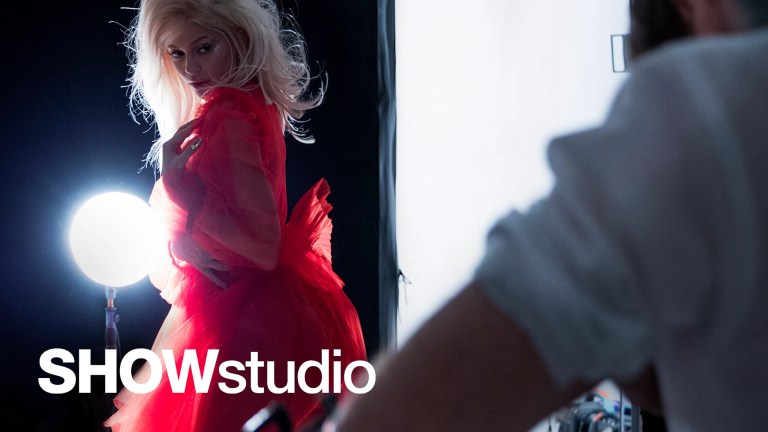
Celebrity style, couples news, and more is best treated as a flexible celebrity-culture beat with two main lanes: what public figures wear and what can be responsibly reported about their relationships and appearances. The strongest coverage adds context—designer and stylist credits, event chronology, visual analysis, and practical takeaways—without presenting rumor, clothing guesses, or private speculation as fact.
What this celebrity-culture beat should cover
Celebrity style, couples news, and more works best as a clearly defined celebrity-culture destination, not as a claim that one verified publication or official archive already uses the phrase as its masthead. Its two central editorial engines are fashion and relationships, with adjacent coverage that helps explain why a look, appearance, or public milestone matters.


| Pillar | Useful coverage | Editorial boundary |
|---|---|---|
| Celebrity style | Red-carpet outfits, street style, event dressing, designer and stylist credits, beauty details, seasonal trends, and the design logic behind a memorable look. | Do not identify an exact garment or retailer from a photograph alone. Use a credited source or describe it as a similar silhouette. |
| Couples news and couple style | Confirmed relationship developments, public appearances, red-carpet debuts, coordinated dressing, and event-by-event timelines. | Separate confirmed facts from observation and rumor. Never treat an anonymous post or paparazzi speculation as proof of a private event. |
| Practical celebrity-inspired style | Break a look into color, silhouette, texture, accessories, grooming, occasion, and budget so readers can adapt the idea. | Offer inspiration, not an alleged celebrity endorsement or a promise that an alternative is the exact item worn. |
| The adjacent more | Beauty routines when reliably sourced, celebrity homes and lifestyle, biographies and memoirs, fashion history, visual culture, event guides, and entertainment-related books or media. | Keep the subject connected to celebrity culture rather than turning the section into unrestricted general news. |
How to report a celebrity look accurately
A strong style story does more than list a dress, suit, or pair of sunglasses. It establishes what can be verified, then explains what the visual choices communicate. A useful report records:
- the event, location, and date;
- the celebrity’s role or reason for attending;
- the designer, label, stylist, jewelry house, hair artist, or makeup artist when credited;
- the garment’s identifiable details, such as neckline, proportion, fabric, color, or construction;
- the available image and credit information; and
- the difference between a documented fact and the writer’s interpretation.
That last distinction matters. Fact: a stylist, designer, brand, or reputable publication identified the garment. Analysis: the column lengthened the silhouette, the restrained palette made the jewelry more prominent, or the contrasting textures kept a monochrome outfit from looking flat. Analysis can be lively without pretending to know what the celebrity privately intended.
Crashes, No Sound, or Screen Glitches?
Random freezes, missing sound and display glitches usually trace back to one bad driver. Find and replace yours safely.Free scan · under a minuteWindows Errors? Fix Them Before They Spread
Repair common Windows errors and clear accumulated junk for a smoother, more stable PC - no reinstall needed.Free scan · no reinstall#1 Best Overall
Clothing identification is a sourcing problem, not a guessing game. If a label has not been credited, say that the celebrity appeared to wear a particular kind of garment or that the look resembled a known trend. Do not state that a person wore a specific retail item merely because it looks similar to an image found online. A product recommendation should be presented as an alternative with a clear use case, such as a comparable oversized frame, a similar evening silhouette, or a related color palette.
Couples news: confirmation before interpretation
Relationship coverage changes quickly, and a photograph rarely explains a couple’s private circumstances. The safest approach is to classify every claim before writing it.
| Status | What supports it | Appropriate language |
|---|---|---|
| Confirmed | An official statement, a verified post from the people involved, an event organizer, or several strong independent reports. | The couple announced…, their representatives confirmed…, or the event marked their first public appearance since… |
| Observed | A documented appearance, image, interview, or public event without a statement about private circumstances. | The pair attended…, they coordinated their looks…, or the photographs show… |
| Unverified | Anonymous social posts, unsourced claims, cropped photographs, or tabloid speculation without reliable confirmation. | Do not present it as news. If it is genuinely newsworthy, identify it plainly as an unconfirmed claim and explain what evidence is missing. |
Before publication, recheck the relationship status, event date, geography, and source context. A story about an engagement, marriage, breakup, pregnancy, health matter, family situation, or sexuality requires especially careful confirmation. Clothing and body language cannot establish any of those facts, and a writer should not infer motives such as conflict, reconciliation, or a desire to send a private message from a public image.
Why couple style is worth covering
Couple dressing is a defensible fashion subject even when no private interpretation is available. The reporting can stay with the visible choices: matching or complementary colors, shared tailoring, contrasting levels of formality, repeated accessories, or two distinct personal styles working in the same frame.
Rank #2
Recent fashion coverage provides several useful models. Vogue’s 2026 celebrity coverage has examined the public style of Zendaya and Tom Holland, Hailey and Justin Bieber, and other celebrity pairs. Vogue also covered Harry Styles and Zoë Kravitz in a spring appearance as a pairing whose style identities read as distinct but complementary. Those examples are best treated as time-stamped fashion coverage, not as permanent statements about relationship status or private intent.
The most responsible analysis asks what is visible? rather than what does this prove? A pair may coordinate a color palette because of a stylist, an event dress code, personal preference, or coincidence. Unless the people involved have explained the choice, the article should describe the visual relationship and leave the private motive open.
Turning a celebrity look into something readers can use
The most useful service journalism translates a photograph into decisions an ordinary reader can make. Break the outfit into seven parts:
- Silhouette: Is the shape close to the body, oversized, cropped, elongated, sharply tailored, or deliberately relaxed?
- Color: Is the outfit monochrome, tonal, complementary, high-contrast, or built around one accent?
- Texture: Consider satin, denim, leather, knitwear, sequins, wool, tailoring, or the contrast between matte and reflective surfaces.
- Accessories: Look at eyewear, jewelry, bags, belts, shoes, and the scale of each piece.
- Grooming: Hair and makeup can reinforce the clothing’s mood, but beauty details should be credited rather than guessed.
- Occasion: A red-carpet gown, airport outfit, press-day look, and weekend ensemble solve different wardrobe problems.
- Budget and adaptation: Explain which element creates the effect and where a reader can simplify it without copying the full outfit.
For example, a coordinated couple look does not require identical clothing. One person might use a deep neutral in a tailored jacket while the other repeats the tone in a bag or shoe. A reader can borrow the principle—shared color with separate silhouettes—without buying the same labels or suggesting that the celebrities endorsed the resulting outfit.
Do these 3 things before closing this tab:
1Fix the driver behind crashes, sound loss and screen glitches2Repair Windows errors before they cause bigger problems3Scan for outdated or missing drivers - takes under a minuteRank #3
Readers who want a more systematic approach to image and outfit-building may find How to Build a Fashion Icon by Law Roach a relevant next step. Abrams Image describes the 176-page hardcover, published October 1, 2024, as a practical guide and manifesto based on Roach’s celebrity-styling process, with exercises related to confidence and personal image; the publisher lists Amazon among its retailers. Availability, format, and price should be checked at publication, and the book should be presented as a styling resource—not as a celebrity endorsement of any article.
Different reader questions call for different resources. How to Accessorize by Micaela Erlanger fits an accessory breakdown, while The Silhouette Solution by Brenda Cooper is more relevant to proportion, tailoring, and wardrobe-shape explainers. Be More Harry Styles belongs in a Harry Styles fashion or fan-gift feature rather than a generic relationship article. These books are useful only when they answer the specific problem raised by the story; a generic book list weakens the editorial focus.
Event coverage: use the occasion as the organizing device
A major event can bring the fashion and relationship beats together, but it still needs a factual spine. The 2026 Met Gala is a useful template: record the event date—May 5, 2026—then establish the official or authoritative event context, dress code or cultural theme, credited garments and designers, and the public appearances documented by reliable coverage.
From there, the article can move into visual analysis: how guests interpreted the theme, which couples coordinated or deliberately contrasted, and which details translated into broader seasonal trends. The reporting should distinguish an official dress-code explanation from the writer’s reading of a look. It should also make clear whether the piece is being published as live coverage, a same-week recap, or a retrospective. Event dates, attendance, designers, and relationship details should be checked again if the article is updated.
The Tool Desk
Outbyte Driver Updater FREEFix the driver behind crashes, sound loss and screen glitchesFind Drivers →Outbyte PC Repair FREEClear out junk files and repair common Windows errorsFree Scan →What the more section can—and cannot—be
The adjacent coverage is strongest when it adds context to the central celebrity story. Good subjects include a sourced beauty routine, a celebrity home or lifestyle feature, a biography or memoir, the fashion history behind a recurring silhouette, an explainer on red-carpet dressing, or a guide to watching and understanding a major entertainment event.
Commercial recommendations should follow the same rule. Fashion retailers, beauty retailers, eyewear, occasionwear, luggage, styling services, books, and licensed merchandise can all be relevant in the right article. A product grid should come after the factual style analysis, and every item should be labeled as similar, inspired by, or useful for recreating a particular design principle unless the celebrity’s exact item has been verified.
Rank #4
PC-optimization software is not an organic recommendation in ordinary fashion or couples coverage. It would belong in a separate technical article about organizing celebrity photographs or maintaining a creator workstation. Likewise, a cloud service for continuous YouTube livestreaming would make sense in a guide to producing a 24/7 fashion commentary or red-carpet replay channel, not as an insertion into a relationship-news post. Keeping those commercial boundaries clear protects both reader trust and topical relevance.
Independent reader supportYour contribution helps us test, update, and keep practical guides available for everyone.A source and rights checklist
Before publishing any item in this category, check the following:
- Primary evidence: Prefer official statements, verified celebrity or brand channels, event organizers, designer or stylist credits, and reputable publications.
- Chronology: Record when and where the event happened, when the source reported it, and whether the story is current, historical, or retrospective.
- Relationship claims: Require confirmation from the people involved or multiple strong independent sources before using definitive language.
- Image claims: Distinguish credited garments from visual inference and do not turn image-search results into evidence.
- Privacy: Never infer pregnancy, illness, conflict, breakup, sexuality, family circumstances, or private motives from photographs.
- Updates: Recheck fast-moving stories immediately before publication and add an update note when a material fact may change.
- Image rights: Search visibility is not republication permission. Use images supplied under the publication’s approved license or rights arrangement.
For a documentary-minded audience, this method adds value beyond a celebrity snapshot. It preserves the scene, the people who made the look, the event’s cultural context, and the limits of what can honestly be known. The result is coverage that is entertaining without turning conjecture into fact.
Frequently Asked Questions
How can celebrity relationship news be reported responsibly?
Use official statements, verified posts from the people involved, event organizers, reputable publications, and multiple strong independent reports. A public appearance can be reported as an observation without turning it into proof of a private relationship development.
Best Value

- Issue Type: COLLECTOR'S EDITION,2017 DISPLAY AUGUST, 14th 2017, Subject: CLASSIC CELEBRITY WEDDINGS MAGAZINE
- Country Of Manufacture: United States, Language: English
- Country/Region Of Manufacture: United States, Year Published: 2017
- Subscription: No
- Publication Name: CLASSIC CELEBRITY WEDDINGS MAGAZINE
How do you identify a celebrity outfit without guessing?
Separate credited facts from visual interpretation. Say who identified the designer or garment, then describe the silhouette, color, texture, accessories, and styling choices. If an item has not been verified, call it a similar silhouette or say the celebrity appeared to wear it rather than naming a retailer as fact.
How can readers recreate a celebrity-inspired look?
Start with the look’s silhouette, color palette, texture, accessories, grooming, and occasion. Borrow one or two principles—such as shared color with different silhouettes—instead of claiming that an alternative item is the exact garment or that the celebrity endorses it.
Quick wins for a faster PC:
Clear out junk files and repair common Windows errorsFree Scan →Fix the driver behind crashes, sound loss and screen glitchesFind Drivers →What does the more in celebrity style, couples news, and more include?
Beauty coverage, celebrity homes and lifestyle, biographies, memoirs, fashion history, event guides, visual culture, and entertainment-related books or media are natural extensions. The subject should still connect clearly to celebrity culture rather than becoming unrelated general news.
The Bottom Line
The strongest version of this beat does three things: reports celebrity and relationship developments only when they are supportable, analyzes clothing without pretending to know private motives, and gives readers practical ways to adapt a visual idea. Style, couple dressing, beauty, books, and event context belong together when the connection is clear; rumor, unsupported garment identification, and unrelated commercial inserts do not.
Quick Recap
Product prices and availability are accurate as of the date/time indicated and are subject to change. Any price and availability information displayed on Amazon at the time of purchase will apply.