Catherine O’Hara has spent decades perfecting a rare comedic skill: making the absurd feel emotionally precise. Whether she’s playing a delusional soap actress on SCTV, a shrill yet devoted suburban mother in Home Alone, or the magnificently unhinged Moira Rose on Schitt’s Creek, O’Hara never settles for easy laughs. Her characters are heightened, yes, but they are also deeply observed, rooted in human insecurity, vanity, longing, and pride.
What sets O’Hara apart is her mastery of character construction rather than punchline delivery. She builds personas from the inside out, using vocal cadences, posture, and facial micro-expressions as carefully as a dramatic actor uses silence. That commitment allows her to steal scenes without overpowering them, often anchoring ensembles with performances that feel fully lived-in rather than broadly sketched.


![Here Comes Peter Cottontail [DVD]](https://m.media-amazon.com/images/I/51uYBjr4ryL._SL160_.jpg)

This list ranks and contextualizes Catherine O’Hara’s 10 best movies and TV shows by spotlighting the roles that define her comedic legacy. From cult comedies and Hollywood blockbusters to prestige television and animated gems, each selection highlights how she reshaped what character acting in comedy could be. Taken together, they tell the story of an artist whose influence stretches across generations, genres, and the evolving language of screen comedy.
How We Ranked Her Best Work: Criteria, Cultural Impact, and Rewatch Value
Ranking Catherine O’Hara’s filmography isn’t about tallying box office numbers or counting awards, though she has earned both. It’s about identifying the performances where her singular approach to character comedy reshaped a project, elevated an ensemble, or quietly influenced how comedy would be played for years afterward. Each selection reflects a role where O’Hara didn’t just appear, but left a permanent imprint.
Free tools Windows power users keep installed
One-click scans. No signup required.
#1 Best Overall
Character Construction Over Screen Time
A central factor in our ranking was how fully realized each character is, regardless of how much time O’Hara spends on screen. Some of her most indelible performances work precisely because they feel lived-in from the first frame, complete with history, contradictions, and emotional logic. If a character feels like they existed long before the story began and could plausibly continue afterward, it scored high.
This also meant prioritizing roles where O’Hara shaped the character from the ground up. Her background in sketch comedy and improvisation often allowed her to build voices, physicality, and behavioral tics that became inseparable from the role itself. These are performances no one else could convincingly replicate.
Cultural Impact and Longevity
We also weighed how each performance resonated beyond its initial release. Some roles became pop-culture touchstones, endlessly quoted, memed, and referenced by subsequent generations of comedians and writers. Others helped redefine what women in comedy could look like on screen, especially as eccentric, aging, or unapologetically flawed characters.
Cultural impact doesn’t always mean loud or mainstream. Several of O’Hara’s best roles gained their influence gradually, through cult followings, reruns, and streaming rediscovery. If a performance continues to be discussed, studied, or lovingly imitated decades later, its ranking benefited accordingly.
Recommended Free Tools
Ensemble Chemistry and Scene-Stealing Precision
Because O’Hara is one of the great ensemble actors of her era, we considered how her work interacts with the larger cast. The best performances don’t overpower the story but subtly re-center it, often becoming the emotional or comedic glue holding chaos together. Her ability to steal scenes without breaking tone is a defining strength.
We paid special attention to projects where her presence raises the level of everyone around her. When a performance sharpens the rhythms of an entire ensemble, that influence matters as much as individual laughs.
Rewatch Value in the Streaming Era
Finally, rewatchability played a major role. Catherine O’Hara’s performances often improve with familiarity, revealing new layers of intention, micro-expressions, and throwaway line readings on repeat viewings. These are roles that reward attention, growing richer rather than wearing thin.
In the age of streaming, her work has found new audiences who may discover her through one iconic role and then work backward. The highest-ranked entries are the ones that hold up beautifully under repeat viewing, still feeling sharp, surprising, and emotionally grounded no matter how many times you return to them.
Quick wins for a faster PC:
Scan for outdated or missing drivers - takes under a minuteDriver Scan →Clear out junk files and repair common Windows errorsFree Scan →Fix the driver behind crashes, sound loss and screen glitchesFind Drivers →The Definitive Ranking: Catherine O’Hara’s 10 Best Movies and TV Shows (From Great to Iconic)
With the criteria established, this ranking balances cultural impact, ensemble chemistry, and pure performance craft. These are the roles that best capture Catherine O’Hara’s singular ability to turn eccentricity into emotional truth, moving from excellent work to the kind of iconography that defines eras of comedy.
10. A Mighty Wind (2003)
As Mickey Crabbe, half of the disastrously mismatched folk duo Mitch and Mickey, O’Hara leans into cringe comedy with aching sincerity. Her nasal singing voice and passive-aggressive warmth turn awkwardness into art, especially opposite Eugene Levy’s obliviously earnest Mitch. The performance is funny on first viewing and quietly devastating on repeat, revealing layers of regret beneath the parody. It’s a reminder of how deftly O’Hara balances satire with emotional realism.
9. Best in Show (2000)
Cookie Fleck is a masterclass in controlled absurdity. With her breathy baby talk, competitive insecurity, and unshakable devotion to her husband’s neuroses, O’Hara crafts a character who is both ridiculous and oddly relatable. Her chemistry with Levy is impeccable, anchoring the film’s escalating chaos. Cookie’s line readings alone have become part of the film’s enduring cult appeal.
8. Over the Hedge (2006)
As the voice of Penny the porcupine, O’Hara brings warmth and maternal humor to an animated ensemble bursting with comic energy. While the role is less showy than her live-action classics, her vocal performance adds texture and emotional grounding. She gives Penny a gentle authority that elevates the family dynamics at the heart of the film. It’s a reminder that even in animation, O’Hara knows how to make characters feel lived-in.
7. For Your Consideration (2006)
Marilyn Hack is one of O’Hara’s most painfully funny creations. As an actress spiraling over Oscar buzz that may or may not exist, she captures the insecurity and desperation of Hollywood validation with brutal precision. The performance walks a razor-thin line between satire and tragedy. Few actors could make such delusion feel this human.
6. Beetlejuice (1988)
Delia Deetz could have been a one-note caricature, but O’Hara turns her into a gallery-worthy portrait of performative pretension. Her exaggerated line delivery, expressive physicality, and unwavering belief in her own artistic genius make Delia unforgettable. Every scene feels slightly off-kilter because of her presence, perfectly matching Tim Burton’s warped aesthetic. It’s one of the great comedic supporting performances of the 1980s.
Rank #2
5. Orange County (2002)
As Cindy Baker, the hilariously unhinged mother spiraling through privilege and resentment, O’Hara steals the film outright. Her unpredictable mood swings and casually cruel one-liners give the movie its sharpest edge. What elevates the role is how grounded she keeps Cindy’s chaos in recognizable dissatisfaction. It’s a performance that feels startlingly modern in its depiction of suburban discontent.
4. Home Alone (1990)
Kate McCallister is often overlooked amid the slapstick spectacle, but O’Hara gives the film its emotional backbone. Her escalating panic, fierce maternal determination, and comedic timing turn what could have been a thankless role into something iconic. The sincerity she brings makes the movie’s high-concept chaos feel emotionally credible. Generations of viewers remember her performance as much as the traps.
3. Home Alone 2: Lost in New York (1992)
O’Hara deepens Kate McCallister without repeating herself, adding sharper comic frustration and heightened urgency. Her performance reflects a parent hardened by experience but still ruled by fear and love. The sequel benefits enormously from her ability to ground escalating absurdity. Few comedy sequels gain emotional texture, but her work helps this one do exactly that.
2. SCTV (1976–1984)
Before the icons, there was the chameleon. On SCTV, O’Hara showcased a staggering range, disappearing into dozens of characters with wildly different rhythms, voices, and emotional registers. This is where her fearlessness was forged, and where her instincts for parody, satire, and character psychology fully bloomed. The influence of this work echoes through every role that followed.
1. Schitt’s Creek (2015–2020)
Moira Rose is not just Catherine O’Hara’s most famous role; it’s one of the great television performances of the 21st century. From the operatic accent to the couture absurdity, every choice is bold, specific, and emotionally precise. What elevates Moira to iconic status is how O’Hara reveals vulnerability beneath the flamboyance, especially as the series progresses. It’s a performance that redefined late-career stardom and cemented her legacy as a comedic artist without equal.
The Signature Roles That Defined Her Genius: From Sketch Comedy to Scene-Stealing Matriarchs
If Catherine O’Hara’s career has a throughline, it’s her instinct for characters who feel simultaneously exaggerated and painfully human. She has always understood that comedy lands hardest when it’s rooted in emotional truth, even when the wig, voice, or wardrobe is doing something outrageous. Across decades, she’s refined a style that makes caricature feel intimate.
The SCTV Foundation: Fearless Transformation
SCTV didn’t just introduce O’Hara to audiences; it revealed her as a performer with an almost frightening command of character. She could be grotesque, glamorous, pathetic, or icy within the same episode, often within the same sketch. More importantly, she treated parody as performance rather than punchline, building inner lives for even the most absurd creations.
This era trained her ear for vocal specificity and emotional rhythm, tools she would later deploy with surgical precision. You can trace Moira Rose’s baroque diction, Delia Deetz’s airy narcissism, and Cookie Fleck’s delusional sincerity directly back to this formative period. SCTV wasn’t just a launching pad; it was her creative laboratory.
The Outsider Matriarch: Authority with Cracks
In films like Home Alone and Home Alone 2, O’Hara perfected a version of motherhood that was commanding, frantic, and deeply relatable. Kate McCallister is competent until she isn’t, confident until panic takes over, and heroic without ever being idealized. O’Hara plays her not as a saint, but as a woman stretched thin by responsibility.
That ability to balance authority and vulnerability would become a defining trait. Whether she’s crossing continents for her son or navigating emotional exile in Schitt’s Creek, her matriarchs are never decorative. They are engines of story and feeling, anchoring chaos with recognizable emotional stakes.
The Tool Desk
Outbyte PC Repair FREEClear out junk files and repair common Windows errorsFree Scan →Outbyte Driver Updater FREEFix the driver behind crashes, sound loss and screen glitchesFind Drivers →Delia Deetz and the Art of Comic Self-Absorption
Beetlejuice remains one of O’Hara’s most indelible film performances because Delia Deetz is pure id, unleashed. She’s vain, pretentious, and hilariously oblivious, yet O’Hara plays her with such conviction that Delia becomes weirdly admirable. The performance is fearless in its commitment to narcissism as personality.
What makes Delia endure is O’Hara’s refusal to soften her. She understands that comedy often thrives when a character doesn’t know they’re ridiculous. It’s a philosophy that would carry through her later work, particularly in ensemble-driven mockumentaries.
Mockumentary Mastery: Best in Show and Beyond
As Cookie Fleck in Best in Show, O’Hara distilled insecurity, delusion, and relentless positivity into one of the great comedic creations of modern cinema. Her chemistry with Eugene Levy is legendary, but it’s her emotional logic that sells the performance. Cookie believes in herself completely, and that belief is both absurd and heartbreaking.
This mockumentary era showcased O’Hara’s improvisational intelligence. She doesn’t chase laughs; she listens, reacts, and lets character dictate behavior. The result is comedy that feels discovered rather than written, a hallmark of her most celebrated collaborations.
Rank #3
Moira Rose: The Grand Synthesis
Moira Rose feels like the culmination of everything O’Hara learned along the way. The vocal invention recalls her sketch roots, the emotional grounding reflects her maternal roles, and the ego-driven absurdity echoes Delia and Cookie. Yet Moira is something more expansive: a portrait of identity clung to as survival.
What makes the performance historic is its evolution. O’Hara allows cracks to form slowly, revealing fear, love, and resilience beneath the couture and consonants. It’s a masterclass in long-form character acting, and a reminder that even the most flamboyant personas are often elaborate forms of self-protection.
Across sketch comedy, studio films, and prestige television, Catherine O’Hara has defined what it means to be a scene-stealer without ever breaking the scene itself. Her genius lies not in exaggeration alone, but in her unwavering commitment to emotional truth, no matter how absurd the surface may appear.
Beyond Laughs: The Emotional Depth and Craft Behind O’Hara’s Performances
What ultimately separates Catherine O’Hara from even the most gifted comedic performers is her instinct for emotional specificity. She never plays an idea of funny; she plays a person whose feelings happen to collide with absurd circumstances. The laughs arrive not because she pushes for them, but because the emotional stakes are always real, even when the reality itself is outrageous.
PC Slower Than It Used to Be?
A free scan shows the junk files, broken settings and background clutter dragging Windows down - then fixes them in one click.Free scan · Windows 10 & 11Crashes, No Sound, or Screen Glitches?
Random freezes, missing sound and display glitches usually trace back to one bad driver. Find and replace yours safely.Free scan · under a minuteThis approach gives her performances a durability that extends far beyond punchlines. Whether she’s delivering a throwaway line or anchoring an entire ensemble, O’Hara treats comedy as character revelation rather than comedic display. The result is work that remains funny on repeat viewings precisely because it’s rooted in human behavior.
The Quiet Power of Her Maternal Roles
O’Hara’s work as a mother figure, particularly in Home Alone, reveals an emotional register that is often underestimated. As Kate McCallister, she brings urgency, guilt, and ferocious love to what could have been a functional holiday-movie role. Her panic is not cartoonish; it’s maternal terror played with sincerity, grounding the film’s slapstick chaos.
That emotional credibility elevates the entire movie. Without her commitment, the story collapses into farce, but O’Hara insists on emotional consequences. It’s a reminder that even her most mainstream roles benefit from the same internal logic she brings to her broadest comedies.
Voice, Physicality, and Precision
Much has been made of O’Hara’s vocal choices, particularly with Moira Rose, but her control extends far beyond accent work. She understands how voice, posture, and timing function as emotional tools. A pause, a breath, or a slightly delayed reaction often lands harder than a scripted joke.
What’s actually slowing this PC down?
Pick the symptom - the matching free tool is one click away.
Her physical comedy is equally disciplined. O’Hara doesn’t flail or overplay; she calibrates. Every gesture feels motivated, whether it’s Delia Deetz’s dismissive flick of the wrist or Moira’s theatrical stillness, reinforcing the idea that comedy is crafted, not chaotic.
Generosity Within the Ensemble
A defining trait of O’Hara’s best performances is her generosity toward scene partners. In ensemble-driven projects like Best in Show and Schitt’s Creek, she listens as intently as she performs. That attentiveness allows other characters to shine while subtly sharpening her own choices.
This generosity is why her collaborations, especially with Eugene Levy, feel so rich. The comedy emerges from shared rhythm and mutual trust, not competition for attention. O’Hara understands that the strongest ensembles are built on balance, and she plays her role with surgical awareness of the larger comic ecosystem.
Comedy That Ages With Its Performer
As O’Hara’s career has evolved, so has her relationship to vulnerability. Later roles allow space for insecurity, obsolescence, and self-reinvention, themes that resonate more deeply because she never signals them overtly. She lets the audience discover those emotions organically.
Do these 3 things before closing this tab:
1Fix the driver behind crashes, sound loss and screen glitches2Clear out junk files and repair common Windows errors3Scan for outdated or missing drivers - takes under a minuteThis is especially evident in the later seasons of Schitt’s Creek, where Moira’s armor occasionally slips. O’Hara doesn’t announce growth; she permits it. In doing so, she proves that comedy can age gracefully without losing its bite, and that emotional honesty remains the most reliable tool in a character actor’s arsenal.
Recurring Collaborations and Creative Partnerships That Shaped Her Career
Catherine O’Hara’s longevity is inseparable from the creative partnerships she’s cultivated across decades. Rather than chasing novelty for its own sake, she has repeatedly returned to collaborators who understand her instincts, trust her timing, and allow her to build characters through accumulation rather than punchlines. These recurring relationships form the connective tissue between her most iconic performances.
Rank #4
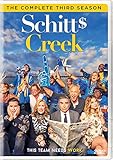
- 2016 Canadian screen awards best comedy series
- 2016 Canadian screen awards best direction in a comedy program or series
- Canadian screen awards best performance by an actor in a continuing leading comedic role (Eugene levy)
SCTV and the Canadian Comedy Brain Trust
O’Hara’s comedic foundation was forged on SCTV, alongside Eugene Levy, John Candy, Andrea Martin, and Rick Moranis. The series functioned as a pressure cooker for character invention, forcing its performers to create fully realized personas at breakneck speed. O’Hara emerged as one of its most versatile voices, able to pivot from satire to sincerity without losing momentum.
That ensemble-first mentality followed her into film and television. The trust built during SCTV allowed O’Hara to take creative risks, knowing her collaborators would meet her at the same level of commitment. Many of her later classics, including several that rank among her best, still carry the DNA of that formative environment.
Christopher Guest and the Art of Controlled Chaos
O’Hara’s collaborations with Christopher Guest represent some of the purest expressions of her comic intelligence. In Waiting for Guffman, Best in Show, A Mighty Wind, and For Your Consideration, she thrives within Guest’s improvisational frameworks, creating characters who feel absurdly specific yet emotionally grounded.
These films depend on actors who can listen, adjust, and build in real time. O’Hara’s performances as characters like Cookie Fleck and Mickey Crabbe are masterclasses in restraint, letting discomfort and vanity simmer rather than explode. They stand among her finest screen work precisely because they reward repeat viewing, revealing new layers with each pass.
Eugene Levy: A Creative Partnership Built on Trust
No collaboration has shaped O’Hara’s career more profoundly than her decades-long partnership with Eugene Levy. From SCTV through Best in Show to Schitt’s Creek, their shared comedic language is unmistakable. They understand each other’s rhythms so intuitively that entire scenes can hinge on a glance or a half-finished sentence.
Schitt’s Creek elevated that partnership to its most emotionally expansive form. As Moira and Johnny Rose, O’Hara and Levy balance theatricality with tenderness, allowing the show to evolve from broad comedy into something quietly profound. Their work together anchors several of O’Hara’s most celebrated performances and cements her influence on modern television comedy.
Free tools Windows power users keep installed
One-click scans. No signup required.
Tim Burton and Stylized Worlds
O’Hara’s collaborations with Tim Burton showcase her ability to adapt her comic sensibility to heightened, fantastical worlds. In Beetlejuice, her Delia Deetz is a perfect match for Burton’s visual maximalism, blending arty pretension with genuine eccentricity. O’Hara understands how to scale her performance without losing specificity.
Her voice work as Sally in The Nightmare Before Christmas further demonstrates that versatility. Even without physical presence, O’Hara imbues the character with longing and resilience, proving that her emotional precision translates across mediums. These projects expand her legacy beyond traditional comedy, reinforcing her status as a character actor who can thrive in any tonal universe.
Later-Career Partnerships and Creative Renewal
In the later stages of her career, O’Hara has continued to seek collaborators who challenge her rather than coast on familiarity. Whether through voice roles, streaming comedies, or prestige television, she gravitates toward creators who value character depth over easy laughs. That discernment keeps her performances feeling current rather than nostalgic.
These partnerships ensure that O’Hara’s best work spans eras instead of belonging to a single moment. Her recurring collaborators don’t box her in; they give her room to evolve. The result is a body of work where each standout role feels connected, not repetitive, reinforcing why her top movies and TV shows remain essential viewing across generations.
Catherine O’Hara’s Lasting Influence on Modern Comedy and Ensemble Acting
Catherine O’Hara’s greatest legacy may be how profoundly she reshaped what a supporting performance can accomplish. Across her best movies and TV shows, she never plays “the funny one” in isolation; she plays characters whose humor emerges through relationships, reactions, and emotional specificity. That approach has become a blueprint for modern ensemble-driven comedy.
From SCTV to Schitt’s Creek, O’Hara demonstrates that comedy works best when performers listen as sharply as they deliver punchlines. Her characters don’t dominate scenes so much as calibrate them, subtly steering tone and rhythm. It’s why so many of her roles remain endlessly rewatchable rather than tied to a single joke or era.
Redefining the Comic Supporting Role
O’Hara helped redefine the idea that supporting characters could be as textured and memorable as leads. Performances like Delia Deetz in Beetlejuice or Kate McCallister in Home Alone aren’t flashy scene-stealers, yet they ground their films with emotional credibility. She understands that specificity, not volume, is what makes a character endure.
That philosophy influenced a generation of character actors who now approach comedy as emotional architecture rather than gag delivery. You can see echoes of O’Hara’s method in modern sitcoms and ensemble films where humor comes from lived-in personalities, not archetypes. Her work quietly raised the bar for everyone sharing the frame.
The Tool Desk
Outbyte PC Repair FREERepair Windows errors before they cause bigger problemsFix Now →Outbyte Driver Updater FREEScan for outdated or missing drivers - takes under a minuteDriver Scan →Best Value
Elevating Ensemble Chemistry as an Art Form
Few performers understand ensemble chemistry as intuitively as O’Hara. Whether working alongside Eugene Levy, John Candy, or the expanded Rose family in Schitt’s Creek, she instinctively adjusts her performance to elevate the group rather than herself. That generosity creates ensembles that feel organic instead of hierarchical.
Moira Rose exemplifies this mastery. O’Hara’s operatic performance could easily overpower the show, but she modulates it with surprising restraint when needed, allowing other characters to shine. The result is an ensemble where every dynamic feels intentional, a quality now widely emulated in prestige comedy.
Influence Across Generations and Mediums
O’Hara’s impact stretches across decades because she adapts without abandoning her core instincts. Voice performances like Sally in The Nightmare Before Christmas reveal how her emotional precision transcends physical acting, influencing how animated characters are written and performed. Even without screen time, her presence is felt.
Today’s comedy landscape, filled with character-forward streaming series and actor-driven ensembles, owes a quiet debt to O’Hara’s body of work. Her best movies and TV shows don’t just entertain; they teach viewers and performers alike how comedy can be intimate, collaborative, and emotionally honest. In that sense, Catherine O’Hara isn’t just part of comedy history. She helped write its modern language.
Quick wins for a faster PC:
Repair Windows errors before they cause bigger problemsFix Now →Scan for outdated or missing drivers - takes under a minuteDriver Scan →Clear out junk files and repair common Windows errorsFree Scan →What to Watch Next: Where to Stream and How to Revisit Her Essential Performances
After tracing Catherine O’Hara’s influence across decades, the natural next step is rediscovery. Her filmography rewards revisiting because her performances often reveal new layers with time, especially as audiences grow more attuned to the emotional intelligence beneath her comedy. Whether you’re a longtime admirer or a Schitt’s Creek convert, her best work plays differently once you understand just how intentional every choice is.
Start With the Cultural Touchstones
If you want the full arc of O’Hara’s impact, Schitt’s Creek remains the essential anchor. The series is widely available on major streaming platforms and works beautifully as both a binge and a selective rewatch, particularly for Moira-centric episodes that showcase her control of tone, rhythm, and vulnerability.
From there, revisit Beetlejuice, which frequently cycles through streaming services and remains a masterclass in heightened character work. Delia Deetz may feel cartoonish on the surface, but O’Hara’s commitment grounds the film’s chaos and makes her performance endlessly rewatchable.
The 1990s Comedic Run That Defined Her Range
Home Alone and Home Alone 2: Lost in New York are perennial staples across cable and streaming, and they’re essential viewing for understanding how O’Hara elevates mainstream comedy. As Kate McCallister, she balances maternal panic with sharp comedic timing, proving she could anchor a blockbuster without sacrificing nuance.
Best in Show and A Mighty Wind, often available via digital rental or specialty streaming platforms, represent her most refined ensemble work. These films reward repeat viewings because O’Hara’s characters deepen with familiarity, revealing how much of the humor comes from behavioral specificity rather than punchlines.
Dig Deeper Into Her Cult Favorites
Waiting for Guffman is a must for fans who want to see O’Hara in full mockumentary mode. Her performance as Corky St. Clair’s quietly supportive wife is deceptively subtle, demonstrating how restraint can be just as funny as excess.
For animation lovers, The Nightmare Before Christmas remains widely accessible and highlights O’Hara’s vocal dexterity. Her dual roles as Sally and Shock showcase how she communicates longing, menace, and warmth using voice alone, reinforcing her versatility across mediums.
How to Watch Her Work With Fresh Eyes
The best way to revisit O’Hara’s performances is to watch them in relation to the ensemble around her. Notice how she modulates her energy depending on her scene partners, often acting as the connective tissue that stabilizes even the most eccentric casts. Her choices are rarely about dominance; they’re about balance.
Watching her work chronologically also reveals how consistent her instincts have remained. Even as comedy styles shift from sketch to sitcom to prestige television, O’Hara’s commitment to emotional truth never wavers. That throughline is what makes her career feel cohesive rather than episodic.
A Legacy Built for Rewatching
Catherine O’Hara’s best movies and TV shows don’t age out; they deepen. Each revisit offers a clearer view of how much craft underpins performances that initially feel effortless. In an era of fast content and disposable laughs, her work invites patience and rewards attention.
If there’s a takeaway in revisiting her essential performances, it’s this: great comedy doesn’t demand the spotlight, it earns it. O’Hara’s career stands as proof that characters built with care, empathy, and precision can remain iconic for generations. Watching her now isn’t just entertainment. It’s a masterclass in how enduring screen comedy is made.
Quick Recap
Product prices and availability are accurate as of the date/time indicated and are subject to change. Any price and availability information displayed on Amazon at the time of purchase will apply.
What’s actually slowing this PC down?
Pick the symptom - the matching free tool is one click away.