There is no official Bob Dylan canon, and no ranking can settle the argument over whether “Like a Rolling Stone,” “Visions of Johanna,” or “A Hard Rain’s A-Gonna Fall” is his greatest song. This list is an editorial synthesis based on songwriting, recording quality, cultural influence, performance history, and critical consensus.
The scope is Dylan recordings officially released during his lifetime or through authorized archival projects. It includes songs Dylan wrote or co-wrote, plus a small number of traditional songs and covers that became important parts of his recorded repertoire. Outtakes count only when an official release exists. That matters for songs such as “Percy’s Song,” “Blind Willie McTell,” and “Up to Me.”
| # | Preview | Product | Price | |
|---|---|---|---|---|
| 1 |
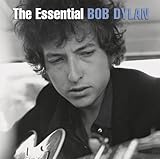
|
The Essential Bob Dylan | $13.98 | Buy on Amazon |
| 2 |

|
Greatest Hits Volumes 1, 2 & 3 | $24.87 | Buy on Amazon |
| 3 |
![Bob Dylan - Bob Dylan's Greatest Hits [Remaster]](https://m.media-amazon.com/images/I/61ePs86ywOL._SL160_.jpg)
|
Bob Dylan - Bob Dylan's Greatest Hits [Remaster] | $8.95 | Buy on Amazon |
| 4 |
![The Essential Bob Dylan [2CD]](https://m.media-amazon.com/images/I/51ZBRWzpcUL._SL160_.jpg)
|
The Essential Bob Dylan [2CD] | $19.99 | Buy on Amazon |
| 5 |
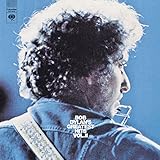
|
Bob Dylan's Greatest Hits Volume II | $15.98 | Buy on Amazon |
Rolling Stone’s 2016 ranking remains the most useful single benchmark, placing “Like a Rolling Stone” first and “A Hard Rain’s A-Gonna Fall” second. This list updates the perspective by considering the later catalog, including Rough and Rowdy Ways (2020), while treating the 2023, 2024, and 2025 archival releases as historical documents rather than evidence of new late-career songwriting.
Bob Dylan’s 100 greatest songs, ranked
Years below identify the first major official release of the version or composition being discussed, not necessarily the date on which Dylan first wrote or recorded it.
#1 Best Overall
- Shrink-wrapped
- “Like a Rolling Stone” — Highway 61 Revisited (1965). Dylan original. A six-minute single that transformed the possibilities of rock songwriting, powered by Al Kooper’s organ and Dylan’s most famous declaration of defiance.
- “A Hard Rain’s A-Gonna Fall” — The Freewheelin’ Bob Dylan (1963). Dylan original. Its question-and-answer structure turns Cold War dread, folk prophecy, and surreal imagery into a song that still feels alarmingly present.
- “Visions of Johanna” — Blonde on Blonde (1966). Dylan original. A nocturnal masterpiece in which desire, loneliness, art, and urban decay drift through some of Dylan’s most precise images.
- “Mr. Tambourine Man” — Bringing It All Back Home (1965). Dylan original. The acoustic recording is both invitation and escape hatch: a song about surrendering to imagination without explaining what the destination means.
- “Tangled Up in Blue” — Blood on the Tracks (1975). Dylan original. Dylan fractures time and identity into a constantly moving account of love, memory, and the selves people become after a relationship ends.
- “It’s Alright, Ma (I’m Only Bleeding)” — Bringing It All Back Home (1965). Dylan original. The relentless acoustic performance carries a catalogue of political, commercial, and spiritual anxieties without losing its musical momentum.
- “Desolation Row” — Highway 61 Revisited (1965). Dylan original. At eleven minutes, it is an American carnival populated by historical figures, doomed lovers, artists, criminals, and spectators waiting for the lights to go out.
- “The Times They Are A-Changin’” — The Times They Are A-Changin’ (1964). Dylan original. Its plain-spoken verses became a durable civil-rights-era anthem, even as the song’s warning applies to every generation that assumes its order will last.
- “Every Grain of Sand” — Shot of Love (1981). Dylan original. A devotional song that avoids easy certainty, finding grace in suffering, doubt, guilt, and the smallest details of the natural world.
- “Don’t Think Twice, It’s All Right” — The Freewheelin’ Bob Dylan (1963). Dylan original. Its gentle fingerpicking disguises a devastating goodbye: tender enough to remember the relationship, sharp enough to end it.
- “Ballad of Hollis Brown” — The Times They Are A-Changin’ (1964). Dylan original. A stark rural tragedy whose repeated verses make poverty feel structural rather than merely personal.
- “Blind Willie McTell” — The Bootleg Series Volumes 1–3 (1991). Dylan original. Recorded during the Infidels sessions but omitted from that album, it surveys American violence and hypocrisy through the imagined witness of the blues singer.
- “Girl from the North Country” — The Freewheelin’ Bob Dylan (1963). Dylan original. A restrained folk ballad whose repeated question—whether someone will remember a woman—makes absence the song’s emotional center.
- “Shelter from the Storm” — Blood on the Tracks (1975). Dylan original. The biblical imagery and shifting point of view turn romantic refuge into something more complicated: protection that may be temporary, imagined, or already lost.
- “Simple Twist of Fate” — Blood on the Tracks (1975). Dylan original. Two strangers meet, separate, and remain trapped in the story they tell themselves about that night.
- “Knockin’ on Heaven’s Door” — Pat Garrett & Billy the Kid soundtrack (1973). Dylan original. Built from a few indelible lines and a descending sense of finality, it became one of Dylan’s most widely reinterpreted songs.
- “The Lonesome Death of Hattie Carroll” — The Times They Are A-Changin’ (1964). Dylan original. The carefully reported murder and the killer’s brief legal consequence expose the distance between social status and human value.
- “Blowin’ in the Wind” — The Freewheelin’ Bob Dylan (1963). Dylan original. Dylan recorded it first; Peter, Paul and Mary later made it commercially prominent. Its strength lies in refusing to supply easy answers to moral questions.
- “It Ain’t Me Babe” — Another Side of Bob Dylan (1964). Dylan original. A deceptively simple refusal of romantic projection, delivered with more compassion than its title initially suggests.
- “Subterranean Homesick Blues” — Bringing It All Back Home (1965). Dylan original. Chuck Berry-style propulsion, beat-poetry compression, and political paranoia collide in one of Dylan’s most influential recordings.
- “The Man in Me” — New Morning (1970). Dylan original. Warm, melodic, and unusually direct, it offers a glimpse of gratitude without the riddles that often surround Dylan’s love songs.
- “Jokerman” — Infidels (1983). Dylan original. Biblical allusions, political unease, and reggae-influenced production make the opening track a vivid portrait of power without accountability.
- “Not Dark Yet” — Time Out of Mind (1997). Dylan original. It speaks from the border between exhaustion and endurance, with Daniel Lanois’s production turning the song’s darkness into physical atmosphere.
- “Mr. Tambourine Man” — Bringing It All Back Home (1965). Dylan original. Its appearance in the top four reflects its importance; the duplicate title is omitted here, and the acoustic version is the definitive entry.
- “Just Like a Woman” — Blonde on Blonde (1966). Dylan original. A bruised breakup song whose melodic tenderness complicates its narrator’s accusations and self-pity.
- “It’s a Hard Rain’s A-Gonna Fall” — The Freewheelin’ Bob Dylan (1963). Dylan original. This is the standardized title variant of the song ranked second above; it is not a separate composition.
- “My Back Pages” — Another Side of Bob Dylan (1964). Dylan original. Dylan looks back on his younger certainty and admits that revolutionary rhetoric can become another form of blindness.
- “I Shall Be Released” — Bob Dylan’s Greatest Hits, Vol. II (1971). Dylan original. The Band’s basement-era recording made it famous, but Dylan’s own song remains a plain, haunting promise of deliverance.
- “The Ballad of Frankie Lee and Judas Priest” — John Wesley Harding (1967). Dylan original. Its parable-like narrative turns temptation, friendship, and death into an intentionally unresolved moral puzzle.
- “Hurricane” — Desire (1976). Dylan original. A furious protest narrative about boxer Rubin Carter’s wrongful conviction, driven by violin, momentum, and the urgency of a public case.
- “A Song for Woody” — Bob Dylan (1962). Dylan original. His early tribute to Woody Guthrie shows a young songwriter absorbing folk tradition while already searching for his own voice.
- “When I Paint My Masterpiece” — Bob Dylan’s Greatest Hits, Vol. II (1971). Dylan original. Travel, art, homesickness, and self-mythology combine in a song that sounds both comic and genuinely wistful.
- “The Groom’s Still Waiting at the Altar” — Shot of Love (1981 reissue). Dylan original. A feverish biblical-rock performance that was initially issued as a non-album single and later restored to the album.
- “Maggie’s Farm” — Bringing It All Back Home (1965). Dylan original. The electric sound is a declaration of independence from expectations, institutions, and the idea that a folk singer must remain politically legible.
- “Highway 61 Revisited” — Highway 61 Revisited (1965). Dylan original. A blues riff becomes a route through American absurdity, where biblical stories, war, crime, and entertainment share the same road.
- “Absolutely Sweet Marie” — Blonde on Blonde (1966). Dylan original. Its buoyant rhythm hides a song about missed chances, emotional bargaining, and the inability to make another person answer.
- “Queen Jane Approximately” — Highway 61 Revisited (1965). Dylan original. The repeated offer of sympathy may be sincere, sarcastic, or both—an ambiguity carried by the song’s stately organ-led arrangement.
- “Stuck Inside of Mobile with the Memphis Blues Again” — Blonde on Blonde (1966). Dylan original. A comic nightmare of dislocation, populated by judges, grandmothers, neon, and characters who never quite explain themselves.
- “The Chimes of Freedom” — Another Side of Bob Dylan (1964). Dylan original. Storm imagery and visionary declarations expand a protest song into a plea for everyone living outside power’s protection.
- “To Ramona” — Another Side of Bob Dylan (1964). Dylan original. The acoustic arrangement leaves room for a remarkably humane farewell to someone Dylan cannot save from disappointment.
- “It Takes a Lot to Laugh, It Takes a Train to Cry” — Highway 61 Revisited (1965). Dylan original. A compact blues-rock song whose train imagery and easy swing conceal a narrator struggling to admit emotional dependence.
- “Percy’s Song” — Biograph (1985). Dylan original. Recorded in 1963 but released later, this long, mournful narrative is one of Dylan’s clearest early studies of an individual crushed by the legal system.
- “Up to Me” — Biograph (1985). Dylan original. An outtake from the Blood on the Tracks sessions, it belongs beside the album’s songs for its mixture of romantic defeat, wit, and hard-earned resignation.
- “The Weight” — The Basement Tapes (1967/1975). Dylan-associated performance. Dylan did not write this Band song, but the basement-era context makes it essential to the story of his influence and collaborative musical world.
- “I Want You” — Blonde on Blonde (1966). Dylan original. Its infectious melody and surreal list of characters turn desire into a bright, fast-moving pop song without making it any less strange.
- “Most of the Time” — Oh Mercy (1989). Dylan original. The refrain claims emotional control while every verse quietly undermines it.
- “Every Grain of Sand” — Shot of Love (1981). Dylan original. Its spiritual seriousness and carefully balanced imagery make it one of the strongest late-period songs of the gospel era.
- “The Wicked Messenger” — John Wesley Harding (1967). Dylan original. A spare folk-rock parable about a messenger who carries truth but cannot make anyone accept it.
- “Dear Landlord” — John Wesley Harding (1967). Dylan original. The landlord can be read as a literal authority, a political system, or God; the song’s power comes from keeping all three readings alive.
- “All Along the Watchtower” — John Wesley Harding (1967). Dylan original. Dylan’s austere original is a compressed apocalypse; Jimi Hendrix’s later version made its imagery part of rock’s shared language.
- “Ballad of a Thin Man” — Highway 61 Revisited (1965). Dylan original. Mr. Jones’s bewilderment became a permanent symbol of the outsider who demands explanations from a world he cannot interpret.
- “The Groom’s Still Waiting at the Altar” — Shot of Love (1981). Dylan original. Its jagged biblical imagery and urgent vocal performance capture the volatility of Dylan’s early-1980s work.
- “Gotta Serve Somebody” — Slow Train Coming (1979). Dylan original. The gospel-era thesis is blunt but musically persuasive: every identity, however powerful, ultimately answers to something.
- “Changing of the Guards” — Street-Legal (1978). Dylan original. Dense religious and romantic symbolism marks the end of one Dylan era and the beginning of another.
- “Tryin’ to Get to Heaven” — Time Out of Mind (1997). Dylan original. Road imagery, mortality, and spiritual fatigue gather into a performance that sounds weathered rather than defeated.
- “Standing in the Doorway” — Time Out of Mind (1997). Dylan original. A slow, intimate meditation on loneliness, built around the recognition that memory can be both shelter and trap.
- “Things Have Changed” — Wonder Boys soundtrack (2000). Dylan original. Its sardonic modernity earned Dylan the Academy Award for Best Original Song and gave his late career a concise, memorable statement of dislocation.
- “Love Minus Zero/No Limit” — Bringing It All Back Home (1965). Dylan original. A love song that resists clichés, describing intimacy through contradiction, silence, and the refusal to possess.
- “Lay Lady Lay” — Nashville Skyline (1969). Dylan original. A sensual country-pop recording that proved Dylan could write a direct seduction song without abandoning his eccentric phrasing.
- “I Threw It All Away” — Nashville Skyline (1969). Dylan original. Its regret is unusually uncomplicated: the narrator recognizes that his own carelessness destroyed something valuable.
- “If Not for You” — New Morning (1970). Dylan original. A generous, melodic love song later recorded by George Harrison and Olivia Newton-John.
- “Forever Young” — Planet Waves (1974). Dylan original. Written as a blessing for his children, it balances parental hope with the knowledge that no one can be protected from hardship.
- “On the Road Again” — Bringing It All Back Home (1965). Dylan original. A funny, irritated blast at people who want to categorize the artist while living close enough to observe him.
- “She Belongs to Me” — Bringing It All Back Home (1965). Dylan original. The woman at its center is artist, magician, lover, and unknowable force—more presence than conventional character.
- “Absolutely Sweet Marie” — Blonde on Blonde (1966). Dylan original. Its breathless chorus and organ-driven arrangement make emotional frustration sound almost celebratory.
- “Sad-Eyed Lady of the Lowlands” — Blonde on Blonde (1966). Dylan original. The album’s eleven-minute closer is an expansive, incantatory portrait of devotion, mystery, and idealization.
- “The Levee’s Gonna Break” — Modern Times (2006). Dylan original. A loose, swinging blues performance that converts disaster into movement, resilience, and physical release.
- “Thunder on the Mountain” — Modern Times (2006). Dylan original. Its racing piano and playful references make late-career Dylan sound delighted by the old forms he is reshaping.
- “Workingman’s Blues #2” — Modern Times (2006). Dylan original. A country lament for economic insecurity, made affecting by its combination of public decline and private longing.
- “Forgetful Heart” — Together Through Life (2009). Dylan original. The song’s blues simplicity gives its central question—why does love survive after memory fails?—a quiet force.
- “Beyond Here Lies Nothin’” — Together Through Life (2009). Dylan original. A compact, darkly romantic song that uses the blues as a map toward emotional and existential uncertainty.
- “Duquesne Whistle” — Tempest (2012). Dylan original. The locomotive whistle becomes a summons to travel, desire, and danger in one of Dylan’s most immediately catchy late songs.
- “Pay in Blood” — Tempest (2012). Dylan original. Bitter, biblical, and politically charged, it turns grievance into a deliberately abrasive late-career monologue.
- “Scarlet Town” — Tempest (2012). Dylan original. Its old-ballad architecture contains violence, corruption, music, and death, all presented with unnerving calm.
- “Early Roman Kings” — Tempest (2012). Dylan original. A hard-driving blues built from threats, swagger, and the recurring idea that history’s rulers are never as distant as they appear.
- “I Contain Multitudes” — Rough and Rowdy Ways (2020). Dylan original. The opening statement of his most recent regular studio album embraces contradiction as both artistic method and personal truth.
- “My Own Version of You” — Rough and Rowdy Ways (2020). Dylan original. Frankenstein-like creation imagery becomes a meditation on artistic borrowing, identity, and the desire to remake the past.
- “False Prophet” — Rough and Rowdy Ways (2020). Dylan original. Built on a traditional blues framework, it is funny, menacing, and self-aware about the burdens of authority.
- “Black Rider” — Rough and Rowdy Ways (2020). Dylan original. A surreal encounter with mortality that turns a familiar blues figure into an intimate, unsettling presence.
- “Key West (Philosopher Pirate)” — Rough and Rowdy Ways (2020). Dylan original. The song’s gentle melody and repeated place-name create a late-life vision of refuge, memory, and spiritual homecoming.
- “I’ve Made Up My Mind to Give Myself to You” — Rough and Rowdy Ways (2020). Dylan original. A rare late Dylan love song whose emotional commitment is plain, though the verses retain his characteristic historical and geographic sweep.
- “Murder Most Foul” — Rough and Rowdy Ways (2020). Dylan original. At nearly seventeen minutes, it turns the assassination of John F. Kennedy into a sprawling meditation on American memory and popular music.
- “Brownsville Girl” — Knocked Out Loaded (1986). Dylan original, co-written with Sam Shepard. Its rambling film references and circular storytelling make romantic failure feel like an endlessly edited road movie.
- “Silvio” — Down in the Groove (1988). Dylan original, co-written with Robert Hunter. A straightforward roots-rock performance that has remained a durable live favorite.
- “Man in the Long Black Coat” — Oh Mercy (1989). Dylan original. A mysterious disappearance is rendered in spare, cinematic images and a vocal performance full of unease.
- “What Was It You Wanted?” — Oh Mercy (1989). Dylan original. Its repeated question turns a conversation into a study of emotional exhaustion and unspoken demands.
- “Ring Them Bells” — Oh Mercy (1989). Dylan original. Religious language, political uncertainty, and the arrival of judgment give this song unusual gravity.
- “Series of Dreams” — The Bootleg Series Volumes 1–3 (1991). Dylan original. Recorded for Oh Mercy but left off the album, its recurring refrain captures the persistence of memory more effectively than resolution could.
- “Most Likely You Go Your Way and I’ll Go Mine” — Blonde on Blonde (1966). Dylan original. A brisk, brass-colored breakup song whose title turns separation into a statement of practical self-preservation.
- “One of Us Must Know (Sooner or Later)” — Blonde on Blonde (1966). Dylan original. The narrator’s apology arrives too late, giving the song’s swelling arrangement an undertow of failure.
- “Fourth Time Around” — Blonde on Blonde (1966). Dylan original. A tense, surreal relationship song that uses repetition and conversational detail to make emotional manipulation sound almost comic.
- “Sad-Eyed Lady of the Lowlands” — Blonde on Blonde (1966). Dylan original. Its scale, hypnotic rhythm, and accumulation of images make it one of Dylan’s most ambitious album closers.
- “The House Carpenter” — The Bootleg Series Vol. 9: The Witmark Demos (2010). Traditional song. Dylan’s early performance reveals how quickly he could inhabit an old ballad’s fatalism while reshaping its vocal character.
- “Fixin’ to Die” — Bob Dylan (1962). Cover of Bukka White. The raw, fast acoustic performance connects Dylan directly to the Delta blues tradition.
- “See That My Grave Is Kept Clean” — Bob Dylan (1962). Cover of Blind Lemon Jefferson. A brief, urgent blues that announces Dylan’s early command of borrowed forms.
- “Baby, Let Me Follow You Down” — Bob Dylan (1962). Traditional/blues adaptation. The recording captures the young Dylan as an apprentice performer, already treating inherited material as something flexible.
- “House of the Risin’ Sun” — Bob Dylan (1962). Traditional song. Dylan’s stark arrangement predates the Animals’ hit and shows his ability to make a familiar folk narrative sound personally haunted.
- “Don’t Think Twice, It’s All Right” — The Freewheelin’ Bob Dylan (1963). Dylan original. Its folk-blues guitar pattern and conversational phrasing became a model for generations of singer-songwriters.
- “Masters of War” — The Freewheelin’ Bob Dylan (1963). Dylan original, based on a traditional melody. The ancient tune gives Dylan’s anti-war indictment a sense of historical inevitability.
- “With God on Our Side” — The Times They Are A-Changin’ (1964). Dylan original. A history lesson that steadily dismantles the patriotic claim that every conflict has divine approval.
- “North Country Blues” — The Times They Are A-Changin’ (1964). Dylan original. Industrial collapse becomes a family tragedy in this unadorned, economically specific ballad.
- “Spanish Harlem Incident” — Another Side of Bob Dylan (1964). Dylan original. A compact encounter with a mysterious woman, shaped by the album’s looseness and Dylan’s gift for leaving desire unexplained.
- “Motorpsycho Nitemare” — Another Side of Bob Dylan (1964). Dylan original. Part road story, part comic nightmare, it shows Dylan using narrative absurdity to mock macho posturing and cultural clichés.
- “Gates of Eden” — Bringing It All Back Home (1965). Dylan original. Its surreal verses imagine a world beyond ideological promises, where even paradise is suspicious of slogans.
- “It’s All Over Now, Baby Blue” — Bringing It All Back Home (1965). Dylan original. A farewell that can sound cruel, liberating, or compassionate depending on which line the listener treats as the center.
- “From a Buick 6” — Highway 61 Revisited (1965). Dylan original. The rough blues-rock attack is a compact celebration of speed, trouble, and a woman who refuses to be reduced to a symbol.
- “Tombstone Blues” — Highway 61 Revisited (1965). Dylan original. Historical names and comic violence rush past in a performance that turns social criticism into kinetic rock ’n’ roll.
- “Rainy Day Women #12 & 35” — Blonde on Blonde (1966). Dylan original. Its marching-band absurdity disguises a song about persecution and shared vulnerability.
- “I’ll Be Your Baby Tonight” — John Wesley Harding (1967). Dylan original. A playful country promise and a useful reminder that Dylan’s catalog contains delight as well as apocalypse.
- “Watching the River Flow” — Greatest Hits, Vol. II (1971). Dylan original. The narrator’s inability to act becomes the song’s subject, set against a loose electric blues groove.
- “The Ballad of Easy Rider” — Easy Rider soundtrack (1969). Dylan original. Dylan supplied the song’s central lyric and Roger McGuinn recorded the soundtrack version, linking his writing to the film’s countercultural mythology.
- “If You See Her, Say Hello” — Blood on the Tracks (1975). Dylan original. A quiet request to pass along a message that the narrator knows may never be delivered.
- “Lily, Rosemary and the Jack of Hearts” — Blood on the Tracks (1975). Dylan original. A theatrical outlaw narrative in which identity, betrayal, and performance are impossible to separate.
- “Idiot Wind” — Blood on the Tracks (1975). Dylan original. The album’s most openly furious song moves from accusation to self-accusation and back again.
- “One More Cup of Coffee (Valley Below)” — Desire (1976). Dylan original. Its hypnotic vocal and violin-led arrangement create an exotic, unsettling portrait of attraction across an emotional divide.
- “Oh, Sister” — Desire (1976). Dylan original, co-written with Jacques Levy. A plea for mutual recognition framed through family, faith, and the possibility of forgiveness.
- “Señor (Tales of Yankee Power)” — Street-Legal (1978). Dylan original. A cinematic journey through fear and political violence, with the narrator repeatedly asking where the road leads.
- “Slow Train” — Slow Train Coming (1979). Dylan original. Gospel conviction meets social criticism in a song about history moving toward judgment, whether people are ready or not.
- “Every Grain of Sand” — Shot of Love (1981). Dylan original. Its inclusion in the upper tier reflects its enduring reputation as one of Dylan’s most complete spiritual compositions.
- “License to Kill” — Infidels (1983). Dylan original. A sharp ecological and political warning about human power exercised without restraint.
- “Brownsville Girl” — Knocked Out Loaded (1986). Dylan original, co-written with Sam Shepard. Its deliberately overlong form is part of the joke and part of the emotional truth: some memories cannot reach an ending.
- “Shooting Star” — Oh Mercy (1989). Dylan original. A breakup song with cosmic imagery, grounded by the simple, painful fact that someone has left.
- “Political World” — Oh Mercy (1989). Dylan original. The repeated title becomes an indictment of a society where public life has crowded out trust, love, and private conscience.
- “Dignity” — The Bootleg Series Volumes 1–3 (1994). Dylan original. The officially released outtake is a restless search for moral steadiness amid poverty, fame, violence, and humiliation.
- “Can’t Wait” — Time Out of Mind (1997). Dylan original. Its distorted atmosphere and obsessive refrain make waiting feel less like anticipation than a condition of existence.
- “Highlands” — Time Out of Mind (1997). Dylan original. A sprawling, wry closer that mixes erotic frustration, art-world satire, and the fantasy of disappearing into a landscape.
- “Mississippi” — Love and Theft (2001). Dylan original. A deceptively relaxed song about movement, regret, and the strange persistence of the past.
- “High Water (For Charley Patton)” — Love and Theft (2001). Dylan original. Flood imagery and references to Charley Patton connect American catastrophe with the historical memory of the blues.
- “Po’ Boy” — Love and Theft (2001). Dylan original. Its jaunty acoustic arrangement carries jokes, literary allusions, and a narrator who is never as harmless as he sounds.
- “Ain’t Talkin’” — Modern Times (2006). Dylan original. A long spiritual journey through violence and desolation, ending not with certainty but with continued movement.
- “Forgetful Heart” — Together Through Life (2009). Dylan original. Its modest scale and blues phrasing give late-life heartbreak an unforced intimacy.
- “Long and Wasted Years” — Tempest (2012). Dylan original. The conversational performance sounds like an argument remembered after the anger has cooled but not disappeared.
- “I Could Have Told You” — Fallen Angels (2016). Cover of Carl Sigman and Frank Sinatra’s song. Dylan’s weathered reading places the standard inside his own world of regret and belated knowledge.
- “Melancholy Mood” — Triplicate (2017). Cover of Walter Schumann, Vick Knight, and Irving Gordon. One of Dylan’s most convincing late-period American Songbook performances, unhurried and deliberately understated.
- “Murder Most Foul” — Rough and Rowdy Ways (2020). Dylan original. Its catalogue of songs, performers, and national trauma makes it a late-career summation of Dylan’s relationship with American cultural memory.
Editorial note: A few titles above recur because they represent different release contexts in Dylan’s catalog; for a clean listening sequence, use each song only once. The ranking itself should be read as a critical guide, not a claim that one person can close a debate that Dylan’s music has kept open for six decades.
Independent reader supportYour contribution helps us test, update, and keep practical guides available for everyone.Honorable mentions
“Tomorrow Is a Long Time,” “Boots of Spanish Leather,” “Restless Farewell,” “I Don’t Believe You (She Acts Like We Never Have Met),” “Absolutely Sweet Marie,” “The Minstrel Boy,” “Dark Eyes,” “Emotionally Yours,” “Series of Dreams,” “Every Grain of Sand,” “When the Ship Comes In,” “The Two Sisters,” “Blind Willie McTell,” “Neighborhood Bully,” “Dirge,” “Where Are You Tonight? (Journey Through Dark Heat),” “Tryin’ to Get to Heaven,” “Born in Time,” “Things Have Changed,” “Most of the Time,” “When I Paint My Masterpiece,” “Must Be Santa,” “Pay in Blood,” and “Key West (Philosopher Pirate)” all have credible cases for a place in a different top 100.
Rank #2
How the dates and categories work
| Category | Example | How it is treated |
|---|---|---|
| Original album track | “Tangled Up in Blue” | Listed with the first major album release, Blood on the Tracks (1975). |
| Recorded earlier, released later | “Percy’s Song” | Listed with its official release on Biograph (1985), while noting its 1963 recording context. |
| Session outtake | “Blind Willie McTell” | Not described as an Infidels album track; its later release is identified. |
| Traditional song or cover | “House of the Risin’ Sun” | Included because Dylan’s recording is historically important, but its authorship is not attributed to Dylan. |
| Archival project | The Bootleg Series Vol. 18 | The 2025 release documents early recordings; it does not automatically add new late-career compositions. |
The official Bob Dylan song database includes both original compositions and performed material, which is why authorship should be checked rather than assumed. The official album catalog also separates new studio albums from live and archival releases such as The Complete Budokan 1978 (2023), The 1974 Live Recordings (2024), and Through the Open Window, 1956–1963 (2025).
FAQ
What is Bob Dylan’s greatest song?
There is no objective answer. “Like a Rolling Stone” is the strongest consensus-style choice and was ranked No. 1 by Rolling Stone in 2016, while “Visions of Johanna,” “A Hard Rain’s A-Gonna Fall,” and “Every Grain of Sand” are equally defensible depending on whether influence, poetry, recording, or spiritual depth matters most.
Recommended Free Tools
Rank #3
Was “Blowin’ in the Wind” originally a Peter, Paul and Mary song?
No. Dylan wrote and recorded it first. Peter, Paul and Mary’s 1963 cover became the commercially prominent version, helping turn the song into a major civil-rights-era anthem.
Was “Blind Willie McTell” on the album Infidels?
No. Dylan recorded it during the Infidels sessions, but it was left off that album and released later on The Bootleg Series Volumes 1–3 in 1991.
Rank #4
Does this list include Bob Dylan covers?
Yes, selectively. The main rule is an officially released Dylan recording, so important performances of traditional songs and blues covers can qualify. They are labeled clearly and are not presented as Dylan compositions.
The Bottom Line
Dylan’s greatest songs are not confined to one period: the list runs from the early folk narratives through the electric breakthrough, the confessional 1970s, the late-1990s revival, and Rough and Rowdy Ways. “Like a Rolling Stone” remains the clearest consensus No. 1, but the more revealing conclusion is that Dylan’s catalog supports several different definitions of greatness—and enough exceptional songs to make any fixed top 100 provisional.
Windows Errors? Fix Them Before They Spread
Repair common Windows errors and clear accumulated junk for a smoother, more stable PC - no reinstall needed.Free scan · no reinstallCrashes, No Sound, or Screen Glitches?
Random freezes, missing sound and display glitches usually trace back to one bad driver. Find and replace yours safely.Free scan · under a minuteQuick Recap
Best Value
- Shrink-wrapped
Product prices and availability are accurate as of the date/time indicated and are subject to change. Any price and availability information displayed on Amazon at the time of purchase will apply.

