Uzumaki is one chapter in Toonami’s story, not the reason the block matters. Toonami began on Cartoon Network in 1997 as an action-cartoon block, gradually became a major U.S. television gateway to anime for many viewers, and built a distinctive identity through its hosts, music and interactive storytelling. Its history also includes cancellation in 2008 and a return in 2012 after viewers responded to a one-night revival.
Toonami began as an action block, not an anime-only showcase
Cartoon Network launched Toonami on March 17, 1997. In Complex’s 2017 oral history, programmer Mike Lazzo is credited with asking Sean Akins to develop an action-cartoon block. Akins and Jason DeMarco helped shape its concept and presentation.
| # | Preview | Product | Price | |
|---|---|---|---|---|
| 1 |
![IGPX - Complete Season 1 Collection (Toonami Version) [DVD]](https://m.media-amazon.com/images/I/517F7RNW5DL._SL160_.jpg)
|
IGPX - Complete Season 1 Collection (Toonami Version) [DVD] | $149.99 | Buy on Amazon |
The early programming drew on Cartoon Network’s Hanna-Barbera library and other action properties. Anime would become central to Toonami’s reputation, but it was not the block’s starting point. Its evolution matters: the team was creating a recognizable home for action animation, and anime grew into that identity over time.
Presentation was part of the plan from the beginning. DeMarco recalled using music and footage to create a particular tone, including material he encountered through Japanese video stores in Atlanta. The block was not simply a sequence of acquired shows; its curation and atmosphere helped connect them.
#1 Best Overall
Anime helped make Toonami a destination
The oral history singles out Sailor Moon, Dragon Ball Z and Gundam Wing as titles that helped put Toonami on the map around 1999 and 2000. DeMarco recalled wanting Dragon Ball Z and described Toonami as a U.S. launch platform for Gundam Wing. Akins remembered believing American children would respond to Dragon Ball Z if it were available in an accessible afternoon slot.
Those recollections offer a view into the programmers’ choices and their sense of the audience; they are not independently audited audience measurements. Still, they help explain the block’s appeal: viewers could encounter anime as part of a regular television routine, alongside other action animation, rather than having to seek out each series separately.
Toonami’s anime programming also changed by time and audience. The oral history describes Midnight Run as presenting versions of anime that were less edited than daytime offerings. Later additions included Naruto and One Piece. The same retrospective places a major schedule change in 2004, when Toonami moved from weekday afternoons to Saturday evenings.
The package around the shows was part of the history
Toonami’s identity came from more than the titles it acquired. Its presentation evolved from host Moltar to the robotic TOM, with the Absolution setting and co-host SARA. The block also made room for music-focused segments and animated music videos, giving its schedule a visual and sonic continuity beyond the shows themselves.
Crashes, No Sound, or Screen Glitches?
Random freezes, missing sound and display glitches usually trace back to one bad driver. Find and replace yours safely.Free scan · under a minuteWindows Errors? Fix Them Before They Spread
Repair common Windows errors and clear accumulated junk for a smoother, more stable PC - no reinstall needed.Free scan · no reinstallTotal Immersion Events extended that approach across television and online games. Participants in the oral history recalled the creative team giving viewers a role in the story, while also recognizing that cross-media projects could attract advertisers. That mix of entertainment and promotion is useful context: Toonami’s experiments were part of a commercial television block, as well as an attempt to make the viewing experience feel connected and participatory.
Cancellation and a viewer-backed return
The oral history dates Toonami’s cancellation to 2008. DeMarco later linked its decline to several factors: the move to Saturday evenings, less promotion, a downturn in home video, shifts in anime’s cultural visibility and changing network priorities. That is his retrospective account, not a single, settled explanation for the cancellation.
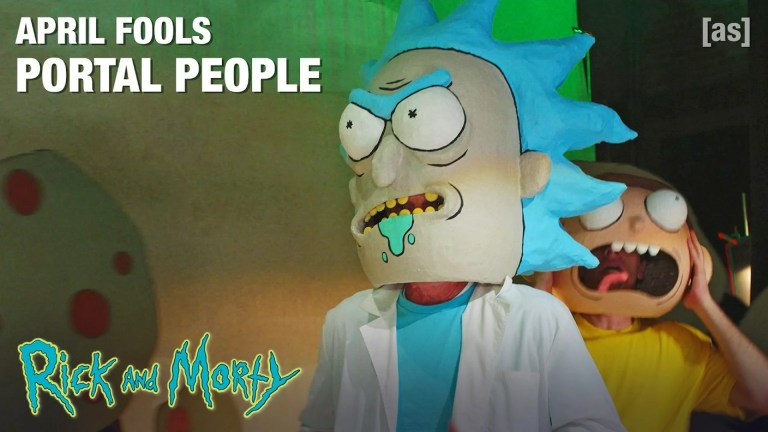
In 2012, Adult Swim tested audience response with a one-night Toonami revival as an April Fools’ broadcast. The oral history describes viewers responding on social media and dates the block’s return to May 26, 2012. The sequence makes the audience’s attachment visible, without proving that one fan response alone determined every subsequent programming decision.
Independent reader supportYour contribution helps us test, update, and keep practical guides available for everyone.Where Uzumaki fits
On July 26, 2024, Warner Bros. Discovery announced that Adult Swim’s adaptation of Junji Ito’s manga Uzumaki was scheduled to premiere on Toonami on September 28, 2024. That announcement makes the series a clear example of Toonami’s continuing place in anime programming, but the date is a past announcement—not a statement of the current schedule. Readers interested in the source can turn to Ito’s Uzumaki manga.
Do these 3 things before closing this tab:
1Fix the driver behind crashes, sound loss and screen glitches2Repair Windows errors before they cause bigger problems3Scan for outdated or missing drivers - takes under a minuteIn an April 30, 2026 announcement, Adult Swim still described Toonami as its anime/action block while announcing My Adventures with Superman as part of it. This confirms the brand’s presence in the network’s programming identity at that point; it does not establish a complete schedule for any other date.
What Toonami’s legacy can—and cannot—show
The strongest case for Toonami’s importance is grounded in its visible role as a television gateway for many U.S. viewers and in the programming identity it built around anime and action animation. In the Complex oral history, DeMarco called it an entrance into anime and said its influence extended to music and more. Akins described it as a potential premiere destination for a major anime series. These are meaningful perspectives from people involved in the block, not measurements of its effect on the U.S. anime market.
The sources cited here do not establish a precise causal effect on anime’s popularity, nor do they provide a verified audience figure or market-impact percentage. Toonami’s history is compelling without turning cultural memories into statistics: it brought shows, presentation and a regular broadcast setting together for viewers, then returned after an unusually visible expression of audience interest. Uzumaki belongs in that continuing story, but the story began decades before it.
Quick Recap
Product prices and availability are accurate as of the date/time indicated and are subject to change. Any price and availability information displayed on Amazon at the time of purchase will apply.