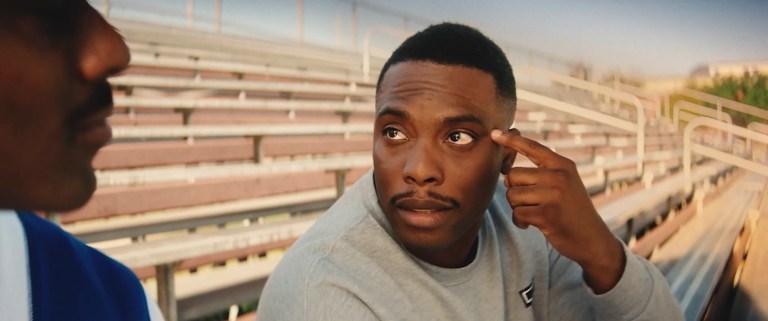
The Beast trailer wastes no time announcing its intent, opening with bone-crunching realism and a sense of danger that feels closer to a prison drama than a glossy sports movie. Every frame is steeped in sweat, blood, and desperation, signaling a film that wants to confront the uglier truths of violence rather than romanticize them. This is not a comeback story built on montages and swelling music; it’s a descent into survival, control, and consequence.
Russell Crowe’s presence dominates the trailer in a way that feels deliberately unsettling. He’s heavier, meaner, and far less interested in likability, projecting the kind of authority that suggests a man who has lived too long inside brutal systems to believe in clean victories. Even in brief moments, Crowe sells a character who understands MMA not as sport, but as leverage, using physical power and psychological intimidation with equal menace.
| # | Preview | Product | Price | |
|---|---|---|---|---|
| 1 |
![Beast (2022) - Collector's Edition [DVD]](https://m.media-amazon.com/images/I/51AQ2KkZFzL._SL160_.jpg)
|
Beast (2022) - Collector's Edition [DVD] | $2.80 | Buy on Amazon |
| 2 |

|
The Beast | $9.49 | Buy on Amazon |
| 3 |
|
The Beast (Two-Disc Special Extended Version) | $9.14 | Buy on Amazon |
| 4 |

|
BEAST, THE DVD | $9.99 | Buy on Amazon |
| 5 |

|
Beast - DVD | $17.98 | Buy on Amazon |
What truly jolts the trailer is how it frames mixed martial arts as both spectacle and weapon. The cage isn’t treated like a path to glory, but a pressure cooker where trauma, rage, and exploitation collide. The tone promises a film that leans hard into moral discomfort, positioning Beast as a bruising hybrid of fight drama and character study that aims to leave audiences shaken rather than inspired.
Russell Crowe in the Cage: Breaking Down His Character, Physicality, and Screen Presence
Crowe’s turn in Beast feels engineered to challenge every expectation audiences bring with them. This isn’t the righteous warrior or tragic hero he’s played before, but a figure shaped by control, intimidation, and survival instincts sharpened over decades. The trailer positions him less as a protagonist and more as an immovable force inside the story’s moral gray zone.
Recommended Free Tools
#1 Best Overall
A Character Built on Authority, Not Sympathy
What’s striking about Crowe’s character is how little the film seems interested in making him likable. He carries himself like a man who understands hierarchy instinctively, someone who knows exactly how violence functions within systems of power. Every line delivery in the trailer suggests calculation rather than emotion, as if he’s always three steps ahead of the people sharing the cage with him.
The character’s relationship to MMA appears transactional, almost predatory. Fighting isn’t a passion or a path to redemption; it’s a tool, a currency, and occasionally a punishment. That framing immediately separates Beast from traditional fight dramas and places Crowe at the center of something far more corrosive.
Physicality That Feels Weaponized
Crowe’s physical transformation isn’t about shredded aesthetics or athletic showmanship. He’s heavier, broader, and deliberately intimidating, using mass and presence rather than speed or flash. In the trailer’s brief fight beats, his movements feel efficient and punishing, closer to controlled brutality than sport.
There’s a grounded realism to how his body is used on screen. He looks like someone who knows how to hurt people in confined spaces, which makes the cage setting feel genuinely dangerous. The film seems intent on showing what that kind of power looks like when it’s stripped of glamour.
What’s actually slowing this PC down?
Pick the symptom - the matching free tool is one click away.
Screen Presence That Dominates the Cage
Even when he’s standing still, Crowe commands attention. The camera lingers on his face, letting small expressions and cold stares do most of the work. It’s the kind of presence that makes other characters feel smaller, reinforcing the idea that the cage isn’t just a fighting arena, but a psychological battlefield.
The trailer suggests Beast is betting heavily on Crowe’s ability to unsettle rather than inspire. His performance looks designed to make audiences uncomfortable, forcing them to sit with the consequences of violence instead of cheering it. That choice alone signals a film aiming for impact over crowd-pleasing heroics, with Crowe anchoring every uneasy moment.
Inside the MMA World: How the Trailer Frames Combat, Training, and Fight Culture
The trailer’s vision of MMA is stripped of spectacle and prestige. There are no roaring slow-motion walkouts or glossy championship belts lingering in frame. Instead, Beast presents the fight world as industrial, transactional, and unforgiving, a place where bodies are commodities and violence is managed like labor.
A Cage Built for Damage, Not Glory
Every glimpse of combat in the trailer emphasizes proximity and consequence. The camera stays tight, often uncomfortably close, capturing clinches, elbows, and ground pressure rather than wide, showy combinations. It suggests a film more interested in how fights feel than how they look.
There’s also a notable absence of celebration. Wins don’t read as triumphs, and losses aren’t treated as moral lessons. The cage functions as a pressure chamber, where damage accumulates and no one leaves unchanged.
Training as Attrition, Not Inspiration
The training sequences teased in the trailer feel punishing rather than motivational. Sweat-drenched gyms, harsh lighting, and repetitive drills replace the usual inspirational montages associated with sports dramas. The emphasis is on endurance and obedience, not self-discovery.
Crowe’s presence within these spaces reframes training as preparation for control, not competition. The trailer implies that fighters aren’t being built to win belts, but to serve a system that values durability and compliance above all else.
Rank #2
- Special Features include Digitally Mastered Audio & Video
- Bonus Trailers * Talent Files
- Dolby Surround Sound in English, French, Spanish and Portuguese
- Subtitles in English, French, Spanish, Portuguese, Chinese, Korean and Thai
- Interactive Menus and Scene Selection.
Promoters, Power, and the Business of Violence
Beast also hints at a deeper examination of MMA’s power structures. Promoters and handlers are framed less like mentors and more like overseers, quietly pulling strings from the edges of the cage. Contracts, favors, and consequences loom just as large as physical matchups.
This framing aligns with the film’s darker tone, positioning MMA as an ecosystem where exploitation is normalized. The trailer suggests the real battles may happen outside the cage, where leverage and influence determine who fights, who gets paid, and who gets discarded.
A Fight Culture Without Illusions
What ultimately stands out is how little romance the trailer attaches to fight culture. There’s respect for the discipline, but none for the mythology. Fighters are shown as resilient, yes, but also trapped within a cycle that rewards suffering more than skill.
By presenting MMA this way, Beast signals that it’s less interested in celebrating the sport than interrogating it. The trailer frames combat as a reflection of larger systems of power and survival, setting expectations for a film that treats fight culture as something to be examined, not idealized.
Story Signals and Stakes: What the Trailer Reveals (and Hides) About the Plot
The Beast trailer is deliberately evasive about traditional plot beats, opting instead to communicate its story through mood, power dynamics, and escalating consequences. Rather than spelling out a rise-and-fall arc, it frames the narrative as a slow tightening of pressure around its fighters. Every cut suggests that survival, not victory, is the central objective.
Quick wins for a faster PC:
Scan for outdated or missing drivers - takes under a minuteDriver Scan →Clear out junk files and repair common Windows errorsFree Scan →What’s clear is that this isn’t a rags-to-riches climb or a comeback tale. The trailer signals a story built around entrapment, where once a fighter steps into this world, escape becomes increasingly costly.
Russell Crowe’s Role as the Axis of Control
Russell Crowe’s character appears less like a single antagonist and more like the gravitational center of the film. The trailer positions him as a gatekeeper, someone who decides who fights, who eats, and who gets broken in the process. His scenes are quiet but heavy, suggesting authority that doesn’t need to announce itself.
Crowe’s performance reads as controlled, watchful, and deeply pragmatic. The trailer withholds his full motivations, but it makes one thing clear: he understands the system better than anyone else, and he’s willing to weaponize that knowledge. The stakes rise not because he’s volatile, but because he’s patient.
The Fighter’s Dilemma: Choice Versus Consequence
At the heart of Beast appears to be a central fighter, or group of fighters, forced to navigate a shrinking set of options. The trailer hints at decisions made under duress, contracts signed out of desperation, and fights taken because there is no alternative. Winning buys time, not freedom.
Free tools Windows power users keep installed
One-click scans. No signup required.
Losses, meanwhile, seem to carry consequences that extend far beyond the cage. The trailer suggests physical damage is only part of the cost, with personal relationships, autonomy, and identity all at risk. The film appears more interested in what fighters sacrifice to stay afloat than what they gain from success.
What the Trailer Refuses to Explain
Notably absent are clear end goals, championship stakes, or a defined antagonist-fighter rivalry. The trailer avoids revealing whether there’s a breakout star, a rebellion against the system, or a moral reckoning waiting at the end. That restraint feels intentional, reinforcing the idea that this world doesn’t offer clean resolutions.
Rank #3
By hiding its final shape, Beast positions itself as unpredictable and potentially unforgiving. The trailer suggests a story where the system doesn’t get toppled easily, if at all, and where endurance may be the only measurable victory. For audiences, that ambiguity raises the stakes, promising a fight film that values tension and consequence over catharsis.
Themes Beneath the Violence: Redemption, Survival, and the Cost of Brutality
Redemption Isn’t a Comeback Story
If Beast is about redemption, the trailer frames it as something grim and transactional rather than inspirational. Fighters aren’t chasing belts or glory; they’re chasing the chance to undo past mistakes one round at a time. Every punch feels like interest paid on an old debt.
Russell Crowe’s presence sharpens that theme. His character doesn’t offer absolution, only opportunity, and even that comes with conditions. Redemption here isn’t granted through triumph, but through endurance, the ability to keep standing when the film’s world keeps trying to grind you down.
Survival as a Business Model
The MMA setting in Beast isn’t romanticized as a pure sport. The trailer frames it as an ecosystem where survival is monetized and pain is a resource. Fighters are assets, and longevity matters less than what they can extract from a body before it breaks.
Crowe’s gatekeeper role reinforces that reality. He operates like a quiet architect of survival, deciding who gets another payday and who fades out. The implication is unsettling: staying alive in this world means accepting exploitation as the cost of entry.
The Lingering Cost of Brutality
What lingers after the hits land is where Beast seems most interested. The trailer lingers on aftermaths, bruised bodies, strained silences, and the psychological toll that doesn’t reset when the bell rings. Violence isn’t framed as spectacle alone, but as something that reshapes identity.
That perspective sets the film apart from more traditional fight dramas. The damage carries forward, following characters outside the cage and into their personal lives. Beast suggests that brutality always leaves a residue, and no amount of winning can fully wash it away.
Direction and Style: Cinematography, Fight Choreography, and the Film’s Raw Aesthetic
If the themes of Beast promise bruises that last beyond the final bell, the direction and style make sure the audience feels every one of them. The trailer positions the film as grounded, abrasive, and deliberately uncomfortable, a sharp turn away from glossy fight-movie polish. Everything about its presentation suggests a story meant to be endured as much as watched.
A Grit-First Visual Language
The cinematography leans hard into shadow, sweat, and claustrophobic framing. Cages feel smaller than regulation, locker rooms feel airless, and even exterior shots carry a muted, desaturated palette that drains any sense of escape. This isn’t a world bathed in underdog optimism, but one where light itself feels rationed.
Handheld camera work dominates the fight footage teased in the trailer, placing the viewer uncomfortably close to the action. Instead of clean, broadcast-style angles, the lens often feels trapped inside the cage, scrambling to keep up as bodies collide. The effect is immersive and anxious, emphasizing chaos over clarity.
The Tool Desk
Outbyte Driver Updater FREEScan for outdated or missing drivers - takes under a minuteDriver Scan →Outbyte PC Repair FREERepair Windows errors before they cause bigger problemsFix Now →Fight Choreography That Prioritizes Damage Over Flash
Beast appears to reject stylized MMA spectacle in favor of something more punishing. The choreography shown is messy, ugly, and brutally efficient, with an emphasis on ground-and-pound, clinch work, and exhaustion rather than highlight-reel knockouts. Fighters don’t glide; they grind.
Rank #4
- BEAST, THE (DVD MOVIE)
Hits land with weight, and the trailer makes a point of showing how long it takes characters to recover, if they recover at all. This approach aligns the action with the film’s thematic core, where violence is transactional and every exchange costs something. The choreography isn’t designed to impress so much as to convince.
Russell Crowe as a Physical and Tonal Anchor
Crowe’s performance, even in brief glimpses, appears central to the film’s aesthetic discipline. He moves with a heavy, deliberate presence that mirrors the movie’s pacing, grounding the chaos around him. When he’s in a scene, the energy shifts from explosive to oppressive.
Visually, Crowe is often framed as an immovable object, looming at the edges of the cage or watching from behind barriers. The direction uses him as a stabilizing force, a reminder that while fighters come and go, the system remains. His physicality reinforces the sense that Beast is less about individual glory and more about the machinery that feeds on it.
Do these 3 things before closing this tab:
1Scan for outdated or missing drivers - takes under a minute2Repair Windows errors before they cause bigger problems3Fix the driver behind crashes, sound loss and screen glitchesA Rawness That Feels Intentional, Not Exploitative
What ultimately defines Beast’s style is restraint. The trailer resists over-editing, avoids pulse-pounding music cues during key moments, and lets silence linger after violence. That choice gives the film a documentary-adjacent texture, blurring the line between narrative drama and observational realism.
This raw aesthetic won’t be for everyone, but it clearly knows its audience. For viewers tired of sanitized sports dramas, Beast looks poised to deliver something harsher and more honest. It’s a film that wants you to feel the weight of every frame, not just cheer when someone’s hand is raised.
Independent reader supportYour contribution helps us test, update, and keep practical guides available for everyone.Comparisons and Influences: Where ‘Beast’ Fits in the MMA and Sports-Drama Landscape
Beast arrives with a clear understanding of the sports-drama lineage it’s stepping into, and the trailer makes no attempt to disguise its influences. What’s striking is how deliberately it positions itself away from glossy crowd-pleasers and closer to the bruising, character-first end of the spectrum. This is not about victory laps or inspirational montages; it’s about cost.
The film seems less interested in the romance of combat than in the ecosystem surrounding it, placing Beast in a space where MMA is both opportunity and trap. That framing instantly separates it from more conventional underdog narratives.
Outdated Drivers Are Slowing You Down
One free scan finds every outdated or missing driver and matches the right update for your exact hardware.Free scan · exact hardware matchWindows Errors? Fix Them Before They Spread
Repair common Windows errors and clear accumulated junk for a smoother, more stable PC - no reinstall needed.Free scan · no reinstallCloser to Warrior Than Never Back Down
The most obvious comparison is Warrior, Gavin O’Connor’s 2011 MMA drama that treated fighting as emotional reckoning rather than spectacle. Like Warrior, Beast appears to use the cage as a pressure cooker, forcing unresolved personal and systemic conflicts to collide under unforgiving rules. The emphasis on exhaustion, damage, and emotional fallout feels very much in that tradition.
Where Beast diverges is in scale and perspective. Instead of focusing primarily on fighters’ inner lives, the trailer suggests a broader look at the industry itself, with Crowe’s character looming as part mentor, part gatekeeper. It’s less about brother-versus-brother catharsis and more about who controls the doors to survival.
Echoes of The Fighter, Southpaw, and Foxcatcher
There are also shades of The Fighter and Southpaw in the way Beast frames punishment as cumulative and irreversible. Bodies don’t reset between rounds or scenes; damage lingers, shaping decisions and shortening futures. The trailer’s refusal to glamorize comeback arcs reinforces that lineage.
At its coldest moments, Beast even flirts with Foxcatcher territory, particularly in how authority figures are portrayed. Power isn’t inspirational here; it’s transactional, isolating, and quietly predatory. Russell Crowe’s presence amplifies that unease, suggesting control without sentimentality.
Free tools Windows power users keep installed
One-click scans. No signup required.
Best Value
Russell Crowe and the Million Dollar Baby Parallel
Crowe’s role inevitably invites comparison to Clint Eastwood in Million Dollar Baby, but Beast appears far less sentimental. Where Eastwood’s character was shaped by regret and reluctant compassion, Crowe’s feels defined by permanence and acceptance of the system’s brutality. He doesn’t flinch at what the sport takes; he expects it.
That distinction matters. It positions Beast as a film less interested in moral rescue and more focused on survival within an unforgiving structure. Crowe isn’t there to save fighters from themselves; he’s there to remind them what the game actually costs.
Positioned for Fans of Grit-First Sports Cinema
In the broader sports-drama landscape, Beast looks primed to appeal to viewers who gravitated toward The Wrestler, Bruised, or even documentary-style MMA storytelling. The trailer’s stripped-down presentation suggests confidence that authenticity, not uplift, is the hook. It trusts the audience to sit with discomfort.
For MMA fans in particular, Beast signals respect for the sport’s realities without turning them into spectacle. That puts it in a smaller, more serious corner of the genre, but one that has consistently produced the most enduring and talked-about films.
PC Slower Than It Used to Be?
A free scan shows the junk files, broken settings and background clutter dragging Windows down - then fixes them in one click.Free scan · Windows 10 & 11Outdated Drivers Are Slowing You Down
One free scan finds every outdated or missing driver and matches the right update for your exact hardware.Free scan · exact hardware matchWho This Movie Is For: Audience Appeal, Expectations, and Early Buzz After the Trailer
Beast is clearly not chasing the widest possible audience, and that’s part of its appeal. The trailer signals a film made for viewers who want weight, consequence, and atmosphere over inspirational speeches and last-minute victories. It’s positioning itself as a bruising experience rather than a crowd-pleasing one, and the early response suggests that clarity is resonating.
For Fans of Russell Crowe’s Darker, Commanding Roles
If you’re drawn to Russell Crowe at his most imposing and morally complex, Beast looks like a must-watch. The trailer leans heavily on his physical presence and quiet authority, presenting a character who dominates every room without raising his voice. This is closer to Crowe’s work in The Proposition or A Beautiful Mind’s colder edges than his heroic turns, and that distinction has sparked intrigue among longtime fans.
Crowe doesn’t appear interested in likability here, and that’s generating early buzz. Viewers are responding to the sense that he’s playing a man who understands violence as infrastructure, not tragedy. It’s a performance that promises control, not redemption.
MMA Fans Craving Authenticity Over Spectacle
For MMA followers, Beast looks designed to feel uncomfortably familiar. The trailer emphasizes gyms that feel worn-in, fighters who look depleted rather than sculpted, and bouts that unfold with grim efficiency. There’s little sense of pageantry, which immediately separates it from more commercial fight films.
The Tool Desk
Outbyte PC Repair FREEClear out junk files and repair common Windows errorsFree Scan →Outbyte Driver Updater FREEScan for outdated or missing drivers - takes under a minuteDriver Scan →Early reactions online suggest appreciation for that grounded approach. The choreography shown isn’t flashy, but it appears deliberate and punishing, aligning more with real MMA pacing than cinematic exaggeration. That commitment to realism could make Beast a quiet favorite among hardcore fight fans.
Action-Drama Viewers Expecting Emotional Cost, Not Escape
Beast is likely to appeal most to viewers who value emotional endurance over escapism. The trailer makes it clear that victories, if they exist at all, come with lasting damage. This is a film about systems that grind people down, not individuals who magically rise above them.
That tone has shaped expectations in a specific way. Audiences going in are already bracing for something heavy, restrained, and unresolved, which helps the film avoid the backlash that often greets misleading sports dramas. Beast knows what it is, and it’s telling viewers upfront.
Early Buzz Points to a Cult-Favorite Trajectory
The trailer’s reception suggests Beast may not dominate mainstream conversation, but it could linger longer than flashier releases. Social media chatter has focused on mood, Crowe’s presence, and the film’s refusal to soften its edges. That kind of response often signals a slow-burn hit rather than an opening-weekend sensation.
Ultimately, Beast feels engineered for an audience that wants its sports cinema stripped of illusion. The trailer promises a film that respects the brutality of MMA, the intelligence of its viewers, and the weight of choices that can’t be undone. If it delivers on that promise, Beast could carve out a lasting place in the gritty, prestige corner of action drama.
Quick Recap
Product prices and availability are accurate as of the date/time indicated and are subject to change. Any price and availability information displayed on Amazon at the time of purchase will apply.