What’s actually slowing this PC down?
Pick the symptom - the matching free tool is one click away.
Arunachal Pradesh’s literature is a multilingual collection of oral traditions and written documentation, not a single state-wide canon. Songs, tales, myths, proverbs, prayers and lullabies belong to particular communities and languages; research publications and children’s reading materials preserve selected examples in print. “Bards” is an evocative image for oral performance, but the available accounts do not establish that every tradition is performed by specialist bards.
What counts as literature in Arunachal Pradesh?
Oral literature is central to the picture: knowledge and creative expression passed through spoken forms, including songs and stories. The Sahitya Akademi Centre for Oral and Tribal Literature names “epics, plays, songs, stories, narratives, proverbs, and aphorisms” among India’s oral traditions. That broad list offers useful context, but it is not a complete inventory of Arunachal Pradesh’s traditions.
| # | Preview | Product | Price | |
|---|---|---|---|---|
| 1 |

|
Religious History of Arunachal Pradesh | $22.31 | Buy on Amazon |
| 2 |

|
Tagins of Arunachal Pradesh | $27.71 | Buy on Amazon |
| 3 |

|
Arunachal Pradesh and the Tribes: A Select Bibliography | $2.99 | Buy on Amazon |
| 4 |
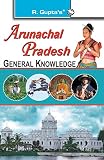
|
Arunachal Pradesh General Knowledge | $15.99 | Buy on Amazon |
For Arunachal, the documented material is best understood through three connected strands: community traditions, language-specific research, and publications that make selected material available to readers. The sources identify examples rather than a comprehensive survey, and they do not support ranking one community’s literature above another’s.
Which genres and languages appear in the record?
State Philological Section projects show how varied the documentation is. They include language guides and dictionaries as well as work on proverbs and sayings, religious prayers, and lullabies. The named language and community contexts include Bangru, Tawang Monpa, Lihs-Chung Monpa, Adi, Tangsa, Tagin, Apatani, Nyishi, Idu Mishmi, Nocte and Galo.
#1 Best Overall
- Religious History of Arunachal Pradesh
- Product Type: ABIS_BOOK
These are distinct kinds of material: a dictionary or phrase book supports language learning and reference; a prayer collection or lullaby records a particular genre; and a collection of proverbs or tales preserves other forms of expression. Community names and language names should not be treated as interchangeable labels, and each publication reflects its own scope.
How are oral traditions being documented?
The Directorate of Research says its Philological Section began documenting Indigenous languages through phrase books, language guide books and dictionaries in 1960. Its page reports 42 books and two manuscripts in process of printing, including an Adi dictionary by Kabuk Pertin and a writing system for Idu Mishmi by Jimi Pulu. It also lists work on Bangru, Tawang Monpa sound systems, Lihs-Chung Monpa, Adi-to-English dictionary material, proverbs and language threats. These figures and project descriptions are the department’s account; they are not a statewide count of oral works or a measure of how many languages are at risk. See the Directorate’s Philological Section description.
Rank #2
The department’s Culture section identifies folk life and culture as research areas and includes oral literature among its projects. Its pages give two publication totals that should be kept separate: one says 100 books on ethnographic and specialized studies had been prepared and published, without dating that figure; another reports 150 books and booklets as of March 2018. The pages do not explain whether the totals count the same categories or reflect different updates. The department’s Culture page provides its account of this work.
How does oral literature reach young readers?
The Government of India education repository’s Orchid Series presents short folk tales labelled by community. Examples in its contents include “The Two Mountains” (Tagin), “Kilum & Kiko” (Galo), “The Dog and The Pig” (Adi), “At the Shrine” (Mishmi), “The clever frog” (Monpa), “Reading” (Nyishi), “Two Friends” (Apatani), and “The Frog and the Leopard” (Monpa). The contents also name Tangsha, Sherdukpen, Khampti, Singpho and Sajolang/Miji traditions.
Recommended Free Tools
This is one educational route into selected stories, not evidence that the series represents every tradition or that its educational impact has been measured. The repository PDF says an impact assessment is yet to be conducted. Read the Orchid Series contents and report.
Independent reader supportYour contribution helps us test, update, and keep practical guides available for everyone.Where can readers begin exploring?
The Directorate of Research catalogue is a discovery list of state-published titles, not confirmation that a book is currently in stock or available online. It names works across genres and communities:
- Oral literature of A.P. by Dr. B.B. Pandey
- Adi Folk Songs and Adi Proverbs and saying by Tayeng
- Myths & Tales of the Nishis by Dr. D.K. Bora
- Folk songs of Arunachal Pradesh by Dr. B.B. Pandey
- Idu Mishmis Proverbs and saying by J. Pulu
- Oral Literature of Tagins by N. Mitkong
Rajiv Gandhi University course material offers further bibliography leads, including B. B. Pandey’s Oral Literature of Arunachal Pradesh: Creation of Universe (1999), Obang Tayang’s Folk Tales of the Adis (2003), and the edited volume Folk Culture and Oral Literature from North-East India (2004). These references establish that the works appear in course material, not that a particular edition is currently for sale. Browse the state publication catalogue and consult the RGU course material.
Why preservation matters—and what is not yet known
Sahitya Akademi’s Centre for Oral and Tribal Literature links risks to oral traditions with weak institutional support and interrupted transmission between generations. It describes archiving oral texts in audio and audiovisual formats alongside translations. This is the institution’s preservation framework, not a measured Arunachal-specific loss rate.
The sources cited here establish neither a statewide count of oral works nor a count of speakers, languages at risk, or transmission rates for Arunachal Pradesh. They document selected projects, books and educational materials. Their value lies in making particular traditions visible while leaving room for further community-led recording and documentation. Sahitya Akademi’s Centre for Oral and Tribal Literature provides its national context on oral traditions and preservation.
Quick Recap
Product prices and availability are accurate as of the date/time indicated and are subject to change. Any price and availability information displayed on Amazon at the time of purchase will apply.




