Do these 3 things before closing this tab:
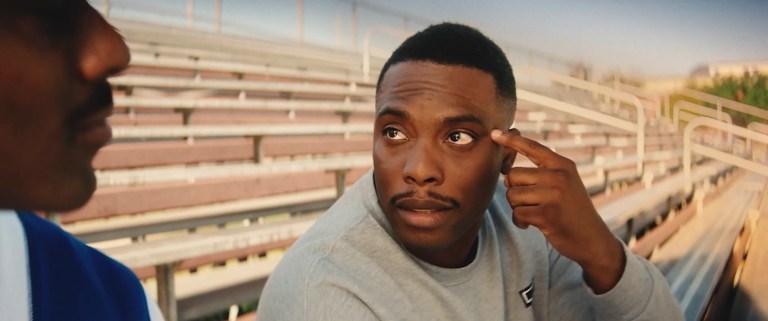
1Repair Windows errors before they cause bigger problems2Fix the driver behind crashes, sound loss and screen glitches3Clear out junk files and repair common Windows errorsA slick, cinematic live-action version of The Simpsons starring Adam Sandler doesn’t sound like something Fox or Disney would quietly drop online—but that’s exactly why the trailer exploded across social media. The video presents Springfield as a real-world suburb and reimagines the long-running animated family as flesh-and-blood comedy icons, with Sandler positioned front and center as Homer Simpson. It feels big, expensive, and oddly plausible, which is precisely the point.
The trailer is a fan-made concept, not an official studio announcement, designed to explore what a live-action Simpsons movie could look like if Hollywood ever took that leap. It stitches together footage from existing films, subtle visual effects, and carefully chosen casting ideas to sell the illusion of a real adaptation. The goal isn’t to fool audiences forever, but to spark conversation—and it has succeeded spectacularly.
| # | Preview | Product | Price | |
|---|---|---|---|---|
| 1 |

|
Simpsons Rare Collectors Edition DVD Box Sets Seasons 1-10 + the Simpsons Movie | $699.90 | Buy on Amazon |
| 2 |

|
The Simpsons: Season 1 | $48.99 | Buy on Amazon |
| 3 |

|
The Simpsons Complete Series Ultimate Collection Seasons 1-17 & Season 20 | $699.90 | Buy on Amazon |
| 4 |

|
The Simpsons: Season 10 | $41.99 | Buy on Amazon |
From Viral Fan Edit to Internet Phenomenon
The concept trailer originated from a popular fan-editing channel known for producing high-end “what if” Hollywood scenarios, often blending AI-assisted visuals with traditional editing techniques. These creators specialize in packaging speculative casting and familiar IP into trailers that look studio-ready at a glance, even while clearly living outside official development pipelines. In this case, The Simpsons’ cultural familiarity makes the illusion especially potent.
Adam Sandler’s casting as Homer is the engine of the trailer’s viral appeal. His comedic persona, history with absurdist characters, and long-standing relationship with major studios make the idea feel less like fantasy casting and more like a hypothetical Hollywood pitch. The rest of the ensemble follows that same logic, stacking recognizable comedy and prestige names in ways that feel engineered to trigger fan debates rather than announce a real production.
Recommended Free Tools
#1 Best Overall
- The SIMPSONS MOVIE Not Included
Importantly, there is no official backing from Disney, Fox, or the creators of The Simpsons, and no indication that a live-action adaptation is in development. What the trailer does have is timing, polish, and a deep understanding of how modern fandom engages with franchise speculation. In an era where concept content can travel faster than studio press releases, this Simpsons trailer exists as entertainment, conversation starter, and cultural experiment all at once.
Adam Sandler as Homer Simpson: Why the Casting Instantly Went Viral
On paper, Adam Sandler as Homer Simpson sounds like an internet joke. In motion, within the slickly edited live-action concept trailer, it suddenly feels uncannily right. Sandler’s blend of childish chaos, wounded sincerity, and working-class frustration maps almost too neatly onto Homer’s DNA, making the casting click within seconds of screen time.
A Comedy Persona That Mirrors Homer’s Core
Homer Simpson has always been more than a buffoon; he’s a lovable screw-up whose emotional swings are played big but land sincere. Sandler has spent decades mastering that exact tonal balance, from Billy Madison to Happy Gilmore to the surprisingly grounded turns in films like Punch-Drunk Love. The trailer leans into that history, suggesting a Homer who’s ridiculous, explosive, and oddly heartfelt in the same breath.
Visually, the casting also works better than expected. Sandler’s expressive face, physical comedy instincts, and comfort with exaggerated reactions translate smoothly into a live-action approximation of Homer’s cartoon energy. The concept doesn’t aim for literal accuracy, but emotional recognition, and that’s where the idea takes hold.
Hollywood Plausibility Fuels the Buzz
What truly pushed the casting into viral territory is how plausible it feels within modern studio logic. Sandler maintains a long-standing relationship with major distributors, including Netflix and Sony, and has proven his ability to anchor both broad comedies and unexpected prestige projects. In other words, this isn’t fantasy casting built on vibes alone; it resembles the kind of left-field yet marketable decision Hollywood actually makes.
Fans immediately recognized that tension between absurdity and realism. Social media reactions didn’t just joke about the idea, they debated it, dissected it, and imagined how Sandler’s Homer might differ from the animated original. That shift from mockery to speculation is the clearest sign the concept landed.
Instant Recognition, Instant Conversation
The moment Sandler appears as Homer in the trailer, the audience understands the pitch without explanation. It’s familiar enough to feel safe, strange enough to feel fresh, and bold enough to demand a reaction. That combination is viral oxygen, especially when attached to one of the most recognizable animated characters in television history.
Crucially, the trailer never pretends this casting is official, and that transparency actually strengthens the response. Viewers feel invited into the thought experiment rather than sold a false announcement. Adam Sandler as Homer Simpson isn’t a real movie role, but as a piece of speculative casting, it’s precise, provocative, and engineered to live rent-free in fandom discourse.
What’s actually slowing this PC down?
Pick the symptom - the matching free tool is one click away.
Breaking Down the All-Star Comedy Cast and Their Simpsons Counterparts
Beyond Adam Sandler’s headline-grabbing turn as Homer, the live-action Simpsons concept trailer leans heavily into recognizable comedy talent to sell the illusion. The casting choices aren’t about perfect physical matches, but about capturing the emotional shorthand audiences already associate with these performers. That instinctive recognition is what makes the trailer feel oddly convincing, even as a purely fan-driven exercise.
Adam Sandler as Homer Simpson
Sandler’s Homer is the gravitational center of the concept, and the trailer wisely builds everything around his comic rhythms. His blend of childish impulsiveness, bruised masculinity, and surprising vulnerability aligns closely with Homer’s later-season characterization. It feels less like imitation and more like a live-action remix of traits Sandler has been refining for decades.
Jennifer Aniston as Marge Simpson
The concept trailer pairs Sandler with Jennifer Aniston as Marge, a choice that immediately signals mainstream studio appeal. Aniston’s screen persona brings warmth, patience, and quiet authority, qualities essential to grounding Homer’s chaos. Rather than exaggerating Marge’s cartoon oddness, the casting imagines her as the emotional anchor of a very strange household.
Bill Hader as Ned Flanders
Bill Hader’s imagined take on Ned Flanders is one of the trailer’s most inspired swings. Known for toggling between wholesome charm and unhinged intensity, Hader fits a modern interpretation of Flanders that leans into suppressed weirdness beneath relentless positivity. Fans responded quickly to this choice, seeing it as both funny and unsettling in the right Simpsons way.
Quick wins for a faster PC:
Repair Windows errors before they cause bigger problemsFix Now →Fix the driver behind crashes, sound loss and screen glitchesFind Drivers →Clear out junk files and repair common Windows errorsFree Scan →Seth Rogen as Barney Gumble
Seth Rogen as Barney feels almost inevitable, which is precisely why it works. His gravelly voice, slacker energy, and long-standing association with lovable burnout characters slot neatly into Barney’s tragic-comic role. It’s a piece of casting shorthand that requires no explanation and lands instantly with audiences.
Danny DeVito as Moe Szyslak
Danny DeVito stepping in as Moe adds a layer of meta-textual fun to the concept, especially given his existing ties to The Simpsons universe. His mastery of abrasive, self-loathing characters makes him a natural fit for Springfield’s most miserable bartender. Even in brief glimpses, the casting sells Moe as both cartoonishly cruel and weirdly sympathetic.
The Kids and the Challenge of Translation
The trailer is more cautious with Bart, Lisa, and the rest of the younger characters, often keeping them at the edges or in quick cuts. That restraint is intentional, acknowledging how difficult it is to translate the kids’ exaggerated designs and voices into live action without tipping into parody. By focusing the spotlight on the adult ensemble, the concept plays to its strengths and avoids the uncanny pitfalls fans are quick to criticize.
Taken together, the cast functions like a proof of concept for how a live-action Simpsons might work tonally rather than literally. Every choice emphasizes emotional familiarity over visual accuracy, inviting viewers to imagine performances instead of costumes. It’s a fantasy lineup, but one calibrated carefully enough to spark serious conversation about what a studio-backed version could look like, if it ever dared to exist.
Why These Casting Choices Resonate With Fans (And Comedy History)
What makes this concept trailer click isn’t just star power, but how deliberately it taps into decades of shared comedy language. The casting feels less like random celebrity placement and more like a curated remix of American comedy eras that Simpsons fans already understand intuitively. It’s comfort food casting with a self-aware edge.
Rank #2
- Factory sealed DVD
Adam Sandler as the Emotional Anchor
Placing Adam Sandler at the center immediately reframes the project’s tone. Sandler’s career-long balance of childish absurdity and surprising sincerity mirrors the emotional engine that made Homer Simpson more than a punchline. Fans aren’t responding to a visual match so much as the idea that Sandler knows how to play a man who is selfish, loving, infuriating, and oddly profound all at once.
There’s also nostalgia at work. Sandler represents a generation of comedy that grew up alongside The Simpsons, making his presence feel like a full-circle moment rather than stunt casting. For many viewers, that shared cultural timeline does a lot of the heavy lifting.
A Comedy Ensemble Built on Familiar DNA
Beyond Sandler, the broader cast pulls from overlapping comedy ecosystems: SNL alumni, Judd Apatow regulars, prestige TV oddballs, and character-actor royalty. These performers are already fluent in heightened reality, which is essential for a world like Springfield. Fans recognize that fluency instantly, even in a fan-made context.
There’s comfort in knowing these actors have spent years playing characters who are both exaggerated and emotionally grounded. That’s the same tonal tightrope The Simpsons has walked since its early seasons, and it’s why the casting feels credible rather than chaotic.
Meta Humor That Rewards Longtime Fans
Several choices land because they acknowledge The Simpsons as a show about pop culture as much as a part of it. Casting actors who have either appeared on the animated series before or who carry strong comedic personas adds a layer of meta-humor without needing a single line of dialogue. Fans enjoy feeling in on the joke.
That self-awareness is crucial. The trailer isn’t pretending this is a literal translation of yellow skin and bulging eyes into flesh and blood. It’s offering an interpretation that understands how deeply The Simpsons has always been in conversation with Hollywood itself.
Why This Works as a Concept, Not a Gimmick
Importantly, audiences seem to understand this for what it is: a polished, imaginative concept rather than a stealth pitch for an unannounced studio project. The casting choices respect the characters, the performers, and the audience’s intelligence, which is why the trailer spread so quickly. It invites discussion instead of demanding belief.
The Tool Desk
Outbyte PC Repair FREERepair Windows errors before they cause bigger problemsFix Now →Outbyte Driver Updater FREEScan for outdated or missing drivers - takes under a minuteDriver Scan →By leaning into comedy history instead of chasing realism, the trailer positions itself as a love letter to The Simpsons’ legacy. Fans aren’t asking whether this exact cast will ever be official; they’re reacting to how right it feels emotionally. And in a franchise built on feeling understood, that resonance goes a long way.
Tone, Visual Style, and Nostalgia: How the Trailer Sells a Live-Action Springfield
A Balancing Act Between Absurdity and Sincerity
What immediately works about the trailer is its confidence in tone. It doesn’t chase gritty realism or parody the idea of live action for cheap laughs. Instead, it lands in that familiar Simpsons sweet spot where the world is exaggerated, but the emotions are sincere enough to ground the joke.
That tonal balance is reinforced by Adam Sandler’s central presence. His comedic persona naturally oscillates between childish absurdity and surprising warmth, which mirrors the emotional rhythm of early Simpsons seasons. Even without dialogue, the trailer signals that this Springfield would be funny first, not ironic.
A Springfield That Feels Lived-In, Not Literal
Visually, the trailer avoids the most obvious trap: hyper-faithful recreation. Rather than recreating cartoon frames shot-for-shot, it presents a slightly heightened version of middle-American suburbia. The colors are warmer, the spaces are familiar, and the oddness creeps in through composition rather than prosthetics.
Locations evoke the spirit of Springfield without screaming for recognition. The power plant looks plausibly industrial instead of cartoonishly ominous, Moe’s feels dingy in a way that exists in the real world, and the Simpsons’ home feels like a memory rather than a replica. It’s interpretation over imitation, which makes the concept easier to accept.
Costumes, Character, and Knowing When to Stop
Costuming is intentionally restrained. Characters aren’t painted yellow or exaggerated into uncanny caricatures, and that restraint sells the illusion more than accuracy ever could. The trailer trusts the audience to connect dots based on silhouette, posture, and performance rather than literal visual translation.
That choice signals intelligence. It understands that nostalgia works best when it’s suggested, not forced. By letting viewers recognize characters through behavior and context, the trailer invites emotional participation instead of passive recognition.
Nostalgia as Emotional Texture, Not Brand Exercise
Perhaps the trailer’s biggest success is how it uses nostalgia as atmosphere rather than product. Musical cues, framing choices, and pacing echo the feeling of watching classic Simpsons episodes without directly quoting them. It feels remembered rather than replicated.
Free tools Windows power users keep installed
One-click scans. No signup required.
That’s why the concept resonates even with fans who would normally resist a live-action adaptation. The trailer doesn’t argue that The Simpsons needs to be remade; it simply explores what it might feel like if it existed alongside us. As a fan-made piece with no official studio backing, that gentle, reverent approach is exactly what allows the idea to flourish online without backlash.
Is This an Official Project? Clearing Up Studio Involvement and Fan-Made Origins
As convincing as the trailer looks, it’s important to set expectations straight: this is not an official project from Disney, 20th Television, or any studio connected to The Simpsons. There is no live-action Simpsons movie or series currently in development, and Adam Sandler is not attached to portray Homer Simpson in any real capacity. What’s circulating online is a high-quality fan-made concept, designed to spark imagination rather than announce production.
Who Actually Made the Trailer?
The trailer originates from the growing ecosystem of fan editors and concept artists who specialize in “what if” Hollywood scenarios. Using a mix of existing film clips, AI-assisted voice work, digital compositing, and original sound design, these creators build speculative trailers that feel studio-polished. It’s the same trend that’s produced viral fake trailers for projects like live-action Pixar films, retro superhero reboots, and alternate-universe casting experiments.
In this case, the craftsmanship is what’s causing confusion. The editing rhythm, color grading, and music choices mirror contemporary studio trailers closely enough that casual viewers might assume insider involvement. But there are no production logos, no studio credits, and no trade confirmations backing it up.
Crashes, No Sound, or Screen Glitches?
Random freezes, missing sound and display glitches usually trace back to one bad driver. Find and replace yours safely.Free scan · under a minuteWindows Errors? Fix Them Before They Spread
Repair common Windows errors and clear accumulated junk for a smoother, more stable PC - no reinstall needed.Free scan · no reinstallWhy Adam Sandler Keeps Showing Up in These Concepts
Sandler’s presence at the center of the trailer is a calculated piece of fan logic rather than insider casting intel. His comedy persona, everyman warmth, and long-standing relationship with animated features make him an easy mental bridge to Homer Simpson. Fans aren’t just casting voices; they’re casting energy, and Sandler’s screen history fits the emotional shorthand of the character surprisingly well.
The same thinking applies to the rest of the all-star lineup featured in the trailer. These are actors whose public personas align neatly with Simpsons archetypes, making the idea instantly legible even before logic kicks in. It’s fantasy casting with strong instincts, not leaked negotiations.
Why Studios Haven’t Touched Live-Action Simpsons
There’s also a practical reason this remains fan territory. The Simpsons is one of the most carefully protected animated brands in entertainment, and its longevity is tied directly to the medium it inhabits. A live-action adaptation would risk diluting that identity, especially when the animated series is still active and culturally relevant.
Disney has shown no indication that it wants to experiment with a live-action version, particularly when animation remains cheaper, safer, and creatively flexible. For now, concepts like this thrive precisely because they’re unofficial. They can take risks a studio never would.
Viral Buzz Without Studio Consequences
That unofficial status is also why the trailer has been embraced rather than rejected. Fans understand it as a love letter, not a corporate mandate. It exists in a sweet spot where nostalgia, curiosity, and imagination collide, without threatening to replace or overwrite the original.
In an era where franchise announcements are often met with skepticism, a fan-made concept can feel refreshingly consequence-free. Viewers get to debate the casting, share the idea, and move on, all without worrying that Springfield is about to change forever.
Independent reader supportYour contribution helps us test, update, and keep practical guides available for everyone.Why The Simpsons Live-Action Idea Keeps Coming Back in the Streaming Era
The timing of this concept trailer isn’t accidental. In the streaming era, legacy IP has become both comfort food and content fuel, and few brands feel as endlessly adaptable as The Simpsons. When audiences see franchises like One Piece, Avatar: The Last Airbender, and Scooby-Doo jump formats, the idea of Springfield going live-action no longer feels unthinkable, just unrealized.
There’s also a generational factor at play. Many fans engaging with this trailer grew up with The Simpsons as a constant background presence, not a weekly appointment. A live-action reinterpretation feels like a way to re-experience something familiar through a new lens, even if it only exists as a thought experiment.
Streaming’s Appetite for IP Experiments
Streaming platforms have trained audiences to expect bold swings with established properties. Some succeed, some misfire, but the sheer volume of adaptations has normalized the idea that no franchise is truly off-limits. Against that backdrop, a live-action Simpsons pitch doesn’t sound radical; it sounds inevitable, at least in theory.
That context makes fan-made trailers feel almost like mock pitch decks. Viewers instinctively assess casting, tone, and marketability the same way executives might, even while knowing this particular project isn’t real. The Adam Sandler-led ensemble taps into that mindset, presenting a version that feels oddly plausible without ever crossing into official territory.
The Cast as the Concept’s Secret Weapon
Part of why this idea keeps resurfacing is how easily fans can imagine the cast. Sandler’s Homer isn’t about physical resemblance; it’s about emotional shorthand. His blend of immaturity, vulnerability, and chaotic warmth mirrors what audiences already associate with Homer Simpson, making the leap feel intuitive rather than forced.
The rest of the all-star lineup works the same way. These are performers whose public personas do half the storytelling, allowing viewers to instantly grasp the dynamic without seeing a full scene. In a digital landscape built on quick recognition and shareability, that kind of casting logic is incredibly powerful.
Crashes, No Sound, or Screen Glitches?
Random freezes, missing sound and display glitches usually trace back to one bad driver. Find and replace yours safely.Free scan · under a minuteWindows Errors? Fix Them Before They Spread
Repair common Windows errors and clear accumulated junk for a smoother, more stable PC - no reinstall needed.Free scan · no reinstallFantasy Without Risk, Nostalgia Without Commitment
Crucially, the streaming era has blurred the line between official content and high-end fan creations. Concept trailers now circulate with production values that rival studio marketing, inviting conversation without demanding buy-in. Fans can indulge the idea of a live-action Simpsons without worrying about canon, contracts, or cancellation headlines.
That low-stakes appeal is why the idea never fully goes away. As long as studios keep mining nostalgia and fans keep remixing it, Springfield will occasionally wander into live-action form, at least in our feeds. It’s not about replacing the animated series; it’s about proving that, even after decades, The Simpsons still sparks imagination in any format.
Fan Reactions, Meme Culture, and the Trailer’s Viral Afterlife
Almost immediately, the live-action Simpsons trailer stopped being just a video and became a conversation starter. Comment sections filled with mock casting debates, earnest “this actually works” takes, and reminders that, no, Disney and Fox haven’t announced anything. That blend of enthusiasm and skepticism is exactly what fuels this kind of viral afterlife.
Rank #4
- Condition: New
- Format: DVD
- AC-3; Animated; Box set; Color; Dolby; Dubbed; DVD; Full Screen; Subtitled; NTSC
Viewers understand the rules of engagement now. A fan-made trailer isn’t judged on legality; it’s judged on vibes, plausibility, and how convincingly it mimics a studio reveal. By those standards, the Sandler-led Simpsons concept hit its target.
What’s actually slowing this PC down?
Pick the symptom - the matching free tool is one click away.
Memes, Screenshots, and Algorithmic Immortality
Once the trailer escaped YouTube, it took on a life of its own. Screenshots of Sandler as Homer circulated on X and Reddit with captions toggling between “this shouldn’t work” and “why does this feel right.” TikTok edits remixed the footage with classic Simpsons quotes, while meme accounts treated the cast lineup like a legitimate casting leak.
This is the modern fandom flywheel in action. Even people who never watched the full trailer absorbed its premise through memes, reaction GIFs, and ironic fan posters. At that point, the concept no longer needs context; it becomes pop culture shorthand.
Debate as Engagement, Not Backlash
Importantly, the discourse never tipped into outright rejection. Some fans pushed back on the idea of live-action Simpsons entirely, arguing the show’s cartoon physics and satirical tone shouldn’t be grounded. Others countered that the trailer wasn’t proposing a replacement, just a playful reimagining.
That tension actually helped the trailer’s reach. Arguing whether something should exist is often more viral than agreeing that it’s good. In this case, the debate stayed theoretical, precisely because everyone knew it wasn’t real.
Recommended Free Tools
Clearing the Air on Official Status
As the trailer spread, so did confusion. Multiple fan pages and aggregator accounts reposted clips without clear labels, prompting some viewers to wonder if Disney was testing the waters. In reality, there is no official live-action Simpsons project in development, and the trailer has no studio backing.
That clarification hasn’t slowed interest. If anything, it reinforces how convincing the presentation is, and how trained audiences have become to read fan concepts like soft pitches. The trailer’s viral afterlife isn’t about expecting an announcement; it’s about enjoying the illusion long enough to ask, what if?
Could a Live-Action Simpsons Ever Happen? What This Concept Reveals About Franchise Demand
The short answer is no—at least not officially. There is currently no live-action Simpsons project in development at Disney, and no indication that Fox’s long-running animated institution is being eyed for a format shift. But the longer, more interesting answer is that this concept trailer exposes a very real appetite for bold, off-canon experimentation within legacy franchises.
The Franchise Is Strong Enough to Invite Heresy
The Simpsons has reached a rare cultural tier where even sacrilege feels like affection. After more than three decades on the air, the show’s iconography is so ingrained that fans are comfortable playing with it, remixing it, and even “miscasting” it as an exercise in imagination. A live-action version doesn’t read as a threat because the animated original feels untouchable.
That security is key. When fans debate a live-action Simpsons, they’re not asking for a replacement; they’re testing how elastic the brand really is. The fact that the conversation is playful rather than defensive suggests a franchise that still feels alive.
Why the Sandler-Led Casting Clicks
Adam Sandler as Homer Simpson is the trailer’s smartest provocation. Sandler carries decades of comedic goodwill, a proven ability to balance childishness with melancholy, and a voice that already lives in the same pop-culture register as Homer’s. Whether viewers loved or hated the idea, they instantly understood it.
The broader all-star casting follows the same logic. These aren’t lookalikes so much as vibe matches—actors whose comedic personas echo the emotional shorthand of the animated characters. That approach makes the concept feel intentional rather than gimmicky, which is why so many fans entertained it seriously, even while knowing it wasn’t real.
Disney, IP Strategy, and the Line Between Fun and Feasible
From a corporate standpoint, Disney has little incentive to ground The Simpsons in live action. The animated series still produces new episodes, fuels theme park attractions, and functions as a cornerstone of Disney+’s library. A live-action adaptation would introduce risk without solving a problem the brand currently has.
That said, Disney has embraced non-canon experiments elsewhere, from alternate-universe Marvel stories to stylized Star Wars offshoots. The viral response to this trailer suggests that, if a live-action Simpsons were ever to exist, it would likely be framed as a one-off event, parody special, or prestige curiosity rather than a full series reboot.
What the Buzz Ultimately Tells Us
This concept trailer works because it understands the modern relationship between studios and fandom. Fans no longer wait to be pitched ideas; they pitch them themselves, complete with dream casts and cinematic polish. Studios, in turn, watch what travels.
The takeaway isn’t that a live-action Simpsons is imminent. It’s that the franchise still inspires enough curiosity, trust, and cultural fluency to make even the wildest reimagining feel worth debating. In an era of IP fatigue, that might be the strongest signal of all.
Quick Recap
Product prices and availability are accurate as of the date/time indicated and are subject to change. Any price and availability information displayed on Amazon at the time of purchase will apply.
Do these 3 things before closing this tab:
1Repair Windows errors before they cause bigger problems2Scan for outdated or missing drivers - takes under a minute3Clear out junk files and repair common Windows errors