Recommended Free Tools
A Knight of the Seven Kingdoms is HBO’s next expansion of the world of Westeros, and it represents a deliberate tonal shift for the franchise after the operatic scale of Game of Thrones and House of the Dragon. The series is a direct adaptation of George R.R. Martin’s Dunk and Egg novellas, intimate, character-driven stories set decades before the events audiences already know. Rather than warring dynasties and dragonfire, this chapter focuses on the roads, tourneys, and moral crossroads of the Seven Kingdoms.
Set roughly 90 years before Game of Thrones, the story follows Ser Duncan the Tall, an idealistic hedge knight, and his sharp-witted squire Egg, who is secretly Aegon Targaryen, a future king. Their travels take place during the reign of House Targaryen, but at a time when dragons are gone and the realm is held together more by tradition and personal honor than raw power. That smaller scope is the point: this is Westeros seen from the ground level, where legends are just people and history hasn’t hardened into myth yet.

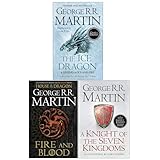


Why it matters to the Thrones franchise is simple but significant. A Knight of the Seven Kingdoms allows HBO to keep the world alive without repeating the same political endgames or spectacle-driven formula, while deepening the lore that longtime fans already care about. It also opens the door for casual viewers, offering a warmer, more adventurous entry point that still feeds directly into the dynasties, themes, and future rulers that define the larger saga.
Release Window & Production Status: When HBO/Max Is Expected to Roll It Out
With its smaller scope and novella-based structure, A Knight of the Seven Kingdoms has been positioned as a more agile production than its Thrones predecessors. That has naturally fueled questions about how quickly HBO and Max plan to bring the series to audiences, especially as the network continues to space out its Westeros releases.
#1 Best Overall
Filming Is Complete and Post-Production Is Underway
Production on the first season officially began in mid-2024, with filming centered largely in Northern Ireland, a familiar home base for the franchise. By the end of 2024, principal photography had wrapped, putting the series firmly into post-production rather than active filming. That places it on a relatively efficient timeline by HBO fantasy standards.
Unlike House of the Dragon, which requires extensive visual effects for dragons and large-scale battles, A Knight of the Seven Kingdoms relies more heavily on grounded locations, period detail, and character-driven storytelling. That reduced effects load should help streamline post-production without sacrificing the cinematic look expected from a Thrones-era series.
The Most Likely Release Window
As of now, HBO has not announced an exact premiere date, but the network has consistently pointed toward a 2025 release window. Industry expectations currently place the series in the second half of 2025, potentially as a late-summer or fall release. That timing would allow HBO/Max to maintain yearly momentum for the franchise without overlapping directly with House of the Dragon.
If post-production extends longer than anticipated, an early 2026 debut remains a possibility, though there is no indication of major delays. The fact that filming concluded on schedule suggests the series is tracking close to its original rollout plan.
How It Fits Into HBO’s Westeros Strategy
From a programming perspective, A Knight of the Seven Kingdoms serves as a tonal counterbalance rather than a replacement for House of the Dragon. HBO appears intent on alternating between epic, high-stakes Targaryen drama and more intimate storytelling, keeping the franchise fresh rather than overwhelming viewers with constant spectacle.
Releasing the series as a tightly focused season also gives HBO flexibility. If audiences respond strongly, additional Dunk and Egg stories can be adapted with minimal retooling, creating a long-term pipeline of Westeros content that feels intentional rather than inflated.
Story Origins: George R.R. Martin’s Dunk and Egg Novellas Explained
At its core, A Knight of the Seven Kingdoms is a direct adaptation of George R.R. Martin’s beloved Tales of Dunk and Egg novellas, a trio of shorter works that explore Westeros from the ground up rather than the Iron Throne down. First published between 1998 and 2010, these stories have long been fan favorites for their warmth, humor, and grounded sense of adventure.
Set roughly 90 years before the events of Game of Thrones, the novellas take place during a comparatively quieter era of Westerosi history. The Targaryen dynasty still rules, dragons are already extinct, and the realm is defined less by apocalyptic threats than by political undercurrents, personal honor, and the everyday struggles of the smallfolk.
Quick wins for a faster PC:
Clear out junk files and repair common Windows errorsFree Scan →Scan for outdated or missing drivers - takes under a minuteDriver Scan →Who Are Dunk and Egg?
The story follows Ser Duncan the Tall, known simply as Dunk, a towering hedge knight with limited pedigree but an earnest sense of right and wrong. Unlike the polished knights of courtly legends, Dunk is self-taught, perpetually broke, and often improvising his way through chivalry, which makes him one of Martin’s most human protagonists.
Alongside him is Egg, a sharp-tongued, shaved-headed squire with more confidence than his station would suggest. As readers eventually learn, Egg is actually Aegon Targaryen, a royal prince traveling incognito long before he would one day ascend the throne as King Aegon V. Their mentor-student relationship forms the emotional spine of the series, balancing humor, friction, and genuine affection.
The Three Core Novellas
The first story, The Hedge Knight, begins with Dunk entering a tournament at Ashford Meadow, setting off a chain of events that entangles him in royal politics far beyond his understanding. It introduces the tone the series is known for: intimate stakes, moral dilemmas, and sudden reminders that power in Westeros is never far away.
The Sworn Sword expands the scope slightly, placing Dunk and Egg in the middle of a regional conflict between rival houses during a drought. Rather than focusing on glory, the story emphasizes loyalty, consequences, and the cost of choosing sides when no option is clean.
The Tool Desk
Outbyte Driver Updater FREEScan for outdated or missing drivers - takes under a minuteDriver Scan →Outbyte PC Repair FREERepair Windows errors before they cause bigger problemsFix Now →The Mystery Knight, the third and most politically charged novella, pulls back the curtain on lingering Targaryen tensions in the aftermath of Blackfyre rebellions. Disguises, secret allegiances, and shifting loyalties push Dunk and Egg closer to the dangerous games typically reserved for kings and lords, while still keeping the narrative rooted in their personal journey.
Why These Stories Translate Well to Television
Unlike the sprawling ensemble of Game of Thrones or the operatic intensity of House of the Dragon, the Dunk and Egg stories are deliberately compact. They unfold over weeks rather than years and rely on character interaction, dialogue, and ethical choices instead of massive battles or supernatural threats.
That structure makes A Knight of the Seven Kingdoms feel more episodic and approachable, especially for viewers who may have found later Thrones seasons overwhelming. It also allows the show to explore corners of Westeros rarely seen on screen, from humble inns to minor keeps, reinforcing the sense that this is a story about the realm’s foundations, not just its rulers.
How It Fits Into the Larger Westeros Timeline
Chronologically, the series bridges a crucial gap between House of the Dragon and Game of Thrones. The Targaryens remain in power, but their grip is loosening, shaped by internal divisions and the fading memory of dragons as a deterrent.
What’s actually slowing this PC down?
Pick the symptom - the matching free tool is one click away.
For longtime fans, this era adds texture to familiar names and histories, particularly the lineage that leads to characters like Maester Aemon. For newcomers, it offers a self-contained entry point into Westeros, one that rewards curiosity without demanding encyclopedic knowledge of the franchise’s lore.
Where It Sits in the Timeline: Connections to Game of Thrones and House of the Dragon
A Knight of the Seven Kingdoms is set roughly 90 years before the events of Game of Thrones and about 70 to 80 years after House of the Dragon. That places it in a transitional era for Westeros, when the Targaryens still sit the Iron Throne but no longer rule through fear of dragons. The realm is calmer on the surface, yet politically fragile underneath.
This middle ground is crucial. The civil war that defined House of the Dragon has ended, but its consequences still ripple through noble houses, shaping grudges, alliances, and rebellions that haven’t fully burned out. By the time of Dunk and Egg, Westeros is learning how to exist without living weapons in the sky.
Life After Dragons
One of the most important distinctions between this series and its predecessors is the absence of dragons. By this point in the timeline, dragons are extinct, and their loss has fundamentally altered the balance of power. Lords must rely on armies, marriages, and political maneuvering rather than overwhelming force.
This creates a more grounded version of Westeros. Conflicts feel smaller in scale but sharper in consequence, and knighthood, honor, and reputation matter in ways that echo the ideals characters often spoke about in Game of Thrones but rarely lived up to.
The Rise of Aegon V and Familiar Names
At the heart of the story is Egg, who viewers will come to know as the future King Aegon V Targaryen. His journey from a disguised squire to a reform-minded ruler adds weight to even the quietest moments, especially for fans aware of how his reign ultimately ends. His presence also deepens the emotional resonance of Game of Thrones through his relationship with Maester Aemon, his younger brother.
Seeing Aegon before the crown reframes much of what longtime viewers already know. It turns history into lived experience, showing how ideals are formed long before they’re tested by power.
The Blackfyre Shadow
While House of the Dragon centers on the Dance of the Dragons, A Knight of the Seven Kingdoms operates in the long shadow of the Blackfyre Rebellions. These failed uprisings, led by rival Targaryen claimants, continue to destabilize the realm decades later. Loyalties are murky, and old banners still carry dangerous meanings.
Do these 3 things before closing this tab:
1Repair Windows errors before they cause bigger problems2Scan for outdated or missing drivers - takes under a minute3Clear out junk files and repair common Windows errorsThis undercurrent of unresolved conflict ties the series directly to the political paranoia seen in Game of Thrones. The idea that the past never truly stays buried is baked into the setting, even when the story itself feels intimate.
A Clear Entry Point With Deep Rewards
Despite its dense lore connections, the series is designed to be accessible. Viewers don’t need detailed knowledge of Targaryen family trees to follow Dunk and Egg’s journey. The show introduces its history organically, through conversations, customs, and consequences rather than exposition.
For fans of the franchise, those connections add richness and dramatic irony. For newcomers, this era offers a welcoming path into Westeros, one that shows how the world functions far from thrones and prophecy, yet still leads directly to the stories audiences already know.
Confirmed Cast & Characters: Who’s Playing Dunk, Egg, and Key Westerosi Figures
With production officially underway, HBO has steadily revealed the core ensemble bringing George R.R. Martin’s beloved Dunk and Egg novellas to life. The casting so far signals a character-first approach, prioritizing presence, physicality, and emotional nuance over marquee names, much like early Game of Thrones.
Free tools Windows power users keep installed
One-click scans. No signup required.
Ser Duncan the Tall (Dunk)
Peter Claffey has been cast as Ser Duncan the Tall, the towering hedge knight at the heart of the series. Best known for smaller dramatic roles prior to this breakout part, Claffey fits Dunk’s defining traits: physical enormity paired with moral earnestness and uncertainty.
Dunk is not a polished knight or political operator. He is a man constantly questioning whether he truly belongs in the world he’s stepped into, and Claffey’s grounded screen presence suggests a version of the character driven more by instinct and conscience than confidence.
Egg (Aegon Targaryen)
Dexter Sol Ansell takes on the role of Egg, Dunk’s sharp-tongued young squire who is secretly Aegon Targaryen, the future King Aegon V. Despite his youth, Egg is one of the most important figures in the entire Game of Thrones timeline, and the series hinges on balancing his innocence with the weight of his destiny.
Rank #3
Ansell’s casting points to a portrayal that emphasizes curiosity, stubborn intelligence, and emotional resilience. Egg is observant, principled, and already quietly critical of the injustices baked into Westerosi society, traits that later define his reign.
The Targaryens and Royal Court
Several key Targaryen figures have been confirmed, anchoring the series firmly within the dynasty’s history. Finn Bennett portrays Aerion Targaryen, known to history as Aerion Brightflame, whose volatility and cruelty embody the darker possibilities of Targaryen rule.
Sam Spruell has been cast as Prince Maekar Targaryen, Egg’s stern and militaristic father, while Bertie Carvel plays Prince Baelor Breakspear, the widely respected heir whose sense of honor makes him one of the era’s most tragic figures. Together, these characters reflect a royal family already straining under internal pressure, long before dragons vanish from the world.
Knights, Rivals, and the Wider Realm
The supporting cast rounds out the tournament circuits and borderlands where Dunk and Egg roam. Daniel Ings appears as Ser Lyonel Baratheon, the Laughing Storm, a larger-than-life warrior whose charisma and temper hint at the Baratheon legacy seen generations later.
Tanzyn Crawford has been cast as Tanselle, a Dornish puppeteer whose presence underscores the cultural diversity of Westeros beyond castles and courtrooms. These characters reinforce the series’ ground-level perspective, showing how nobles, knights, and commoners collide in spaces far removed from the Iron Throne.
As casting announcements continue, the ensemble already reflects what makes A Knight of the Seven Kingdoms distinct. This is not a story about rulers at their peak, but about people in motion, crossing paths before history hardens them into legends.
Behind the Scenes: Showrunner, Directors, and George R.R. Martin’s Involvement
With A Knight of the Seven Kingdoms, HBO is taking a notably hands-on, literature-first approach behind the camera. Rather than scaling up to dragon-heavy spectacle, the creative team is focused on tone, character intimacy, and historical texture, aligning the series closely with George R.R. Martin’s original novellas.
Ira Parker’s Vision as Showrunner
The series is shepherded by showrunner Ira Parker, whose background as a writer-producer emphasizes character-driven storytelling over blockbuster excess. Parker has described the show as intentionally smaller and more personal than its predecessors, leaning into the road-story structure that defines Dunk and Egg’s adventures.
That philosophy shapes everything from pacing to production design. The goal is not to replicate the operatic sweep of Game of Thrones, but to create a grounded, lived-in Westeros where honor, class, and consequence play out at eye level.
PC Slower Than It Used to Be?
A free scan shows the junk files, broken settings and background clutter dragging Windows down - then fixes them in one click.Free scan · Windows 10 & 11Crashes, No Sound, or Screen Glitches?
Random freezes, missing sound and display glitches usually trace back to one bad driver. Find and replace yours safely.Free scan · under a minuteDirectors Focused on Intimacy and Scale
HBO has assembled a directing team known for blending visual restraint with emotional clarity. Rather than overwhelming battles or constant spectacle, episodes prioritize tournaments, conversations, and moral crossroads, moments where character choices matter as much as swordplay.
This approach mirrors the novellas themselves, where pivotal events often unfold in inns, lists, and quiet roads between keeps. The directors’ task is to make Westeros feel vast without losing the closeness that defines Dunk and Egg’s bond.
George R.R. Martin’s Active Creative Role
Crucially, George R.R. Martin is deeply involved as an executive producer, continuing the more collaborative model seen with House of the Dragon. Unlike later seasons of Game of Thrones, this series adapts fully completed source material, allowing Martin to guide tone and fidelity without narrative gaps.
Martin has publicly expressed enthusiasm for the adaptation, frequently noting that Dunk and Egg represent some of his most personal writing. His involvement helps ensure that the series preserves the humor, melancholy, and moral complexity that make the novellas distinct within the larger franchise.
What’s actually slowing this PC down?
Pick the symptom - the matching free tool is one click away.
How It Fits the HBO Westeros Strategy
Behind the scenes, A Knight of the Seven Kingdoms reflects HBO’s recalibrated approach to the franchise. Rather than chasing constant escalation, the network is investing in multiple tones and entry points, from the dragon-driven politics of House of the Dragon to this quieter, character-led journey.
That strategy allows the Dunk and Egg story to stand on its own while still enriching the broader timeline. It is prestige television by design, built to reward longtime fans while remaining accessible to viewers stepping into Westeros for the first time.
Rank #4
Season Structure, Episode Count & What the First Season Will Adapt
Unlike the sprawling, multi-threaded seasons that defined Game of Thrones, A Knight of the Seven Kingdoms is designed as a tighter, more focused experience. HBO has confirmed that the first season will consist of six episodes, reflecting the contained nature of George R.R. Martin’s Dunk and Egg novellas rather than a traditional ten-episode epic.
The shorter order is intentional, allowing the series to tell a complete, emotionally satisfying story without filler. It also aligns with HBO’s recent prestige model, favoring precision and pacing over sheer volume.
Free tools Windows power users keep installed
One-click scans. No signup required.
A Full Adaptation of The Hedge Knight
Season 1 will adapt the first Dunk and Egg novella, The Hedge Knight, published in 1998. Set roughly 90 years before the events of Game of Thrones, the story introduces Ser Duncan the Tall, a hedge knight of humble origins, and Egg, his sharp-witted squire who is secretly Aegon Targaryen, a future king of Westeros.
The narrative centers on a fateful tournament at Ashford Meadow, where questions of honor, class, and power collide. What begins as a relatively small-scale knightly tale gradually reveals political tensions within House Targaryen, giving the season a dramatic weight that resonates far beyond its modest beginnings.
One Story, One Season
HBO’s plan is for each season to adapt a single novella rather than combining multiple stories. That means Season 1 tells the full arc of The Hedge Knight from start to finish, with a clear beginning, middle, and resolution.
This structure ensures that character development is never rushed. Dunk’s moral code, Egg’s growing understanding of power, and their evolving partnership all have room to breathe, making the season feel novelistic rather than episodic.
Quick wins for a faster PC:
Clear out junk files and repair common Windows errorsFree Scan →Fix the driver behind crashes, sound loss and screen glitchesFind Drivers →Laying the Groundwork for Future Seasons
If renewed, future seasons are expected to adapt The Sworn Sword and The Mystery Knight, the second and third Dunk and Egg novellas. Each story takes place several years apart, allowing the show to subtly age its characters while exploring different corners of Westeros and escalating political stakes.
While Season 1 remains self-contained, it quietly seeds ideas that matter deeply to the larger timeline, including Targaryen succession, Blackfyre tensions, and the fragile balance between nobility and the common folk. It is a smaller story by design, but one that echoes across the history of the Seven Kingdoms.
Independent reader supportYour contribution helps us test, update, and keep practical guides available for everyone.Tone, Scale, and Style: How This Series Differs From Game of Thrones
While A Knight of the Seven Kingdoms lives firmly within the Game of Thrones universe, its creative approach is deliberately more intimate. This is not a sprawling ensemble epic driven by world-altering wars, but a character-focused story rooted in personal honor, social hierarchy, and quiet moral choices. The shift in tone is intentional, and it’s one of the series’ most defining traits.
A More Grounded, Human Perspective
Unlike Game of Thrones, which often unfolded from the vantage point of kings, queens, and political masterminds, A Knight of the Seven Kingdoms is told through the eyes of the overlooked. Dunk is a hedge knight with no lands, no legacy, and no real understanding of highborn politics, while Egg experiences Westeros from the road rather than the throne room.
This narrower lens creates a warmer, more reflective tone. Conflicts are still dangerous, but they feel personal rather than apocalyptic, emphasizing everyday injustices and the lived reality of the Seven Kingdoms.
Smaller Scale, Sharper Stakes
There are no continent-spanning wars or supernatural invasions driving the plot. Instead, the drama unfolds at tourneys, villages, and noble courts where reputation, lineage, and honor can mean the difference between survival and ruin.
That reduced scale allows moments to linger. A single insult, a broken oath, or a poorly chosen act of mercy can carry enormous consequences, giving the story tension without relying on spectacle.
A Lighter Touch, But Not a Lighter Story
The series also leans into a subtly different emotional register. There is more room for dry humor, companionship, and hope, particularly in the evolving bond between Dunk and Egg. Their dynamic introduces warmth that was often rare in the grimmer stretches of Game of Thrones.
That said, the world remains unforgiving. Violence still arrives suddenly and decisively, and the show does not shy away from cruelty or injustice, it simply treats them with restraint rather than excess.
Best Value
Minimal Magic, Maximum History
Magic exists largely at the margins in this era of Westeros. Dragons are gone, prophecies are distant, and the supernatural is more rumor than reality. This grounds the series firmly in political and social realism, even as it quietly reinforces the mythic weight of the larger franchise.
Instead of spectacle, the show draws power from historical tension. Targaryen succession disputes and lingering Blackfyre loyalties shape the world subtly, reminding viewers that history, not magic, is the most dangerous force of all.
A Visual Style Rooted in Realism
Visually, A Knight of the Seven Kingdoms favors natural locations, practical armor, and lived-in settings over grand CGI-driven set pieces. Tourney grounds feel muddy and chaotic, castles feel functional rather than ornate, and travel looks exhausting rather than romantic.
Windows Errors? Fix Them Before They Spread
Repair common Windows errors and clear accumulated junk for a smoother, more stable PC - no reinstall needed.Free scan · no reinstallOutdated Drivers Are Slowing You Down
One free scan finds every outdated or missing driver and matches the right update for your exact hardware.Free scan · exact hardware matchThe result is a tactile version of Westeros that feels closer to medieval drama than high fantasy. It’s a stylistic choice that reinforces the series’ thematic focus on people navigating a rigid, unequal world with little protection beyond their own values.
The Road Ahead: Potential Future Seasons and Long-Term Franchise Plans
If A Knight of the Seven Kingdoms connects with audiences, HBO already has a clear roadmap for where the story could go. George R.R. Martin’s Dunk and Egg novellas provide a natural, episodic framework that lends itself to multiple seasons without stretching or reinventing the source material.
Unlike Game of Thrones, which eventually outpaced its books, this series begins with a finite but expandable narrative foundation. That gives the creative team room to plan deliberately, pacing each chapter of Dunk and Egg’s journey as its own self-contained season.
Three Core Stories, Three Natural Seasons
At present, Martin has published three Dunk and Egg novellas: The Hedge Knight, The Sworn Sword, and The Mystery Knight. Each story features a distinct setting, conflict, and thematic focus, making them ideal candidates for individual seasons.
The first season adapts The Hedge Knight, centered on a tourney that quietly reveals the fragile state of the Seven Kingdoms. The Sworn Sword shifts toward political unrest and peasant rebellion, while The Mystery Knight directly confronts the lingering threat of Blackfyre loyalists. Together, they form a trilogy that charts Dunk’s growth from an uncertain hedge knight into a respected figure, and Egg’s evolution toward kingship.
Beyond the Books: A Deliberate Waiting Game
Martin has long stated his intention to write additional Dunk and Egg stories, potentially bringing their total number to seven or more. HBO has been careful not to signal plans beyond the existing novellas, suggesting a more patient approach shaped by lessons learned from Game of Thrones.
If the series reaches the end of the published material, the network may choose to pause rather than invent major storylines. That restraint would preserve the intimate, character-driven tone that defines the show, while allowing Martin time to expand the canon himself.
A Strategic Pillar of the Westeros Timeline
From a franchise perspective, A Knight of the Seven Kingdoms occupies a uniquely valuable position. Set roughly 90 years before Game of Thrones and about 70 years after House of the Dragon, it bridges two eras without overlapping them directly.
The Tool Desk
Outbyte Driver Updater FREEFix the driver behind crashes, sound loss and screen glitchesFind Drivers →Outbyte PC Repair FREERepair Windows errors before they cause bigger problemsFix Now →That placement allows HBO to explore the long-term consequences of Targaryen rule without dragons dominating the narrative. Subtle references to past civil wars and future dynastic struggles enrich the wider timeline, rewarding longtime fans while remaining accessible to newcomers.
How Dunk and Egg Fit Into HBO’s Bigger Plans
Rather than chasing scale, this series represents HBO’s effort to diversify what a Westeros story can be. House of the Dragon handles spectacle and political tragedy, while A Knight of the Seven Kingdoms offers intimacy, moral ambiguity, and a ground-level view of power.
If successful, it could set a template for future spin-offs that focus on character and era rather than conquest and catastrophe. In that sense, Dunk and Egg are not just side characters, they are proof that the franchise can thrive on quieter stories with lasting emotional weight.
As HBO continues to build its post-Game of Thrones identity, A Knight of the Seven Kingdoms feels less like a detour and more like a course correction. It’s a reminder that the strength of Westeros has always come from its people, and that sometimes the most important legends begin far from the Iron Throne.
Quick Recap
Product prices and availability are accurate as of the date/time indicated and are subject to change. Any price and availability information displayed on Amazon at the time of purchase will apply.

