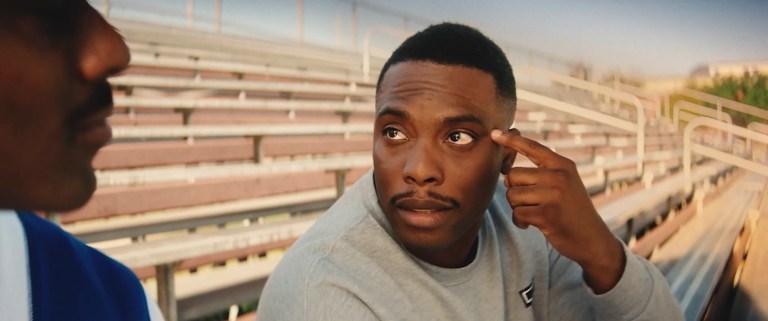
For a brief moment in the late 2000s, Jockeys tried to do for horse racing what Hard Knocks had done for football, pulling cameras into barns, jockey rooms, and the unglamorous hours that exist far from race-day pageantry. The Animal Planet docuseries premiered in 2009 and followed a tight-knit group of elite riders navigating injuries, weight cuts, family strain, and the constant threat of being replaced. It was intimate, unscripted, and unusually candid for a sport that often prefers its myths polished.
Despite strong critical interest, the series lasted just one season before quietly disappearing. Animal Planet was in the middle of a programming identity shift, moving away from niche, adult-skewing nonfiction toward broader reality fare, and Jockeys didn’t fit neatly into that new strategy. Horse racing, already struggling to maintain mainstream visibility, couldn’t deliver the ratings momentum needed to justify a long-term commitment, even if the storytelling was ahead of its time.
| # | Preview | Product | Price | |
|---|---|---|---|---|
| 1 |

|
The Life & Times of Secretariat, an American Racing Legend | $46.32 | Buy on Amazon |
| 2 |

|
Ferdinand | Buy on Amazon | |
| 3 |

|
Racing Stripes | $9.99 | Buy on Amazon |
That quiet cancellation is precisely why the show feels so ripe for rediscovery now. Netflix recently licensed the series as part of its ongoing expansion into prestige sports documentaries, placing Jockeys alongside global hits that reward patience, character depth, and behind-the-scenes access. In an era shaped by Formula 1: Drive to Survive and Full Swing, the series suddenly reads less like a misfire and more like an early blueprint, offering a raw, human portrait of a sport rarely given this level of narrative respect.
Why It Was Canceled: Ratings, Network Strategy, and the Challenges of Horse Racing on TV
Respectable Reviews, Modest Ratings
Jockeys wasn’t canceled because it failed creatively, but because it struggled to break through commercially. While critics praised its access and emotional honesty, the live ratings never reached the level Animal Planet needed to justify continued investment. Horse racing lacks the built-in weekly urgency of team sports, and the show asked viewers to follow individual careers that unfolded slowly and unpredictably. In a pre-streaming era driven by same-night numbers, that patience worked against it.
What’s actually slowing this PC down?
Pick the symptom - the matching free tool is one click away.
#1 Best Overall
- This is an awesome bullet point.
An Awkward Fit in a Changing Network Identity
At the time, Animal Planet was pivoting toward broader, more sensational reality programming designed to capture casual viewers. Jockeys, with its quiet tension and workmanlike portrayal of athletic grind, didn’t align with that mandate. It was neither family-friendly spectacle nor easily promotable reality drama, leaving it stranded between audiences. As network priorities shifted, the series became an outlier rather than a flagship.
The Inherent Challenge of Horse Racing Storytelling
Horse racing has long struggled to translate its depth to television beyond marquee events like the Triple Crown. The sport’s rhythms are internal, built on training, waiting, and managing risk rather than constant on-screen action. Jockeys embraced that reality, focusing on weight rooms and medical setbacks instead of finish-line glory. That authenticity, now seen as a strength, was a harder sell in 2009 television economics.
Why Netflix Changes the Equation
Netflix’s acquisition reframes those original shortcomings as assets rather than liabilities. Freed from overnight ratings pressure, the series can now be consumed as a character-driven binge, closer in spirit to modern prestige sports documentaries than traditional sports TV. The platform’s audience is already conditioned to slow-burn storytelling and niche subjects with universal themes. What once felt like a programming risk now reads as a quietly confident bet on rediscovery.
Inside the World It Captured: Jockeys, Trainers, Owners, and the High-Stakes Reality of the Sport
What ultimately distinguishes Jockeys is how completely it immerses viewers in the ecosystem of horse racing, not just the races themselves. The series treats the sport as a network of fragile careers, financial gambles, and physical risk, where success is rare and stability even rarer. Rather than simplifying that complexity, it leans into it, trusting the audience to absorb the sport on its own terms.
The Tool Desk
Outbyte Driver Updater FREEFix the driver behind crashes, sound loss and screen glitchesFind Drivers →Outbyte PC Repair FREERepair Windows errors before they cause bigger problemsFix Now →The Jockeys: Precision Athletes on the Edge
At the center are the jockeys, portrayed less as glamorous daredevils and more as precision athletes operating within extreme constraints. The show documents the relentless weight management, the quiet dread of injury, and the professional insecurity that comes with every mount. Careers hinge on trust and timing, and a single mistake can sideline a rider indefinitely.
What feels especially modern now is the series’ refusal to mythologize these figures. Jockeys captures moments of doubt, financial stress, and the unspoken reality that most riders are one bad fall away from irrelevance. In an era where athlete mental health and labor conditions are finally part of mainstream sports conversations, this honesty lands with renewed force.
The Trainers: Managing Animals, People, and Thin Margins
Trainers emerge as the sport’s operational backbone, juggling the health of horses, the expectations of owners, and the unpredictability of racing schedules. The series spends time in barns and training tracks, showing how preparation often matters more than race-day spectacle. Decisions are constant, and mistakes are costly, both financially and ethically.
Jockeys also resists portraying trainers as infallible authorities. They are strategists under pressure, forced to balance compassion for their animals with the economic realities of an unforgiving industry. That tension, quietly observed, adds emotional weight without tipping into melodrama.
Free tools Windows power users keep installed
One-click scans. No signup required.
The Owners: Investment, Ego, and Emotional Stakes
Owners, often depicted in racing media as distant financiers, are given a more nuanced presence here. The show explores how ownership blends passion, status, and financial risk, revealing that even wealthy backers are vulnerable to disappointment. Horses represent both personal dreams and sunk costs, and the outcomes are rarely clean wins or losses.
By including owners in the narrative fabric, Jockeys underscores how interconnected the sport truly is. Every race reflects a chain of decisions and investments, stretching far beyond the starting gate. That context helps demystify the economics of racing without overwhelming casual viewers.
A Sport Built on Waiting, Risk, and Uneven Rewards
Perhaps the series’ most striking achievement is its portrayal of time itself as a narrative force. Progress is slow, setbacks are common, and payoffs are uncertain. Episodes often build around anticipation rather than action, a structure that once challenged traditional television expectations but now aligns naturally with streaming audiences.
On Netflix, this patient approach feels newly relevant. Viewers accustomed to Formula 1: Drive to Survive or Full Swing will recognize the same behind-the-scenes intimacy, minus the manufactured drama. Jockeys stands apart by trusting reality to be compelling on its own, offering a grounded, often sobering look at a sport where the margins are thin and the stakes are always personal.
From Cancellation to Comeback: How and Why Netflix Acquired the Series
When Jockeys first premiered, it arrived at an awkward moment in the evolution of sports television. Its deliberate pacing, observational tone, and refusal to manufacture heroes or villains placed it at odds with networks still prioritizing fast-cut highlights and easily digestible drama. Despite critical respect, the series struggled to find a broad audience under traditional ratings expectations.
Why the Series Was Originally Canceled
The cancellation was less about quality and more about fit. Jockeys asked viewers to sit with uncertainty, long training cycles, and emotional ambiguity, a tough sell in an era when sports docuseries were expected to deliver weekly climaxes. Horse racing, already a niche subject compared to football or basketball, further limited its commercial upside at the time.
Network television also left little room for the kind of slow-burn storytelling Jockeys embraced. Episodes often prioritized process over payoff, and that patience clashed with scheduling pressures and advertiser demands. In retrospect, the show was ahead of its time, designed for a viewing culture that had not yet fully arrived.
How Netflix Stepped In
Netflix’s acquisition reflects a larger shift in how the platform curates its sports documentary library. With audiences now conditioned by series like Drive to Survive, Break Point, and Full Swing, there is a clear appetite for access-driven storytelling that unfolds over hours rather than minutes. Jockeys fits neatly into that ecosystem, even though it predates many of those hits.
Rather than reviving the series with new episodes, Netflix recognized the value of rediscovery. The streamer has increasingly found success reintroducing overlooked or prematurely canceled shows to a global audience, where algorithms and word-of-mouth can succeed where linear scheduling failed. In this context, Jockeys becomes less a relic and more a missing chapter in the evolution of modern sports documentaries.
Rank #2
Why It Feels Newly Relevant Now
What once felt too restrained now reads as refreshingly honest. As viewers grow more skeptical of overly produced sports content, Jockeys stands out for its trust in real stakes and real consequences. The series does not chase viral moments or simplify its subjects, making it especially appealing to audiences seeking authenticity over spectacle.
Horse racing itself also lands differently today. Conversations around animal welfare, labor, and the economics of elite sports have moved closer to the mainstream, and Jockeys engages with those themes quietly but consistently. On Netflix, the show invites viewers to watch not for explosive drama, but for insight, empathy, and a deeper understanding of a sport built on patience and risk.
For subscribers browsing beyond the usual algorithmic recommendations, Jockeys offers something rare: a sports documentary that feels lived-in rather than engineered. Its return is less a comeback than a correction, giving the series the platform and audience it always seemed designed for.
PC Slower Than It Used to Be?
A free scan shows the junk files, broken settings and background clutter dragging Windows down - then fixes them in one click.Free scan · Windows 10 & 11Crashes, No Sound, or Screen Glitches?
Random freezes, missing sound and display glitches usually trace back to one bad driver. Find and replace yours safely.Free scan · under a minuteWhy the Show Feels Timely Now: Gambling Culture, Prestige Sports Docs, and a Changing Audience
Gambling Has Moved From Subtext to Center Stage
When Jockeys first aired, sports gambling largely lived on the margins of mainstream television. It was present in horse racing, of course, but rarely discussed with candor or nuance. The series treated betting as an inseparable part of the ecosystem, showing how odds, owners, and purses quietly shaped every decision riders made.
Today’s audience is far more fluent in that language. With legalized sports betting expanding and platforms openly integrating odds into broadcasts, viewers are better equipped to understand the financial tension underpinning each race. Jockeys now plays less like an insider document and more like a sober case study in how risk, money, and ambition intersect.
Prestige Sports Documentaries Have Reset Expectations
The rise of prestige sports docuseries has fundamentally changed how viewers engage with athletic storytelling. Drive to Survive didn’t just popularize Formula 1; it trained audiences to expect long-form access, moral complexity, and character-driven arcs over highlight reels. Jockeys fits squarely within that evolution, even if it arrived years earlier.
What separates it from many modern counterparts is restraint. There are no manufactured villains or artificially heightened rivalries, only careers shaped by injury, weight limits, and unforgiving schedules. In an era when some sports documentaries feel reverse-engineered for social media clips, Jockeys benefits from its refusal to editorialize.
A More Patient, Curious Streaming Audience
Netflix’s current audience is also more willing to explore niche sports and unfamiliar worlds. Viewers who’ve followed tennis, golf, cycling, and even cheerleading through docuseries are less likely to bounce off a show simply because they don’t know the rules on day one. Jockeys trusts that curiosity, offering immersion rather than instruction.
The series rewards attention rather than binge urgency. Episodes unfold at the pace of the racing calendar, mirroring the discipline and waiting inherent to the sport itself. For viewers fatigued by hyperactive editing and constant narrative escalation, that pacing now feels intentional instead of inert.
Why It’s Worth Watching Now
Jockeys stands apart because it understands that the most compelling drama in sports often happens off the track. It’s about livelihoods, bodily limits, and a profession where success and obsolescence are separated by ounces and inches. Netflix’s rediscovery gives the show a second life with viewers ready to meet it on those terms.
In a streaming landscape crowded with louder, flashier sports stories, Jockeys feels newly calibrated to the moment. Its relevance isn’t accidental; it’s the result of an audience that finally caught up to what the series was quietly doing all along.
What Sets It Apart From Drive to Survive and Other Netflix Sports Documentaries
Built Before the Formula Was Codified
Jockeys predates the now-familiar Netflix sports-doc blueprint, and that’s precisely why it feels different. Where Drive to Survive and its successors often shape reality into season-long story engines, Jockeys observes without imposing a thesis. The cameras follow lives already in motion, rather than arcs designed to peak on cue.
This approach can feel almost understated by modern standards. There’s no confessional-heavy structure or musical cues signaling how viewers should feel. Instead, the series allows the sport’s inherent instability to generate its own tension.
Why It Was Canceled in the First Place
When Jockeys originally aired on Animal Planet in 2009, it struggled to find an audience large enough to justify its cost. Horse racing was already slipping from mainstream cultural relevance, and the network itself was pivoting away from adult-focused docuseries toward more broadly commercial programming. The show wasn’t a failure of craft so much as a mismatch of timing, platform, and expectations.
At the time, there was little appetite for slow-burn sports storytelling without a built-in fan base. What once felt niche and unsellable now aligns perfectly with streaming-era viewing habits.
Do these 3 things before closing this tab:
1Clear out junk files and repair common Windows errors2Fix the driver behind crashes, sound loss and screen glitches3Repair Windows errors before they cause bigger problemsNetflix’s Quiet Second Chance
Netflix didn’t revive Jockeys with new episodes or a marketing blitz. Instead, it quietly added the existing season to its library, letting discovery do the work. That low-key acquisition mirrors how the platform has successfully reintroduced other overlooked or short-lived series to audiences primed for reevaluation.
In today’s algorithm-driven ecosystem, Jockeys benefits from being adjacent to Drive to Survive, Full Swing, and Break Point. Viewers drawn in by those shows are far more likely to sample an older series if it promises similar access with a different rhythm.
Rank #3
Less Spectacle, More Consequence
Unlike many modern sports documentaries, Jockeys doesn’t inflate its stakes. The consequences are already severe: broken bones, eating disorders, financial precarity, and careers that can vanish overnight. The series trusts that reality, rather than amplifying it through editing or narration.
That restraint makes the victories feel smaller but more earned, and the losses more sobering. It’s a reminder that not every sports story needs to be optimized for virality to be compelling.
Recommended Free Tools
Why It Feels Newly Relevant Now
In an era of growing scrutiny around athlete welfare and labor conditions, Jockeys lands differently than it did in 2009. Its unvarnished look at weight limits, injuries, and the economics of horse racing speaks to contemporary conversations about exploitation and sustainability in sports.
What once seemed like a quiet, even modest docuseries now reads as unusually honest. Against a backdrop of increasingly polished sports content, Jockeys stands out by simply showing the job as it is—and trusting viewers to decide whether that world is worth entering.
Independent reader supportYour contribution helps us test, update, and keep practical guides available for everyone.Is It Worth Watching in 2026? Who Will Love It—and Who Might Not
Whether Jockeys feels essential or optional in 2026 depends less on your interest in horse racing and more on what you want from a sports documentary. This isn’t a comeback story engineered for momentum; it’s a snapshot of a profession caught mid-stride, preserved from a moment before the genre found its formula.
Who Will Love It
Viewers drawn to process-driven storytelling will find Jockeys quietly absorbing. The series rewards patience, spending as much time on daily routines, weight maintenance, and financial anxiety as it does on race-day drama. If you’ve ever appreciated the early seasons of Drive to Survive for their access rather than their spectacle, this will feel like a deeper cut from the same lineage.
Quick wins for a faster PC:
Fix the driver behind crashes, sound loss and screen glitchesFind Drivers →Repair Windows errors before they cause bigger problemsFix Now →Scan for outdated or missing drivers - takes under a minuteDriver Scan →It’s also a strong recommendation for audiences interested in athlete labor realities. Jockeys was originally canceled in part because it refused to soften those realities or manufacture heroes, which limited its mass appeal at the time. In 2026, that same honesty reads as a strength, especially for viewers curious about the costs of competing in sports without guaranteed contracts or safety nets.
Who Might Not
Those expecting a modern Netflix sports doc polish may struggle with the series’ pacing and presentation. The cinematography is functional rather than flashy, the episodes unfold deliberately, and there’s little interest in cliffhangers or narrative hand-holding. It reflects its era, and Netflix hasn’t attempted to retrofit it for contemporary tastes.
Casual viewers looking for instant stakes or binge-friendly hooks may also bounce off early. Jockeys assumes curiosity rather than chasing it, which was one reason it failed to find an audience during its original run. Netflix’s revival works best for viewers willing to meet the show on its own terms.
Why It’s a Better Watch Now Than It Was Then
When the series first aired, sports documentaries were still expected to justify their existence with championships or celebrity. Jockeys offered neither, and it paid the price. Netflix’s acquisition reframes the show as a precursor rather than an outlier, allowing it to sit comfortably alongside more famous successors.
The Tool Desk
Outbyte Driver Updater FREEScan for outdated or missing drivers - takes under a minuteDriver Scan →Outbyte PC Repair FREEClear out junk files and repair common Windows errorsFree Scan →In 2026, its value lies in contrast. Amid algorithm-friendly sports storytelling, Jockeys feels refreshingly uninterested in persuasion. It doesn’t tell you why horse racing matters; it simply shows you the people who live inside it, and lets the weight of that choice linger.
What This Revival Says About Netflix’s Strategy and the Future of Niche Sports Documentaries
Netflix’s decision to resurrect Jockeys is less about nostalgia and more about recalibration. In recent years, the platform has quietly expanded its definition of what a “successful” sports documentary can be, especially as its library matures and subscriber tastes fragment. Not every acquisition needs to be a global event; some are designed to deepen the catalog for specific audiences who value authenticity over hype.
A Shift From Event Television to Library Value
Jockeys doesn’t arrive on Netflix with the expectation of topping trending lists or fueling social media discourse. Instead, it fills a gap in the platform’s long-tail strategy, where older or overlooked series gain steady viewership through discovery rather than promotion. Netflix understands that sports fans often browse with curiosity, and a grounded horse racing doc can quietly outperform expectations over time.
This approach mirrors how the streamer has treated other rescued or repurposed titles, from cult dramas to short-lived docuseries that were ahead of their time. In that sense, Jockeys benefits from Netflix’s scale, where even a niche audience can feel substantial. What once looked like a commercial failure now reads as untapped value.
Why Niche Sports Are Gaining New Relevance
The revival also reflects a broader appetite for sports stories outside the major leagues and familiar playbooks. As viewers grow more fluent in documentary language, they’re increasingly drawn to labor stories, fringe professions, and the emotional economics of competition. Horse racing, particularly from a jockey’s perspective, offers a window into all three without the gloss of celebrity.
Netflix has already tested this terrain with mixed martial arts, golf, cycling, and tennis, but Jockeys represents something quieter and more observational. It suggests the platform is willing to support documentaries that don’t explain themselves or chase newcomers aggressively. That confidence signals a future where niche sports aren’t treated as risks, but as essential texture.
A Second Chance for Stories That Didn’t Fit the Moment
When Jockeys was canceled, it wasn’t because the storytelling failed, but because the industry hadn’t caught up to its intentions. The series resisted dramatization at a time when sports TV demanded it, leaving it stranded between traditional broadcasting and the streaming era that would later embrace its sensibilities. Netflix’s revival effectively corrects that timing mismatch.
For viewers, this means access to a more complete sports documentary ecosystem, one that includes not just champions and dynasties, but also workers, routines, and survival. Jockeys stands as proof that relevance isn’t always immediate, and that some stories simply need the right platform and the right moment to be seen. In rediscovering it now, Netflix isn’t just reviving a canceled series, but reinforcing the idea that honest sports storytelling has a longer shelf life than anyone once believed.
Quick Recap
Product prices and availability are accurate as of the date/time indicated and are subject to change. Any price and availability information displayed on Amazon at the time of purchase will apply.