Horror has always been a genre built on the margins. Its most daring ideas often arrive disguised as low-budget experiments, international curiosities, or films dismissed on release for being too strange, too bleak, or simply ahead of their time. While mainstream franchises dominate cultural memory, many of the genre’s most inventive works have been quietly buried by bad marketing, critical misunderstanding, or the sheer noise of more commercial successes.
Revisiting underrated horror isn’t about contrarianism or nostalgia; it’s about restoring context. These films frequently pushed boundaries before audiences were ready, challenged dominant trends, or explored fears that didn’t fit neatly into box-office formulas. Some anticipated movements like elevated horror decades early, others redefined regional cinema, and many influenced later classics without ever receiving proper credit.
| # | Preview | Product | Price | |
|---|---|---|---|---|
| 1 |

|
Thirteen Ghosts | $7.99 | Buy on Amazon |
| 2 |

|
Horror 20 Movie Collection | $15.96 | Buy on Amazon |
| 3 |
|
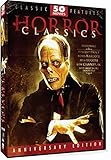
HORROR CLASSICS 50 MOVIE MEGAPACK | $15.79 | Buy on Amazon |
| 4 |
![Jaws 3-Movie Collection [DVD]](https://m.media-amazon.com/images/I/51nbLoYzBlL._SL160_.jpg)
|
Jaws 3-Movie Collection [DVD] | $5.00 | Buy on Amazon |
| 5 |

|
Ghost Ship (DVD) (WS) | $7.99 | Buy on Amazon |
This list is dedicated to reclaiming those overlooked masterpieces. Spanning eras, subgenres, and countries, the 40 films spotlighted here reveal how rich and adventurous horror becomes once you look beyond the obvious landmarks. Each entry isn’t just a recommendation, but a reminder that the genre’s history is far deeper, stranger, and more rewarding than its most famous titles suggest.
How This Ranking Was Curated: Criteria, Critical Context, and What ‘Underrated’ Really Means
Putting together a list like this requires more than simply avoiding well-known titles. Horror is a vast, fragmented ecosystem shaped by regional movements, shifting critical attitudes, and changing audience tastes. To genuinely spotlight films that deserve rediscovery, this ranking balances historical context, artistic ambition, and long-term influence rather than box office numbers or brand recognition.
Recommended Free Tools
#1 Best Overall
- Factory sealed DVD
The goal here isn’t to be obscure for obscurity’s sake, but to identify films that have fallen through the cracks of canon formation. Some were misunderstood on release, others were eclipsed by louder contemporaries, and many were quietly influential without ever becoming household names.
What ‘Underrated’ Means in a Horror Context
In this list, “underrated” doesn’t automatically mean unknown. Several entries may be familiar to seasoned fans but still lack the recognition they deserve relative to their craft, ideas, or impact. A film can be critically respected yet still undervalued in broader horror discourse, streaming algorithms, or modern retrospectives.
Underrated also accounts for films that were dismissed due to timing or tone. Horror frequently ages differently than other genres, and movies once labeled slow, nihilistic, or too extreme are often reappraised decades later as visionary. This ranking embraces that long view of genre history.
Critical Reappraisal Over Initial Reception
Initial reviews and box office performance were considered, but they were not decisive. Many horror films now regarded as classics were critically panned or commercially ignored at the time of release. What mattered more was how a film has endured, influenced later works, or gained cult appreciation despite limited exposure.
Windows Errors? Fix Them Before They Spread
Repair common Windows errors and clear accumulated junk for a smoother, more stable PC - no reinstall needed.Free scan · no reinstallOutdated Drivers Are Slowing You Down
One free scan finds every outdated or missing driver and matches the right update for your exact hardware.Free scan · exact hardware matchIn several cases, films on this list were victims of poor distribution, misleading marketing, or cultural disconnects when crossing international borders. Their current availability on streaming platforms or home video has allowed new audiences to recognize strengths that early critics overlooked.
Global Scope and Subgenre Balance
Horror has always been a global language, and this ranking reflects that reality. Films were selected from across continents, embracing everything from European arthouse nightmares and Asian folk horror to North American indie experiments and regional exploitation cinema. No single country or movement dominates the list.
Equally important was subgenre diversity. Psychological horror, supernatural tales, body horror, slashers, creature features, and socially conscious nightmares all coexist here. The aim was to demonstrate how innovation often happens at the edges of each subgenre, where rules are bent or broken entirely.
Influence, Craft, and Thematic Ambition
Every film included offers something distinct, whether through visual language, sound design, narrative structure, or thematic daring. Influence was weighed carefully, especially in cases where later, more famous films borrowed ideas without direct acknowledgment. Some entries helped shape trends that wouldn’t fully crystallize until years later.
Thematic ambition was equally crucial. Horror has always been a mirror for cultural anxiety, and many of these films engage deeply with issues like grief, political unrest, identity, sexuality, or societal decay. Their refusal to offer easy answers is often what made them uncomfortable, and ultimately unforgettable.
Why This List Is Meant to Be Explored, Not Agreed With
No ranking of horror can ever be definitive, and that’s part of the genre’s vitality. This list is curated, not calculated, shaped by critical analysis, historical awareness, and passionate engagement with the medium. Disagreement is expected, and even encouraged.
What matters most is that these films are seen, reconsidered, and discussed. If this ranking expands your understanding of what horror can be, challenges assumptions about the genre’s history, or leads you to discover a film that genuinely surprises you, then it has done its job.
Ranks 40–31: Forgotten Frights, Cult Misfires, and Films Ahead of Their Time
The bottom tier of this ranking isn’t about minor curiosities or disposable genre product. These are films that arrived at the wrong moment, were misunderstood by critics, mishandled by studios, or simply fell through the cracks of horror history. In many cases, time has been kinder to them than their initial reception ever was.
40. The Keep (1983)
Michael Mann’s surreal World War II horror was famously gutted in post-production, leaving behind a fractured but fascinating artifact. Tangerine Dream’s electronic score, imposing production design, and mythic approach to evil give The Keep an otherworldly atmosphere few studio horrors of the era dared to attempt. What remains feels like a haunted ruin of a film, which oddly enhances its power.
39. Messiah of Evil (1973)
Released quietly and marketed poorly, this sun-bleached nightmare plays like a lost cousin of Night of the Living Dead filtered through coastal decay. Its imagery, particularly a supermarket sequence that predates similar scenes in later zombie cinema, lingers long after the plot fades. The film’s dream logic and sense of creeping dread were ahead of their time.
38. The Entity (1982)
Dismissed by many as exploitation upon release, this supernatural assault narrative is far more unsettling than its reputation suggests. The film treats trauma with grim seriousness, reinforced by Barbara Hershey’s fearless performance and a thunderous Jerry Goldsmith score. Its refusal to offer comfort or catharsis makes it a deeply disturbing experience.
37. Spider Baby (1967)
Jack Hill’s grotesque blend of dark comedy and horror was too strange for mainstream audiences in the 1960s. Lon Chaney Jr.’s tragic performance anchors a film that explores degeneration, family isolation, and arrested development with surprising empathy. Its tonal tightrope walk feels remarkably modern.
Do these 3 things before closing this tab:
1Repair Windows errors before they cause bigger problems2Scan for outdated or missing drivers - takes under a minute3Clear out junk files and repair common Windows errorsRank #2
36. The Addiction (1995)
Abel Ferrara’s black-and-white vampire film reframes addiction, guilt, and intellectual despair through a philosophical horror lens. More essay than genre exercise, it alienated audiences expecting thrills but rewards viewers open to its bleak introspection. Few horror films so directly interrogate moral decay without flinching.
35. Ghostwatch (1992)
Originally broadcast on British television and mistaken for a real documentary, this pseudo-live investigation traumatized viewers and ignited controversy. Its reputation suffered for years due to its deceptive presentation, yet its influence on found footage horror is undeniable. Ghostwatch remains one of the medium’s most effective slow-burn hauntings.
34. Parents (1989)
This pitch-black suburban nightmare blends satire and psychological horror through the eyes of a terrified child. Randy Quaid and Mary Beth Hurt turn sitcom normalcy into something profoundly unsettling. Its commentary on conformity and repression feels sharper with every passing decade.
33. The Seventh Victim (1943)
Often overshadowed by other Val Lewton productions, this noir-inflected horror dives into existential despair and cult paranoia. Its mood is somber, adult, and unusually pessimistic for its era. The film’s quiet dread anticipates later psychological horror far more than it’s credited for.
Quick wins for a faster PC:
Scan for outdated or missing drivers - takes under a minuteDriver Scan →Clear out junk files and repair common Windows errorsFree Scan →32. The Reflecting Skin (1990)
Philip Ridley’s rural nightmare defies easy classification, blending fairy tale, horror, and coming-of-age tragedy. Its sunlit visuals clash violently with its themes of innocence corrupted and communal cruelty. Audiences expecting conventional horror missed its deeply unsettling emotional core.
31. The Empty Man (2020)
Released with little support and dismissed as derivative, this ambitious cosmic horror slowly reveals itself as something far stranger and more thoughtful. Drawing from urban legend, cult mythology, and existential dread, it evolves well beyond its premise. In hindsight, it stands as one of the most misjudged studio horror releases of the modern era.
Ranks 30–21: International Gems, Festival Oddities, and Critical Casualties
30. Noroi: The Curse (2005)
Kōji Shiraishi’s slow-burn found footage epic was long overshadowed by flashier J-horror exports. Its documentary realism, dense mythology, and patient unraveling create a creeping sense of inevitability rather than cheap shocks. Noroi rewards attention and curiosity, trusting the audience to connect its terrifying dots.
29. Angst (1983)
This Austrian descent into the mind of a serial killer is as brutal as it is formally audacious. Gaspar Noé and Nicolas Winding Refn would later draw heavily from its roaming camerawork and oppressive subjectivity. Too confrontational for many, Angst remains one of the most uncompromising psychological horror films ever made.
28. Cure (1997)
Kiyoshi Kurosawa’s hypnotic procedural blends police thriller with existential dread, stripping violence of spectacle. Its minimalist style and unsettling calm baffled viewers expecting conventional scares. Today, Cure feels prophetic, anticipating modern horror’s fascination with identity erosion and ambient terror.
27. Santa Sangre (1989)
Alejandro Jodorowsky’s most accessible film is still wildly unclassifiable, merging giallo, surrealism, and Freudian nightmare. Visually lush and emotionally grotesque, it explores trauma, devotion, and control with operatic intensity. Its cult status never quite matched its artistic ambition.
26. The Devil Rides Out (1968)
Often dismissed as a lesser Hammer entry, this occult thriller is actually one of the studio’s most serious and atmospheric works. Christopher Lee delivers one of his finest performances in a film that treats Satanism with unusual gravity. Its procedural approach to black magic feels startlingly modern.
25. Possession (1981)
Initial reactions labeled Andrzej Żuławski’s marital nightmare as hysterical excess, dooming it to years of misunderstanding. Beneath the operatic performances lies a devastating metaphor for emotional disintegration and political anxiety. Its reputation has grown, but it still isn’t seen widely enough.
The Tool Desk
Outbyte PC Repair FREEClear out junk files and repair common Windows errorsFree Scan →Outbyte Driver Updater FREEScan for outdated or missing drivers - takes under a minuteDriver Scan →24. The Vanishing (1988)
This Dutch masterpiece of psychological horror horrified audiences precisely because it refuses catharsis. Its clinical depiction of obsession and evil is far more disturbing than any graphic violence. Later remakes diluted its power, obscuring just how radical the original remains.
23. Kill List (2011)
Marketed as a hitman thriller, Ben Wheatley’s film blindsided viewers with its genre-shattering final act. Its bleak worldview and sudden plunge into folk horror alienated mainstream audiences. Seen in retrospect, Kill List is a defining work of modern British horror.
22. The Wailing (2016)
While praised internationally, this Korean epic still feels underseen outside cinephile circles. Its genre-blending approach mixes folk horror, police procedural, and theological dread into something uniquely unsettling. Few films so effectively weaponize ambiguity and spiritual terror.
21. Martyrs (2008)
Too often reduced to its extremity, Pascal Laugier’s film was dismissed as exploitation rather than existential horror. Beneath the violence lies a grim meditation on suffering, belief, and transcendence. Martyrs is not an easy watch, but its intellectual ambition is impossible to deny.
What’s actually slowing this PC down?
Pick the symptom - the matching free tool is one click away.
Rank #3
- An instant library of 50 horrorics assembled on 12 DVD's.
Ranks 20–11: Near-Classics Overshadowed by Trends, Franchises, or Marketing Failures
20. Angel Heart (1987)
Released at the height of slick studio thrillers, Angel Heart confused audiences expecting noir instead of metaphysical horror. Alan Parker’s film slowly reveals itself as a descent into cosmic damnation, anchored by career-best performances from Mickey Rourke and Robert De Niro. Its blending of hardboiled detective tropes with occult terror was simply ahead of its time.
19. In the Mouth of Madness (1994)
John Carpenter’s most misunderstood film arrived when slasher franchises had exhausted audiences and his name no longer guaranteed box-office success. What seemed like a Lovecraftian oddity is now recognized as a razor-sharp meta-horror about belief, authorship, and reality collapsing under mass consumption. It’s one of the smartest studio horror films of the 1990s.
18. The Changeling (1980)
Overshadowed by the flashier supernatural hits that followed, this stately ghost story remains one of the most emotionally grounded haunted house films ever made. George C. Scott brings unusual gravity to a story rooted in grief rather than spectacle. Its restraint and atmosphere reward patience in ways modern horror rarely attempts.
17. Noroi: The Curse (2005)
Found footage fatigue has unfairly buried this Japanese slow-burn nightmare. Unlike most entries in the format, Noroi builds a dense mythology through investigative detail and creeping dread rather than jump scares. Its cumulative effect is devastating, and its influence quietly echoes through modern folk horror.
16. The Invitation (2015)
Released into a crowded market of indie thrillers, Karyn Kusama’s film was easy to overlook. Its brilliance lies in how it weaponizes social anxiety, turning polite conversation and trauma bonding into instruments of terror. The final act hits harder because of how patiently the tension is cultivated.
15. Cure (1997)
Often discussed only in academic or cinephile circles, Kiyoshi Kurosawa’s procedural horror deserves broader recognition. Its hypnotic pacing and existential dread redefine what a serial killer film can be. Rather than shock, Cure unsettles by suggesting evil as an infectious idea rather than an individual act.
14. Dead Ringers (1988)
David Cronenberg’s most psychologically disturbing work was eclipsed by the controversy surrounding its subject matter. Jeremy Irons’ dual performance anchors a chilling exploration of identity, dependency, and bodily autonomy. It’s horror as character study, unnerving precisely because of its emotional intimacy.
13. Session 9 (2001)
Arriving just before found footage dominated low-budget horror, Session 9 fell through the cracks. Its use of real abandoned locations and sound design creates an oppressive atmosphere that grows more unsettling with each viewing. Few films capture psychological erosion so quietly and effectively.
Free tools Windows power users keep installed
One-click scans. No signup required.
12. The House of the Devil (2009)
Marketed during a boom of hyperactive shock horror, Ti West’s throwback felt deceptively minor. Its commitment to slow escalation and period detail pays off in an ending that feels genuinely earned. The film understands that anticipation, not excess, is often horror’s most potent weapon.
11. Carnival of Souls (1962)
Long admired but rarely placed among the genre’s giants, this minimalist classic deserves renewed appreciation. Its dreamlike imagery and existential despair anticipate modern art-horror by decades. Made on a shoestring, it proves that atmosphere and idea matter far more than budget or spectacle.
The Top 10 Most Underrated Horror Films of All Time: Bold Visions That Deserved Better
These final selections represent films that didn’t just slip through the cracks, but actively challenged prevailing horror trends. Each one took creative risks that audiences or studios weren’t quite ready to embrace. With time, their ambition has only grown clearer, revealing some of the genre’s most daring and influential work.
10. The Vanishing (1988)
Often overshadowed by its infamous American remake, the original Dutch film remains one of the most psychologically devastating thrillers ever made. Its horror doesn’t come from violence, but from obsession, inevitability, and moral vacancy. The final act is so chilling precisely because it refuses catharsis or comfort.
What’s actually slowing this PC down?
Pick the symptom - the matching free tool is one click away.
9. Possession (1981)
Dismissed on release as incoherent or hysterical, Andrzej Żuławski’s feverish nightmare is now recognized as a masterpiece of emotional extremity. Isabelle Adjani’s performance turns marital collapse into operatic body horror. It’s a film that weaponizes chaos, demanding total emotional surrender from its audience.
8. The Wicker Man (1973)
Too strange for mainstream horror audiences of its era, this folk-horror landmark initially struggled for recognition. Its power lies in its tonal confidence, slowly transforming pastoral beauty into existential dread. Few films build toward such an audacious and unforgettable conclusion.
7. Lake Mungo (2008)
Marketed as found footage but operating more like a ghostly documentary, Lake Mungo was misunderstood on release. Its subdued approach transforms grief into something quietly supernatural. The film’s lingering sadness is what ultimately makes it terrifying.
6. Don’t Look Now (1973)
Often remembered for a single controversial scene, Nicolas Roeg’s haunting meditation on loss deserves far deeper consideration. Its fragmented editing and sense of temporal dislocation mirror the psychology of grief. The horror arrives not as shock, but as tragic inevitability.
Rank #4
5. The Devil’s Backbone (2001)
Overshadowed by Guillermo del Toro’s later success, this Spanish ghost story is among his most emotionally rich works. Set against the backdrop of the Spanish Civil War, it treats haunting as historical trauma made manifest. The film’s compassion makes its violence hit even harder.
4. Jacob’s Ladder (1990)
Misread as a psychological thriller rather than a spiritual horror film, Jacob’s Ladder left audiences unsettled but divided. Its imagery would influence decades of horror cinema, yet the film itself remains oddly under-discussed. At its core is a profoundly humane meditation on death and acceptance.
3. Audition (1999)
Too often reduced to its shocking finale, Takashi Miike’s Audition is a masterclass in tonal manipulation. Its first half lulls viewers into romantic melancholy before revealing its true nature. The horror lands so forcefully because it feels like a betrayal of genre expectations.
2. Angst (1983)
Banned or suppressed in multiple countries, this Austrian film remains deeply unsettling decades later. Its clinical detachment and unflinching subjectivity place the audience inside a killer’s fractured psyche. Few films confront violence with such cold, uncompromising clarity.
1. The Innocents (1961)
Despite its reputation among critics, this literary ghost story is still undervalued in popular horror discourse. Its ambiguity turns repression and fear into something monstrous without ever offering easy answers. More than sixty years later, it remains one of the most psychologically precise horror films ever made.
Patterns in Neglect: Common Reasons Great Horror Films Get Overlooked
After revisiting so many overlooked classics, certain patterns become impossible to ignore. These films weren’t dismissed because they lacked craft or imagination, but because they collided with expectations, marketing failures, or cultural timing. Horror history is littered with movies that arrived too early, too strange, or too quietly to be fully embraced.
They Defied the Horror Audiences Expected
Many underrated horror films fail because they don’t behave like horror is supposed to. Slow pacing, emotional ambiguity, or an emphasis on mood over shock can alienate viewers expecting clear rules and cathartic payoffs. When terror emerges through grief, repression, or existential dread, it often takes years for audiences to recognize what the film was truly doing.
They Were Mis-marketed or Poorly Released
Distribution has quietly buried more great horror films than bad reviews ever could. Art-house releases sold as shockers, foreign films dumped with little promotion, or studio projects released without confidence often vanish before finding their audience. In many cases, streaming has only recently allowed these films to be rediscovered on their own terms.
Quick wins for a faster PC:
Clear out junk files and repair common Windows errorsFree Scan →Scan for outdated or missing drivers - takes under a minuteDriver Scan →They Were Overshadowed by Bigger Titles or Careers
Horror history tends to flatten careers around a few defining hits. Films released between breakthroughs, or those that didn’t fit a director’s later reputation, are often dismissed as minor works. Yet many of these “in-between” films are where directors took their boldest risks, unburdened by franchise expectations or brand identity.
They Challenged Viewers Morally or Emotionally
Some horror films unsettle not through spectacle, but through implication and discomfort. Movies that deny easy heroes, force identification with disturbing perspectives, or refuse moral clarity can provoke rejection rather than admiration. Over time, these films often age better than safer crowd-pleasers, revealing depths that initial audiences weren’t ready to confront.
They Fell Outside the English-Language Canon
International horror has long been undervalued outside cinephile circles, particularly when it resists familiar genre rhythms. Cultural specificity, political context, or unconventional storytelling can make these films harder to categorize and market. Yet these same qualities often give them their lasting power and distinct voice.
They Aged Ahead of the Conversation
Perhaps most commonly, great horror films are overlooked simply because they were ahead of their time. Themes like trauma, systemic violence, psychological fragmentation, and grief-driven horror resonate more strongly today than when many of these films were released. What once felt confusing or alienating now reads as visionary.
The Tool Desk
Outbyte Driver Updater FREEFix the driver behind crashes, sound loss and screen glitchesFind Drivers →Outbyte PC Repair FREERepair Windows errors before they cause bigger problemsFix Now →Underrated horror is rarely about quality; it’s about timing, framing, and audience readiness. Re-examining these films isn’t an act of contrarianism, but of historical correction, restoring depth and diversity to a genre far richer than its most visible franchises suggest.
Independent reader supportYour contribution helps us test, update, and keep practical guides available for everyone.Where to Watch and How to Approach These Films Today
Tracking down underrated horror has never been easier, but it still requires a different mindset than scrolling for the latest algorithm-approved hit. Many of these films exist in a shifting ecosystem of boutique labels, rotating streaming catalogs, and long-overdue restorations. The good news is that access has expanded dramatically, often revealing these movies in better presentations than they ever received on initial release.
Streaming Isn’t the Whole Story
Major platforms like Shudder, Criterion Channel, MUBI, and Arrow Player have become essential hubs for rediscovered horror, particularly international and cult titles. These services tend to curate with intent, contextualizing films through programming themes rather than burying them under genre noise. Availability can change monthly, so approaching this list as an ongoing hunt rather than a checklist is part of the experience.
Just as important are ad-supported and niche platforms, which often host titles that fall outside prestige curation. Films once considered too strange, bleak, or regional to market now quietly resurface in these spaces, sometimes without fanfare. For viewers willing to dig, this is where some of the most surprising discoveries still happen.
Best Value
- Factory sealed DVD
The Value of Physical Media and Restorations
For many underrated horror films, the definitive viewing experience still comes via physical releases. Labels like Vinegar Syndrome, Severin, Second Sight, and Arrow Video have built their reputations on rescuing neglected genre work, often from damaged prints or decades of poor transfers. These restorations can radically change how a film reads, revealing craftsmanship that was previously obscured by technical limitations.
Supplemental materials also matter here. Commentaries, essays, and archival interviews often explain why a film failed, how it was compromised, or what it was attempting to do within its cultural moment. For horror especially, context can be the difference between a movie feeling awkward and feeling audacious.
Meet the Films on Their Own Terms
Many of the movies on this list don’t conform to modern pacing or audience expectations. Some move deliberately, others end abruptly, and many refuse catharsis altogether. Approaching them with patience and curiosity, rather than waiting for familiar beats, allows their atmosphere and ideas to surface more fully.
It’s also worth resisting the urge to measure these films against contemporary horror trends. A psychological slow burn from the 1970s or an exploitation-tinged shocker from the 1980s may be operating under entirely different rules. Letting those rules stand is often what reveals the film’s originality.
PC Slower Than It Used to Be?
A free scan shows the junk files, broken settings and background clutter dragging Windows down - then fixes them in one click.Free scan · Windows 10 & 11Crashes, No Sound, or Screen Glitches?
Random freezes, missing sound and display glitches usually trace back to one bad driver. Find and replace yours safely.Free scan · under a minuteUnderstand the Moment They Came From
Several of these titles were shaped by specific social, political, or industrial conditions that influenced both their content and reception. Cold War paranoia, post-dictatorship trauma, censorship battles, or shifting studio mandates all leave fingerprints on genre cinema. Recognizing those pressures can transform a film from an oddity into a historical document with teeth.
International entries in particular benefit from light contextual research. What initially reads as narrative opacity or tonal imbalance is often a reflection of cultural storytelling traditions or lived experience. Horror has always been a vessel for collective anxiety, even when that anxiety doesn’t translate cleanly across borders.
Watch Actively, Not Passively
These films reward engagement. Notice how they frame violence, whose perspective they prioritize, and what they choose not to explain. Underrated horror often lingers not because of what it shows, but because of what it withholds.
Rewatchability is another key factor. Many of these movies reveal their full impact only after the first viewing, once expectations have been stripped away. What seemed uneven or frustrating can, on reflection, feel purposeful and unsettling in more enduring ways.
Approaching these films today is less about rediscovery than recalibration. With distance, better access, and a more expansive understanding of what horror can be, these once-marginalized works are finally able to speak in their own voice, without being drowned out by the noise of their era.
Final Reflections: Redefining the Horror Canon Beyond the Obvious
If there’s a unifying thread connecting these 40 films, it’s that horror history has always been more expansive, stranger, and more adventurous than the canon typically suggests. The genre has never belonged solely to a handful of franchises or studio-approved classics. Its true shape emerges in the margins, where risks were taken, expectations were broken, and commercial logic often lost to creative obsession.
The Value of the Overlooked
Underrated horror films tend to challenge viewers not with polish, but with perspective. Many of these movies were dismissed for being too bleak, too weird, too political, or simply too ahead of their time. What once felt like flaws now read as strengths, revealing filmmakers experimenting with form, tone, and subtext long before audiences were ready to meet them halfway.
These films also remind us that horror evolves unevenly. Innovations don’t arrive neatly packaged or universally embraced; they often appear in low-budget productions, regional cinemas, or hybrid genres that defy easy marketing. Recognizing their value means acknowledging that influence isn’t always immediate, and significance isn’t always recognized on release.
Do these 3 things before closing this tab:
1Fix the driver behind crashes, sound loss and screen glitches2Clear out junk files and repair common Windows errors3Scan for outdated or missing drivers - takes under a minuteA Global Genre with Endless Shapes
One of the most striking takeaways from this collection is how deeply international horror has enriched the genre’s language. From stark political allegories to folkloric nightmares and surrealist provocations, these films reflect fears rooted in specific cultures while tapping into universal anxieties. Their power lies in that tension, where the unfamiliar becomes deeply unsettling rather than alienating.
Expanding the horror canon beyond Anglo-American touchstones doesn’t dilute it; it sharpens it. It allows the genre to be understood not as a monolith, but as a living conversation across decades, borders, and belief systems. Horror thrives precisely because it absorbs and refracts the world’s many fears.
Why These Films Matter Now
In an era of algorithm-driven recommendations and nostalgia-heavy revivals, seeking out overlooked horror is an act of curiosity and resistance. These movies ask for patience, openness, and a willingness to sit with discomfort that isn’t always immediately gratifying. In return, they offer experiences that feel personal, destabilizing, and often unforgettable.
More importantly, they reframe what horror success looks like. Cultural impact isn’t measured solely by box office numbers or franchise longevity, but by the ideas a film leaves behind and the filmmakers it quietly inspires. Many of today’s most celebrated horror voices owe more to these underseen works than to the obvious classics.
Free tools Windows power users keep installed
One-click scans. No signup required.
Ultimately, redefining the horror canon isn’t about replacing the icons; it’s about widening the lens. These 40 films stand as proof that the genre’s most vital stories often exist just outside the spotlight, waiting for viewers willing to look a little deeper. For those prepared to venture beyond the obvious, horror remains one of cinema’s richest and most rewarding terrains.
Quick Recap
Product prices and availability are accurate as of the date/time indicated and are subject to change. Any price and availability information displayed on Amazon at the time of purchase will apply.




