Fear has become one of the most overpromised emotions in modern horror marketing. Trailers shout about the “scariest movie ever,” social media reacts in screaming thumbnails, and opening-night audiences are primed to mistake volume and violence for terror. Yet genuine fear lingers, unsettles, and crawls under the skin long after the credits roll — and that distinction is what this list is built around.
When we say “actually scary,” we are not talking about jump-scare density, box office impact, or cultural hype cycles. We are talking about films that understand how fear works on a psychological, emotional, and often primal level. These are movies that make silence threatening, images unforgettable, and ideas hard to shake.
This list is designed as a corrective for horror fans burned by empty buzz and a guide for viewers seeking experiences that truly unsettle. Each selection earns its place by delivering fear through craft, intention, and atmosphere, not just reputation.
Atmosphere Over Shock
The films here prioritize mood, tension, and sensory unease rather than relying on sudden loud noises or excessive gore. Fear is built gradually through sound design, framing, and pacing, allowing dread to accumulate until even quiet moments feel dangerous.
#1 Best Overall

- 【Enjoy Deep Bass from Dedicated Subwoofer】The deep rich bass from our new generation sound bar and subwoofer will activate every cell in your body.The large cavity space of the subwoofer makes the bass punchy and full of magnetic. The surround sound of soundbar and subwoofer collide with each other in every corner of your room like waves, which allowing you immersed in music, movie and gaming.
- 【Multifunctional LED Indicator&Soft Light】Unlike other sound bars, The three-color LED lights help you better identify which the connection mode the sound bar is on(Optical-Purple, Bluetooth-Blue, Auxiliary-Green). Not only that, the volume progress bar below soundbar reminds you the volume level of total or bass.The soundbar's hidden LED indicator and soft lighting make it possible for you to watch TV without distractions.
- 【3 Equalizer Modes】You can adjust soundbar to three different equalizer modes according to different TV shows like news, movie and music. It is an excellent sound bar for your TV. In addition, we provide replace remote control for free. (Remote control is not compatible with universal or TV remotes)
- 【Wireless&Wired Connection】The Bluetooth chip can help you connect devices such as computers and cell phones to the sound bar. Auxiliary input model and optical input model are also available as an option for you to connect your computer, TV and speakers.(We also provide Auxiliary cable and Optical cable for free)
- 【What's You Get! 】The package contains the following products:Soundbar*1, subwoofer*1, remote control*1, user manual*1, 3.5mm to 3.5mm auxiliary cable*1, optical cable*1, brackets*2 expanded plastic pipe*2 and screws*2. In addition, you will receive our product quality guarantee for more than one year and professional after-sales service.
Psychological Penetration
True horror doesn’t end when the monster disappears. These movies destabilize the viewer’s sense of safety, identity, or reality itself, often using grief, paranoia, isolation, or moral collapse as the engine of fear. The terror works because it feels disturbingly plausible on an emotional level.
Commitment to Tone
Every film on this list commits fully to its own nightmarish logic. There is no tonal whiplash, ironic detachment, or audience-winking humor to deflate the tension. Whether supernatural, extreme, or grounded, each movie sustains its atmosphere with discipline and confidence.
Images That Linger
Being scary is not about how much a film shows, but what it makes impossible to forget. These movies deliver moments, sounds, or concepts that linger in the imagination, resurfacing unexpectedly days or even years later. If a horror film follows you home, it qualifies.
Fear Without Apology
Finally, these films are unafraid to disturb. They don’t dilute their impact to broaden appeal or soften their conclusions for comfort. They understand that horror, at its most effective, is meant to confront, unsettle, and occasionally leave the audience shaken rather than satisfied.
Free tools Windows power users keep installed
One-click scans. No signup required.
How the Ranking Works: Atmosphere, Dread, and Psychological Impact Over Hype
Ranking “scary” movies is notoriously subjective, but fear does have patterns. This list isn’t about box office success, cultural buzz, or how often a film trends on social media. It’s about how effectively a movie generates sustained unease, how deeply it burrows under the skin, and how long that feeling lingers after the screen goes dark.
Rather than chasing the loudest or most notorious titles, the ranking prioritizes films that demonstrate a sophisticated understanding of fear as an emotional and psychological process. Each entry was evaluated on how consistently it maintains tension, how deliberately it withholds release, and how convincingly it destabilizes the viewer.
Atmosphere as the Foundation of Fear
Atmosphere is the backbone of every film on this list. These movies use space, silence, sound design, and visual composition to create an environment where danger feels omnipresent, even when nothing overtly frightening is happening. The camera placement, lighting, and pacing work together to make the world itself feel hostile or wrong.
A strong atmosphere turns ordinary locations into sources of anxiety and makes stillness feel as threatening as movement. Films that rely solely on jump scares or surface-level shocks were deprioritized in favor of those that let dread seep in slowly and inexorably.
What’s actually slowing this PC down?
Pick the symptom - the matching free tool is one click away.
Dread Over Immediate Payoff
True fear thrives on anticipation. The ranking favors movies that understand the power of withholding, allowing tension to stretch to uncomfortable lengths rather than rushing toward catharsis. These films trust the audience to sit with uncertainty, often denying easy answers or clean resolutions.
Dread is cumulative, and the most effective entries escalate their unease scene by scene. By the time overt horror arrives, it feels earned and overwhelming rather than performative.
Psychological Impact and Emotional Credibility
What ultimately separates genuinely scary horror from disposable thrills is emotional credibility. The films ranked highest tap into universal fears—loss, isolation, guilt, paranoia, loss of control—and externalize them through horror frameworks that feel disturbingly plausible. Even when the threat is supernatural or abstract, the emotional logic remains grounded.
This is horror that attacks the mind as much as the nerves. The fear persists because it resonates with real anxieties, making the experience difficult to compartmentalize once the film ends.
Do these 3 things before closing this tab:
1Fix the driver behind crashes, sound loss and screen glitches2Clear out junk files and repair common Windows errors3Scan for outdated or missing drivers - takes under a minuteConsistency of Vision and Tone
Tonally, every film here commits fully to its chosen nightmare. The ranking penalizes movies that undercut their own tension with irony, forced humor, or sudden shifts designed to reassure the audience. Maintaining fear requires discipline, and these films never break the spell they cast.
Whether minimalist or operatic, brutal or restrained, each entry sustains a cohesive vision from beginning to end. The result is immersion, not distraction.
Endurance Beyond the First Watch
Finally, longevity matters. The higher-ranked films are those that grow more unsettling with time, not less. They inspire reflection, reinterpretation, or lingering discomfort rather than fading into a collection of isolated scary moments.
If a movie becomes more frightening in memory than it was in the moment, it earns its place here. This ranking is ultimately about endurance—fear that survives the credits, follows you into silence, and resurfaces when you least expect it.
The Top 20 Horror Movies That Are Actually Scary (Ranked Countdown)
20. The Strangers (2008)
Home-invasion horror rarely feels this stripped of comfort. The Strangers weaponizes randomness, denying motive or meaning, which makes its violence feel uncomfortably close to reality. The long silences and off-screen presence create a sense of exposure that never fully dissipates.
Rank #2

- 【𝐈𝐦𝐩𝐚𝐜𝐭𝐟𝐮𝐥 𝐕𝐨𝐥𝐮𝐦𝐞 𝐁𝐨𝐨𝐬𝐭】: Elevate faint sounds to vibrant with automatic loudness boost. Experience immersive sound through 4 versatile placements—horizontal for distortion-free audio, vertical for room-filling sound, tabletop for vibrant clarity, or wall mount for 360° cinematic magic. Transforms your room into a personal theater.
- 【𝐄𝐩𝐢𝐜 𝐂𝐢𝐧𝐞𝐦𝐚 𝐀𝐮𝐝𝐢𝐨】: Powered by 4 high-performance drivers, 80W powerful sound output, it provide richer details, like soft whisper or subtle croon, whether deep thunder or sonorous roar, turn flat audioto vivid, adding weight to music, making the virtual game experience immersive.
- 【𝐓𝐚𝐢𝐥𝐨𝐫𝐞𝐝 𝐒𝐨𝐮𝐧𝐝】: Fine-tune your listening experience with 3 dynamic equalizer modes—movie, music, and news. Enjoy rich, cinematic audio, luxurious melodies, and crystal-clear dialogue, tailored to enhance every scene and soundtrack. Spreading the audio evenly throughout a room, ensures that everyone, regardless of seating position, experiences the full range of sound.
- 【𝐄𝐟𝐟𝐨𝐫𝐭𝐥𝐞𝐬𝐬 𝐔𝐬𝐞】: Enjoy seamless setup with cutting-edge Bluetooth 5.0 or reliable ARC, OPT, and AUX connections. In ARC mode, control your soundbar with ease using your TV remote, guided by our easy-to-follow instructions and video tutorials.
- 【𝐄𝐱𝐜𝐞𝐩𝐭𝐢𝐨𝐧𝐚𝐥 𝐒𝐮𝐩𝐩𝐨𝐫𝐭】: Your satisfaction is our top priority. Enjoy peace of mind with our 18-month warranty and 24/7 online tech support. Our 60-day hassle-free replacement policy, with top-tier assistance whenever you need it.
19. Sinister (2012)
Sinister earns its reputation through one of modern horror’s most disturbing aesthetic choices: the grainy home movies that feel genuinely cursed. These sequences bypass jump-scare mechanics and tap directly into something primal. The film falters slightly at the edges, but its core imagery lingers like a bad memory.
18. It Follows (2014)
Few horror films visualize anxiety as elegantly as It Follows. The slow, inevitable approach of its threat turns ordinary spaces into minefields. Its dreamlike logic keeps the audience constantly scanning the frame, never certain where safety ends.
17. The Wailing (2016)
This Korean horror epic builds dread through confusion rather than clarity. As supernatural, cultural, and moral fears collide, the film steadily erodes the viewer’s trust in every explanation it offers. By the finale, terror comes not from what is revealed, but from what remains unknowable.
Crashes, No Sound, or Screen Glitches?
Random freezes, missing sound and display glitches usually trace back to one bad driver. Find and replace yours safely.Free scan · under a minuteWindows Errors? Fix Them Before They Spread
Repair common Windows errors and clear accumulated junk for a smoother, more stable PC - no reinstall needed.Free scan · no reinstall16. The Texas Chain Saw Massacre (1974)
Still brutal decades later, this film’s power lies in its rawness. The sunlit horror, documentary-like grime, and relentless pacing make it feel less like fiction and more like a recovered nightmare. It doesn’t frighten through suspense alone, but through sheer sensory assault.
15. Lake Mungo (2008)
Disguised as a mockumentary, Lake Mungo slowly transforms grief into existential horror. Its scares are quiet, almost apologetic, but devastating when they land. The final revelation reframes the entire film into something deeply haunting.
14. The Babadook (2014)
What begins as a psychological portrait of grief gradually mutates into something monstrous. The film’s refusal to separate emotional trauma from supernatural threat gives it a suffocating intensity. Fear emerges not from the creature alone, but from the possibility that it cannot be escaped.
13. Halloween (1978)
John Carpenter’s minimalist approach proves that less truly is more. Michael Myers is frightening precisely because he lacks explanation or psychology. The clean visuals, precise pacing, and iconic score turn suburban normalcy into a stalking ground.
The Tool Desk
Outbyte PC Repair FREEClear out junk files and repair common Windows errorsFree Scan →Outbyte Driver Updater FREEScan for outdated or missing drivers - takes under a minuteDriver Scan →12. The Exorcist (1973)
Even after countless imitators, its power endures. The Exorcist terrifies not through spectacle, but through spiritual dread and emotional authenticity. The gradual erosion of faith and certainty makes the supernatural intrusion feel catastrophic.
11. Pulse (Kairo) (2001)
This is technological horror at its most existential. Pulse presents isolation as a contagion, spreading through modern connectivity rather than alleviated by it. Its imagery feels wrong on a fundamental level, lingering long after individual scenes fade.
10. Martyrs (2008)
Martyrs is not frightening because it is extreme, but because of its philosophical cruelty. The film strips hope away layer by layer, leaving only suffering and ambiguity. Its final moments are quietly devastating rather than explosive.
9. Hereditary (2018)
Hereditary dismantles the family unit with surgical precision. The horror escalates organically from grief to cosmic terror without ever losing emotional credibility. Few films make silence, stillness, and inevitability feel so oppressive.
8. The Descent (2005)
Claustrophobia alone would have been enough, but The Descent compounds it with escalating brutality. The cave setting becomes a living nightmare, trapping both characters and audience in darkness. Fear is relentless, physical, and primal.
7. Rosemary’s Baby (1968)
Paranoia drives this film more than overt horror. As Rosemary loses autonomy over her own body and reality, the terror becomes intimate and inescapable. Its restraint makes the final act chilling rather than shocking.
6. Audition (1999)
Audition’s slow-burn structure lulls the audience into complacency before detonating into pure psychological horror. The tonal shift is deliberate and cruel. Its final act is unforgettable not for its violence alone, but for how patiently it was earned.
5. The Witch (2015)
Atmosphere is everything here. The Witch immerses viewers in religious paranoia and isolation until the environment itself feels hostile. Fear comes from belief systems collapsing under their own weight.
4. The Ring (2002)
This is curse horror perfected through mood and mythology. The imagery of the videotape is genuinely unsettling, but the film’s greatest strength is inevitability. The sense that knowledge itself is dangerous gives the film lasting power.
3. Don’t Look Now (1973)
Grief permeates every frame of this film, transforming Venice into a labyrinth of dread. Its fragmented editing and sense of preordained tragedy make the horror feel cosmic and intimate at once. The ending reframes everything with devastating clarity.
Rank #3

- Simplified 5.1ch Dolby Atmos Setup: Enjoy immersive 4D sound with real Dolby Atmos and 5.1-channel audio. Five built-in speakers, including two side-firing drivers, create wide surround without rear speakers. Precision DSP ensures <0.5 ms latency for smooth, theater-like sound. Setup takes less than 1 minute.
- Voice Clarity Enhancement: VoiceMX technology uses advanced DSP algorithms to isolate and enhance vocal frequencies in real time. Dialogue remains crisp and easy to follow by separating speech from background effects and music, even at low volumes or during intense scenes.
- 300W Output with 6-Driver System: Featuring five precision-tuned full-range drivers and a dedicated wired wooden subwoofer, the system delivers up to 300W of peak power for bold, room-filling sound. With a frequency response of 45 Hz–18 kHz and a maximum SPL of 99 dB, it reproduces everything from subtle nuances to explosive cinematic effects.
- 18 mm High-Excursion Driver: Powered by BassMX technology, the wired wooden subwoofer features a 18 mm high-excursion driver, a 5.3L tuned cabinet, and a high-density magnetic circuit. This design delivers deeper, tighter bass with greater air displacement and enhanced low-frequency performance—bringing more realism to every scene.
- HDMI eARC for True Dolby Atmos: HDMI eARC supports up to 37 Mbps of bandwidth, unlocking the full potential of lossless Dolby Atmos 5.1-channel audio. Compared to standard ARC, eARC delivers richer surround effects and greater detail. CEC integration allows the TV and soundbar to work together with unified control.
2. The Shining (1980)
Kubrick’s horror is precise, cold, and deeply psychological. The Overlook Hotel feels alive, bending time and sanity without explanation. Each rewatch reveals new layers of unease rather than diminishing the fear.
1. The Exorcist III (1990)
Often overlooked, this sequel delivers one of the most terrifying sustained atmospheres in horror cinema. Its dialogue-driven dread, philosophical weight, and infamous hospital corridor scene are masterclasses in tension. The fear here is not loud or constant, but patient, intelligent, and unforgettable.
Recommended Free Tools
Why These Films Terrify: Common Techniques That Truly Get Under Your Skin
What links these films isn’t subgenre, era, or budget, but a shared understanding of how fear actually works. They prioritize psychological destabilization over spectacle, allowing dread to accumulate until it becomes inescapable. These movies don’t ask if you’re scared yet; they assume you will be.
Atmosphere That Feels Hostile
The most effective horror films treat environment as an active threat. Whether it’s the suffocating isolation of The Witch, the decaying elegance of the Overlook Hotel, or the shadowy domestic spaces of Rosemary’s Baby, the world itself feels untrustworthy. You sense danger before anything overt happens, which primes your nerves long before the first scare.
This kind of atmosphere doesn’t rely on constant movement or noise. Silence, negative space, and slow pacing allow dread to seep in organically. The viewer becomes hyper-aware, scanning the frame for threats that may or may not arrive.
Patience Over Shock
Nearly every film on this list embraces restraint. Audition, Don’t Look Now, and The Exorcist III all understand that fear deepens when it’s delayed. By investing time in character, routine, and emotional realism, the eventual horror feels earned rather than manipulative.
Quick wins for a faster PC:
Clear out junk files and repair common Windows errorsFree Scan →Scan for outdated or missing drivers - takes under a minuteDriver Scan →When violence or supernatural intrusion finally occurs, it lands with brutal impact precisely because the film has withheld it. These moments don’t feel like rollercoaster drops; they feel like inevitable consequences.
Loss of Control as Core Terror
True horror often stems from powerlessness. Many of these films trap their characters in situations where agency erodes slowly and systematically. Rosemary cannot control her body, the characters in The Ring cannot outrun knowledge, and The Shining dismantles sanity piece by piece.
This erosion is more disturbing than sudden threat because it mirrors real-world anxieties. Watching characters realize that resistance is futile taps into a deep, existential fear that lingers long after the film ends.
Ambiguity That Refuses Comfort
Clear answers can be reassuring, even in horror. These films largely deny that relief. Is the horror supernatural, psychological, or both? Often, the films refuse to say, leaving viewers unsettled rather than satisfied.
What’s actually slowing this PC down?
Pick the symptom - the matching free tool is one click away.
This ambiguity invites interpretation but offers no emotional closure. The mind keeps returning to unanswered questions, replaying scenes and searching for meaning, which extends the fear beyond the runtime.
Sound Design That Works on the Subconscious
Several of these films understand that sound is often scarier than imagery. Minimalist scores, droning tones, and sudden intrusions of noise create unease without calling attention to themselves. Silence becomes a weapon, making the audience lean forward in anticipation.
When sound is used sparingly, it carries more weight. A single scream, footstep, or line of dialogue can feel explosive because the film has trained you to listen closely.
Horror Rooted in Human Experience
Perhaps most importantly, these films anchor their terror in universally human fears: grief, guilt, faith, isolation, and loss of identity. Supernatural elements amplify these emotions rather than replace them. The result is horror that feels personal instead of abstract.
Recommended Free Tools
That emotional grounding is why these movies endure. They aren’t just scary in the moment; they linger because they touch something uncomfortably familiar, reminding us that the most terrifying monsters are often internal.
Subgenre Breakdown: Supernatural, Psychological, Home Invasion, and Existential Horror
While these films share a commitment to genuine fear, they achieve it through different horror traditions. Understanding how each subgenre operates clarifies why certain movies linger while others fade once the credits roll. Fear is not a single mechanism; it is shaped by context, theme, and how deeply a film is willing to unsettle its audience.
Supernatural Horror That Feels Inescapable
The most effective supernatural horror treats the unknown as an intrusion that cannot be reasoned with or outrun. Films like The Exorcist, Hereditary, and The Wailing don’t rely on spectacle alone; they build dread through inevitability, suggesting that once the boundary is crossed, there is no return. The terror comes from watching belief systems collapse as characters realize the rules they trusted no longer apply.
Rank #4
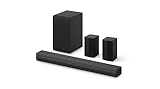
- New Dimensional Sound - Come home to the cinematic sound you’ve always wanted, and experience every heart-thumping, thrill-inducing, moment. With 4 channels backed by a booming wireless subwoofer and wireless rear speakers, this LG Soundbar delivers a big audio punch without taking up too much of your space—or budget. Dolby Digital and DTS Digital compatibility means you still get enhanced sound quality for all your shows, movies, music and more.
- Dolby Audio - Experience an unparalleled immersive journey with Dolby Audio. This LG Soundbar delivers an unforgettable listening experience with your favorite entertainment. Never miss a single detail, no matter where you're watching.
- Rear Speakers - Now there’s a surround sound system for rooms of all shapes and sizes. Our new rear surround speakers have wireless connectivity—that means no special receiver needed to deliver an immersive audio experience.
- WOW Orchestra - Create the perfect harmony using the audio from your LG TV and LG Soundbar to produce the ultimate listening experience. Feel every detail of sound. Use the LG TV and LG Soundbar speakers at the same time while using one remote to adjust the settings interchangeably.
- WOW Interface - Now, convenience is in your hand. Control your soundbar and your LG TV with one remote. Adjust the volume and audio settings, check the connection status and even select a sound mode on the screen, all from the TV remote.
These films often weaponize faith, folklore, or ancient forces not as exposition but as atmosphere. The supernatural is rarely explained in full, allowing the threat to feel vast and ancient rather than neatly contained. That lack of clarity makes the horror feel permanent, as if it existed long before the story began and will continue long after it ends.
Psychological Horror and the Fragility of Perception
Psychological horror cuts deepest when it destabilizes the viewer’s sense of reality alongside the characters’. Films such as Black Swan, The Babadook, and Jacob’s Ladder blur the line between internal collapse and external threat, forcing the audience to question every image and reaction. The fear is not just what happens, but whether it is happening at all.
This subgenre thrives on subjectivity. By trapping viewers inside fractured minds, these films turn anxiety, grief, and repression into active threats. The horror becomes intimate and invasive, making escape impossible because the danger is rooted in consciousness itself.
Home Invasion and the Violation of Safety
Home invasion horror is effective because it dismantles one of the most basic assumptions of comfort: that home equals safety. Films like Funny Games, The Strangers, and Inside strip away security room by room, transforming familiar spaces into sites of helplessness. The terror lies in proximity, in the realization that walls and locks offer only the illusion of protection.
These films often reject catharsis. Violence is abrupt, motivations are minimal or nonexistent, and survival feels arbitrary. By denying heroism or moral order, home invasion horror reflects a world where cruelty has no grand explanation, only devastating consequences.
Quick wins for a faster PC:
Fix the driver behind crashes, sound loss and screen glitchesFind Drivers →Repair Windows errors before they cause bigger problemsFix Now →Existential Horror and the Fear of Meaninglessness
Existential horror lingers because it attacks the idea that life follows understandable patterns. Films such as It Follows, The Lighthouse, and Aniara present universes governed by indifferent forces, where human logic and effort ultimately fail. The dread comes from confronting a reality that offers no answers and no mercy.
Rather than shocking the audience, these films exhaust them emotionally. They stretch tension across long stretches of silence, repetition, and inevitability, forcing viewers to sit with discomfort. The horror doesn’t end with a scare; it settles into the realization that some fears cannot be defeated, only endured.
Independent reader supportYour contribution helps us test, update, and keep practical guides available for everyone.Near Misses & Honorable Mentions: Great Horror That Fell Just Short
Not every effective horror film fits neatly into a list of the “actually scary.” Some come achingly close, delivering moments of real dread before faltering in execution, consistency, or impact. These films remain essential viewing, not because they fail, but because their ambitions often exceed their ability to sustain fear all the way through.
Atmosphere Without the Final Blow
Films like The Witch and Lake Mungo are masterclasses in mood, restraint, and creeping unease. Their slow-burn structures cultivate dread with patience and intelligence, yet for some viewers, the terror never quite crests into something overwhelming. The fear is profound but subtle, lingering intellectually rather than viscerally.
Similarly, The Blackcoat’s Daughter and Saint Maud build oppressive psychological landscapes that feel genuinely dangerous. Their finales offer striking imagery and thematic clarity, but the emotional distance they maintain can blunt the raw panic that defines truly devastating horror.
Conceptually Terrifying, Structurally Uneven
High-concept horrors often stumble under the weight of their ideas. Us and The Night House introduce haunting premises and unforgettable images, only to overexplain or dilute their mysteries before they can fully metastasize. The fear is present, but it arrives in waves rather than an unrelenting current.
In the same vein, In the Tall Grass and Color Out of Space contain flashes of cosmic terror that are deeply unsettling. However, inconsistent tone and narrative sprawl prevent their most frightening ideas from fully taking hold.
Effective Genre Exercises That Don’t Quite Break Through
Some films excel within their subgenres without redefining them. Sinister, The Descent, and Hell House LLC deliver potent scares, strong atmospheres, and moments of genuine terror. Yet they rely enough on familiar mechanics that seasoned horror viewers may feel the seams beneath the fear.
The Tool Desk
Outbyte PC Repair FREERepair Windows errors before they cause bigger problemsFix Now →Outbyte Driver Updater FREEFix the driver behind crashes, sound loss and screen glitchesFind Drivers →These movies work exceptionally well on first viewing, especially in the right setting, but their reliance on escalation and structure rather than sustained psychological pressure keeps them just outside the upper tier.
Disturbing Rather Than Consistently Scary
There is a difference between being shaken and being scared. Films like Martyrs, Antichrist, and Possession are emotionally and psychologically brutal, pushing viewers into deeply uncomfortable territory. Their power is undeniable, but the fear they generate is often conceptual or existential rather than immediate and nerve-wracking.
These are films that haunt through imagery and implication, not through sustained suspense. For many viewers, the experience is overwhelming without being traditionally frightening.
Why These Films Still Matter
Honorable mentions exist because horror is subjective, contextual, and deeply personal. A film that falls just short for one viewer may be devastating for another, depending on timing, expectations, and personal fears. These titles represent the genre’s depth and ambition, reminding us that genuine horror is not a checklist of scares, but a fragile balance of mood, meaning, and control.
Do these 3 things before closing this tab:
1Fix the driver behind crashes, sound loss and screen glitches2Clear out junk files and repair common Windows errors3Scan for outdated or missing drivers - takes under a minuteBest Value

- Wireless Subwoofer, Place It Anywhere: The wireless subwoofer connects to the soundbar without audio cables, giving you the freedom to place it anywhere in your room for flexible setup.
- Mica-Reinforced Drivers for Greater Accuracy: Mica-reinforced diaphragms increase driver rigidity by up to 30%, helping suppress cone breakup and unwanted resonance. The enhanced stability helps reduce distortion by up to 20%, delivering cleaner, more accurate sound with improved clarity and detail.
- VoiceMX Technology for Clear Dialogue: VoiceMX technology uses advanced DSP algorithms to isolate and enhance vocal frequencies in real time. By dynamically boosting the 120 Hz–6 kHz vocal range with adaptive EQ and gain control, dialogue stays clear and easy to follow in any scene.
- BassMX Deep Bass Technology: With an 18 mm high-excursion driver, 6.5 L tuned cabinet, and high-density magnetic circuit, the wireless subwoofer produces strong low-frequency output. BassMX optimizes 45–150 Hz bass for deeper, tighter, and more realistic sound at any volume.
- 240W Peak Output with 2.1 Channel System: Featuring a precision-tuned soundbar and a dedicated wireless subwoofer, the system delivers up to 240W of peak power for room-filling sound. With a frequency response of 45 Hz–18 kHz and a maximum SPL of 95 dB, it reproduces clear dialogue, detailed mids, and impactful bass for movies, music, and gaming.
They may not define what “actually scary” means for everyone, but they sharpen the boundaries of that definition. In doing so, they make the films that truly succeed feel even more potent by comparison.
How to Watch These Movies for Maximum Fear (Yes, It Matters)
If horror is a fragile balance of control, then the viewing environment is part of the film’s design. Many of the movies on this list don’t just scare through imagery or violence; they operate on silence, rhythm, and the slow tightening of dread. Watching them casually, distracted, or in the wrong setting can flatten experiences that are meant to burrow under your skin.
Control the Environment, Don’t Multitask
These films demand attention. Phones, second screens, or half-listening while scrolling break the tension that many of these stories spend an hour carefully constructing. Psychological and atmospheric horror works by accumulation, and once that pressure is released, it rarely rebuilds to the same effect.
Darkness matters, too. Not for jump scares, but because shadow, negative space, and visual ambiguity are essential tools in truly scary cinema. When your room mirrors the uncertainty on screen, your brain fills in gaps the film never has to show.
Crashes, No Sound, or Screen Glitches?
Random freezes, missing sound and display glitches usually trace back to one bad driver. Find and replace yours safely.Free scan · under a minuteWindows Errors? Fix Them Before They Spread
Repair common Windows errors and clear accumulated junk for a smoother, more stable PC - no reinstall needed.Free scan · no reinstallSound Design Is Not Optional
If possible, watch with headphones or a proper sound system. Many of the scariest moments in these films are not visual at all, but auditory: distant footsteps, low-frequency hums, offscreen movement, or voices that don’t quite belong.
Subtitles can be useful, but they can also undercut timing. Several films on this list use silence and delayed audio cues to unsettle you before you consciously register why. Let the sound wash over you first, then catch up intellectually.
Choose the Right Time, Not Just the Right Mood
Late night viewing isn’t a cliché; it’s practical. Fatigue lowers emotional defenses, making slow-burn horror more effective and dreamlike. Films that feel merely interesting during the day can become genuinely oppressive when watched in the quiet hours, when your sense of safety is already softened.
Avoid watching these movies back-to-back. Emotional exhaustion dulls fear, and many of these films rely on lingering tension rather than immediate payoff. One carefully chosen film is often more frightening than a marathon.
Free tools Windows power users keep installed
One-click scans. No signup required.
Adjust Expectations Before Pressing Play
Several titles here are not fast, loud, or immediately gratifying. Expecting constant shocks can lead to impatience, which is exactly what undermines their power. These films ask for trust, rewarding viewers who surrender to their pace rather than fight it.
Go in cold whenever possible. Trailers, plot summaries, and online discourse often pre-digest moments meant to arrive organically. The less you know, the more room the film has to destabilize you.
Let the Film End Before You Re-Enter Reality
Resist the urge to immediately analyze, Google, or discuss. Sit with the ending. Many of the most frightening films don’t conclude with release, but with unresolved tension meant to linger after the screen goes dark.
That uneasy quiet is part of the experience. If you allow it to settle, you’ll understand why these films don’t just scare in the moment, but stay with you long after the credits roll.
Final Verdict: What Real Horror Looks Like in an Age of Jump-Scare Fatigue
After decades of escalating volume, faster edits, and algorithm-approved shocks, modern audiences are understandably numb. The films on this list endure because they refuse to confuse surprise with fear. They understand that horror is not a momentary spike in heart rate, but a sustained invasion of comfort, logic, and emotional safety.
What separates these movies from the overhyped pack is restraint. They trust atmosphere over excess, implication over explanation, and mood over momentum. Fear, in their hands, is not something inflicted on the audience—it is something patiently cultivated until escape feels impossible.
Fear Is Built, Not Triggered
True horror doesn’t announce itself with a musical sting or a sudden cut. It accumulates quietly, scene by scene, until the world onscreen feels subtly, irrevocably wrong. By the time violence or the supernatural emerges, it feels inevitable rather than shocking.
Many of the most frightening films ever made contain fewer jump scares than viewers remember. What lingers instead is dread: the sense that something has already gone wrong long before the plot confirms it. That slow recognition is far more unsettling than any startle reflex.
The Scariest Films Respect the Audience
These movies assume patience, curiosity, and emotional intelligence. They do not rush to explain their monsters, their rules, or their metaphors, because fear thrives in uncertainty. By withholding answers, they allow viewers to project their own anxieties into the gaps.
This is why genuinely scary films often divide audiences on first release. They are not engineered for immediate consensus or social media reaction. Over time, however, their power becomes undeniable, passed along by viewers who remember how they felt, not just what happened.
Horror That Lasts Beyond the Screen
The ultimate test of a horror film is not how loudly it scares you, but how long it stays with you. The best entries here linger in memory as images, sounds, or unresolved questions that resurface when you least expect them. They haunt rather than entertain.
In an era flooded with content designed for instant reaction, these films remind us what horror is capable of when it slows down and digs deeper. Real horror doesn’t beg for attention. It waits patiently, confident that if you let it in, it won’t leave quietly.
Quick Recap
Product prices and availability are accurate as of the date/time indicated and are subject to change. Any price and availability information displayed on Amazon at the time of purchase will apply.