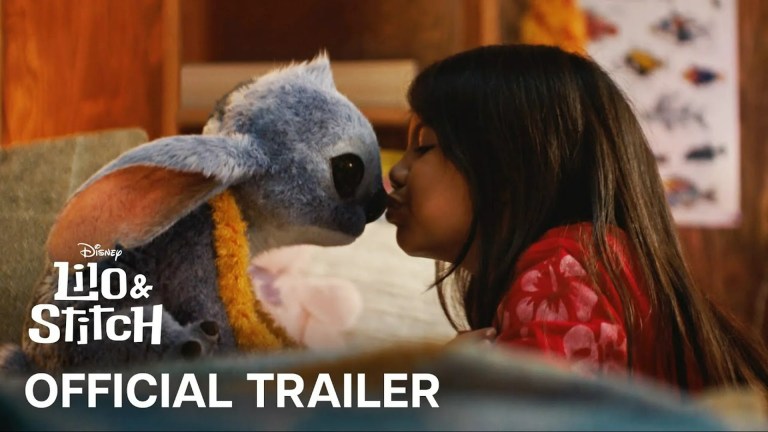
Marvel fans aren’t imagining it. Searches for “Avengers: Doomsday trailer” have exploded thanks to a perfect storm of MCU uncertainty, viral social media clips, and a growing hunger for clarity about where the franchise is headed next. With Marvel Studios reshuffling its long-term plans after the Kang pivot and quietly repositioning its next Avengers event, the absence of an official announcement has only amplified speculation.
At the same time, YouTube, TikTok, and X have been flooded with highly polished trailers labeled as Avengers: Doomsday, many of them racking up millions of views in days. Some splice together footage from past MCU films, others lean heavily into AI-generated visuals and voiceovers, and a few even mimic Marvel Studios’ official trailer structure closely enough to fool casual viewers. The result is a confusing media landscape where fans are convinced multiple trailers exist, even though Marvel has not formally unveiled a single one.
That confusion is exactly why so many people are searching right now. Viewers want to know which of the four widely shared Avengers: Doomsday trailers are real, which are fan-made passion projects, which rely on AI tools, and where each one actually came from. This guide breaks down how to watch all of them, what they represent, and how to enjoy the creativity without mistaking speculation for studio canon.
The Big Picture: Has Marvel Studios Officially Released an ‘Avengers: Doomsday’ Trailer?
The short, definitive answer is no. As of now, Marvel Studios has not officially released a trailer for a film titled Avengers: Doomsday, nor has the studio formally announced that title as part of its theatrical slate. Any video currently circulating online under that name is not an official Marvel Studios marketing release.
What’s actually slowing this PC down?
Pick the symptom - the matching free tool is one click away.
#1 Best Overall
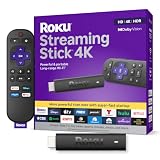
- Stunning 4K and Dolby Vision streaming made simple: With America’s number 1 TV streaming platform,* exploring popular apps—plus tons of free movies, shows, and live TV—is as easy as it is fun. *Based on hours streamed—Hypothesis Group
- Breathtaking picture quality: Stunningly sharp 4K picture brings out rich detail in your entertainment with four times the resolution of HD. Watch as colors pop off your screen and enjoy lifelike clarity with Dolby Vision and HDR10+.
- Seamless streaming for any room: With Roku Streaming Stick 4K, watch your favorite entertainment on any TV in the house, even in rooms farther from your router thanks to the long-range Wi-Fi receiver.
- Shows on the go: Take your TV to-go when traveling—without needing to log into someone else’s device.
- Compact without compromises: Our sleek design won’t block neighboring HDMI ports, so you can switch from streaming to gaming with ease. Plus, it’s designed to stay hidden behind your TV, keeping wires neatly out of sight
That clarity matters, because the sheer volume and polish of what’s out there makes the situation feel far more ambiguous than it actually is. Multiple videos labeled as Avengers: Doomsday trailers are being shared across YouTube, TikTok, and X, and several have amassed millions of views, often without clear disclaimers about their origin.
Why the Confusion Feels So Convincing
Marvel’s silence has unintentionally fueled the confusion. With Avengers: The Kang Dynasty undergoing major changes and Avengers: Secret Wars still positioned as the saga’s endpoint, fans know another large-scale Avengers event is coming, even if its final form remains unclear. That gap between expectation and confirmation has become fertile ground for speculation disguised as trailers.
Adding to that uncertainty is how closely some of these videos mirror Marvel Studios’ real trailer language. Familiar title cards, slowed-down musical cues, carefully timed character reveals, and even faux studio logos all contribute to the illusion of legitimacy, especially for casual viewers scrolling quickly through social feeds.
So Where Did the Four “Trailers” Actually Come From?
All four widely shared Avengers: Doomsday trailers fall into unofficial categories, but they’re not all the same. One is a traditional fan edit built entirely from existing MCU footage, recontextualized to suggest a darker, apocalyptic Avengers storyline. Another relies heavily on AI-generated visuals and voiceovers, including synthetic dialogue attributed to major MCU characters.
Do these 3 things before closing this tab:
1Clear out junk files and repair common Windows errors2Scan for outdated or missing drivers - takes under a minute3Repair Windows errors before they cause bigger problemsA third blends real Marvel footage with AI-assisted imagery and fan-made visual effects, walking a gray line that makes it harder to immediately identify as unofficial. The fourth often appears to be the “most real” to viewers, using authentic trailer structures and high-quality editing, but it, too, originates from a fan channel rather than Marvel Studios.
How Marvel Studios Actually Releases Trailers
When Marvel Studios launches an official trailer, it does so in unmistakable ways. Releases are coordinated across Marvel’s verified YouTube channel, Disney’s official platforms, and major entertainment outlets, often accompanied by press releases, social media announcements, and cast or producer interviews. None of those signals have occurred for Avengers: Doomsday.
If a trailer appears only on creator channels, lacks confirmation from Marvel’s verified accounts, or is framed with vague language like “concept trailer” or “fan-made,” it should be treated as unofficial, no matter how impressive it looks.
Enjoying the Hype Without Falling for Misinformation
None of this means fans are wrong to enjoy these trailers. On the contrary, they reflect how deeply invested audiences remain in the MCU’s future and how creatively fans are filling the void left by Marvel’s deliberate secrecy. The key is understanding what you’re watching.
Crashes, No Sound, or Screen Glitches?
Random freezes, missing sound and display glitches usually trace back to one bad driver. Find and replace yours safely.Free scan · under a minuteWindows Errors? Fix Them Before They Spread
Repair common Windows errors and clear accumulated junk for a smoother, more stable PC - no reinstall needed.Free scan · no reinstallThink of the four Avengers: Doomsday trailers not as previews of an upcoming film, but as speculative art pieces. They’re visual thought experiments, imagining what the next Avengers chapter could look like, not confirmations of what Marvel Studios is actually making.
Trailer #1: The “Official” YouTube Trailer — Where It Came From and Why It Looks Convincing
This is the trailer most viewers encounter first, often labeled simply as “Avengers: Doomsday | Official Trailer” on YouTube. It’s usually the highest-viewed version, pushed by the algorithm because it looks and feels like something Marvel Studios would release. That presentation alone has led countless fans to assume it’s legitimate.
Despite the title, this trailer does not originate from Marvel Studios or Disney. It comes from a well-known fan trailer channel that specializes in concept edits designed to mimic official marketing beats as closely as possible.
Where This Trailer Actually Comes From
The so-called “official” YouTube trailer is a fan-made compilation built from existing MCU footage, deleted scenes, and clips from non-Avengers projects. You’ll spot moments pulled from Avengers: Endgame, Loki, Doctor Strange in the Multiverse of Madness, Eternals, and even older Phase Three films, all re-edited to suggest a looming, world-ending threat.
Quick wins for a faster PC:
Fix the driver behind crashes, sound loss and screen glitchesFind Drivers →Repair Windows errors before they cause bigger problemsFix Now →Scan for outdated or missing drivers - takes under a minuteDriver Scan →Most versions also include a dramatic score lifted from other blockbuster trailers, often paired with carefully selected dialogue snippets. None of that audio was recorded for Avengers: Doomsday, but when stripped of context, it feels eerily specific.
Why It Looks So Believable at First Glance
What makes this trailer convincing is its structure. It follows Marvel’s exact trailer rhythm: a quiet opening monologue, escalating stakes at the midpoint, rapid-fire action shots, and a final ominous title card. For casual viewers, those familiar beats register as authenticity.
Rank #2

- Ultra-speedy streaming: Roku Ultra is 30% faster than any other Roku player, delivering a lightning-fast interface and apps that launch in a snap.
- Cinematic streaming: This TV streaming device brings the movie theater to your living room with spectacular 4K, HDR10+, and Dolby Vision picture alongside immersive Dolby Atmos audio.
- The ultimate Roku remote: The rechargeable Roku Voice Remote Pro offers backlit buttons, hands-free voice controls, and a lost remote finder.
- No more fumbling in the dark: See what you’re pressing with backlit buttons.
- Say goodbye to batteries: Keep your remote powered for months on a single charge.
The editing is professional, the color grading is consistent, and the pacing mirrors recent Avengers marketing. It doesn’t rely on obvious AI visuals or synthetic voices, which helps it avoid the red flags seen in other fake trailers.
Where to Watch It and How to Spot the Tell
You can find this trailer easily on YouTube by searching “Avengers: Doomsday official trailer,” where it appears on fan channels with millions of views. The key giveaway is not the video itself, but the channel hosting it. Marvel Studios trailers only debut on Marvel’s verified YouTube account and are immediately echoed by Disney and major entertainment outlets.
The Tool Desk
Outbyte Driver Updater FREEScan for outdated or missing drivers - takes under a minuteDriver Scan →Outbyte PC Repair FREERepair Windows errors before they cause bigger problemsFix Now →Another clue is the fine print. Many uploads quietly include disclaimers like “concept trailer” or “fan-made” in the description, even if the title suggests otherwise. If that language is present, it confirms the trailer is an imaginative edit, not a sanctioned preview.
This trailer succeeds because it understands how Marvel sells anticipation. It feels real because it’s built from the DNA of real MCU marketing, even though the movie it teases has not been officially revealed in this form.
Trailer #2: The AI-Generated Cinematic Trailer Dominating TikTok and Shorts
If Trailer #1 feels convincing because it repurposes real MCU footage, Trailer #2 goes a step further by fabricating moments that never existed at all. This is the version exploding across TikTok, YouTube Shorts, and Instagram Reels, often labeled simply as “Avengers: Doomsday Trailer” with no qualifiers. It’s shorter, punchier, and designed to stop viewers mid-scroll.
Unlike the re-edited footage versions, this trailer leans heavily on AI-generated visuals, synthetic dialogue, and digitally altered character performances. The result feels like a hyper-stylized Marvel teaser rather than a traditional trailer, which is exactly why it spreads so quickly on short-form platforms.
What You’re Actually Seeing on Screen
This trailer stitches together AI-enhanced shots of familiar Avengers faces placed into entirely new scenarios. You’ll often see characters like Doctor Doom, Kang variants, or a corrupted Avengers lineup appear in lighting and environments that don’t match any existing MCU project. Faces may look slightly too smooth, eye movement can feel unnatural, and costumes often resemble comic designs rather than screen-accurate suits.
The dialogue is another giveaway. Lines attributed to Robert Downey Jr., Benedict Cumberbatch, or Chris Hemsworth are almost always AI-generated voice models, not lifted from real interviews or films. They sound convincing in isolation, but longer clips reveal odd cadences and emotional beats Marvel actors rarely miss.
Why This Trailer Thrives on TikTok and Shorts
Short-form platforms reward spectacle over context, and this trailer is built exactly for that environment. Most versions run between 30 and 60 seconds, hitting big reveals immediately instead of building narrative. Viewers are shown Doom’s mask, multiversal destruction, or Avengers clashing with shadowy variants within the first few seconds.
Because TikTok and Shorts autoplay without descriptions front and center, disclaimers are easy to miss or entirely absent. Many viewers encounter the trailer without ever seeing the words “AI concept” or “fan-made,” which fuels the assumption that it’s a leaked or early official teaser.
Where to Watch It and How to Identify It Instantly
You can find this trailer by searching “Avengers: Doomsday AI trailer” or simply “Avengers Doomsday” on TikTok and YouTube Shorts, where multiple accounts repost near-identical versions. None of these uploads originate from Marvel Studios, Disney, or any verified studio-affiliated channel.
The fastest way to identify this trailer is by looking for visuals that don’t align with MCU production reality. Fully formed Doctor Doom scenes, multiverse mashups with no grounding in current Phase plans, and AI-generated voiceovers are all immediate indicators. Marvel does not release vertical-only trailers, nor does it debut major Avengers footage on Shorts platforms first.
Enjoying It Without Falling for the Misinformation
This trailer isn’t trying to deceive as much as it’s trying to imagine. It reflects what fans want Avengers: Doomsday to feel like, not what Marvel has officially announced or filmed. When viewed through that lens, it becomes a fascinating piece of fan culture and a showcase of how AI is reshaping fandom creativity.
Just remember that no matter how cinematic it looks, this trailer represents speculation, not studio intent. Watching it is fun, sharing it as official news is where confusion starts, especially for casual fans trying to track what Marvel has actually confirmed.
Free tools Windows power users keep installed
One-click scans. No signup required.
Rank #3

- The Google TV Streamer (4K) delivers your favorite entertainment quickly, easily, and personalized to you[1,2]
- HDMI 2.1 cable required (sold separately)
- See movies and TV shows from all your services right from your home screen[2]; and find new things to watch with tailored recommendations for everyone in your home based on their interests and viewing habits
- Watch live TV and access over 800 free channels from Pluto TV, Tubi, and more[3]; if you find an interesting show or movie on your TV, mobile app, or Google search, you can easily add it to your watchlist, so it’s ready when you are[2]
- Up to 4K HDR with Dolby Vision delivers captivating, true-to-life detail[4]; and you can connect speakers that support Dolby Atmos for more immersive 3D sound
Trailer #3: The Fan-Edited Multiverse Trailer Using Past MCU Footage
If Trailer #2 leans heavily on AI-generated imagery, Trailer #3 operates on a different kind of illusion. This version is a carefully assembled fan edit that pulls exclusively from real MCU films and Disney+ series, rearranged to suggest an Avengers: Doomsday storyline. Because every shot technically comes from official Marvel releases, it often feels more legitimate at first glance.
This trailer thrives on recognition. Viewers spot familiar moments from Avengers: Endgame, Loki, Multiverse of Madness, No Way Home, and even older Phase One and Two films, all recontextualized to imply a looming multiversal collapse. The edit creates a false sense of continuity by stitching together moments that were never meant to coexist narratively.
What This Trailer Is Actually Made Of
Unlike AI-driven trailers, nothing here is fabricated from scratch. Every character, explosion, and dramatic close-up is lifted from previously released MCU projects, often color-graded and slowed down to feel new. Dialogue is frequently repurposed, with lines taken out of context to imply threats or alliances that never existed.
Doctor Doom’s presence, when suggested at all, is usually implied through ominous narration, reaction shots from other villains, or unrelated imagery standing in for him. Some versions even use footage from non-MCU Marvel properties, which is a major red flag once you know what to look for. Marvel Studios does not repurpose older scenes to tease upcoming Avengers films.
Where It Circulates and Why It’s So Convincing
This trailer is most commonly found on YouTube, Facebook Watch, and longer-form TikTok uploads, often labeled simply as “Avengers: Doomsday Trailer” without clarification. Because the footage is entirely real and professionally edited, it avoids the uncanny visuals that tip off AI content. For casual viewers, that makes it one of the easiest fake trailers to mistake for an official teaser.
The editing style also mirrors Marvel’s marketing rhythm, with slow builds, quiet character beats, and a final crescendo of multiverse chaos. That familiarity is intentional. It’s designed to feel like something Marvel could release, even though Marvel never recuts old footage to announce new films.
How to Spot It in Seconds
The quickest giveaway is the timeline problem. Characters who are dead, retired, or canonically separated by years of story are shown reacting to the same event. You’ll also notice repeated shots that MCU fans recognize instantly, only reframed to suggest new stakes.
Another key indicator is the absence of any new imagery. Official Marvel trailers always debut at least some never-before-seen footage. If everything feels familiar but rearranged, you’re watching a fan edit, not a leak.
Recommended Free Tools
Why This Trailer Still Has Value for Fans
Despite the confusion it causes, this trailer represents the most traditional form of fan creativity. It’s a love letter to the MCU’s visual history, showing how much narrative weight those moments still carry when remixed. For longtime fans, it can be fun to see how easily past films can be reshaped into a new hypothetical future.
Just keep it in the right mental category. This is a speculative edit built from nostalgia and imagination, not a roadmap to Marvel’s next Avengers event. Appreciated as fan art, it’s impressive. Treated as official, it’s misleading, and that distinction matters more than ever in the age of viral trailers.
Trailer #4: The Concept Trailer Built Around Leaks, Rumors, and Comic Lore
The fourth and final “Avengers: Doomsday” trailer circulating online is the most speculative of the bunch, and arguably the most fascinating. This version isn’t built from existing MCU footage alone or stitched together with obvious AI visuals. Instead, it blends motion graphics, concept art, comic panels, leaked casting rumors, and carefully chosen dialogue clips into something that feels halfway between a trailer and a pitch deck.
For viewers deep into Marvel theory culture, this is the trailer that pulls from everything fans have been debating for years. Doctor Doom as a multiversal threat. Variants colliding across timelines. Secret Wars imagery reframed under the “Doomsday” title. None of it is confirmed, but all of it is grounded in real Marvel lore, which makes it especially compelling.
What You’re Actually Watching
Unlike the previous fan edits, this trailer rarely pretends to be real footage from an unreleased film. Instead, it leans into animated sequences, illustrated backdrops, and stylized text cards that outline a possible story. You’ll often see phrases like “Based on Marvel Comics” or “Inspired by Leaks” baked directly into the video.
Many versions also incorporate well-known but unverified industry rumors, including alleged casting returns, multiverse variants, and plot beats tied to Secret Wars-era comics. These elements are presented with confidence, even though none of them have been officially announced by Marvel Studios. That presentation can blur the line for casual viewers who don’t follow Marvel news closely.
Rank #4

- Advanced 4K streaming - Elevate your entertainment with the next generation of our best-selling 4K stick, with improved streaming performance optimized for 4K TVs.
- The newest Fire TV experience (2026) – Our biggest update to Fire TV has a new, modern design that gets you to your entertainment fast. Browse dedicated content categories, pin more of your favorite apps, and get personalized recommendations from Alexa+. Spend less time scrolling, and more time watching.
- Cloud gaming, no console required – Stream Call of Duty: Black Ops 7, Hogwarts Legacy, Outer Worlds 2, Ninja Gaiden 4, and hundreds of games on your Fire TV Stick 4K Select with Xbox Game Pass and Luna via cloud gaming. Xbox Game Pass subscription and compatible controller required. Each sold separately.
- Smarter picks with Alexa+ – Getting to what you love has never been easier. Press the voice remote button and talk naturally to find what to watch across your apps, manage your smart home, or dive into virtually any topic.
- Wi-Fi 6 support - Enjoy smooth 4K streaming, even when other devices are connected to your router.
Where It Circulates and How It’s Framed
This concept-style trailer is most commonly shared on YouTube and X (formerly Twitter), often by channels that specialize in “concept trailers” or “what if” storytelling. On TikTok and Instagram Reels, it’s frequently chopped into segments, removing disclaimers and making it easier to mistake for an actual teaser.
Titles are usually the biggest source of confusion. Many uploads are labeled “Avengers: Doomsday Official Trailer” or “Marvel Studios Concept Trailer,” relying on thumbnails with the Marvel logo to do the rest of the work. The lack of clear labeling is why this version spreads so easily.
Free tools Windows power users keep installed
One-click scans. No signup required.
Why Fans Keep Falling for It
The reason this trailer works is simple: it reflects what fans already expect or want the next Avengers movie to be. The ideas aren’t random. They’re pulled directly from years of comic arcs, credible leaks, and Marvel’s own multiverse setup across Phase Four and Five.
Because Marvel Studios has publicly acknowledged concepts like incursions, variants, and multiversal collapse, a trailer built around those ideas feels plausible. Even when the visuals are clearly conceptual, the narrative logic feels “right,” which is often enough to override skepticism.
How to Watch It Without Being Misled
If you’re searching for this trailer, look for uploads that clearly use words like “concept,” “fan-made,” or “speculative” in the description. Reputable creators usually explain their sources and inspirations, even when the title itself is click-driven.
Most importantly, remember that Marvel Studios does not release trailers made from concept art, leaked rumors, or comic panels. When the real Avengers film marketing begins, it will debut through official Marvel channels with unmistakably new footage. Until then, this trailer is best enjoyed as a snapshot of collective fan imagination, not a preview of what’s actually coming.
Crashes, No Sound, or Screen Glitches?
Random freezes, missing sound and display glitches usually trace back to one bad driver. Find and replace yours safely.Free scan · under a minutePC Slower Than It Used to Be?
A free scan shows the junk files, broken settings and background clutter dragging Windows down - then fixes them in one click.Free scan · Windows 10 & 11How to Watch All Four Trailers Safely (Without Falling for Fake Links or Clickbait)
At this point, it’s important to reset expectations. There are currently four widely shared “Avengers: Doomsday” trailers circulating online, but none of them are official Marvel Studios releases. Each one comes from a different corner of fan culture, and knowing where they originate is the key to watching them safely and with the right context.
Below is how to find each version without risking sketchy links, misleading uploads, or misinformation.
Trailer #1: The “Official Teaser” That Isn’t Official
This is the version most likely to trick casual viewers. It’s usually labeled something like “Marvel Studios’ Avengers: Doomsday | Official Teaser” and often features a dramatic logo reveal, booming narration, and recycled MCU footage.
You can safely watch this version directly on YouTube by sticking to the platform itself and avoiding external links in video descriptions or pinned comments. Check the channel name carefully. If it isn’t Marvel Entertainment or Marvel Studios, it is not official, regardless of how convincing the branding looks.
Trailer #2: The AI-Generated Cinematic Trailer
This trailer typically leans into ultra-polished visuals, synthetic voiceovers, and imagery that looks almost real but slightly off. It often includes AI-generated shots of characters who have never appeared together or costumes that don’t exist in the MCU.
These videos are safest to watch directly on YouTube or TikTok from creators who openly discuss AI filmmaking or experimental trailers. Avoid versions reposted on random websites promising “full HD” or “exclusive footage,” as those are common bait-and-switch tactics.
Trailer #3: The Fan-Made Concept Trailer
This is the most creatively ambitious and, in many ways, the most honest of the four. It’s usually built from MCU footage, comic panels, concept art, and carefully edited music to imagine what Avengers: Doomsday could look like.
To watch it safely, look for uploads where the creator clearly labels the video as a concept or fan trailer in the description. Reputable channels often pin comments explaining their sources and inspirations. These versions are best enjoyed on YouTube or X, where creator context is easiest to verify.
What’s actually slowing this PC down?
Pick the symptom - the matching free tool is one click away.
Best Value

- Essential 4K streaming – Get everything you need to stream in brilliant 4K Ultra HD with High Dynamic Range 10+ (HDR10+).
- The newest Fire TV experience (2026) – Our biggest update to Fire TV has a new, modern design that gets you to your entertainment fast. Browse dedicated content categories, pin more of your favorite apps, and get personalized recommendations from Alexa+. Spend less time scrolling, and more time watching.
- Make your TV even smarter – Fire TV gives you instant access to a world of content, tailor-made recommendations, and Alexa, all backed by fast performance.
- All your favorite apps in one place – Experience endless entertainment with access to Prime Video, Netflix, YouTube, Disney+, Apple TV+, HBO Max, Hulu, Peacock, Paramount+, and thousands more. Easily discover what to watch from hundreds of thousands of movies and TV episodes (subscription fees may apply), including free, ad-supported content.
- Getting set up is easy – Plug in and connect to Wi-Fi for smooth streaming.
Trailer #4: The Social Media Micro-Trailer
This version doesn’t exist as a single upload. Instead, it’s a patchwork of clips pulled from the other three trailers and reposted across TikTok, Instagram Reels, and Shorts, often without any disclaimers.
If you want to see where a clip actually comes from, reverse-search the title or dialogue on YouTube rather than clicking profile links or bio URLs. Social platforms reward engagement, not accuracy, so this is where misinformation spreads fastest.
The One Rule That Never Fails
Marvel Studios releases trailers in exactly one way: through its verified YouTube channel and official social accounts, followed immediately by coverage from major entertainment outlets. There are no surprise drops, no third-party exclusives, and no trailers that quietly appear without press support.
Until Marvel publicly announces Avengers: Doomsday and begins its marketing campaign, every trailer you see is fan-made, AI-assisted, or speculative by definition. Watching them can still be fun, as long as you know what you’re actually watching and where it’s coming from.
How to Tell Official Marvel Trailers Apart from Fan-Made and AI Content Going Forward
With Avengers: Doomsday still unannounced, the confusion around trailers is less about deception and more about volume. Marvel fandom is creative, fast-moving, and deeply invested, which makes it easy for speculative content to outrun verified information. Knowing a few consistent markers will help you enjoy every trailer for what it is without mistaking it for something it’s not.
Marvel Only Releases Trailers Through One Pipeline
Every official Marvel Studios trailer debuts on the verified Marvel Entertainment YouTube channel, followed within minutes by posts on Marvel’s official X, Instagram, and Facebook accounts. Entertainment outlets like Variety, The Hollywood Reporter, and MovieWeb then publish synchronized coverage breaking down the footage.
If a video claims to be an official trailer but lacks this immediate media echo, it isn’t real. Marvel does not soft-launch trailers, test them on TikTok, or allow third-party channels to debut exclusive footage.
Descriptions and Credits Tell You Everything
Fan-made and AI-assisted trailers are usually honest if you read beyond the thumbnail. Look for phrases like “concept trailer,” “AI-generated,” “fan edit,” or “speculative footage” in the description or pinned comments.
Creators who are transparent about their process are part of the fandom, not the misinformation problem. The red flag is a video that avoids explanation entirely while promising things like “leaked footage” or “official HD trailer.”
Watch Where Context Is Preserved
YouTube is the safest place to view all four widely shared Avengers: Doomsday trailers because it preserves titles, descriptions, upload dates, and creator history. This makes it easier to identify Trailer #1 as a repurposed MCU edit, Trailer #2 as AI-generated experimentation, Trailer #3 as a labeled fan concept, and Trailer #4 as social media fragments without a single source.
TikTok, Reels, and Shorts strip away that context, which is why the same clip can feel official when it isn’t. If you discover a trailer there, use it as a pointer, then search for the full version on YouTube.
Pay Attention to What the Footage Actually Shows
Official Marvel trailers always include new, never-before-seen footage tied to a confirmed production. Fan trailers rely on familiar MCU scenes, altered dialogue, comic art, or imagery that feels impressive but oddly disconnected from continuity.
If you recognize shots from Infinity War, Endgame, or unrelated Disney+ series, you’re watching an edit, not a preview. AI trailers often add hyper-dramatic narration or faces that feel almost right, which is another tell.
Marketing Timing Still Matters
Marvel trailers arrive as part of a larger campaign that includes posters, logos, press releases, and cast announcements. There is no scenario where a legitimate Avengers trailer exists in isolation.
Until Marvel Studios formally announces Avengers: Doomsday, all four circulating trailers exist in the realm of fan culture. That doesn’t make them worthless, but it does define how they should be watched.
The smartest way to approach Avengers: Doomsday trailers right now is with curiosity, not expectation. Enjoy the creativity, appreciate the craft, and keep one eye on Marvel’s official channels. When the real trailer finally drops, there won’t be any doubt, because the entire internet will know at the same time.
Quick Recap
Product prices and availability are accurate as of the date/time indicated and are subject to change. Any price and availability information displayed on Amazon at the time of purchase will apply.