When Idiocracy hit theaters in 2006, it wasn’t so much released as quietly abandoned. Mike Judge, fresh off the success of Office Space and King of the Hill, had made a broad, absurdist satire about a future undone by anti-intellectualism, corporate worship, and the slow erosion of civic competence. What he didn’t expect was for the studio to treat the film itself like an embarrassing secret.
The premise was simple and intentionally dumb: an average guy wakes up 500 years in the future to discover that he’s now the smartest person alive. What made it radioactive at the time was how aggressively it mocked American culture, capitalism, and media saturation without offering a comforting punchline. In the mid-2000s, that kind of mirror wasn’t something Hollywood was eager to hold up.
| # | Preview | Product | Price | |
|---|---|---|---|---|
| 1 |
|
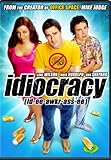
Idiocracy | $13.66 | Buy on Amazon |
| 2 |

|
IDIOCRACY (WS/RPKG) IDIOCRACY (WS/RPKG) | $13.51 | Buy on Amazon |
| 3 |

|
Idiocracy | Buy on Amazon | |
| 4 |

|
Idiocracy - Widescreen Edition DVD (Includes Special Features) | $19.74 | Buy on Amazon |
A Studio Release in Name Only
20th Century Fox technically distributed Idiocracy, but only in the most literal sense. The film received a microscopic theatrical rollout, opening in a handful of cities with almost no marketing, no press push, and no clear explanation. Judge has since said the studio appeared unsure how to sell a movie that seemed to insult everyone at once, including the systems that funded it.
This wasn’t a last-minute failure of confidence. Idiocracy sat on a shelf for nearly two years after completion, during which the cultural landscape it mocked only became more recognizable. By the time it limped into theaters, the box office fate was sealed, earning barely enough to register before vanishing entirely.
The Tool Desk
Outbyte Driver Updater FREEFix the driver behind crashes, sound loss and screen glitchesFind Drivers →Outbyte PC Repair FREERepair Windows errors before they cause bigger problemsFix Now →#1 Best Overall
The Long, Inevitable Second Life
But burial turned out to be a strange kind of blessing. Freed from box office expectations, Idiocracy found its audience the slow way: through DVDs, late-night cable, and eventually, the internet’s endless appetite for clips that feel uncomfortably accurate. Lines that once sounded cartoonish began circulating as memes, stripped of context and reposted as commentary.
What was once dismissed as crude exaggeration gradually took on the aura of accidental prophecy. As social media, influencer culture, and algorithm-driven thinking reshaped daily life, Idiocracy stopped feeling like a joke about the future and started feeling like an early draft of the present. That transformation is exactly why, nearly two decades later, people keep rediscovering it—and why streaming it for free now feels less like nostalgia and more like homework.
The Joke That Became the Premise: Why Idiocracy Was Never Really About Stupidity
The most persistent misunderstanding about Idiocracy is baked right into its title. On the surface, it looks like a blunt, even cruel joke about intelligence declining over time. But Mike Judge was never interested in calling people dumb; he was skewering systems that reward the loudest, fastest, and most profitable ideas regardless of consequence.
Intelligence Wasn’t the Punchline, Incentives Were
In Idiocracy, society doesn’t collapse because people suddenly lose the ability to think. It collapses because every major institution stops valuing thinking at all. Corporations run the government, branding replaces policy, and expertise becomes irrelevant unless it can be monetized or turned into entertainment.
The future Judge imagines isn’t anti-intellectual so much as aggressively anti-reflective. Nobody asks why something works or doesn’t; they just keep doing it louder. That distinction is what makes the film feel uncomfortably familiar now, in an era where engagement metrics often matter more than outcomes.
Satire of Convenience Culture, Not Human Nature
What Idiocracy really mocks is a culture addicted to convenience. From automated everything to products designed to remove even the smallest friction, the movie imagines a world where effort itself becomes suspicious. Thinking critically is treated like a weird hobby, not a necessary skill.
That joke has only sharpened with time. Today’s algorithms promise frictionless experiences, but they also flatten nuance and reward repetition. The film’s future society isn’t populated by villains or fools; it’s filled with people doing exactly what the system has trained them to do.
Why the Movie Feels Smarter Now Than It Did in 2006
When Idiocracy first arrived, its exaggerations felt mean-spirited or absurd. Energy drinks watering crops, pro wrestling aesthetics in politics, and slogans replacing arguments all seemed pushed too far. Nearly two decades later, those ideas land less like satire and more like escalation.
What’s actually slowing this PC down?
Pick the symptom - the matching free tool is one click away.
The cultural shift isn’t that audiences got smarter. It’s that the movie’s targets became impossible to ignore. Watching it now, especially with the ease of free streaming, feels less like revisiting a cult comedy and more like spotting the early warning signs hiding in plain sight.
Accidental Prophecy: The Themes That Hit Harder in 2025 Than They Did in 2006
What makes Idiocracy linger isn’t that it predicted specific events, but that it correctly diagnosed the trajectory. Mike Judge wasn’t guessing the future so much as exaggerating the present until its logic snapped into focus. In 2025, that exaggeration feels less cartoonish and more like a rough draft of headlines we now scroll past daily.
The Attention Economy as Governance
In Idiocracy, everything from lawmaking to medical care is filtered through what gets the biggest reaction. Decisions aren’t made to solve problems; they’re made to keep the crowd entertained and compliant. The loudest idea wins, regardless of whether it works.
That dynamic hits harder now, when virality often outranks accuracy and outrage functions like a renewable energy source. The movie’s joke about a society ruled by spectacle feels eerily aligned with an era where visibility is power and attention is the real currency.
Corporate Logic Replacing Civic Logic
Judge’s future America doesn’t fall under authoritarian rule. It’s franchised into oblivion. Corporations don’t just influence policy; they become policy, with branding doing the work that governance used to handle.
That idea felt extreme in 2006, back when corporate satire still had novelty. In 2025, watching Idiocracy stream for free plays like a crash course in how easily public good can be rebranded as a product feature, especially when accountability is bad for business.
The Slow Death of Expertise
Idiocracy never argues that experts disappear. They’re still around; they’re just ignored. Knowledge exists, but it’s drowned out by confidence, volume, and simplified narratives that feel better than complicated truths.
In a media ecosystem where every opinion looks equal on a screen, that joke cuts deeper. The film’s most unsettling insight is that anti-intellectualism doesn’t need hostility. It just needs apathy.
Language, Literacy, and Algorithmic Decay
The movie’s exaggerated slang and fractured communication once played like broad comedy. Now, it feels closer to a commentary on how language mutates when optimized for speed, clicks, and maximum engagement.
Idiocracy understands that when communication is designed to be frictionless, meaning is often the first casualty. Watching it in 2025, you can’t help noticing how much of our daily discourse already resembles a punchline that went too far and stuck.
Why Watching It Now Feels Different
Streaming Idiocracy today isn’t about nostalgia or reclaiming a misunderstood comedy. It’s about seeing how a cult film quietly aged into relevance while everyone was arguing about whether it was too cynical. Free access only sharpens that effect, removing barriers and letting the movie speak for itself.
The unsettling part isn’t how much it got right. It’s how little it needed to change to feel current.
Brawndo, Brands, and Brain Rot: Consumerism, Media Saturation, and the Algorithm Age
Idiocracy’s most enduring joke isn’t that society got dumber. It’s that everything became a brand first and an idea second. The movie imagines a future where corporate slogans replace thought, advertising replaces communication, and consumption is treated as a civic duty.
What once felt like cartoon exaggeration now reads like a prototype for the algorithm age, where attention is harvested, refined, and resold until culture itself feels like a sponsored post.
Brawndo Isn’t a Joke Anymore
Brawndo, the all-purpose sports drink that replaces water because marketing says so, is the film’s sharpest satire. It’s not just product placement run amok; it’s a system where branding overrides evidence, logic, and lived reality.
In 2025, that premise barely qualifies as fiction. Wellness trends go viral before they’re vetted, AI-generated ads promise impossible results, and influencer endorsements carry more weight than expertise. Brawndo feels less like parody and more like a business model.
Do these 3 things before closing this tab:
1Clear out junk files and repair common Windows errors2Scan for outdated or missing drivers - takes under a minute3Repair Windows errors before they cause bigger problemsWhen Everything Is Content, Nothing Is Meaningful
Idiocracy’s media landscape is a blur of screaming graphics, endless entertainment, and sensory overload. The goal isn’t to inform or enrich, but to keep viewers locked in a perpetual loop of stimulation.
That joke lands harder now that algorithms reward outrage, repetition, and emotional spikes. The movie understands something we’re still grappling with: when media is designed to maximize engagement, depth becomes a liability.
Advertising as Identity
In Judge’s future, brands don’t just sell products; they sell identity, morality, and belonging. People don’t make choices so much as they align with logos that do the thinking for them.
That hits differently in a culture where self-expression is often mediated through purchases, platforms, and aesthetics. Idiocracy isn’t mocking consumerism alone; it’s warning about what happens when consumption replaces selfhood.
Recommended Free Tools
Streaming It Free Feels Inevitable
There’s something darkly poetic about Idiocracy finding new life as a free streaming title. A movie about cultural degradation spreading through the same frictionless pipelines that define modern entertainment feels less ironic than appropriate.
Easy access means the film circulates the way its own satire predicts: casually, widely, and without gatekeepers. Watching it now doesn’t feel like rediscovering a lost comedy. It feels like encountering an accidental prophecy hiding in plain sight.
Luke Wilson, Maya Rudolph, and the Power of Playing It Straight
One of Idiocracy’s smartest decisions is also its quietest: Luke Wilson and Maya Rudolph never try to out-joke the world around them. In a movie overflowing with grotesque exaggeration, their restraint becomes the punchline.
Rank #3
Wilson’s Joe is aggressively normal, a man whose most remarkable trait is basic competence. That sounds like a low bar, but in Idiocracy, it’s practically superhuman. Wilson plays Joe without irony or smugness, grounding the film’s chaos in relatable confusion rather than winking superiority.
Free tools Windows power users keep installed
One-click scans. No signup required.
Luke Wilson as the Last Adult in the Room
Joe isn’t a genius, revolutionary, or savior. He’s just someone who remembers how things are supposed to work. That ordinariness is what makes the satire sting: progress hasn’t been undone by villains, but by the absence of care, curiosity, and responsibility.
In 2025, that feels uncomfortably familiar. Expertise is often dismissed as elitism, while confidence and volume stand in for knowledge. Wilson’s performance now reads less like a straight man and more like a cautionary relic.
Maya Rudolph’s President Camacho Is the Joke That Keeps Evolving
Then there’s Maya Rudolph’s turn as Rita, which deserves more credit than it usually gets. She plays survival, not satire, navigating a world that punishes intelligence without turning her character into a caricature. Rita adapts because she has to, not because she believes in the system.
Rudolph’s presence also sharpens the absurdity of President Camacho, a role that could’ve been one-note chaos but instead feels eerily prescient. Camacho isn’t stupid so much as performative, a leader who governs through vibes, volume, and crowd approval. That joke has only gotten louder with time.
PC Slower Than It Used to Be?
A free scan shows the junk files, broken settings and background clutter dragging Windows down - then fixes them in one click.Free scan · Windows 10 & 11Outdated Drivers Are Slowing You Down
One free scan finds every outdated or missing driver and matches the right update for your exact hardware.Free scan · exact hardware matchWhy Restraint Is the Film’s Secret Weapon
By playing everything straight, Wilson and Rudolph force the audience to confront the satire without the safety net of exaggeration. The world is ridiculous, but the people reacting to it aren’t. That imbalance is where Idiocracy finds its bite.
It’s also why the film ages so well. The performances don’t tether the movie to mid-2000s comedy rhythms; they let the ideas breathe. As Idiocracy circulates freely on streaming now, it’s not rediscovered as a cult oddity. It’s rewatched because the human responses at its center still feel disturbingly real.
Why the Movie’s Satire Now Feels Uncomfortably Close to Reality (But Still Funny)
Idiocracy didn’t predict the future so much as it exaggerated the present and then waited for the world to catch up. What once played like cartoon absurdity now lands closer to observational comedy, the kind that makes you laugh first and wince a beat later. The joke hasn’t changed; our tolerance for it has.
The Dumbing-Down Isn’t the Point, the Incentives Are
The film’s most misunderstood gag isn’t that people get “dumber,” but that systems reward the loudest, simplest answers. Idiocracy skewers a culture where convenience beats curiosity and entertainment replaces engagement. That satire hits harder now, in an era shaped by algorithmic feeds, headline-only literacy, and viral confidence untethered from facts.
Quick wins for a faster PC:
Fix the driver behind crashes, sound loss and screen glitchesFind Drivers →Clear out junk files and repair common Windows errorsFree Scan →What felt broad in 2006 now reads like a streamlined critique of attention economics. The movie doesn’t argue that people can’t think; it shows what happens when thinking is no longer incentivized. That distinction is why the joke keeps aging forward instead of out.
Brand Worship as a Civic Religion
Few elements of Idiocracy have aged as sharply as its obsession with branding. Corporations don’t just sponsor society in the film; they effectively run it, collapsing consumer identity and civic responsibility into the same impulse. Watching it now, the satire feels less like exaggeration and more like a sideways glance at influencer culture and corporate-friendly politics.
The jokes still land because Judge never treats brand loyalty as evil, just empty. The humor comes from how easily meaning is replaced by logos and slogans, and how eagerly people accept the trade. It’s funny because it’s familiar, not because it’s extreme.
When Performance Replaces Competence
President Camacho’s enduring relevance isn’t about any single real-world figure; it’s about the elevation of spectacle over substance. He’s a leader who understands the crowd better than the problem, and that insight alone keeps him in power. The movie’s brilliance is in showing how charisma becomes a substitute for capability, not a complement to it.
That dynamic now feels baked into modern leadership across industries, not just politics. Idiocracy laughs at it, but it also recognizes why it works. The film’s satire doesn’t shame the audience; it implicates them.
Why It Still Works as Comedy, Not Just Commentary
Despite all the uncomfortable parallels, Idiocracy remains funny because it never stops committing to the joke. The visual gags, the throwaway lines, the sheer audacity of its world-building keep it buoyant rather than preachy. Judge trusts humor to do the work instead of underlining the message.
Rank #4
- Idiocracy - Widescreen Edition DVD (Includes Special Features)
That’s why its current free-streaming availability feels less like a nostalgia dump and more like a public service announcement with punchlines. You don’t watch Idiocracy now to feel superior. You watch it to laugh, then quietly realize the satire didn’t get sharper. Reality did.
Independent reader supportYour contribution helps us test, update, and keep practical guides available for everyone.From Cult Quotes to Cultural Shorthand: How Idiocracy Became a Meme Before Memes
Long before reaction GIFs and algorithm-optimized virality, Idiocracy was already speaking in punchlines designed to escape the screen. Lines like “Brawndo’s got electrolytes” and “It’s what plants crave” didn’t just get laughs; they became verbal shortcuts for calling out junk logic in real time. The movie accidentally invented a shared language for recognizing nonsense.
Do these 3 things before closing this tab:
1Clear out junk files and repair common Windows errors2Scan for outdated or missing drivers - takes under a minute3Repair Windows errors before they cause bigger problemsWhat’s remarkable is how durable those lines have been. Nearly two decades later, they still surface in comment sections, group chats, and social feeds as a kind of comedic warning label. You don’t have to explain the reference anymore. Saying it is the explanation.
Comedy Built for Quoting, Not Just Watching
Mike Judge has always understood the power of repetition, but Idiocracy weaponizes it. The film’s world runs on slogans, chants, and painfully simple phrases, which makes it infinitely quotable by design. When language collapses into branding and catchphrases, of course the audience walks away repeating them.
“Ow! My Balls!” isn’t just a gross-out joke; it’s a thesis statement about attention economics. It’s loud, it’s dumb, and it’s instantly memorable, which is exactly why it feels eerily aligned with modern viral culture. The joke lands once, then keeps landing every time you see something engineered purely to provoke clicks.
Brawndo, Carl’s Jr., and the Rise of Satirical Brand-Speak
The fictional brands in Idiocracy operate like parody accounts years before parody accounts were a thing. Carl’s Jr. isn’t subtle, and that’s the point; it strips fast-food marketing down to its most honest impulses. Brawndo’s confidence is completely disconnected from reality, yet it steamrolls logic through sheer repetition.
What’s actually slowing this PC down?
Pick the symptom - the matching free tool is one click away.
Today, that style of exaggerated sincerity feels native to the internet. The film anticipated a culture where confidence outpaces accuracy, and where saying something loudly and often can matter more than whether it’s true. The fact that “electrolytes” is still a punchline says everything.
From Message Boards to Modern Feeds
Idiocracy didn’t go viral overnight; it spread the old-fashioned way, through dorm rooms, DVDs, and late-night reruns. Fans passed it along like a secret handshake, bonding over the feeling that they’d discovered something uncomfortably accurate. By the time social media matured, the movie was already fluent in its language.
That’s why it feels so at home on free streaming now. New audiences aren’t just watching a cult comedy; they’re discovering the origin story of jokes they’ve already been making. Idiocracy didn’t predict memes. It trained us how to use them.
Why You Should (Re)Watch It Now—and Where to Stream Idiocracy Free
There’s never been a better moment to revisit Idiocracy, because the gap between satire and reality has never felt thinner. What once played like an absurdist exaggeration now lands as a darkly comic mirror, reflecting a media ecosystem driven by outrage, branding, and algorithmic noise. Watching it today isn’t about laughing at a hypothetical future; it’s about recognizing the patterns we’re already living with.
The Tool Desk
Outbyte Driver Updater FREEFix the driver behind crashes, sound loss and screen glitchesFind Drivers →Outbyte PC Repair FREERepair Windows errors before they cause bigger problemsFix Now →It Plays Differently When the Joke Feels Familiar
Idiocracy hits harder now because the audience has changed. We’re more fluent in the systems the film skewers, from influencer logic to corporate messaging that sounds confident while saying nothing. Jokes that once felt broad now feel precise, and the film’s lowbrow humor doubles as a delivery system for genuinely sharp social commentary.
Even Luke Wilson’s famously average protagonist reads differently in 2025. Joe isn’t heroic because he’s brilliant; he’s heroic because he can still think, listen, and adapt. In a culture that rewards volume over thoughtfulness, that baseline competence feels almost radical.
A Cult Classic That Rewards Repeat Viewings
Idiocracy is one of those rare comedies that improves with age because its background jokes keep catching up to us. Each rewatch reveals another throwaway line or visual gag that now feels uncomfortably plausible. It’s the cinematic equivalent of scrolling past a headline you swear was written as satire.
That layered quality is why it resonates so strongly with Gen Z and millennials discovering it on streaming. The movie doesn’t require nostalgia to work; it just requires a basic familiarity with modern life. If anything, it feels less like a time capsule and more like a warning label.
Where to Stream Idiocracy Free Right Now
The best part is that revisiting Idiocracy doesn’t cost anything but your tolerance for uncomfortable laughs. As of now, the film is available to stream free with ads on platforms like Tubi and Pluto TV, making it easier than ever to stumble into this accidental prophecy. Availability can rotate, but its presence on ad-supported services feels poetically appropriate for a movie obsessed with media overload.
Free streaming has also introduced the film to a new audience that might never have encountered it on DVD or cable. Idiocracy has gone from cult object to communal reference point, circulating the same way modern culture circulates everything else: widely, quickly, and with commentary attached.
In hindsight, Idiocracy isn’t timeless because it predicted the future perfectly. It’s timeless because it understood human behavior well enough to know where incentives lead. Watching it now feels less like revisiting a forgotten comedy and more like checking in on a joke that never stopped being funny, because it never stopped being true.
Quick Recap
Product prices and availability are accurate as of the date/time indicated and are subject to change. Any price and availability information displayed on Amazon at the time of purchase will apply.

