Teen horror has always understood a simple truth: growing up is terrifying. Long before the body count starts climbing, these movies tap into the raw anxieties of adolescence—identity, sexuality, peer pressure, and the fear of not surviving high school, emotionally or otherwise. Whether it’s masked killers stalking prom night or supernatural forces manifesting teenage rage, the genre turns everyday coming-of-age stress into something sharp, bloody, and unforgettable.
What keeps teen horror alive across generations is its ability to evolve with youth culture while preserving its primal thrills. The best entries don’t just scare; they speak directly to the era’s teens, reflecting shifting social norms, evolving fears, and the soundtrack, fashion, and slang that define a moment in time. From Reagan-era slashers to post-Scream meta-horror to socially conscious modern nightmares, each wave redefines what it means to be young and hunted.

That’s why the greatest teen horror movies endure beyond their initial shocks. They’re endlessly rewatchable rites of passage—films discovered at sleepovers, passed down through older siblings, or rediscovered on streaming queues years later. This ranking dives into the movies that didn’t just scare teenage audiences, but understood them, shaping how horror looks, feels, and screams when you’re young.
How We Ranked Them: Scares, Cultural Impact, and Rewatch Value
Ranking teen horror isn’t just about counting kills or jump scares. The genre lives at the intersection of fear and youth culture, where what terrifies you at sixteen can stick for life. To build a list that actually reflects why these movies matter, we looked at how well each film scares, how deeply it shaped the genre or its era, and whether it still hits hard on a rewatch years later.
Free tools Windows power users keep installed
One-click scans. No signup required.
#1 Best Overall

- 150 UNIQUE DESIGNS: This massive collection features 150 distinct horror stickers for adults. These stickers feature classic movie monsters, eerie occult symbols and creepy Halloween designs. Each carefully crafted sticker brings your darkest fantasies to life with terrifying detail.
- PREMIUM WATERPROOF VINYL: Engineered for endurance, not just effect. Made with high-grade, waterproof vinyl and scratch-resistant ink, these stickers defiantly withstand rain, spills, UV rays, and daily wear. The HD printing ensures every chilling detail stays vividly terrifying, album after album.
- EASY PEEL & STICK: Apply your horror in seconds! Each pre-cut sticker (1.5-3 inches) peels off effortlessly. They adhere firmly to any smooth surface but are designed for clean removal, allowing you to refresh your spooky style anytime without any sticky residue.
- ENDLESS CREEPY APPLICATIONS: Transform the ordinary into the macabre. Instantly customize your laptop, water bottle, phone case, skateboard, journal, or toolbox. More than just decoration, it's a secret handshake with fellow enthusiasts and a bold statement of your identity.
- THE ULTIMATE GIFT FOR HORROR FANATICS: The perfect "no-brainer" gift for the scare-obsessed friend. This massive, value-packed collection is the go-to present for birthdays, Halloween, or Secret Santa. It’s a guaranteed crowd-pleaser that shows you understand their passion for the dark and delightful.
Scares That Hit When You’re Young
First and foremost, a teen horror movie has to scare its intended audience. That doesn’t always mean relentless gore or nonstop shocks; sometimes it’s about dread, atmosphere, or tapping into very specific teenage fears like social humiliation, sexual awakening, or being trapped in a world run by adults who don’t listen.
We prioritized films that understand how vulnerability works at that age. Whether it’s a slasher stalking high school hallways or a supernatural threat feeding on adolescent trauma, the best entries make fear feel personal, not abstract.
Cultural Impact and Genre Influence
Not every scary movie earns a place in the canon. Cultural impact mattered just as much as body counts, especially for a genre so closely tied to trends, fashion, and generational identity. We looked at how these films shaped teen horror moving forward, launched icons, or redefined what audiences expected from young protagonists in danger.
Some titles rewired the genre entirely, introducing self-awareness, social commentary, or new rules for survival. Others captured a moment so perfectly that they became time capsules of teenage life, forever linked to a specific era’s music, slang, and anxieties.
Rewatch Value and Generational Longevity
Finally, we asked the most important question: does it still work? Great teen horror doesn’t fade after the first scare; it invites revisits, midnight screenings, and new discoveries as viewers grow older. These are the movies that play just as well at a sleepover as they do years later, when nostalgia adds an extra layer of chill.
Rewatch value also means adaptability. Many of these films continue to find new audiences through streaming, social media rediscovery, or reinterpretation by younger viewers who see their own fears reflected onscreen. If a teen horror movie can scare across generations, it earns its place on this list.
The Definitive Ranking: The 15 Best Teen Horror Movies of All Time
15. Happy Death Day (2017)
A slasher filtered through a time-loop comedy lens, Happy Death Day shouldn’t work as well as it does—but it absolutely does. Its college-age heroine feels distinctly teen-adjacent, and the movie cleverly blends mean-girl satire, mystery, and repeat-viewing fun. It’s proof that modern teen horror can still feel playful without losing its edge.
14. Fear Street Part One: 1994 (2021)
Netflix’s Fear Street revival kicks off with a gleefully R-rated homage to ‘90s slashers, grounded in teenage angst and queer representation. The characters feel like real kids caught in an inherited curse, and the soundtrack does a lot of heavy lifting. It’s stylish, brutal, and surprisingly heartfelt.
Outdated Drivers Are Slowing You Down
One free scan finds every outdated or missing driver and matches the right update for your exact hardware.Free scan · exact hardware matchPC Slower Than It Used to Be?
A free scan shows the junk files, broken settings and background clutter dragging Windows down - then fixes them in one click.Free scan · Windows 10 & 1113. The Craft (1996)
Teen witchcraft has never felt more intoxicating or dangerous. The Craft taps into adolescent insecurity, power fantasies, and the fear of social exile with a supernatural edge that still resonates. Its influence on teen goth culture and horror aesthetics is impossible to overstate.
12. Disturbing Behavior (1998)
This underseen ‘90s thriller wraps suburban paranoia and conformity horror in a slick teen package. Beneath the high school cliques and leather jackets is a chilling commentary on adult control and enforced normalcy. It plays even better today as a cautionary tale about forced perfection.
11. The Babysitter (2017)
Hyper-stylized, chaotic, and proudly adolescent, The Babysitter feels like a late-night horror-comedy fever dream. Its teenage POV is clear, its humor is razor-sharp, and the carnage is cartoonishly fun. It’s a gateway horror movie that knows exactly who it’s playing to.
10. Ginger Snaps (2000)
Few films have used lycanthropy as such a blunt, effective metaphor for puberty. Ginger Snaps is raw, funny, and uncomfortable in all the right ways, capturing the horror of bodily change and social alienation. Its cult status is well-earned.
Quick wins for a faster PC:
Scan for outdated or missing drivers - takes under a minuteDriver Scan →Repair Windows errors before they cause bigger problemsFix Now →Fix the driver behind crashes, sound loss and screen glitchesFind Drivers →Rank #2

- HORROR MOVIE SOCKS: These scary socks feature a funny saying"JUST A GIRL WHO LOVES HORROR MOVIES". The design featuring chilling elements like candles, daggers, skulls, eyeballs and bloody palm prints, sketch out the thrilling horror atmosphere
- GIFT-GIVING WITH A SCARE: Ideal horror themed gifts for movie lovers, film buffs, directors, students, and theater fans. Great for movie nights, these scary items delight any cinema enthusiast
- SIZE & PACKAGE: Designed to fit most women, these women's crazy socks fit US women's shoe sizes 6-12. Each gift box includes one pair of funny socks
- SOFT & COMFORTABLE MATERIAL: Made from a blend of 80% cotton, 15% polyamide, and 5% elastane, these socks feel soft against the skin while providing durability, breathability, and all-day comfort
- READY TO GIFT: Beautifully packaged and ready for gifting, with no extra wrapping needed. A thoughtful gift for Halloween, birthdays, Valentine's Day, Christmas stocking stuffer, or any special occasion
9. The Lost Boys (1987)
Cool, sexy, and soaked in ‘80s attitude, The Lost Boys turned vampires into teen idols without losing the danger. It’s a movie about the seductive pull of rebellion and eternal youth, wrapped in neon lights and rock music. Decades later, it’s still endlessly watchable.
8. It Follows (2014)
A modern classic that understands teenage fear as something slow, inescapable, and deeply personal. It Follows uses sex, shame, and inevitability as its monsters, creating a sense of dread that lingers long after the credits. Its stripped-down approach makes it timeless.
7. A Nightmare on Elm Street (1984)
Freddy Krueger changed teen horror forever by attacking where adolescents are most vulnerable: their sleep. The film’s suburban setting and high school cast ground its surreal terror in everyday teen life. It launched an icon and rewrote the slasher rulebook.
6. Carrie (1976)
Carrie remains one of the most devastating depictions of teenage cruelty ever put on screen. Its horror doesn’t come from monsters, but from bullying, repression, and public humiliation. The prom sequence alone cements its place in teen horror history.
What’s actually slowing this PC down?
Pick the symptom - the matching free tool is one click away.
5. Halloween (1978)
While often remembered as a general slasher, Halloween is fundamentally a teen horror film at heart. Babysitting, high school friendships, and suburban vulnerability define its terror. Laurie Strode’s quiet resilience set the template for generations of final girls.
4. Scream (1996)
Scream didn’t just revive the slasher—it made teens genre-savvy protagonists for the first time. Its self-awareness, sharp dialogue, and genuinely scary set pieces struck a perfect balance. It’s as funny and tense now as it was in the ‘90s.
3. The Faculty (1998)
Invasion of the Body Snatchers meets high school paranoia, filtered through late-‘90s teen cool. The Faculty understands adolescent distrust of authority better than almost any horror film. It’s smart, pulpy, and endlessly rewatchable.
2. It (2017)
Stephen King’s story finally found its definitive teen-focused adaptation with this version of It. The Losers’ Club feels authentic, funny, and emotionally grounded, making the horror hit harder. It captures the terror of growing up as much as the terror of Pennywise.
Do these 3 things before closing this tab:
1Fix the driver behind crashes, sound loss and screen glitches2Clear out junk files and repair common Windows errors3Scan for outdated or missing drivers - takes under a minute1. Scream (1996)
At the top sits the movie that redefined teen horror for an entire generation. Scream perfectly balances scares, satire, and character, making its teenage cast feel sharp, vulnerable, and real. Its influence is still being felt, and its scares still land—cementing it as the ultimate teen horror movie of all time.
Modern Slashers and Meta Nightmares: How the Genre Reinvented Itself
After Scream claimed the crown, teen horror didn’t stop evolving—it fractured, experimented, and got smarter. The late ‘90s meta boom opened the door for filmmakers to play with audience expectations, while a new generation of teens brought different anxieties to the screen. Phones, social media, trauma, and identity became just as frightening as masked killers.
What followed was a reinvention phase where slashers became self-aware without losing their bite. These movies understood that modern teens know the rules, so the scares had to come from bending or breaking them.
Meta Horror Goes Mainstream
Films like Happy Death Day and Freaky lean hard into high-concept hooks while still grounding their stories in teen experiences. Time loops and body swaps aren’t gimmicks—they’re metaphors for social pressure, popularity, and the fear of being stuck in an identity you didn’t choose. The humor disarms you, then the kills remind you this is still horror.
The Tool Desk
Outbyte Driver Updater FREEScan for outdated or missing drivers - takes under a minuteDriver Scan →Outbyte PC Repair FREERepair Windows errors before they cause bigger problemsFix Now →Even something like Bodies Bodies Bodies taps into a distinctly Gen Z paranoia. It swaps the slasher’s knife for mistrust, turning a group of hyper-online twenty-somethings against each other in a blood-soaked social satire. The result is horror that feels immediate, current, and uncomfortably recognizable.
The Rise of Vibe-Driven Teen Nightmares
Not all modern teen horror relies on jokes or references. Movies like It Follows strip things down to pure atmosphere, using teenage sexuality and intimacy as the source of dread. Its slow, dreamlike terror feels timeless, yet deeply rooted in adolescent fear.
These films often prioritize mood over body count, trusting younger audiences to sit with discomfort. They prove that teen horror doesn’t need to shout—it can creep, linger, and haunt.
Franchises, Reboots, and Legacy Trauma
The Fear Street trilogy showed how modern teen horror could honor the past while speaking directly to today’s viewers. By spanning decades, it connects generational trauma to slasher mythology, all through teenage eyes. It’s gory, political, and unapologetically made for a younger audience.
Even legacy sequels and reboots have leaned back into teen perspectives. When these stories work, it’s because they remember that horror hits hardest when it’s about growing up, fitting in, and surviving long enough to become yourself.
Modern teen horror thrives because it understands its audience. Today’s slashers don’t just ask who will die—they ask who you are when the masks come off, the jokes stop landing, and the nightmare refuses to end.
Supernatural Angst and Social Horror: Monsters as Metaphors for Adolescence
Teen horror has always understood that growing up feels a little supernatural. Bodies change without permission, emotions hit like curses, and social hierarchies can feel as deadly as any slasher. The genre’s most enduring teen classics turn monsters into metaphors, using the unreal to expose how terrifying adolescence already is.
The Body Horror of Becoming Someone Else
Few films capture puberty panic better than Ginger Snaps, which transforms lycanthropy into a razor-sharp metaphor for menstruation, sexual awakening, and alienation. As Ginger’s body changes, so does her place in the world, and the horror comes from how quickly desire and fear become inseparable. It’s funny, vicious, and painfully honest in a way that still resonates with young viewers discovering it for the first time.
Carrie operates on a similar wavelength, weaponizing telekinesis as a response to repression, bullying, and religious shame. High school cruelty pushes Carrie White into monstrous self-realization, making her rampage feel tragic rather than triumphant. Decades later, it remains a cornerstone of teen horror because it understands how isolation can curdle into something dangerous.
Sex, Power, and the Price of Popularity
Jennifer’s Body has gone from misunderstood release to full-blown cult classic, especially among younger audiences. Its demonic possession is less about satanic panic and more about how teenage girls are consumed by male attention, friendship betrayal, and social capital. Megan Fox’s performance turns the monster into a symbol of power reclaimed—and power that costs too much.
The Craft taps into a similar fantasy, where witchcraft becomes a stand-in for teenage girls asserting control in a world stacked against them. What starts as empowerment quickly curdles into paranoia and punishment, mirroring how society reacts when young women step outside prescribed roles. Its influence is everywhere, from fashion to modern occult-leaning teen horror.
Outsiders, Curses, and Social Contagion
Supernatural teen horror often frames fear as something you inherit or catch, much like social stigma. It Follows turns intimacy into a slow-moving curse, making sex less about pleasure than vulnerability and consequence. The entity isn’t just chasing its victims—it’s enforcing a brutal lesson about shame, responsibility, and being exposed.
Recommended Free Tools
Rank #4
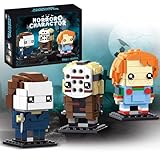
- 【ICONIC HORROR TRIO VIBE】 Bring your favorite nightmares to life! This 483-piece building kit features three legendary spooky characters: a scary killer doll, a hockey-masked slasher, and a ruthless white-masked killer. Designed as unique brick action figures, it's the ultimate buildable collectible set for classic horror movie fans.
- 【EASY & IMMERSIVE ASSEMBLY】 Experience the thrill of constructing your own horror figures from scratch! The parts are easy to install and come with highly detailed, step-by-step printed instructions. This engaging DIY project offers a rewarding, stress-relieving activity that promotes focus and spatial thinking for builders of all skill levels.
- 【SPOOKY HOLIDAY DECORATION】 Level up your room's aesthetic with a nightmare theme! Once assembled, these creepy buildable characters make fantastic stationary display pieces. They are perfect for upgrading your gaming room, office desk, or serving as eye-catching centerpieces for your Halloween parties and quirky Christmas setups.
- 【THE ULTIMATE HOLIDAY GIFT SURPRISE】 Packaged in a beautifully designed gift box. Looking for an unforgettable present? Whether it's a thrilling Halloween surprise, a unique Christmas stocking stuffer, or an unexpected Easter basket filler, this horror set is the perfect collectible gift for teens (ages 8+), adults, and die-hard fans.
- 【SAFE & 100% COMPATIBLE】 Build with complete peace of mind. Crafted from premium, non-toxic ABS plastic, these building bricks feature smooth, burr-free edges and vibrant colors. They are completely odorless and 100% compatible with all major building block brands. Passed rigorous ASTM tests and CPC certification.
Even more fantastical entries like A Nightmare on Elm Street speak directly to teenage anxiety. Freddy Krueger invades dreams, the one space teens can’t control, turning sleep into a battleground between independence and vulnerability. Nancy’s fight to stay awake becomes a metaphor for growing up too fast, forced to confront horrors adults refuse to see.
These films endure because they treat adolescence as its own kind of haunting. The monsters may be witches, demons, or unstoppable forces, but the fear is always rooted in fitting in, standing out, and surviving the social minefield of being young. Teen horror doesn’t just scare—it understands.
Legacy and Influence: Teen Horror Films That Changed the Genre Forever
Teen horror doesn’t just evolve—it mutates, shedding old skins and absorbing new anxieties with every generation. The most influential entries didn’t simply scare audiences; they rewired what horror aimed at young people could say, who it centered, and how seriously it took teenage fears. These are the films that reshaped the genre’s DNA, leaving fingerprints on everything that followed.
The Slasher Boom That Made Teens the Main Event
Halloween and A Nightmare on Elm Street didn’t invent teen horror, but they locked teens into the genre’s spotlight. Laurie Strode and Nancy Thompson weren’t passive victims—they were resourceful, observant, and defined by their intelligence rather than recklessness. That shift transformed slashers from morality plays into survival stories, where adolescence itself became the battlefield.
Their influence echoes through everything from Scream to modern legacy sequels, all of which understand that teen horror works best when its young characters are allowed agency. Fear hits harder when the protagonists feel real, capable, and worth rooting for. These films taught the genre that teenagers weren’t disposable—they were the point.
When Teen Horror Learned to Talk Back
Scream permanently changed the tone of teen horror by making self-awareness part of the scare. Its characters knew the rules, quoted the movies, and still couldn’t escape the consequences. That meta edge made horror feel conversational rather than preachy, inviting teens to laugh, flinch, and question the genre all at once.
The ripple effect was massive, ushering in a wave of slick, self-referential teen horror throughout the late ’90s and early 2000s. Even films that rejected Scream’s humor had to respond to it, proving that once teens were allowed to be genre-savvy, there was no going back.
Emotion-Driven Horror and the Rise of Psychological Teens
Films like Carrie and The Witch reframed teen horror as emotional tragedy rather than pure spectacle. Carrie’s telekinetic destruction isn’t just revenge—it’s the explosive result of repression, bullying, and religious control. The horror lands because the audience understands how much pain came before the blood.
Recommended Free Tools
This approach paved the way for modern elevated teen horror, where trauma and identity take center stage. Today’s genre owes a clear debt to these films for proving that internal turmoil can be just as terrifying as any monster in the shadows.
Teen Horror as Cultural Mirror
Movies like Jennifer’s Body and The Craft didn’t fully register as classics at first, but their afterlife tells a bigger story. As conversations around gender, power, and social pressure evolved, these films found new audiences who saw their subtext clearly. Their resurgence helped validate teen horror as a space for social commentary, not just scares.
That reclamation changed how studios and audiences view teen-centered horror today. It’s no longer disposable or niche—it’s a proving ground for bold ideas, fresh voices, and stories that linger long after the credits roll.
Independent reader supportYour contribution helps us test, update, and keep practical guides available for everyone.Honorable Mentions and Cult Favorites That Just Missed the Cut
Not every great teen horror movie fits neatly into a ranked list, especially in a genre this deep. These films may not have cracked the final 15, but they’ve earned loyal followings, sparked heated debates, and shaped how teen horror looks, feels, and scares across generations.
What’s actually slowing this PC down?
Pick the symptom - the matching free tool is one click away.
Best Value

- HORROR MOVIE MERCHANDISE - Looking for a special gift for horror movie lovers? Try these scary movie kitchen towels! This funny dish towel set includes 4 packs. Each towel is designed with a different classic scream movie character. Fascinating horror movie gifts!
- GOOD QUALITY AND ABSORBENCY - Made of high-quality microfiber, these 4-pack horror movie dish towels are super absorbent and have no shedding hair. Our Halloween movie towels are soft-touching and ideal for drying, wiping, or other daily uses. Practical horror gifts!
- GREAT SIZE AND UNIQUE DESIGN - These horror movie kitchen towels measure 22.91×15.24 inches. Crafted from good quality materials, these funny hand towels are quick-drying. Wonderful Halloween kitchen accessories for avoiding all dirty pawprints in your lovely kitchen!
- HALLOWEEN MOVIE THEME TYPE - Each kitchen towel is printed with a different classic horror movie character and one of their lines. Want to add a spooky touch to your home decor? These kitchen towels funny stuff will be an ideal choice to create a unique atmosphere.
- EXCELLENT GIFTS FOR HORROR MOVIE LOVERS - With the classic scary style, these funny kitchen towels are the most suitable horror movie gifts for those who enjoy housekeeping. Just set these Halloween kitchen towels in your kitchen to make it a great horror movie decor!
The Gate (1987)
The Gate remains a rite-of-passage horror movie for younger teens ready to test their fear threshold. Its suburban setting, practical creature effects, and unapologetically demonic imagery made it feel dangerous in a way few PG-era horrors dared. For many millennials, this was the movie that proved horror could be fun and traumatizing at the same time.
Trick ’r Treat (2007)
Though not strictly teen-led, Trick ’r Treat captures the spirit of adolescent mischief better than almost any modern horror anthology. Its interconnected stories revolve around schoolyard cruelty, Halloween rule-breaking, and teenage rebellion, all wrapped in a cozy, autumnal nightmare. Sam has since become a genre mascot, cementing the film’s cult status.
Disturbia (2007)
Disturbia translated Rear Window into a distinctly mid-2000s teen paranoia thriller. Anchored by a grounded Shia LaBeouf performance, the film taps into suburban boredom, grief, and voyeurism with surprising tension. It’s not pure horror, but its creeping dread and teen-centric POV made it endlessly rewatchable.
The Faculty (1998)
Kevin Williamson’s alien invasion high school nightmare deserves endless love for blending sci-fi, horror, and teen archetypes into one gloriously messy package. Teachers as body-snatching monsters and teens as the last line of defense feels both absurd and deeply satisfying. Its genre-mash energy has only aged better with time.
Free tools Windows power users keep installed
One-click scans. No signup required.
Happy Death Day (2017)
Happy Death Day injected teen slasher tropes with time-loop comedy and character growth. What could’ve been a gimmick becomes a surprisingly sincere arc about self-awareness, accountability, and second chances. Its appeal lies in how it lets a flawed college-aged heroine evolve without sacrificing kills or crowd-pleasing twists.
Fright Night (1985)
A teen horror classic that straddles old-school monster movie vibes and coming-of-age anxiety. Fright Night understands the fear of not being believed, especially when adulthood dismisses teenage instincts as imagination. Its practical effects and charismatic villains keep it eternally watchable.
The Babysitter (2017)
More splatter-comedy than straight horror, The Babysitter thrives on its hyperactive tone and teen wish-fulfillment chaos. It plays like a midnight movie designed for streaming-era audiences who want laughs with their gore. While divisive, its cult following proves teen horror doesn’t have to be subtle to stick.
These films may have missed the final ranking, but their influence, fandoms, and staying power speak volumes. Teen horror has always thrived in the margins, where cult favorites grow louder over time and reputations are rewritten one late-night watch at a time.
Crashes, No Sound, or Screen Glitches?
Random freezes, missing sound and display glitches usually trace back to one bad driver. Find and replace yours safely.Free scan · under a minutePC Slower Than It Used to Be?
A free scan shows the junk files, broken settings and background clutter dragging Windows down - then fixes them in one click.Free scan · Windows 10 & 11Where to Watch and Who They’re For: Streaming Tips and Final Takeaways
Teen horror has always lived at the intersection of accessibility and obsession, and that’s never been more true than in the streaming era. Most of the films on this list rotate regularly between major platforms like Netflix, Hulu, Prime Video, Max, and Peacock, with a few staples permanently parked on genre-friendly hubs such as Shudder or Freevee. Availability shifts often, so a quick JustWatch search can save you from scrolling purgatory before movie night.
For New Horror Fans and Gateway Watchers
If you’re easing into horror or introducing someone who swears they “don’t do scary,” start with the lighter, crowd-pleasing entries. Movies like Scream, Happy Death Day, and Fear Street balance tension with humor, character arcs, and recognizable teen dynamics. They’re scary enough to thrill without overwhelming, making them ideal entry points for curious newcomers.
For Nostalgic Millennials and Late-Night Rewatches
The late ’90s and early 2000s dominate teen horror for a reason, and many of those films remain widely available on ad-supported platforms. Titles like I Know What You Did Last Summer, The Faculty, and Disturbia hit hardest for viewers who remember renting DVDs or catching edited versions on cable. These are perfect for comfort-horror nights where vibes and memories matter as much as the scares.
For Modern Horror Fans Who Want Something Sharper
Recent teen horror leans more self-aware, socially tuned-in, and emotionally grounded. Films like It Follows, Talk to Me, and The Black Phone tend to land on premium streaming services or digital rentals, reflecting their elevated genre status. These picks are ideal for viewers who want horror that lingers long after the credits roll.
Final Takeaways: Why Teen Horror Endures
What makes teen horror timeless isn’t just youth-driven casts or high school settings; it’s how these stories turn adolescence itself into a monster. Fear of growing up, fear of being seen, fear of not being believed—these anxieties fuel the genre across decades and subgenres. Whether you’re chasing nostalgia, discovering the classics for the first time, or looking for your next scream-filled binge, teen horror remains one of the most flexible, rewatchable corners of cinema.
These movies don’t just scare; they define eras, shape fandoms, and remind us that growing up has always been terrifying. And honestly, that’s why we keep pressing play.
Quick Recap
Product prices and availability are accurate as of the date/time indicated and are subject to change. Any price and availability information displayed on Amazon at the time of purchase will apply.




