Fear has changed shape over the last 20 years, and modern horror has learned how to weaponize that evolution. The monsters aren’t always visible anymore, and the scares don’t always announce themselves with jump cuts and orchestral stings. Instead, contemporary horror crawls under the skin by reflecting a world steeped in anxiety, isolation, and quiet existential dread, where the most terrifying threat often feels uncomfortably close to home.
This era ushered in a wave of filmmakers who treated horror less like a carnival ride and more like a psychological endurance test. Trauma, grief, societal collapse, religious fear, and technological paranoia became the genre’s sharpest tools, replacing cheap shocks with lingering unease. Audiences weren’t just startled; they were challenged, disturbed, and forced to sit with images and ideas that refused to fade once the credits rolled.
| # | Preview | Product | Price | |
|---|---|---|---|---|
| 1 |

|
Thirteen Ghosts | $7.99 | Buy on Amazon |
| 2 |

|
Horror 20 Movie Collection | $15.96 | Buy on Amazon |
| 3 |
|
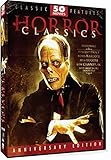
HORROR CLASSICS 50 MOVIE MEGAPACK | $15.79 | Buy on Amazon |
| 4 |
![Jaws 3-Movie Collection [DVD]](https://m.media-amazon.com/images/I/51nbLoYzBlL._SL160_.jpg)
|
Jaws 3-Movie Collection [DVD] | $5.00 | Buy on Amazon |
| 5 |

|
Ghost Ship (DVD) (WS) | $5.00 | Buy on Amazon |
What makes the scariest films of the last two decades unforgettable isn’t simply how intense they are, but how deeply they burrow into the subconscious. These movies pushed the genre forward through bold storytelling, unsettling ambiguity, and a willingness to leave viewers without comfort or answers. As we count down the most terrifying horror films of the modern era, each entry earns its place by redefining fear itself, with one particular film proving so disturbing that it permanently altered what audiences thought horror could do.
How We Ranked Them: Psychological Damage, Innovation, and Staying Power
To narrow down the scariest horror movies of the last 20 years, we didn’t rely on body counts or box office numbers. This list is built around how deeply a film unsettles the viewer, how boldly it reshapes the genre, and how long its terror lingers after the screen goes black. These are movies that don’t just scare you in the moment, they change the way you experience fear altogether.
Free tools Windows power users keep installed
One-click scans. No signup required.
#1 Best Overall
- Factory sealed DVD
Psychological Damage Over Jump Scares
The primary metric was psychological impact, not momentary shock. We prioritized films that leave viewers disturbed, anxious, or emotionally shaken long after the final scene, the kind that invade your thoughts days later without warning. Whether through oppressive atmosphere, existential dread, or intimate emotional trauma, these movies scar the mind rather than simply startle the nerves.
Many of these entries weaponize silence, ambiguity, and human vulnerability, forcing audiences to actively engage with the horror rather than passively consume it. The most effective films here feel personal, as if they’ve tapped into something buried deep in the viewer’s own fears. If a movie made sleep difficult or conversation uncomfortable, it earned serious consideration.
Innovation That Pushed Horror Forward
We also looked closely at how each film expanded the language of horror. Innovation could mean a radical narrative structure, a subversion of genre expectations, or a new way of presenting fear through sound, editing, or performance. These are movies that influenced countless imitators, even when they were divisive or misunderstood at release.
Some redefined possession, others transformed found footage, slow-burn storytelling, or the use of metaphor as a primary source of terror. What mattered most was whether the film dared to do something risky and succeeded in reshaping audience expectations. Safe horror doesn’t make this list.
Staying Power and Cultural Haunting
Finally, we considered staying power, the ability of a film to remain terrifying years after its release. Trends fade, but true horror endures, often growing more unsettling with time and repeat viewings. These movies continue to be discussed, debated, and referenced because they left an indelible mark on the genre.
Some became instant classics, while others gained their reputation through word-of-mouth and cult reverence. If a film still feels dangerous, provocative, or deeply uncomfortable long after its debut, it proved its worth here. This is where one particular entry rises above the rest, not just as a great horror movie, but as an experience audiences are never quite able to shake.
The Countdown Begins (12–9): Slow-Burn Nightmares That Creep Under Your Skin
The lower end of this list doesn’t ease you in. It unsettles with patience, restraint, and an almost cruel confidence that what you don’t see will hurt you more than what you do. These films don’t lunge for screams; they wait, letting dread seep in until it feels unavoidable.
#12 Lake Mungo (2008)
Few films capture existential terror as quietly and devastatingly as Lake Mungo. Presented as a faux-documentary about a family coping with loss, it slowly dismantles any sense of emotional safety the audience builds. The horror arrives late, subtle, and deeply personal, transforming grief itself into something nightmarish.
What makes Lake Mungo unforgettable is its realism. There are no monsters in the traditional sense, only the chilling suggestion that death doesn’t bring answers, just isolation. Its final images linger like a bad memory you’re not sure actually happened, which somehow makes them worse.
#11 The Blackcoat’s Daughter (2015)
Oz Perkins’ bleak, wintry nightmare unfolds with glacial pacing and a suffocating sense of doom. Set in an isolated boarding school during winter break, the film drips with dread long before anything overtly horrific occurs. Every silence feels loaded, every shadow suspicious.
The film’s power lies in its emotional coldness. Rather than shocking the viewer, it wears them down, building toward a conclusion that feels both inevitable and spiritually devastating. It’s a movie that doesn’t just scare you, it leaves you hollow.
#10 It Follows (2014)
On paper, It Follows sounds like a clever genre hook. On screen, it becomes a relentless anxiety machine. The slow, inescapable nature of its threat taps into a primal fear of being pursued, turning everyday spaces into sources of constant paranoia.
Quick wins for a faster PC:
Clear out junk files and repair common Windows errorsFree Scan →Fix the driver behind crashes, sound loss and screen glitchesFind Drivers →Repair Windows errors before they cause bigger problemsFix Now →Rank #2
Director David Robert Mitchell reimagines the slasher formula with dreamlike logic and an unforgettable score. The film’s refusal to explain too much only amplifies its power, making the curse feel mythic and uncontainable. Once you’ve seen it, you’ll never trust a figure walking toward you the same way again.
#9 The Babadook (2014)
The Babadook disguises itself as a monster movie before revealing something far more unsettling. At its core, this is a story about grief, depression, and the terror of unresolved trauma. The horror doesn’t invade the home, it’s already living there.
Jennifer Kent’s film resonates because it refuses easy catharsis. The creature is frightening, but the emotional reality behind it is worse. By the time the credits roll, the film has burrowed under your skin, forcing you to confront the uncomfortable truth that some horrors can’t be destroyed, only managed.
Escalating Terror (8–6): When Atmosphere Gives Way to Full-Blown Dread
By this point on the list, subtle unease is no longer enough. These films begin by lulling you into a false sense of control, then steadily strip it away. What starts as mood and suggestion mutates into something far more aggressive, invasive, and unforgettable.
#8 Sinister (2012)
Sinister doesn’t just scare you, it poisons your sense of safety. Scott Derrickson frames the film as a true-crime mystery, grounding it in familiar procedural rhythms before detonating them with images that feel genuinely dangerous to watch. The infamous home movies are among the most disturbing sequences of the modern era, not because of what they show, but because of how casually evil they feel.
What makes Sinister endure is its escalating cruelty. Each revelation deepens the sense that the characters are already doomed, caught in a cycle far older and more malicious than they understand. By the final act, the film abandons restraint entirely, delivering a nightmare that feels both inevitable and deeply unfair.
#7 Martyrs (2008)
Few films test the viewer like Martyrs. Pascal Laugier’s notorious French extremity landmark begins as a brutal revenge thriller, then mutates into something far more existential and harrowing. The violence is unflinching, but it’s not exploitation for its own sake; it’s a means of confronting suffering, faith, and the human need for meaning.
Martyrs escalates not through jump scares, but through psychological annihilation. Each act strips away genre expectations until the film reaches a final stretch that feels almost unbearable in its emotional emptiness. It’s a film many swear they’ll never watch again, yet can never truly forget.
The Tool Desk
Outbyte PC Repair FREEClear out junk files and repair common Windows errorsFree Scan →Outbyte Driver Updater FREEFix the driver behind crashes, sound loss and screen glitchesFind Drivers →#6 Hereditary (2018)
Hereditary marks the moment where modern horror stopped apologizing for being cruel. Ari Aster constructs the film like a slow-motion tragedy, layering grief, family trauma, and occult terror until they become inseparable. The shocks are devastating not because they’re sudden, but because they feel irrevocable.
As the story escalates, the film’s sense of control disintegrates along with its characters. By the final act, Hereditary abandons psychological ambiguity in favor of full-blown cosmic dread, delivering an ending that feels both shocking and horrifyingly logical. It’s the rare horror film that leaves audiences stunned, shaken, and eerily silent as the credits roll.
The Upper Tier (5–4): Films That Permanently Altered the Genre
At this point in the ranking, fear stops being purely visceral and becomes foundational. These films didn’t just terrify audiences; they rewired expectations, influenced countless imitators, and shifted what mainstream horror was allowed to be. Their impact is still felt every time a modern horror movie chooses atmosphere over action or ambiguity over answers.
#5 The Witch (2015)
The Witch didn’t arrive quietly, but it announced a new language for horror. Robert Eggers stripped the genre down to its rawest components: isolation, religious paranoia, and the terror of believing the world itself has turned against you. Set almost entirely in the spaces between certainty and damnation, the film makes dread feel suffocatingly intimate.
Crashes, No Sound, or Screen Glitches?
Random freezes, missing sound and display glitches usually trace back to one bad driver. Find and replace yours safely.Free scan · under a minutePC Slower Than It Used to Be?
A free scan shows the junk files, broken settings and background clutter dragging Windows down - then fixes them in one click.Free scan · Windows 10 & 11Rank #3
- An instant library of 50 horrorics assembled on 12 DVD's.
What makes The Witch unforgettable is its refusal to comfort the viewer. The horror is patient, creeping in through glances, whispered prayers, and the slow collapse of familial trust. By the time the film reaches its final moments, the terror feels both inevitable and perversely liberating, sealing its reputation as a modern folk nightmare that permanently reshaped prestige horror.
#4 Paranormal Activity (2007)
Paranormal Activity redefined how fear could be delivered in the 21st century. Made on a micro-budget and built almost entirely from negative space and anticipation, the film weaponized silence, stillness, and the viewer’s imagination. It proved that horror didn’t need elaborate monsters or gore to be devastating, only time and patience.
The brilliance lies in how the film trains the audience to fear nothing at all. A door moving, footsteps in powder, a static camera watching while you wait for something to go wrong. Paranormal Activity didn’t just revive found footage; it taught a generation of filmmakers that what you don’t show can be far more terrifying than anything you can.
Unforgettable #3: The Movie That Leaves Audiences Emotionally Ruined
#3 Hereditary (2018)
If many horror films aim to scare you, Hereditary aims to dismantle you. Ari Aster’s debut doesn’t just unsettle; it burrows into grief, trauma, and familial rot, turning raw emotional pain into the film’s primary weapon. From its opening moments, it signals that this will not be a safe or comforting experience.
Recommended Free Tools
What makes Hereditary so devastating is how mercilessly grounded it feels. The supernatural elements creep in slowly, almost apologetically, while the real horror plays out in kitchen arguments, tear-streaked faces, and the unbearable silence after loss. Toni Collette’s performance anchors the film in emotional authenticity so intense it becomes almost intrusive, forcing the audience to sit with grief rather than escape it.
Aster’s direction weaponizes inevitability. The film is meticulously constructed so that every moment feels preordained, every choice already doomed, creating a suffocating sense that the characters were never meant to survive this story intact. When the horror finally reveals its full shape, it feels less like a twist and more like a horrifying confirmation of what the film has been whispering all along.
Hereditary pushed modern horror into a new emotional register. It proved that true terror doesn’t come from jump scares or spectacle, but from the realization that love, family, and legacy can be forces of absolute destruction. Long after the final image fades, the film lingers like unresolved trauma, leaving audiences shaken, hollowed out, and painfully aware that some wounds never heal.
The Final Two (2–1): Pure Terror at Its Most Relentless
By the time a horror film reaches this tier, it’s no longer just about scares. These are movies designed to overwhelm the nervous system, to apply pressure without release, and to leave audiences feeling physically exhausted by the experience. Where #3 devastates emotionally, the final two operate with merciless intensity, stripping away comfort until fear becomes the only constant.
#2 The Descent (2005)
Few modern horror films understand sustained terror like The Descent. Neil Marshall’s claustrophobic nightmare begins as a survival thriller and gradually mutates into something far more primal, exploiting humanity’s most ancient fears of darkness, isolation, and being hunted underground. Once the group descends into the cave system, the film never lets the audience breathe again.
What makes The Descent so terrifying is its layered cruelty. Even before the creatures appear, the oppressive tight spaces, pitch-black tunnels, and cracking headlamps generate panic that feels disturbingly real. When the Crawlers finally emerge, they don’t relieve tension—they sharpen it, transforming the cave into a living death trap with no safe direction to run.
The film’s brilliance lies in its relentlessness. There are no tonal shifts, no moments of levity, and no traditional “safe” characters. Every escape attempt feels earned, every death brutally plausible, and by the time the film reaches its bleak conclusion, viewers are left shaken by how completely it refuses comfort. The Descent redefined survival horror for a generation, proving that pure fear doesn’t need spectacle—just darkness, pressure, and nowhere to go.
#1 Martyrs (2008)
No modern horror film has left a deeper psychological scar than Martyrs. Pascal Laugier’s infamous French extremity masterpiece doesn’t just scare—it confronts the audience with suffering so prolonged and unflinching that watching becomes a test of endurance. From its opening act, the film signals that it has no interest in entertaining you. It exists to challenge, disturb, and break you.
Do these 3 things before closing this tab:
1Fix the driver behind crashes, sound loss and screen glitches2Repair Windows errors before they cause bigger problems3Scan for outdated or missing drivers - takes under a minuteRank #4
Martyrs is terrifying because it refuses moral distance. The violence is not stylized or sensationalized; it is methodical, exhausting, and deeply uncomfortable. As the story evolves from home-invasion brutality into something colder and more existential, the film forces viewers to grapple with pain, belief, and the horrifying possibility that suffering might be meaningful to those who inflict it.
What ultimately makes Martyrs the scariest horror film of the last 20 years is its final act. There are no jump scares, no cathartic release, and no emotional safety net. Instead, the film leaves audiences suspended in silence, haunted by an ending that offers implications rather than answers. It’s not a movie you revisit lightly—if at all—but one you carry with you, unsettled by the realization that true horror doesn’t scream. It endures.
Independent reader supportYour contribution helps us test, update, and keep practical guides available for everyone.Honorable Mentions: Brutal, Brilliant Films That Just Missed the Cut
Not every terrifying film could claim a numbered spot, but that doesn’t make these any less unforgettable. Each of the following movies left audiences shaken, sickened, or deeply unsettled—and on a different day, any one of them could have cracked the list. These are the near-misses: horror films that pushed boundaries, rewired expectations, and carved permanent scars into modern genre history.
Inside (2007)
If Martyrs represents philosophical extremity, Inside is pure, suffocating brutality. Set almost entirely within a single house on Christmas Eve, the film escalates from home-invasion thriller into an unrelenting nightmare of obsession and bodily horror. Its violence is intimate, invasive, and merciless, making escape feel impossible even when the front door is inches away.
What’s actually slowing this PC down?
Pick the symptom - the matching free tool is one click away.
What makes Inside endure is its cruelty toward comfort. There are no safe spaces, no emotional reprieves, and no traditional escalation—only constant pressure. It’s a film that understands terror as something that creeps closer with every breath.
The Witch (2015)
Robert Eggers’ slow-burn debut terrified audiences by refusing to behave like a modern horror movie. There are no jump scares to lean on, no exposition to explain away the dread. Instead, The Witch builds fear through silence, religious paranoia, and the slow disintegration of a family isolated from both society and reason.
Its power lies in atmosphere and inevitability. By the time the final act arrives, the horror feels ordained rather than surprising, as if the film has been quietly marching toward damnation since its opening frame.
Hereditary (2018)
Few films weaponize grief as effectively as Hereditary. Ari Aster begins with domestic tragedy and gradually allows something far darker to seep through the cracks. The terror doesn’t announce itself—it accumulates, hiding in background details, performances, and the sense that fate has already been sealed.
Quick wins for a faster PC:
Fix the driver behind crashes, sound loss and screen glitchesFind Drivers →Clear out junk files and repair common Windows errorsFree Scan →Scan for outdated or missing drivers - takes under a minuteDriver Scan →What makes Hereditary so devastating is how personal it feels. The supernatural elements are frightening, but the emotional collapse of the family is what truly haunts, leaving viewers shaken long after the credits roll.
Lake Mungo (2008)
Lake Mungo doesn’t rely on gore or spectacle. Presented as a mockumentary, it explores grief, memory, and the lingering presence of death with unnerving restraint. The horror arrives quietly, often in images you almost miss, forcing viewers to question what they’ve seen—and what they haven’t.
Its most frightening moments don’t jump out at you. They sink in later, when you replay scenes in your mind and realize the film was far more horrifying than it first appeared.
Sinister (2012)
Sinister earned its reputation through atmosphere alone. The grainy home movies at its center are among the most disturbing images in modern horror, precisely because they feel uncomfortably real. There’s no irony or excess—just the cold observation of violence unfolding without mercy.
Best Value
- Factory sealed DVD
The film understands that suggestion is more powerful than explanation. Even when it leans into mythology, the dread never fully dissipates, lingering like a stain you can’t scrub out.
Funny Games (2007)
Michael Haneke’s American remake remains one of the most confrontational horror films ever released. It refuses catharsis, rejects narrative justice, and openly mocks the audience’s desire for violence while delivering it anyway. Watching Funny Games feels less like entertainment and more like complicity.
Its terror isn’t visceral but moral. By the end, viewers are left disturbed not by what they’ve seen, but by why they kept watching.
Terrified (2017)
A lesser-known gem from Argentina, Terrified delivers some of the most startling supernatural imagery of the last two decades. The film jumps between perspectives and locations, creating a fragmented sense of reality that mirrors the chaos of its hauntings.
Do these 3 things before closing this tab:
1Clear out junk files and repair common Windows errors2Scan for outdated or missing drivers - takes under a minute3Repair Windows errors before they cause bigger problemsIts scares are aggressive, unpredictable, and deeply unsettling. Even seasoned horror fans often cite specific images from Terrified as moments they wish they could forget—which is perhaps the highest compliment horror can earn.
What These Films Say About Modern Fear—and Why We Can’t Look Away
Taken together, these films reveal a shift in what truly frightens modern audiences. The monsters aren’t hiding in shadows anymore—they’re embedded in families, technology, memory, and everyday routines. Horror has moved inward, targeting the parts of life we assume are safe, familiar, and under our control.
Fear Has Become Intimate
Many of the most disturbing entries of the last 20 years unfold in bedrooms, living rooms, and quiet neighborhoods. These films weaponize intimacy, forcing terror into spaces meant for rest and refuge. When horror feels this close, it doesn’t end when the movie does—it follows you home.
This intimacy also strips away spectacle. Instead of grand set pieces, we get lingering glances, muffled sounds, and moments that feel almost private. The result is fear that feels personal, invasive, and impossible to shake.
Ambiguity Is the New Monster
Modern horror rarely explains itself fully, and that’s by design. Films like Lake Mungo and Funny Games understand that unanswered questions linger longer than tidy conclusions. By denying clarity, they force viewers to wrestle with their own interpretations—and their own discomfort.
This ambiguity reflects a broader cultural anxiety. In a world where certainty feels increasingly rare, horror mirrors that instability, leaving us unsettled not by what we see, but by what we can’t fully understand.
Reality Is More Terrifying Than Fantasy
From Sinister’s found footage to Terrified’s brutal, unfiltered shocks, realism has become one of horror’s sharpest tools. These films blur the line between fiction and lived experience, making violence and dread feel plausible rather than exaggerated. The closer horror gets to reality, the harder it is to dismiss.
Even supernatural elements are often grounded in emotional truth—grief, guilt, obsession. The fear works because it feels earned, rooted in recognizable human pain rather than abstract evil.
The Tool Desk
Outbyte Driver Updater FREEFix the driver behind crashes, sound loss and screen glitchesFind Drivers →Outbyte PC Repair FREEClear out junk files and repair common Windows errorsFree Scan →We’re Complicit—and We Know It
Perhaps most unsettling is how these films implicate the audience. Funny Games makes that connection explicit, but many modern horror films quietly do the same, daring viewers to keep watching despite mounting discomfort. The act of looking becomes part of the horror.
That tension—between revulsion and fascination—is why these films endure. They challenge us, disturb us, and leave marks that don’t fade easily, reminding us that fear isn’t just something we experience. It’s something we participate in.
In the end, the scariest horror movies of the last 20 years don’t just try to terrify. They reflect who we are, what we fear losing, and how thin the line is between safety and chaos. We can’t look away because, on some level, these films are showing us ourselves—and that might be the most frightening revelation of all.
Quick Recap
Product prices and availability are accurate as of the date/time indicated and are subject to change. Any price and availability information displayed on Amazon at the time of purchase will apply.




