Indominus rex is the strongest dinosaur in the Jurassic Park and Jurassic World films when strength means demonstrated combat ability combined with size, weapons, and versatility. Spinosaurus and Giganotosaurus follow. This is an editorial ranking, not an official franchise scale; it weighs what creatures do on screen while separating solo fights from team victories and land battles from aquatic threats.
How this ranking defines “strongest”
The films do not provide a franchise-wide strength measurement. This ranking considers four things: direct fight outcomes, demonstrated physical force and size, weapons such as teeth or claws, and versatility, including stealth, intelligence, or unusual abilities. A dramatic victory is evidence of what happened in that story, not a scientific prediction about the real animal.
| # | Preview | Product | Price | |
|---|---|---|---|---|
| 1 |
|
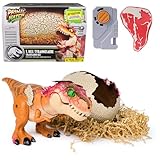
Primal Hatch Jurassic World Interactive T-Rex Toy Dinosaur Egg | $36.57 | Buy on Amazon |
Ranks in the middle are debatable: different criteria could move a clever pack hunter above a larger individual, for example. The Mosasaurus is excluded from the ten because it is a marine reptile, not a dinosaur, and its aquatic abilities do not translate cleanly to land-based contests.
The 10 strongest dinosaurs, ranked
1. Indominus rex
Indominus rex is the most versatile combat threat in the films: it combines great size with engineered traits, camouflage, and the ability to outwit people and other animals. The Jurassic World press kit describes it as 40 feet long and says its DNA includes T. rex, Carnotaurus, Majungasaurus, Rugops, Giganotosaurus, and undisclosed sources. That is a film-world promotional figure, not a paleontological measurement. The Jurassic World press kit provides the hybrid’s stated background and dimensions.
The Tool Desk
Outbyte PC Repair FREEClear out junk files and repair common Windows errorsFree Scan →Outbyte Driver Updater FREEScan for outdated or missing drivers - takes under a minuteDriver Scan →#1 Best Overall
- Interactive Jurassic Dinosaur Toy: Hatch, train and play with your own ferocious interactive baby dinosaur, featuring 100+ sounds and reactions, as well as articulated features, for endless fun for fans of the Jurassic world
- Hatch a Real Dinosaur: Watch as your dinosaur egg cracks and splits open, while your reptilian friend emerges through the slime for an exciting and realistic hatching experience Repeatedly tap the egg to initiate the hatching, and make sure to clean up the goo after
- Train it if you can You decide if your dinosaur grows into a friendly T-Rex, or a fierce predator Use your clicker to grab its attention and feed, pet or startle it to decide if it will be a friend or foe
- So Many Ways to Play: Use your clicker and the meat accessory to grab Dino's attention and play all sorts of games with your new friend
- Birthday Toys for Boys & Girls: These dinosaur toys and toys for boys aged 4-6 are a fantastic gift for boys and girls who love dinosaurs and fossils Sure to be a top wish list gift, holiday gift or birthday toy
Director Colin Trevorrow summed up the intended threat in a 2015 TIME interview: “It’s bigger, faster, louder, more vicious.” Indominus ultimately falls only after multiple animals converge: the T. rex and Blue fight it, and the Mosasaurus pulls it into the lagoon. That is a formidable showing, but not a clean one-on-one defeat. TIME’s interview with Trevorrow contains the quoted description.
2. Spinosaurus
In Jurassic Park III, Spinosaurus kills a T. rex, one of the clearest victories over a major franchise rival. That makes it a strong second, though the scene is a fictional matchup rather than a real-world contest. The real Spinosaurus and T. rex lived about 25 million years apart, according to the Natural History Museum. The same museum describes Spinosaurus as primarily fish-eating and spending much of its time in water, so its film portrayal as a land brawler should not be mistaken for a settled account of its real ecology. The Natural History Museum’s Spinosaurus explainer discusses its aquatic life and the separation in time.
3. Giganotosaurus
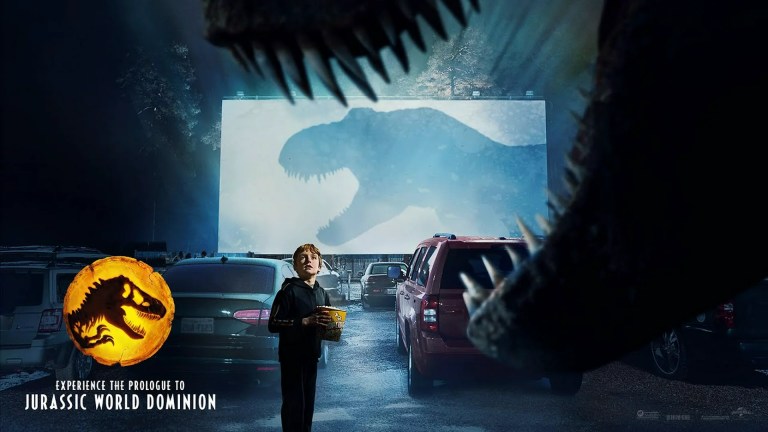
In Jurassic World Dominion’s prologue, Giganotosaurus beats the T. rex. Later, the T. rex and Therizinosaurus bring it down together. Those scenes establish Giganotosaurus as a top-tier opponent, while the team takedown makes it important not to describe its defeat as a solo win. Its placement just below Spinosaurus reflects the strength of its on-screen showing, balanced against the franchise’s limited direct comparisons.
4. Tyrannosaurus rex
The T. rex remains the franchise’s best-known heavyweight, with powerful jaws and repeated appearances in major confrontations. The American Museum of Natural History gives fossil-based estimates for the real species of up to 40 feet long, 12 feet high, and 5,000–7,000 kilograms; these are not measurements of a particular film character. The American Museum of Natural History’s T. rex profile provides those estimates.
Do these 3 things before closing this tab:
1Fix the driver behind crashes, sound loss and screen glitches2Repair Windows errors before they cause bigger problems3Scan for outdated or missing drivers - takes under a minuteIts ranking reflects a combination of size and fight record, not an assertion that it always wins. It loses to Spinosaurus in Jurassic Park III and to Giganotosaurus in Dominion’s prologue, but joins the team that defeats Giganotosaurus later in Dominion.
5. Indoraptor
Indoraptor is smaller than the giant apex contenders, but its raptor-like claws, cunning, and T. rex-like jaw power make it dangerous in close quarters. Its ability to stalk and exploit confined spaces gives it a different kind of threat from a creature that relies mainly on mass. It ranks below the largest combatants because its menace and intelligence do not come with the same scale of demonstrated physical dominance.
6. Velociraptor
The franchise’s Velociraptors are frightening because they work together, communicate, and use claws and speed—not because they rival the largest dinosaurs in raw size. Their intelligence and pack tactics can make them more dangerous to people in a confined or unexpected encounter than a larger animal might be. The film animals are substantially dramatized: the real Velociraptor was roughly turkey-sized, rather than the large, human-height predator shown on screen.
7. Distortus rex
Distortus rex, introduced in Jurassic World: Rebirth, is an obvious contender because of its imposing size. But size alone does not establish superiority in a fight, and the available franchise evidence offers less basis for comparing its combat record with the better-tested top contenders. It earns a place among the ten on its physical threat, with its exact position less certain than the top three.
Quick wins for a faster PC:
Scan for outdated or missing drivers - takes under a minuteDriver Scan →Repair Windows errors before they cause bigger problemsFix Now →Fix the driver behind crashes, sound loss and screen glitchesFind Drivers →8. Scorpios rex
Scorpios rex brings a weapon most of the other contenders lack: venomous spines. Its hybrid nature and unpredictable behavior make it dangerous even without the size of a T. rex or Giganotosaurus. Its animated-series appearances provide a different kind of evidence from the feature-film fights, so its placement is less directly comparable.
9. Therizinosaurus
Therizinosaurus has enormous claws and proves useful in the fight against Giganotosaurus. Its strongest franchise feat, however, is collaborative: it helps the T. rex bring Giganotosaurus down. The scene supports including it among the strongest, but does not establish that it could win the same fight alone.
10. Carnotaurus
Carnotaurus is included as a formidable, physically capable predator and as one of the dinosaur sources named for Indominus rex. The available franchise evidence does not establish a standout victory over the top contenders, so it sits at the bottom of this ranking rather than above creatures with clearer major fight feats.
Independent reader supportYour contribution helps us test, update, and keep practical guides available for everyone.How to compare the film creatures with real dinosaurs
On-screen matchups are storytelling choices, not controlled comparisons. T. rex and Spinosaurus never met in real life; the Natural History Museum places them about 25 million years apart. Their portrayals also serve different dramatic purposes: the museum describes real Spinosaurus as primarily fish-eating and substantially aquatic, while the films put it into a land fight.
Recommended Free Tools
Real-animal measurements also need to stay separate from character claims. The AMNH figures for T. rex—up to 40 feet long, 12 feet high, and 5,000–7,000 kilograms—are estimates for the species based on fossils. The Jurassic World press kit’s 40-foot Indominus figure describes a fictional engineered hybrid. Neither number, by itself, tells you which creature would win a fight.
Where the Mosasaurus fits
The Mosasaurus is one of the franchise’s most physically imposing threats, and it plays a decisive role in Indominus rex’s defeat. It is a marine reptile rather than a dinosaur, however, so it is not ranked among the ten. In a broader ranking of Jurassic franchise creatures, it belongs near the top for aquatic danger; that is a different comparison from a land-based dinosaur fight.
Quick Recap
Product prices and availability are accurate as of the date/time indicated and are subject to change. Any price and availability information displayed on Amazon at the time of purchase will apply.