These ten environmental books cover far more than climate science: they explore Indigenous ecological knowledge, pesticides, biodiversity, food ethics, climate politics, environmental history, and activism. The list is a curated set of recommendations, not an objective ranking. Choose by the subject and reading approach you want.
How to choose an environmental book
The books below range from history and investigative reporting to science writing, personal reflection, and speeches. Some look back at environmental debates and policy; others examine present-day choices or possible futures. Start with the question you most want to explore.


- Ecology and relationships with nature: Indigenous knowledge, plants, and the human relationship with land.
- Environmental history and public debate: How scientific disputes, political choices, and communication shaped environmental issues.
- Current ecological change: Biodiversity loss and the effects of human activity.
- Everyday choices and activism: Food ethics, personal action, and public advocacy.
Ten environmental books to consider
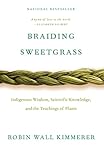
1. Braiding Sweetgrass by Robin Wall Kimmerer
Kimmerer brings Indigenous knowledge and culture into conversation with Western perspectives on plants and humanity’s relationship with the land. It is a strong choice if you want environmental writing centered on reciprocity, attention, and ways of knowing, rather than climate policy alone. Treehugger reports that the book won the 2014 Sigurd F. Olson Nature Writing Award. Source: Treehugger’s 2023 list.
2. Merchants of Doubt by Naomi Oreskes and Erik M. Conway
This history examines organized efforts to cast doubt on established science, drawing parallels among public disputes over climate change, tobacco, acid rain, and DDT. Read it for the politics and communication surrounding environmental evidence, rather than as a general survey of ecology.
Free tools Windows power users keep installed
One-click scans. No signup required.
#1 Best Overall
3. The End of Nature by Bill McKibben
First published in 1989, McKibben’s book considers how human influence has changed the meaning of nature and wilderness. Its focus makes it a useful historical and philosophical choice for readers interested in the idea of an untouched natural world.
4. Silent Spring by Rachel Carson
Carson’s landmark work focuses on pesticides, particularly DDT, and their effects. It is an essential option for readers interested in environmental writing’s influence on public debate. Treehugger credits the book with contributing to changes in U.S. pesticide policy and the creation of the Environmental Protection Agency; that is the list’s historical assessment, not a claim that the book alone caused those changes. Source: Treehugger’s 2023 list.
5. The Sixth Extinction: An Unnatural History by Elizabeth Kolbert
Kolbert connects past extinction events with current biodiversity loss driven by human activity. Choose it for reported science writing about how today’s ecological changes fit into the much longer history of life on Earth. Treehugger reports that it won the 2015 Pulitzer Prize for General Nonfiction and the 2015 Massachusetts Book Award for nonfiction. Source: Treehugger’s 2023 list.
6. The Uninhabitable Earth by David Wallace-Wells
Wallace-Wells writes about climate impacts and possible futures in an urgent, deliberately forceful style. Treehugger quotes the book’s opening line as “It is worse, much worse, than you think.” Treat that as the book’s framing, not as a neutral forecast or a standalone statement of scientific consensus. For a reader who wants a climate book that presses on consequences and risk, its approach differs from a detached overview of climate science. Source: Treehugger’s 2023 list.
7. Losing Earth: The Decade We Could Have Stopped Climate Change by Nathaniel Rich
Rich focuses on the period when climate change was understood and the political developments that followed. It suits readers who want to examine the history of climate knowledge, decisions, and missed opportunities, alongside the broader problem of misinformation and policy response.
8. Eating Animals by Jonathan Safran Foer
Part investigation and part personal inquiry, Foer’s book examines farming, food ethics, and meat consumption. It invites readers to think through the choices behind food production; it is not simply a directive to adopt one particular diet.
Rank #4
9. An Inconvenient Truth: The Planetary Emergency of Global Warming and What We Can Do About It by Al Gore
Gore combines personal narrative and scientific information with political and social perspectives on global warming. The book is a fit for readers looking for an argument about the climate crisis and possible responses. Treehugger notes that a film was released alongside the book in 2006. Source: Treehugger’s 2023 list.
10. No One Is Too Small To Make A Difference by Greta Thunberg
This collection presents Thunberg’s climate activism through speeches. Treehugger describes it as containing 11 speeches, making it a compact choice for readers more interested in activist voices and public advocacy than in a long-form environmental history. Source: Treehugger’s 2023 list.
Best Value
Where this list fits among environmental reading
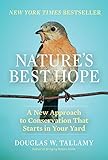
Environmental books span many subjects beyond the ten titles here. Other curated lists broaden the field to plastics, migration, water, animal cognition, fiction, conservation, and practical action. For example, EarthDay.org’s reading list includes varied environmental themes; the University of Michigan School for Environment and Sustainability list covers the natural world, sustainability, and climate action; and Yale University Press’s list is framed around climate change, conservation, and environmental studies. Greenpeace’s ecology list includes classics such as Silent Spring and recommends observing nature directly, while Hachette’s environmental books list includes practical conservation titles such as Nature’s Best Hope and a book about monarch migration. These are different selections, not additions to the ten-title list above.
Quick Recap
Product prices and availability are accurate as of the date/time indicated and are subject to change. Any price and availability information displayed on Amazon at the time of purchase will apply.




