Quick wins for a faster PC:
Clear out junk files and repair common Windows errorsFree Scan →Fix the driver behind crashes, sound loss and screen glitchesFind Drivers →Repair Windows errors before they cause bigger problemsFix Now →Horror has always been the genre most willing to stare directly into society’s anxieties, and the American ratings system has just as often blinked first. When a horror film was branded X or later NC-17, it wasn’t simply a warning label about sex or violence; it was a cultural verdict. These ratings signaled movies deemed too transgressive for mainstream comfort, and in doing so, they shaped which nightmares were allowed into multiplexes and which were exiled to grindhouses, midnight screenings, or cult obscurity.
For horror filmmakers, the X and NC-17 ratings became both a scarlet letter and a strange badge of honor. Graphic violence, sexualized terror, and confrontational themes routinely pushed these films beyond the MPAA’s limits, especially when horror dared to combine brutality with art-house ambition. What emerged was a shadow canon of films whose reputations were forged as much by censorship battles as by their on-screen shocks.
![The Purge: 5-Movie Collection [DVD]](https://m.media-amazon.com/images/I/517iM+OEDHL._SL160_.jpg)

Understanding why these ratings matter is essential to understanding horror itself. The films that survived them didn’t just test audience endurance; they tested the boundaries of American morality, free expression, and the commercial definition of “acceptable” fear.
The X Rating and the Birth of Moral Panic
Introduced in 1968 alongside the MPAA’s modern ratings system, the X rating was never trademarked, a decision that would haunt it almost immediately. While it initially covered a range of adult material, from Midnight Cowboy to Last Tango in Paris, horror quickly became one of its most controversial occupants. Films drenched in gore, nihilism, or taboo sexuality were lumped together with hardcore pornography in the public imagination, regardless of artistic intent.
Recommended Free Tools
#1 Best Overall
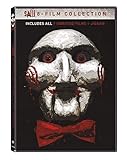
- Let the games begin! Own the genre-defining Saw horror series in all its grisly glory. Five-disc set includes: Saw (2004), Saw II (2005), Saw III (2006), Saw IV (2007), Saw V (2008), Saw VI (2009), Saw: The Final Chapter (2010) and Saw 3D: The Final Chapter (2010).
- Genre: Horror
This conflation fueled moral panic throughout the 1970s and early 1980s. Exploitation horror, European imports, and transgressive American indies were accused of corrupting youth and eroding decency, often by politicians and activist groups who never saw the films themselves. For horror, the X rating became less about content specificity and more about cultural fear of what the genre was willing to show.
NC-17: Respectability, Stigma, and Survival
In 1990, the MPAA attempted to rehabilitate adult cinema with the NC-17 rating, distancing serious films from the pornographic baggage of X. In theory, this gave extreme horror a more legitimate platform, especially for filmmakers exploring explicit violence or sexuality with deliberate intent. In practice, theaters, advertisers, and retailers still treated NC-17 as box-office poison.
Horror films rated NC-17 often faced limited releases, aggressive cuts, or outright bans, shaping their legacies as forbidden objects rather than mainstream experiences. Yet that very resistance helped cement their status among serious horror fans. These films endure not because they were shocking for shock’s sake, but because they exposed the fault lines where art, fear, and censorship collide.
How This Ranking Was Determined: Artistic Merit, Cultural Impact, and Transgression with Purpose
Ranking horror films burdened with X or NC-17 ratings requires more than measuring shock value. These ratings often obscured intent, flattening wildly different works into a single category of “too much.” This list was built to separate provocation from purpose, and exploitation from expression.
Outdated Drivers Are Slowing You Down
One free scan finds every outdated or missing driver and matches the right update for your exact hardware.Free scan · exact hardware matchPC Slower Than It Used to Be?
A free scan shows the junk files, broken settings and background clutter dragging Windows down - then fixes them in one click.Free scan · Windows 10 & 11Artistic Intent Over Sheer Extremity
The first and most important metric was artistic merit. Graphic violence, sexual explicitness, or emotional cruelty were not disqualifying factors, but neither were they automatic virtues. Each film selected uses its extremity in service of theme, atmosphere, or psychological inquiry, rather than as empty spectacle.
Many of these movies earned their restrictive ratings not because they lacked discipline, but because they refused compromise. Their images linger, unsettle, and provoke reflection, often revealing deeper anxieties about the body, identity, power, or mortality. Horror that pushes boundaries without meaning was excluded, regardless of notoriety.
Why the MPAA Drew the Line
A crucial consideration was understanding why each film received an X or NC-17 rating in the first place. Some were punished for unflinching violence, others for sexual frankness, and a few for the disturbing fusion of both. In several cases, the rating said more about the era’s moral limits than the content itself.
These films were evaluated in their original, uncensored forms whenever possible, not later cuts designed to appease ratings boards. The rating’s impact on the work’s structure, pacing, and tone was considered part of its artistic story, not a footnote.
Cultural Impact and Enduring Influence
Beyond aesthetics, cultural impact played a defining role. The films on this list didn’t simply scandalize audiences; they influenced other filmmakers, reshaped subgenres, or altered conversations about what horror could depict. Some became rallying points in censorship debates, while others quietly infected the genre from the margins.
Their legacies persist through homage, imitation, or continued controversy. Whether embraced by critics, reclaimed by scholars, or championed by underground audiences, each film left a mark that extends far beyond its initial release.
Transgression With Purpose, Not Nihilism
Finally, this ranking prioritizes transgression with intent. The most essential X and NC-17 horror films confront taboos to illuminate something uncomfortable but meaningful, rather than to simply offend. They test endurance not as a dare, but as a means of forcing engagement with fear, repression, or societal hypocrisy.
Rank #2
In a genre often dismissed for excess, these films demonstrate that extremity can be a language, not a gimmick. Their value lies in how they use forbidden imagery to challenge viewers, institutions, and the limits of horror itself.
The Films That Broke the System: Ranked Picks #10–#7
The first stretch of this ranking focuses on films that didn’t just provoke outrage, but actively exposed the fault lines in ratings culture. These entries earned their X or NC-17 designations not because they were careless, but because they arrived before the system knew how to process what they were attempting. Each one forced a confrontation between artistic intent and institutional discomfort.
#10 — Maniac (1980)
William Lustig’s Maniac earned an X rating for its unrelenting depiction of misogynistic violence, including Tom Savini’s notoriously graphic shotgun effect. Unlike slasher contemporaries that softened brutality with fantasy or humor, Maniac trapped viewers inside the killer’s diseased subjectivity, offering no safe distance. The rating crippled its theatrical prospects, pushing it into grindhouses and midnight screenings.
Over time, the X became part of Maniac’s mythology. What once read as exploitation has been reappraised as a grim psychological portrait of trauma, alienation, and urban decay. Its influence can be traced through later character-driven slashers and the modern obsession with “empathetic monsters,” even as it remains deeply uncomfortable.
#9 — Man Bites Dog (1992)
This Belgian mockumentary crossed into NC-17 territory by implicating the audience directly in its violence. Following a charismatic serial killer as a film crew documents his crimes, Man Bites Dog grows steadily more disturbing as the observers become accomplices. The rating stemmed less from gore than from the film’s moral corrosion and sexualized brutality.
The NC-17 designation limited U.S. distribution but preserved the film’s confrontational edge. Its legacy endures as a precursor to found-footage horror and a searing critique of media voyeurism. Few films so effectively weaponize complicity, making the rating feel like an ethical verdi
Where Art Meets Extremity: Ranked Picks #6–#4
By this point in the ranking, provocation alone is no longer the point. These films lean into extremity as an aesthetic and philosophical tool, using violence, sexuality, and despair to interrogate deeper ideas about human nature. Their X or NC-17 ratings didn’t just limit access; they framed the conversation around what horror is allowed to express when it takes itself seriously.
#6 — Henry: Portrait of a Serial Killer (1986)
John McNaughton’s Henry was initially slapped with an X rating for its cold, procedural depiction of murder and emotional detachment. Unlike slashers that sensationalized violence, Henry presented killing as banal, repetitive, and morally vacant, refusing catharsis or spectacle. The infamous home invasion sequence, observed from a distance via videotape, was a breaking point for censors.
The rating stranded the film in distribution limbo for years, forcing it into limited, often unrated releases.
The Tool Desk
Outbyte Driver Updater FREEFix the driver behind crashes, sound loss and screen glitchesFind Drivers →Outbyte PC Repair FREERepair Windows errors before they cause bigger problemsFix Now →The Apex of Unrated Terror: Ranked Picks #3–#1
By the time we reach the top tier, the X and NC-17 ratings cease to feel like marketing obstacles and instead read as inevitabilities. These films were never meant to be tamed, trimmed, or politely contextualized. They confront the audience with ideas and images so corrosive that institutional discomfort became part of their historical footprint.
#3 — Antichrist (2009)
Lars von Trier’s Antichrist earned its NC-17 rating through a volatile blend of explicit sexuality, graphic genital mutilation, and an unrelenting atmosphere of cosmic despair. What unsettled censors most wasn’t any single moment, but the way the film fuses sex, grief, and violence into an inescapable psychological vortex. Horror here is not externalized; it’s embedded in nature, the body, and the act of mourning itself.
Rank #3
The rating effectively confined Antichrist to arthouse circuits and VOD, reinforcing its reputation as “forbidden cinema.” Yet over time, its operatic imagery and brutal emotional honesty have secured its place as a landmark of modern extreme horror. For serious genre fans, it stands as proof that intellectual ambition and transgressive imagery are not mutually exclusive.
#2 — Irreversible (2002)
Gaspar Noé’s Irreversible remains one of the most punishing theatrical experiences ever released under an NC-17 banner. The film’s notoriety stems from its extended, unbroken rape sequence and its reverse-chronological structure, which weaponizes inevitability against the viewer. By denying narrative relief, Noé transforms violence into something inescapable and ethically suffocating.
The NC-17 rating severely limited theatrical play in the United States, but it also preserved the film’s formal integrity. Any attempt to edit Irreversible would have undercut its central thesis about time, trauma, and moral consequence. Its influence is now evident across transgressive horror and thriller cinema, where discomfort is treated not as shock but as a philosophical tool.
#1 — Salò, or the 120 Days of Sodom (1975)
Pier Paolo Pasolini’s Salò occupies a category unto itself, frequently cited as the most extreme narrative film ever made to receive an X rating. Set against the final days of Mussolini’s fascist regime, the film depicts ritualized sexual abuse, torture, and degradation as instruments of political power. The content is deliberately repellent, not for sensation, but as an indictment of authoritarianism and consumer culture.
The X rating ensured bans, seizures, and decades of moral panic, effectively burying the film in controversy. Yet Salò has endured as a foundational text of extreme cinema, studied as much in political theory and philosophy as in horror scholarship. Its legacy is inseparable from its rating, a reminder that sometimes the most important horror films are the ones society initially refuses to confront at all.
Blood, Sex, and the Ratings Board: What Earned These Films an X or NC-17
The films on this list were not rated X or NC-17 simply for being gory or provocative. They crossed lines the ratings board has historically guarded most aggressively: sustained sexual violence, explicit bodily harm without moral distancing, and an insistence on making the audience endure rather than escape. In nearly every case, the issue was not what was shown, but how long it lingered and how little comfort it offered.
Free tools Windows power users keep installed
One-click scans. No signup required.
The MPAA’s discomfort with horror has always centered on context. Quick violence framed as spectacle has often passed with an R, while methodical cruelty, especially when tied to sex or power, triggered harsher judgments. These films refused to reassure viewers that what they were watching was “just a movie.”
Violence Without Release
Many of these titles earned their restrictive ratings through prolonged depictions of suffering that deny catharsis. Scenes unfold in real time or in unbroken takes, forcing the viewer to sit with pain rather than consume it as momentary shock. This approach strips violence of entertainment value, turning it into an experience of endurance.
For the ratings board, this kind of presentation is especially threatening. It collapses the usual boundary between on-screen action and viewer responsibility, suggesting complicity rather than observation. The result was often an automatic X or NC-17, regardless of artistic intent.
Sex as a Site of Horror
Sexual content, particularly when tied to violence or degradation, has long been the MPAA’s most sensitive trigger. Films like Salò and Irreversible were not punished for nudity alone, but for depicting sex as a tool of domination and trauma. These works reject erotic framing entirely, presenting sexuality as something corrosive and destructive.
What’s actually slowing this PC down?
Pick the symptom - the matching free tool is one click away.
That refusal to aestheticize or soften sexual violence left little room for compromise. Cuts would have gutted the films’ thematic cores, so directors often accepted restrictive ratings as the cost of honesty. In doing so, they exposed how ill-equipped the ratings system is to handle adult material that is neither titillating nor redemptive.
The Fear of Serious Adult Horror
Underlying many X and NC-17 decisions is an institutional anxiety about horror aimed at adults rather than adolescents. The MPAA has historically been more forgiving of fantastical excess than of grounded, human brutality. When horror reflects real social evils, it becomes harder to dismiss as harmless genre fare.
Rank #4
![Blumhouse of Horrors 10-Movie Collection [DVD]](https://m.media-amazon.com/images/I/61txc3XzrSL._SL160_.jpg)
- Region 1 NTSC
- Widescreen
- Dolby Digital
These ratings shaped each film’s release, limiting advertising, theatrical access, and cultural legitimacy. Yet over time, the very elements that earned censorship became the reason these movies endured. They stand today as evidence that horror’s most challenging works often emerge where regulation, discomfort, and artistic conviction collide.
Independent reader supportYour contribution helps us test, update, and keep practical guides available for everyone.Distribution Hell and Cult Resurrection: How Restrictive Ratings Shaped Each Film’s Legacy
For many of these films, the X or NC-17 rating was less a warning label than a commercial death sentence. Major theater chains refused bookings, mainstream advertisers wouldn’t touch them, and home video releases were delayed, butchered, or quietly dumped into specialty markets. The rating didn’t merely limit audiences; it actively reshaped how these movies were discovered, discussed, and remembered.
Ironically, that marginalization often became part of their mystique. When access is restricted, reputation grows in the shadows, fueled by word of mouth, bootlegs, and late-night screenings. Over time, distribution hell hardened into cult mythology.
Theatrical Exile and the Unrated Compromise
Several of these films only reached theaters by shedding the rating entirely and going out as “unrated,” a designation that often carried more stigma than clarity. Henry: Portrait of a Serial Killer spent years in limbo after an initial X rating, bouncing between distributors unwilling to risk association with its clinical violence. When it finally emerged, it did so in art houses and midnight screenings, framed less as entertainment than as a test of endurance.
A similar fate met Inside and Martyrs in the U.S., where NC-17 or equivalent ratings made wide release impossible. Distributors leaned into the films’ reputations instead, marketing them as extreme imports for hardened genre fans. The lack of mainstream exposure didn’t kill these films; it purified their audience.
International Controversy as a Branding Tool
For films like Salò, Cannibal Holocaust, and Irreversible, censorship wasn’t confined to the MPAA. Bans, seizures, and legal threats across multiple countries elevated these titles into global flashpoints. Each act of suppression added another layer to their legend, transforming them into cinematic forbidden texts.
Do these 3 things before closing this tab:
1Fix the driver behind crashes, sound loss and screen glitches2Clear out junk files and repair common Windows errors3Scan for outdated or missing drivers - takes under a minuteIrreversible’s NC-17 rating limited its U.S. theatrical footprint, but the surrounding discourse about its unflinching assault scene ensured it was never ignored. The film became a cultural reference point for debates about consent, representation, and audience responsibility, far outlasting its initial box office run.
Home Video, Restoration, and Critical Reappraisal
The true resurrection of many X- and NC-17-rated horror films came through home video and later restorations. Boutique labels reframed these works with scholarly commentaries, essays, and uncut transfers, repositioning them as serious cinema rather than exploitation. Once contextualized, their extremity became something to analyze rather than simply endure.
Antichrist and Crash benefited enormously from this shift, finding new life as objects of academic study and critical debate. Freed from the commercial pressures of theatrical exhibition, these films could finally be seen on their own terms.
The Rating as a Badge of Artistic Defiance
In hindsight, the restrictive rating often reads less like a failure and more like proof of intent. These filmmakers refused to dilute their vision for accessibility, accepting obscurity over compromise. The X or NC-17 became a shorthand for seriousness, danger, and artistic risk within horror circles.
Recommended Free Tools
Today, these films are no longer defined by where they couldn’t play, but by what they dared to show. Their legacies are inseparable from the barriers they faced, reminders that some of horror’s most essential works only survive by being pushed to the margins first.
Best Value

- IMMERSE YOURSELF IN A COMPLETE HORROR MOVIE EXPERIENCE (A2 Size): Scratch off each horror movie to reveal the iconic scenes and embark on a chilling cinematic journey like no other. Our horror movie room decor art, curated by reliable industry sources, covers a wide range of subgenres, ensuring a comprehensive horror movie-watching experience. Once you watch a movie, you scratch off to reveal the beautiful illustration below.
- MOVIES FOR EVERY HORROR FAN, ACROSS ALL SUBGENRES AND ERAS, INCLUDES 2023 FILMS: Whether you're a die-hard horror enthusiast or simply enjoy a good scare, our scratch off poster offers a diverse selection of horror films to cater to all tastes. From supernatural thrillers to slasher classics, psychological horrors, and more, our poster includes movies from all eras, vintage horror movies as well as new, ensuring there's something to send shivers down everyone's spine.
- STUNNING HAND-DRAWN ILLUSTRATIONS: Each horror movie on our horror wall decor is accompanied by a hauntingly beautiful hand-drawn illustration of its most iconic scene. Created by a professional artist, this horror movie wall art adds a touch of artistry and uniqueness to your horror movie-watching experience. Appreciate the craftsmanship as you scratch off each movie and reveal the hidden artwork.
- THE ULTIMATE GIFT FOR ANY HORROR FAN: Packaged in an elegantly designed gift box, our horror wall art makes an ideal present for any horror movie lover and makes great horror decor for bedroom, living room, or anywhere else. Whether it's a birthday, Halloween, or any special occasion, this horror art will impress and thrill. It's a thoughtful and unique way to celebrate their passion for horror movies and provide them with endless scares.
- PREMIUM QUALITY AND CURATED LIST: Our scratch off scary poster is crafted with premium quality materials, ensuring its durability and longevity. The list of horror movies has been carefully curated by reliable industry sources, guaranteeing a selection of must-watch films that will keep you up at night. With our horror scratch off movie poster you can elevate your horror movie nights and discover new terrifying favorites in style.
From Pariah to Canon: Why These X- and NC-17-Rated Horror Films Still Matter Today
What ultimately separates these films from mere provocation is not how far they went, but how well they endured. Once dismissed as commercial dead ends or moral hazards, X- and NC-17-rated horror has quietly migrated from the margins into the canon. Time, distance, and critical context have transformed scandal into substance.
They Exposed the Limits of the Rating System
These films matter because they revealed how blunt the MPAA’s tools often were when applied to horror. Graphic sexuality, prolonged violence, or emotional cruelty routinely triggered restrictive ratings, while similarly extreme content in other genres sometimes passed with fewer penalties. The result was a system that punished tone and intent as much as content, particularly when horror refused to reassure or entertain.
By surviving those limitations, films like The Texas Chain Saw Massacre, Henry: Portrait of a Serial Killer, and In the Realm of the Senses exposed the subjective nature of censorship. Their afterlives have become case studies in how institutional discomfort can lag behind artistic innovation.
Free tools Windows power users keep installed
One-click scans. No signup required.
They Redefined What Horror Was Allowed to Be
X- and NC-17-rated horror expanded the genre’s emotional and thematic vocabulary. These films rejected catharsis, moral clarity, and safe distance, forcing audiences to confront horror as something intimate, political, or existential. Violence wasn’t spectacle; it was consequence.
That shift echoes through modern prestige horror, from the unflinching grief of Hereditary to the bodily autonomy anxieties of Titane. Contemporary filmmakers owe a clear debt to the pioneers who proved that horror could be confrontational without being disposable.
Their Influence Outpaced Their Box Office
Most of these films were never commercial hits in their original releases, but their DNA is everywhere. Editing rhythms, sound design, narrative structure, and thematic boldness have been absorbed into mainstream horror language. Even films that once struggled to find screens now shape how the genre communicates dread.
The irony is unavoidable: ratings meant to limit exposure ended up preserving these works as cult touchstones. Scarcity bred curiosity, and curiosity ensured longevity.
The Tool Desk
Outbyte PC Repair FREERepair Windows errors before they cause bigger problemsFix Now →Outbyte Driver Updater FREEScan for outdated or missing drivers - takes under a minuteDriver Scan →Why They’re Essential Viewing Now
For modern horror fans, these films offer more than endurance tests. They provide historical context for debates about representation, consent, violence, and artistic responsibility that are still unresolved. Watching them today is less about shock and more about understanding where the genre’s current freedoms came from.
They also remind viewers that horror’s most vital contributions rarely emerge from safe spaces. Innovation often arrives mislabeled, misunderstood, and restricted.
In the end, these X- and NC-17-rated horror films didn’t just survive censorship; they outgrew it. What was once considered unmarketable or dangerous now stands as foundational, proving that horror’s greatest legacy is not how loudly it screams, but how long it echoes.
Quick Recap
Product prices and availability are accurate as of the date/time indicated and are subject to change. Any price and availability information displayed on Amazon at the time of purchase will apply.

