The Tool Desk
Outbyte Driver Updater FREEScan for outdated or missing drivers - takes under a minuteDriver Scan →Outbyte PC Repair FREEClear out junk files and repair common Windows errorsFree Scan →Boys’ Love (BL) is a Japanese genre of fiction centered on romantic or sexual relationships between male characters. Its modern publishing history is usually traced to shōjo manga in the early 1970s, where female creators helped shape stories that later circulated under several changing labels, including shōnen’ai, JUNE, and yaoi. The genre has since crossed borders and expanded into other media, but those terms are connected—not interchangeable—and BL fiction should not be treated as a direct record of LGBTQ people’s lives.
What are the origins of boys’ love in Japan?
Modern BL took shape in the early 1970s within shōjo manga, or manga marketed to girls. Female artists explored male characters and relationships in stories that departed from familiar conventions of girls’ comics. The University Press of Mississippi describes the genre as first developed in Japan in the early 1970s by a group of female artists (publisher overview).
| # | Preview | Product | Price | |
|---|---|---|---|---|
| 1 |
|
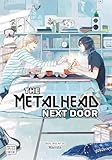
The Metalhead Next Door | $9.74 | Buy on Amazon |
| 2 |

|
Punch Drunk Love Vol. 1 | $14.95 | Buy on Amazon |
| 3 |

|
Boys Love Manga and Beyond: History, Culture, and Community in Japan | $35.00 | Buy on Amazon |
| 4 |

|
FANGS, Volume 1 | $10.98 | Buy on Amazon |
The period’s innovations are often discussed alongside the Year 24 Group, a loose grouping of influential women manga artists associated with changes in shōjo manga’s style and themes. Their work forms part of the context for early shōnen’ai, but BL was not invented by a single creator or one defining title. It emerged through a broader creative and publishing scene.
How did shōnen’ai and JUNE shape the genre?
Shōnen’ai in 1970s girls’ manga
In this historical context, shōnen’ai named stories of emotional or romantic bonds between boys, often presented through the conventions of shōjo manga. The term has older meanings and its use has changed over time. It should not be treated as a timeless synonym for BL, nor should contemporary usage in one country be assumed to match its historical Japanese publishing meaning.
Free tools Windows power users keep installed
One-click scans. No signup required.
#1 Best Overall
June magazine from 1978
The magazine June began publication in 1978, giving readers and creators a dedicated commercial venue for this kind of work. The magazine’s name also became the label JUNE for work associated with its editorial tradition. As a result, JUNE refers not simply to a general stage in a timeline but to a particular magazine and the style and readership connected to it. Nippon.com’s account of BL’s origins and development dates the magazine’s launch to 1978 (Nippon.com overview).
How did yaoi and commercial BL develop?
In the 1980s and 1990s, amateur and fan production became an important part of the landscape. Yaoi is strongly associated in scholarship with fan works, including stories that reimagined existing characters, as well as with dōjinshi, or independently produced fan publications. At the same time, commercial publishers increasingly released original manga and related works about male-male romance.
Rank #2
These developments overlapped. Yaoi and commercial publishing did not belong to neatly separated eras, and their labels were not mutually exclusive. Usage also depends on context: a term used by Japanese publishers or readers in one period may not carry the same meaning as a term used by international fans later. A peer-reviewed study of yaoi’s transnational circulation discusses the role of fan communities and internet sharing in its spread across countries during the 1990s (peer-reviewed study).
What is the difference between shōnen’ai, JUNE, yaoi, and BL?
These labels mark related parts of the genre’s history, but they do not function as perfect synonyms. Their meanings vary by period, location, publisher, and community.
What’s actually slowing this PC down?
Pick the symptom - the matching free tool is one click away.
| Term | Historical context and use |
|---|---|
| Shōnen’ai | A historically variable term used for male-male romance in girls’ manga, especially in discussions of the genre’s early development. |
| JUNE | A label derived from the magazine June, launched in 1978, and the editorial tradition associated with it. |
| Yaoi | A term strongly associated with amateur and fan production, including dōjinshi; its use differs across periods and regions. |
| Boys Love / BL | A contemporary umbrella label widely used for Japanese fictional media about male-male relationships, though definitions can differ between markets and communities. |
In particular, Western fan usage of “yaoi” or “shōnen-ai” is not a reliable guide to how Japanese publishers and readers use those terms. When a label matters, its period and community should be made clear. Oxford Academic defines BL as Japanese fictional media focused on romantic or sexual relationships between male characters, typically aimed at a female audience and usually created by female authors (Oxford Academic chapter record).
Independent reader supportYour contribution helps us test, update, and keep practical guides available for everyone.How did BL become international and expand beyond manga?
Fan communities and internet sharing helped carry yaoi and BL across borders during the 1990s. This was an important route of circulation, not a complete account of how the genre reached every country or developed in every local market. Translation, publication, fandom, and adaptation have varied by place.
Rank #4
BL also grew beyond manga into anime, novels, games, and live-action drama. That expansion created new ways to tell and encounter these stories, while leaving the genre’s relationship to shōjo manga and its changing labels visible in its history. Scholarship on BL dramas also examines debates about representation and the genre’s relationship to LGBTQ identities and communities (study of BL drama).
What BL’s history does—and does not—say about LGBTQ lives
BL is fiction, not a universal account of gay men’s experiences or a reliable measure of how LGBTQ people identify. Its conventions and audience history reflect particular creative and publishing contexts, and viewers or readers may interpret the work in different ways. Discussions of representation are most useful when they distinguish the stories’ fictional portrayals from the varied lived experiences of LGBTQ people.
For a longer scholarly account, Boys Love Manga and Beyond: History, Culture, and Community in Japan includes a chapter titled “A Brief History of Shōnen’ai, Yaoi, and Boys Love” (University Press of Mississippi book page).
Quick Recap
Product prices and availability are accurate as of the date/time indicated and are subject to change. Any price and availability information displayed on Amazon at the time of purchase will apply.