What’s actually slowing this PC down?
Pick the symptom - the matching free tool is one click away.
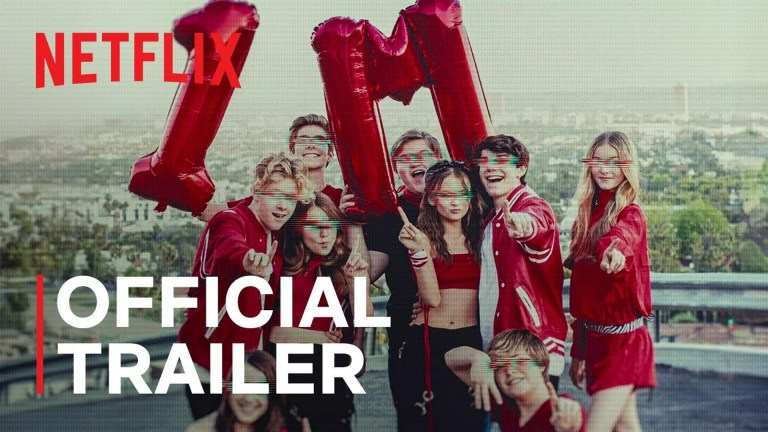
Bad Influence: The Dark Side of Kidfluencing is a three-part Netflix documentary released April 9, 2025. It follows Piper Rockelle’s rise as a child influencer and examines allegations made by former members of her video-making ensemble, The Squad, against Rockelle’s mother and manager, Tiffany Smith. Those allegations were denied by Smith; the civil case ended in a settlement, not a trial verdict establishing what happened.
What is Bad Influence: The Dark Side of Kidfluencing about?
Netflix describes the series as an exploration of child influencing centered on Rockelle, Smith, and former Squad members. Its promotional synopsis points to videos built around pranks, challenges, and “crush content.” The documentary combines the former collaborators’ accounts with the dispute that later became a civil lawsuit; its presentation is not itself a legal finding. Netflix Media Center’s series description identifies it as a three-part documentary.
| # | Preview | Product | Price | |
|---|---|---|---|---|
| 1 |

|
DOCUMENTARY NOW: SEASONS 1 & 2 DVD | $7.97 | Buy on Amazon |
| 2 |

|
The Planet Earth Collection (DVD) | $10.05 | Buy on Amazon |
| 3 |

|
Michael Jackson's This Is It | $8.96 | Buy on Amazon |
| 4 |

|
Great Barrier Reef, The (DVD) | $7.30 | Buy on Amazon |
| 5 |

|
Titanic - The Definitive Documentary Collection + BONUS | $9.38 | Buy on Amazon |
The Netflix Canada listing labels the series TV-MA and lists three episodes running 45, 52, and 52 minutes. It lists English original audio as well as dubbed audio and subtitles. These are details from the Canadian listing and may differ by territory. Netflix Canada’s title page is the reference for those specifications; availability can vary by location.
Who is Piper Rockelle, and how did The Squad take shape?
Netflix’s background coverage describes Rockelle as an actress and influencer who began making online content as a child. Around 2018, a rotating group of young collaborators known as The Squad began appearing in videos and cross-promoting one another’s channels. The lineup changed over time, so “The Squad” refers to an evolving ensemble rather than a fixed cast.
The Tool Desk
Outbyte PC Repair FREEClear out junk files and repair common Windows errorsFree Scan →Outbyte Driver Updater FREEFix the driver behind crashes, sound loss and screen glitchesFind Drivers →#1 Best Overall
Netflix lists Sophie Fergi, Gavin Magnus, Sawyer Sharbino, Hayden Haas, Corinne Joy, Jentzen Ramirez, Claire RockSmith, and Symonne Harrison among past members. The arrangement placed young creators in a shared online enterprise built around recurring personalities and content. In its 2025 account, Netflix reported that Rockelle at one point reportedly earned more than $500,000 per month through brand deals and other income streams. That is a reported historical figure, not an audited salary or a statement about her current income. Netflix Tudum’s background article covers the group and Rockelle’s online rise.
What did former Squad members allege, and how did Smith respond?
According to Netflix’s coverage, 11 former Squad members filed a civil lawsuit in January 2022. The complaint alleged exploitation and an environment that was emotionally, physically, and at times sexually abusive. These are allegations made by plaintiffs, not findings established by the documentary or a trial verdict.
Smith publicly denied the allegations. In comments to the Los Angeles Times published April 11, 2025, she said: “This whole case is based on lies that are driven by financial jealousy.” Her statement is her denial of the former collaborators’ claims. The documentary includes former members’ accounts; those accounts and Smith’s response should be understood as competing claims rather than a determination of disputed facts.
How did the lawsuit end?
Netflix reported that the plaintiffs sought $22 million and that the parties reached a $1.85 million settlement in 2024, after nearly three years. The Los Angeles Times also reported the settlement. The $22 million was the amount sought, not an award; the $1.85 million was a reported settlement, not a damages judgment. A settlement does not establish the truth of the allegations, and the cited coverage does not report a trial adjudicating them or an admission of liability by Smith. Netflix Tudum’s lawsuit follow-up and the Los Angeles Times report describe the outcome.
Do these 3 things before closing this tab:
1Scan for outdated or missing drivers - takes under a minute2Clear out junk files and repair common Windows errors3Fix the driver behind crashes, sound loss and screen glitchesRank #3
- Own the entertainment event of a lifetime and get a rare, private look at the creative genius at work in Michael Jackson's: This Is It!
Netflix Tudum also quotes plaintiff Sophie, identified as one of the young plaintiffs, saying in the documentary: “This lawsuit was never about money — it was to make sure she couldn’t do what she did to me to another kid.” The quote conveys her stated reason for pursuing the suit; it does not change what the settlement legally established.
Independent reader supportYour contribution helps us test, update, and keep practical guides available for everyone.What questions does the documentary raise about children’s work online?
The case sits within a wider debate over how labor protections, safety, and privacy apply when minors produce monetized content for social platforms. The legal answer depends on jurisdiction and period; it is not accurate to say that no protections exist. The Los Angeles Times reports that California enacted legislation expanding Coogan Law protections to child influencers. A 2026 Southern California Law Review article discusses the case alongside continuing policy concerns and potential gaps in protections. Neither source supports treating one state’s rules as universal.
Rank #4
- Factory sealed DVD
In Netflix Tudum’s background article, co-director Jenna Rosher argues: “If they’re 10 years old, they shouldn’t be working 12 hours a day,” and adds, “Most child actors can only work about five hours a day.” These are Rosher’s comments and comparison, not a complete account of applicable law. Likewise, Netflix quotes internet culture commentator Taylor Lorenz saying, “When it comes to new forms of work and new media, there are no labor protections.” That is Lorenz’s opinion, not a definitive legal description across jurisdictions. Netflix Tudum’s coverage provides the documentary quotes; the Los Angeles Times and a 2026 Southern California Law Review article discuss the legal context.
The documentary’s central tension is therefore larger than one creator’s online rise: when children’s performances help build channels and commercial value, who is responsible for their working conditions, safety, and control over the images and personal stories that remain online?
Free tools Windows power users keep installed
One-click scans. No signup required.
Quick Recap
Best Value
- Factory sealed DVD
Product prices and availability are accurate as of the date/time indicated and are subject to change. Any price and availability information displayed on Amazon at the time of purchase will apply.