Spotify removed AI-apparent covers uploaded under a separate artist name, King Lizard Wizard, after they appeared in some listeners’ Release Radars, according to a December 2025 Pitchfork report. King Gizzard frontperson Stu Mackenzie responded with dark humor and alarm. The incident is distinct from a separate account Mackenzie gave in 2026 of unauthorized tracks appearing on the band’s own Spotify profile.
What happened with the King Lizard Wizard Spotify profile?
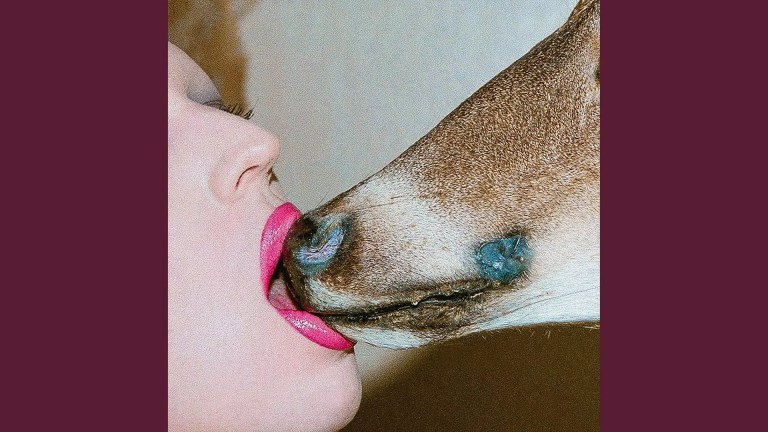
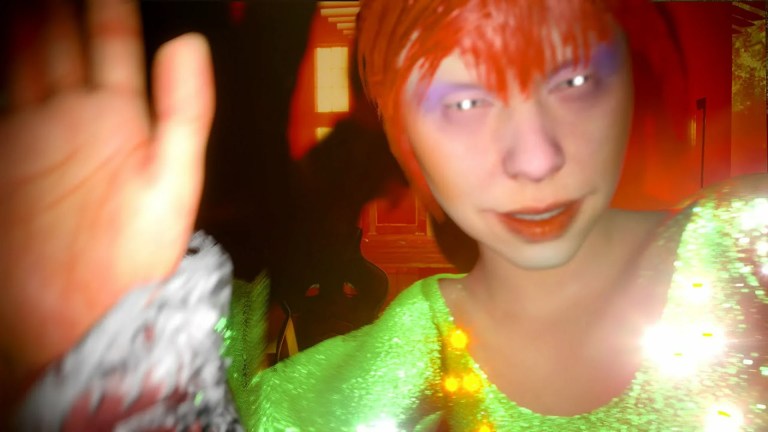
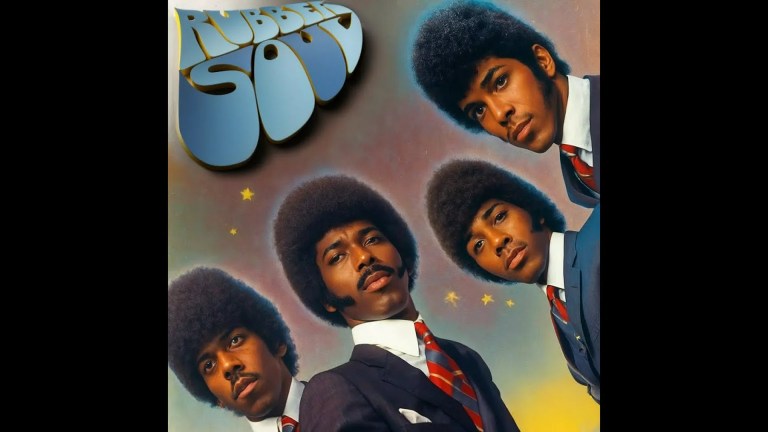
In a report published December 10, 2025, Pitchfork said a series of uncredited covers that appeared to be AI-generated had been uploaded under the name King Lizard Wizard. The tracks appeared in some users’ Release Radars, Spotify’s personalized new-release playlist, and were later removed by the platform, according to the report.
| # | Preview | Product | Price | |
|---|---|---|---|---|
| 1 |

|
King Gizzard - Live in Los Angeles '24 (4LP Splatter Vinyl Box Set) | $90.63 | Buy on Amazon |
| 2 |

|
Nonagon Infinity (Alien Warp Drive Edition) | $38.14 | Buy on Amazon |
| 3 |

|
L.W. | $18.18 | Buy on Amazon |
| 4 |

|
King Gizzard - Live in Las Vegas '24 (Triple Gatefold - Splatter Vinyl) | $43.16 | Buy on Amazon |
| 5 |

|
Polygondwanaland | $26.98 | Buy on Amazon |
Spotify told Pitchfork: “Spotify strictly prohibits any form of artist impersonation. The content in question was removed for violating our platform policies, and no royalties were paid out for any streams generated.” That is Spotify’s statement to Pitchfork, not an independently audited accounting of the streams or payments.
Mackenzie, identified by Pitchfork as King Gizzard’s frontperson, told the Music he was “trying to see the irony in this situation.” He added: “But seriously wtf we are truly doomed.”
Crashes, No Sound, or Screen Glitches?
Random freezes, missing sound and display glitches usually trace back to one bad driver. Find and replace yours safely.Free scan · under a minuteWindows Errors? Fix Them Before They Spread
Repair common Windows errors and clear accumulated junk for a smoother, more stable PC - no reinstall needed.Free scan · no reinstallHow the fake artist page differs from tracks on the band’s profile
The name King Lizard Wizard described a separate artist page in Pitchfork’s December 2025 account. That is not the same mechanism as a release being incorrectly or fraudulently mapped to King Gizzard’s actual artist profile.
In a February 2026 interview with The Atlantic, Mackenzie described unauthorized tracks appearing after the band had removed its music from Spotify, and said the group had contacted the platform multiple times. He characterized the tracks as being on the band profile and said impersonating another artist onto an official profile was “super easy.” This is Mackenzie’s account in an interview, rather than a platform audit of how those releases were delivered or mapped.
Rank #2
The Atlantic also reported that the fake King Gizzard songs “reportedly had more than 10 million streams,” attributing that figure to Platformer. It is a qualified secondary report, not a stream total confirmed in Spotify’s statement to Pitchfork.
What Spotify’s impersonation policy says
Spotify’s artist support policy says it will remove music that imitates another artist’s voice without permission, whether the replica was made with AI voice cloning or another method. The policy can apply even if the impersonated artist is not named in the metadata or credits. Spotify notes that some uses, including certain forms of parody, may be exceptions.
Rank #3
The policy also recognizes a practical limit: Spotify says it cannot tell from a track alone whether a voice use is an authorized sample or collaboration. Its specified claim route is for the artist or an authorized representative to submit Spotify’s legal form and choose the “Publicity / Likeness” report type. Spotify says it reviews submissions and may remove content when it violates the policy.
- Go to Spotify’s artist support page on reporting music that impersonates your voice.
- Use Spotify’s legal form and select “Publicity / Likeness” as the report type.
- Submit the claim as the artist or an authorized representative; Spotify says it will review the report and may remove content that violates its policy.
This is Spotify’s stated route for artists and representatives making a likeness claim. The support page does not establish that an ordinary listener can use it to make the same legal claim.
Independent reader supportYour contribution helps us test, update, and keep practical guides available for everyone.What Spotify’s AI Persona badges do—and do not—identify
On August 11, 2026, Spotify announced AI Persona badges for profiles whose public identity appears to depict a photorealistic AI-generated person. The badge addresses the identity presented by an artist profile, not whether the music itself was created with AI. Spotify points separately to AI Credits and SongDNA for information about music-making.
Spotify said artists could disclose an AI Persona through Spotify for Artists, and that the company would also review profiles and could apply badges. Artists may appeal a badge applied by Spotify. At announcement, Spotify described listener reporting of suspected AI Persona profiles as a future feature; that statement does not establish whether listener reporting is available now.
Recommended Free Tools
Best Value
- Best Sellers: Top500...
- Format: Vinyl...
- Genre: Rock...
- Released: 2026-07-31...
A profile badge about a photorealistic AI identity is not the same thing as detecting a fake artist name, an unauthorized vocal imitation, or a track mapped onto a real artist’s profile. Spotify’s announcement does not say the badges detected or resolved the King Lizard Wizard incident.
Three different problems, not one detection system
| Situation | What it means | What the cited source establishes |
|---|---|---|
| Separate impersonator artist profile | A different artist page uses a name that resembles the real act. | Pitchfork reported that AI-apparent covers appeared under King Lizard Wizard and were removed by Spotify. |
| Release appearing on the real artist’s profile | A track is presented or mapped as part of the established artist’s catalog. | Mackenzie told The Atlantic that unauthorized tracks had appeared on King Gizzard’s profile; this is his account, not a platform audit. |
| Photorealistic AI Persona | An artist profile’s apparent public identity is an AI-generated person. | Spotify’s 2026 badge announcement addresses this profile identity, not whether a track imitates a musician or is AI-made. |
Spotify spokesperson told The Atlantic: “AI is accelerating problems that already exist across the music industry, including impersonation and fraud.” The distinction matters: a fake page, a misattributed release, and an AI-generated profile identity are different problems, and the cited policy and badge announcements do not establish that a single feature catches all of them.
Quick Recap
Product prices and availability are accurate as of the date/time indicated and are subject to change. Any price and availability information displayed on Amazon at the time of purchase will apply.