Recommended Free Tools
Raj Khosla’s career ranged from crime thrillers and ghost stories to melodramas and dacoit dramas. A 2025 biography, written by Amborish Roychoudhury with Khosla’s daughters Anita Khosla and Uma Khosla Kapur, sets that versatility beside a more complicated portrait of the filmmaker’s private life. Roychoudhury’s concise description: “He was a gloriously flawed human being.”
A career that crossed genres
Born in 1925, the same year as his mentor Guru Dutt, Khosla made his second film, the Guru Dutt-produced crime thriller C.I.D., in 1956. He continued making films through 1989, moving among genres rather than settling into one recognizable mode.
| # | Preview | Product | Price | |
|---|---|---|---|---|
| 1 |

|
Raj Khosla: The Authorized Biography | $6.99 | Buy on Amazon |
| 2 |

|
My Biography | $6.16 | Buy on Amazon |
| 3 |

|
Solomon Juneau; a biography | $27.95 | Buy on Amazon |
| 4 |
|
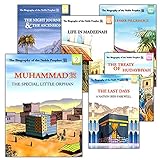
The Biography of the Noble Prophet (PBH) series (20 books) | $107.49 | Buy on Amazon |
| 5 |

|
Khador Hardcover Book | $118.99 | Buy on Amazon |
The biography’s introduction, quoted in Nandini Ramnath’s May 27, 2025 interview with Roychoudhury in Scroll, places films such as C.I.D., Do Raaste, Main Tulsi Tere Aangan Ki and Dostana in strikingly different creative worlds. Khosla also made ghost stories and dacoit dramas. The range is the point: his filmography resists a single-genre label.
How Khosla made songs part of the story
Roychoudhury emphasizes that Khosla used songs to do dramatic work. Like Guru Dutt and Vijay Anand, he could use a song to move the plot, reveal a character or express a relationship, rather than pausing the story for a musical interlude.
Free tools Windows power users keep installed
One-click scans. No signup required.
#1 Best Overall
His example is “Achcha Ji Mein Haari” from Kala Pani (1958). Roychoudhury describes the performers’ movement and the lyrics as forming a conversation with its own dramatic arc: “His songs had a beginning, middle and end, like his films.”
The biographer also portrays Khosla as a passionate singer. In Roychoudhury’s account, Khosla sometimes added humming to his films without telling the music director. That detail suggests a personal musical instinct within a collaborative filmmaking process; Roychoudhury says Khosla did not regard himself as an exalted, sole creator.
Rank #2
- NC
Generosity and flaws in the personal portrait
The biography does not present Khosla’s private life as a simple counterpoint to his professional achievement. Roychoudhury describes him as attentive to colleagues, recounting that he kept paying staff salaries for months when he was not making films. In another anecdote, Khosla objected to staff members suffering while his own father was dying. These are the biographer’s accounts, not independently established facts in the interview.
Roychoudhury also acknowledges flaws in Khosla’s treatment and projection of women. The films themselves contain a tension worth noticing: some portrayals are constrained or regressive, while female characters can also have agency. He points to Asha Parekh’s character in Do Badan and to the women in the Sadhana films Woh Kaun Thi?, Mera Saaya and Anita. Those examples do not amount to a comprehensive assessment of every film, but they complicate any single verdict about how Khosla depicted women.
Rank #3
What the biography can—and cannot—establish
Roychoudhury describes a fragmentary evidence base: family photographs, books, Khosla’s Urdu diary, old Filmfare columns and interviews. Few contemporaries remained available to consult, and there were not many interviews from the years when Khosla made his major films.
That limitation shaped the biography’s treatment of sensitive subjects. Roychoudhury says he withheld some material because the people involved had not agreed to be quoted or named. The result is a portrait that acknowledges uncertainty and restraint rather than treating every circulating story about Khosla’s private life as settled fact.
Adaptation, originality and historical context
On films adapted from novels or American movies, Roychoudhury argues that older Hindi cinema needs to be understood in its historical context, while also recognizing that source material often went uncredited. He describes Bombai Ka Babu as based on O. Henry’s “A Double-Dyed Deceiver,” but says the film substantially changed the script and storytelling. Context helps explain the practice; it does not make the lack of acknowledgment disappear.
Independent reader supportYour contribution helps us test, update, and keep practical guides available for everyone.The biography and its publication date
The book Raj Khosla was written by Roychoudhury with Khosla’s daughters Anita Khosla and Uma Khosla Kapur. At the time of Scroll’s May 27, 2025 interview, its release was scheduled for May 31, Khosla’s birth centenary. That report establishes the planned date, not the book’s current retail availability, edition or price.
Do these 3 things before closing this tab:
1Repair Windows errors before they cause bigger problems2Scan for outdated or missing drivers - takes under a minute3Clear out junk files and repair common Windows errorsQuick Recap
Best Value
- Privateer Press
- NARF_US_5634
Product prices and availability are accurate as of the date/time indicated and are subject to change. Any price and availability information displayed on Amazon at the time of purchase will apply.




