Quick wins for a faster PC:
Repair Windows errors before they cause bigger problemsFix Now →Scan for outdated or missing drivers - takes under a minuteDriver Scan →Clear out junk files and repair common Windows errorsFree Scan →Watch the DCEU in story order by starting with Wonder Woman and Wonder Woman 1984, then moving through the modern superhero era to Aquaman and the Lost Kingdom. Use one Justice League cut—not both—as the main entry.
The DCEU movies in chronological order
For a practical story-order marathon, watch the 15 DCEU movies in this sequence:
| # | Preview | Product | Price | |
|---|---|---|---|---|
| 1 |
|
Batman & Mr. Freeze: Subzero | $2.99 | Buy on Amazon |
| 2 |

|
Superman/Shazam! The Return of Black Adam | $12.99 | Buy on Amazon |
- Wonder Woman (primarily set in 1918)
- Wonder Woman 1984 (set in 1984)
- Man of Steel
- Batman v Superman: Dawn of Justice
- Suicide Squad
- Justice League or Zack Snyder’s Justice League (choose one for the main marathon)
- Aquaman
- Shazam!
- Birds of Prey (and the Fantabulous Emancipation of One Harley Quinn)
- The Suicide Squad
- Black Adam
- Shazam! Fury of the Gods
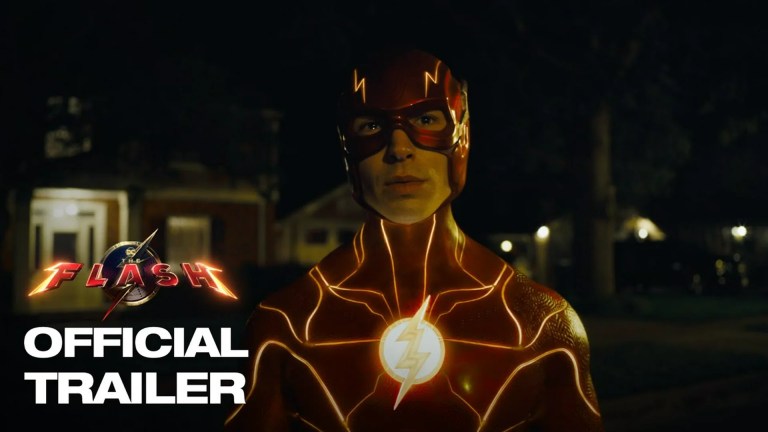
- The Flash
- Blue Beetle
- Aquaman and the Lost Kingdom
This is a practical editorial chronology rather than an official, scene-by-scene timeline issued by DC. Several films use deliberately broad dates, while The Flash introduces time travel and continuity changes. The order is therefore designed to make the fictional history easy to follow, not to pretend that every event fits into a perfectly fixed calendar. JustWatch’s DCEU guide also places the period films at the beginning and treats the modern films as a later sequence.
Why Wonder Woman comes first
Although Man of Steel launched the modern DCEU storyline, Wonder Woman is set mainly during World War I, in 1918. It is followed by Wonder Woman 1984, whose story takes place in 1984. Both movies therefore precede the contemporary events involving Superman, Batman, the Suicide Squad and the Justice League.
Free tools Windows power users keep installed
One-click scans. No signup required.
#1 Best Overall
Watching the films this way gives the marathon a clear historical opening: Diana’s early public intervention in the human world, her return decades later, and then the emergence of the modern superhuman age. The films do not provide enough information to place every flashback or framing scene with absolute precision, so “primarily set in” is more accurate than claiming that every moment occurs in 1918 or 1984.
Which Justice League should you watch?
The 2017 theatrical Justice League and the 2021 Zack Snyder’s Justice League occupy the same broad position in the story. They are not two successive chapters in which the heroes defeat the same threat twice. Snyder’s film is a substantially expanded and restored version of the team-up story, with different creative choices and additional material.
- For a streamlined first marathon: watch Zack Snyder’s Justice League and skip the 2017 theatrical cut.
- For a release-history comparison: watch the 2017 film in the main position, then watch Zack Snyder’s Justice League later as an alternate version.
DC’s official page for Zack Snyder’s Justice League recognizes the 2021 film as a version of the DCEU team’s origin while the 2017 release remains the theatrical counterpart. Count them as one story position, not as two separate DCEU movies. That is why the list contains 15 movies rather than 16.
Why The Flash is near the end
The Flash revisits earlier events and changes the timeline. That might suggest placing it beside Man of Steel or Batman v Superman, but doing so makes a first marathon harder to follow: the film’s time-travel plot works best after the viewer has seen the later DCEU history it disrupts.
Place it after Shazam! Fury of the Gods. DC’s explanation of the developing DC franchise describes Shazam! as leading into The Flash and identifies The Flash as a continuity-reset point. In other words, its position is a practical late-DCEU choice, even though the film itself looks backward. DC’s franchise announcement provides the relevant context.
Where Blue Beetle fits
Blue Beetle is commonly included in the 15-film DCEU watch list, so place it after The Flash for a completionist marathon. Its connection to the earlier shared continuity is much looser than the connections among the first several films. DC described the movie as largely disconnected from what came before and as potentially compatible with the newer DC Universe.
That makes Blue Beetle a reasonable final-era entry, but not a crucial chapter for understanding the central Superman–Batman–Justice League storyline. If you want only the most tightly connected DCEU arc, this is one of the films you can treat as optional; if you want to see all 15 commonly counted DCEU movies, keep it in the order above.
Optional: where does Peacemaker go?
Peacemaker is a television series, not a movie, so it does not belong in the 15-film list. If you are expanding the marathon beyond movies, watch season one after The Suicide Squad. That placement follows the character’s story and keeps the television material from interrupting the film sequence.
Recommended Free Tools
Movies that are not part of this DCEU list
Do not add every live-action DC movie to this marathon. The following titles belong to separate continuities or to the newer DCU rather than the completed DCEU movie sequence:
- Joker and Joker: Folie à Deux
- The Batman
- The newer Superman film and other projects belonging to the new DCU
DC’s movie listings distinguish these projects from the earlier shared continuity. You can confirm the broader separation in DC’s official movie listings. They may be excellent choices for a separate DC marathon, but inserting them here would make the DCEU chronology misleading.
Chronological order versus release order
Chronological order is the better option if you want the fictional timeline to begin with Diana’s World War I story. Release order is arguably better if you want to experience the franchise as audiences originally did, including the changing versions of Justice League and the way The Flash functions as a late transition point.
The release-order run begins with Man of Steel (2013), followed by the theatrical rollout of the remaining DCEU films through Aquaman and the Lost Kingdom (2023). Zack Snyder’s Justice League is a 2021 alternate/restored cut, not an additional story chapter to insert after the 2017 film. Choose chronological order for story history; choose release order for the franchise’s production and audience history.
What’s actually slowing this PC down?
Pick the symptom - the matching free tool is one click away.
Where to watch the DCEU movies in the United States
There is no reliable promise that all 15 films will remain on one streaming service. U.S. rights change by title and date, and a movie may be available through a subscription plan, digital rental, digital purchase, Blu-ray, or 4K UHD disc. Prices, formats and providers can also differ.
Before starting the marathon, use a live U.S. DCEU availability guide to check each title. Search by individual movie if necessary; for example, Man of Steel’s JustWatch page illustrates why availability should be checked title by title rather than assumed from the status of another film. The listings are a snapshot, not a permanent guarantee, so verify the service and price immediately before watching.
Physical-media option
Prefer physical media? The DC Extended Universe 11-Film Collection can cover much of the marathon on disc, but it is not the complete 15-film DCEU catalog. Check the included titles before buying, then add individual Blu-ray or 4K editions for omitted films if you want the entire sequence. A collection listing is available through Blu-ray.com’s DCEU collection reference.
For individual purchases, verify the exact edition, region, seller, included discs and whether the release is Blu-ray or 4K UHD. The format matters: a 4K disc requires compatible playback hardware, while standard Blu-ray editions have different equipment requirements. Treat physical media as a way to reduce dependence on changing streaming catalogs, not as proof that one boxed set contains every DCEU movie.
Do these 3 things before closing this tab:
1Clear out junk files and repair common Windows errors2Fix the driver behind crashes, sound loss and screen glitches3Repair Windows errors before they cause bigger problemsQuick decision guide
| If you want to… | Use this approach |
|---|---|
| Follow the fictional timeline | Use the 15-position chronological order above. |
| Keep the marathon streamlined | Use Zack Snyder’s Justice League and skip the 2017 cut. |
| Compare the franchise’s major versions | Watch the 2017 Justice League, then Snyder’s cut later as an alternate version. |
| Watch only the tightly connected core | Treat Blue Beetle as optional because its continuity link is comparatively loose. |
| Include the connected TV material | Watch Peacemaker season one after The Suicide Squad, outside the movie count. |
| Watch the movies as originally released | Start with Man of Steel and follow release order. |
Frequently Asked Questions
What is the DCEU chronological order?
The chronological order is Wonder Woman, Wonder Woman 1984, Man of Steel, Batman v Superman, Suicide Squad, one version of Justice League, Aquaman, Shazam!, Birds of Prey, The Suicide Squad, Black Adam, Shazam! Fury of the Gods, The Flash, Blue Beetle and Aquaman and the Lost Kingdom.
Should I watch both Justice League movies?
No. The 2017 theatrical movie and 2021 Zack Snyder’s Justice League tell the same broad team-up story. Choose one for the main marathon; watch both only if you want to compare the two versions.
Where does Peacemaker fit in the DCEU order?
Yes, if you are watching the connected television material. Put season one after The Suicide Squad, but keep it outside the 15-film DCEU count.
Are Joker and The Batman part of the DCEU?
No. Joker, Joker: Folie à Deux and The Batman belong to separate continuities, while newer DCU projects belong to the rebooted shared universe.
The Bottom Line
For story order, start with Wonder Woman, continue through Wonder Woman 1984 and the modern DCEU, choose one version of Justice League, and finish with The Flash, Blue Beetle and Aquaman and the Lost Kingdom. It is a practical chronology—not a perfectly official timeline—and Snyder’s cut should not be counted as a 16th movie.
Quick Recap
Product prices and availability are accurate as of the date/time indicated and are subject to change. Any price and availability information displayed on Amazon at the time of purchase will apply.