Fans accused Taylor Swift’s The Life of a Showgirl promotional campaign of using AI-generated or AI-assisted imagery after spotting apparent visual glitches in short QR-code-unlocked videos. The available reporting documents the backlash, but does not establish that Swift personally created or approved the disputed clips.
Fans accused Taylor Swift’s The Life of a Showgirl promotional campaign of using AI-generated or AI-assisted imagery after spotting apparent visual glitches in short videos unlocked by QR codes. The backlash focused on a limited set of promotional clips—not evidence that Swift wrote the album with AI, that the entire campaign was synthetic, or that Swift personally created or approved the disputed visuals.
| # | Preview | Product | Price | |
|---|---|---|---|---|
| 1 |
|
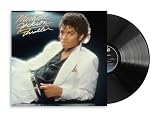
Thriller | $19.97 | Buy on Amazon |
| 2 |

|
Rumours | $23.05 | Buy on Amazon |
| 3 |
![Chronicle: The 20 Greatest Hits[2 LP]](https://m.media-amazon.com/images/I/411qOkbEPUL._SL160_.jpg)
|
Chronicle: The 20 Greatest Hits[2 LP] | $27.89 | Buy on Amazon |
| 4 |

|
Purple Rain | $22.99 | Buy on Amazon |
| 5 |

|
Greatest Hits Volume I & II | $26.97 | Buy on Amazon |
What the controversy was about
The videos appeared during a treasure-hunt-style rollout for The Life of a Showgirl, Swift’s 12th studio album, released on October 3, 2025. Reporting from WIRED, Rolling Stone Australia, the San Francisco Chronicle, and Futurism described a campaign built around 12 orange doors placed in 12 cities. Each door featured a QR code that led viewers to a short promotional video.
Fans who examined and circulated the clips believed some frames contained signs associated with generative-image tools. Their examples reportedly included objects or body parts that seemed to merge incorrectly, an item of clothing that appeared to disappear, and a carousel horse with an apparently malformed or unnatural shape. Those observations helped drive the hashtag #SwiftiesAgainstAI and a wider argument about whether the campaign had used synthetic imagery instead of conventional production and post-production work.
Recommended Free Tools
#1 Best Overall
The word “sloppy” comes from the reaction to those apparent artifacts. It is not an established technical finding about the videos’ production process. A visual inconsistency can be evidence worth investigating, but it does not by itself identify the software, the person who used it, or whether generative AI was involved at all.
What is confirmed—and what remains an allegation
| Supported by the available reporting | Not established by the available reporting |
|---|---|
| The album rollout included orange doors in 12 cities and QR-code-unlocked videos. | That Taylor Swift personally generated the videos. |
| Fans publicly criticized the clips and used #SwiftiesAgainstAI. | Which production company, editor, animator, or contractor made them. |
| Multiple publications reported the alleged AI use and the visual anomalies cited by fans. | Whether AI was used to make complete clips, individual assets, cleanup, compositing, or experimental post-production elements. |
| The Life of a Showgirl was released on October 3, 2025. | Whether Swift, Taylor Nation, Republic Records, or another rights-holder formally approved the disputed imagery. |
| The campaign was connected to the album’s promotional rollout. | Whether the clips were removed, revised, or officially explained. |
That distinction matters. The strongest defensible description is that fans accused Swift’s album-promotion campaign of using AI after identifying apparent glitches in QR-code-unlocked videos. It is not accurate to present “Taylor Swift used AI” as a confirmed fact without attribution or qualification.
Why fans reacted so strongly
The dispute was about more than a malformed object in a few seconds of footage. Fans contrasted the alleged synthetic imagery with the professional artists, animators, designers, editors, and production crews available for a major album campaign. For critics, the issue involved several overlapping concerns:
Rank #2
- Iconic Album: Rumours stands as one of the best-selling albums in music history, certified nineteen times platinum and widely regarded as the definitive album of the 1970s that transcends genre and generations
- Classic Tracks: Features timeless rock staples including Dreams, Don't Stop, Go Your Own Way, You Make Loving Fun, The Chain, and Gold Dust Woman, creating a collection that reads like a greatest hits package
- Legendary Performances: Showcases the magical collaboration of Stevie Nicks, Lindsey Buckingham, Mick Fleetwood, and the entire band delivering impeccable songwriting and passionate playing on every track
- Vinyl LP Format: This pressing captures the monumental 1977 album by the British-American rock band in authentic vinyl format, preserving the original sound quality and listening experience
- Musical Excellence: A vital rock album that succeeds through its exceptional composition and emotional depth, making it an essential addition to any music collection regardless of your preferred genre
- Creative labor: AI-generated or AI-assisted assets can raise questions about whose work was used, how artists were compensated, and whether human creatives were displaced.
- Authenticity: Swift’s public image and audience relationship place considerable emphasis on authorship and personal creative control. A campaign that appears to use undisclosed synthetic imagery can therefore feel inconsistent with that identity, even when the underlying allegation is unconfirmed.
- Quality control: The reported glitches became especially visible because they appeared in public-facing promotional material. Viewers interpreted malformed anatomy, discontinuity, or disappearing objects as signs that the material had not been adequately reviewed.
- Trust and disclosure: Audiences increasingly want to know when generative tools have contributed to commercial imagery. The absence of a clear production explanation left fans to perform their own visual analysis.
WIRED framed the response as a fan-led #SwiftiesAgainstAI backlash. Rolling Stone Australia also placed it within broader debates about unauthorized AI representations of Swift and the cultural anxiety surrounding synthetic images of public figures. Those contexts help explain the intensity of the reaction, but they do not prove what happened inside this particular production pipeline.
Windows Errors? Fix Them Before They Spread
Repair common Windows errors and clear accumulated junk for a smoother, more stable PC - no reinstall needed.Free scan · no reinstallCrashes, No Sound, or Screen Glitches?
Random freezes, missing sound and display glitches usually trace back to one bad driver. Find and replace yours safely.Free scan · under a minuteWhy visual glitches are not forensic proof
The reported anomalies may be consistent with generative AI, but “consistent with” is not the same as “caused by.” Similar-looking errors can arise from rushed compositing, masking problems, animation mistakes, frame interpolation, aggressive editing, compression, or a conventional visual-effects workflow. Even if an AI tool was used somewhere in the process, the available reporting does not establish whether it generated the entire videos or only assisted with a small element.
There is also an attribution problem. A large entertainment campaign can involve artists, agencies, production vendors, editors, and rights-holders. The public appearance of a clip does not identify who made a particular asset or who signed off on it. Until a production credit, official statement, or other reliable documentation answers those questions, fan analysis should remain described as an allegation or interpretation.
Rank #3
- Records have been cleaned and new sleeved.
- 2 LP release.
- Made in Spain.
The controversy does not mean the album was made with AI
The Life of a Showgirl itself was released on October 3, 2025. Apple Music lists 12 tracks with a total runtime of approximately 41 minutes. Nothing in the researched reporting establishes that the album’s songwriting, recordings, or principal music videos were created by AI.
The rollout also included a separate official theatrical release-party package. Promotional material for Taylor Swift | The Official Release Party of a Showgirl described a filmed and edited presentation featuring the world premiere of The Fate of Ophelia, behind-the-scenes footage, lyric videos, and Swift’s commentary about the songs. That documented filmed package should not be treated as proof that every part of the era was AI-generated—or as proof that every disputed promotional clip used only traditional methods.
Do these 3 things before closing this tab:
1Clear out junk files and repair common Windows errors2Fix the driver behind crashes, sound loss and screen glitches3Repair Windows errors before they cause bigger problemsThe responsible conclusion is narrower: the public record supports a controversy over particular short promotional videos associated with the album campaign. It does not support a claim that the whole Showgirl era, the album, or all of its music-video material was fake or AI-made.
Rank #4
- A1 - Let's Go Crazy
- A2 - Take Me With U
- A3 - The Beautiful Ones
- A4 - Computer Blue
- A5 - Darling Nikki
What would resolve the question?
A definitive account would require information that has not been identified in the available reporting, such as:
- Production credits naming the relevant creative and post-production teams.
- A statement from the campaign’s production company, label, artist representatives, or another rights-holder.
- Project documentation showing whether generative tools were used and, if so, for which assets.
- A clear explanation of whether the apparent glitches were intentional effects, ordinary editing errors, or artifacts from an AI-assisted workflow.
- Confirmation of whether the videos were changed or withdrawn after the backlash.
Until that evidence appears, the episode is best understood as a campaign-production and trust problem rather than proof of a secret AI-made album. The clips may have looked careless to viewers, but their appearance alone cannot establish personal responsibility or a complete production history.
Frequently Asked Questions
Did Taylor Swift personally use AI to make the promotional videos?
The available reporting does not establish that Taylor Swift personally generated, commissioned, or authorized the disputed videos. It documents fan accusations and apparent visual anomalies in promotional clips associated with the album rollout.
What videos were fans accusing of using AI?
The controversy involved short videos unlocked through QR codes at 12 orange promotional doors in 12 cities. Fans pointed to apparent continuity errors, malformed objects or body parts, a disappearing clothing item, and an abnormal-looking carousel horse.
Was The Life of a Showgirl made by AI?
No. The researched evidence concerns particular promotional snippets. It does not show that the album, its songwriting, or the entire music-video campaign was made with AI.
Were the videos definitely AI-generated?
Not from the available record. The clips could involve generative AI, conventional editing or compositing errors, animation problems, compression, or another workflow. A production credit or official explanation would be needed for a definitive conclusion.
The Bottom Line
Bottom line: Fans accused Taylor Swift’s The Life of a Showgirl rollout of using AI after spotting apparent glitches in QR-code promotional videos. Multiple outlets reported the backlash, but no researched source confirms who made or approved the clips, whether generative AI was used, or that Swift personally had responsibility. The evidence concerns selected promotional snippets—not the album as a whole.
Quick Recap
Product prices and availability are accurate as of the date/time indicated and are subject to change. Any price and availability information displayed on Amazon at the time of purchase will apply.